
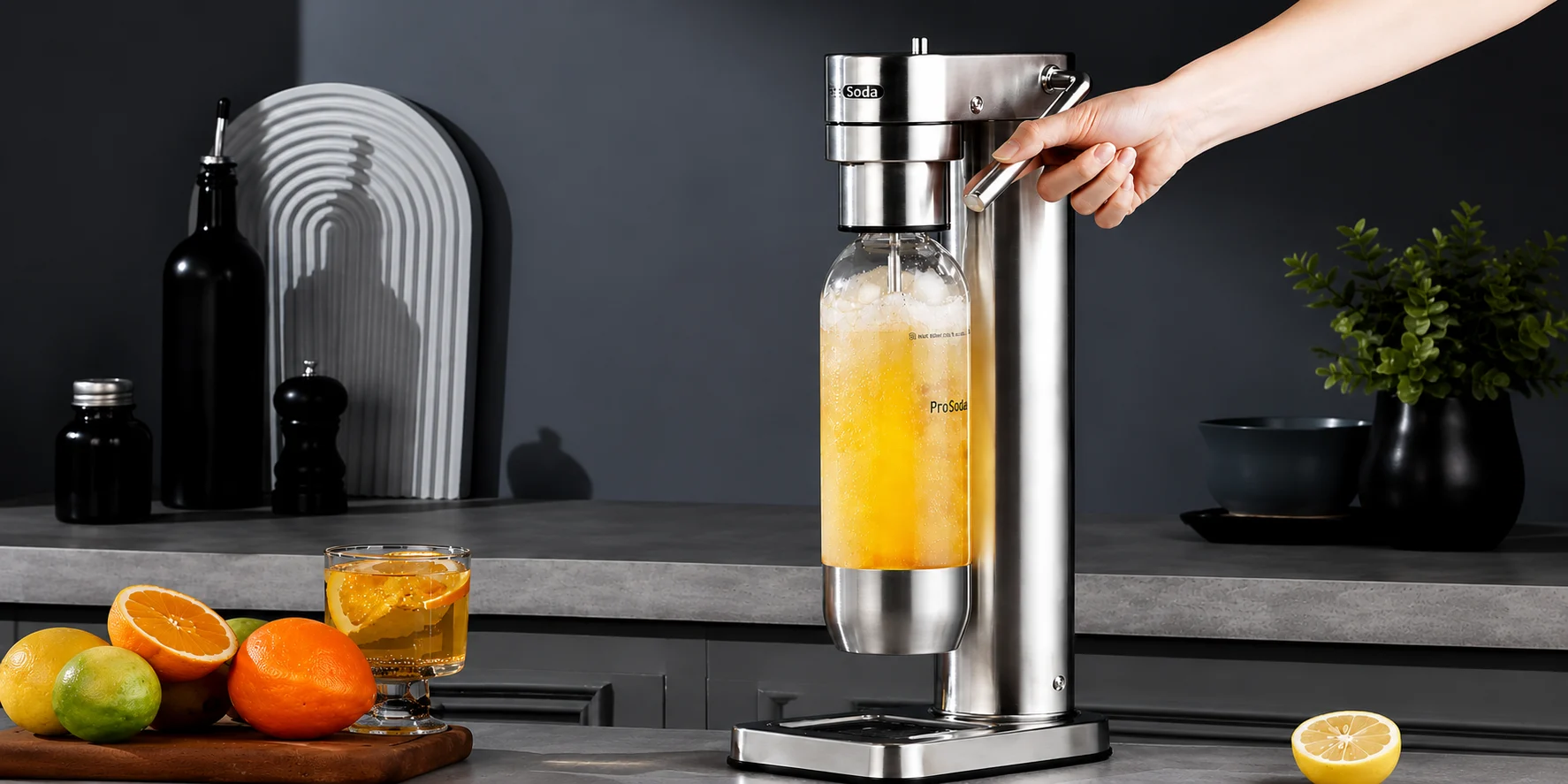
Water Carbonator OEM Models for EU and Global Brands
We help B2B brands select proven Cheersoda soda maker models, confirm bottle and CO2 compatibility, prepare packaging files, and run safety checks before shipment. Every model on this page is a manual water carbonator built in our own factory in Chengyang, Qingdao — a 15,500 m² plant established in 2015, running three production lines with a monthly capacity of 20,000 units. No motors, no power supply, no plug to certify: the pressure comes from the cylinder, and the machine's job is to manage that pressure safely, unit after unit.
B2B scope: home water carbonators and private-label soda maker projects only. Not industrial carbonation lines, restaurant dispensers, or local CO2 refill services.
Range facts at a glance: MOQ 300 units per model · trial orders on existing models · samples ready in 7 days · first order 35–45 days · repeat orders 30 days · 1-year warranty · T/T terms.
Four Terms Buyers Use for This Machine
Water carbonator
a desktop device designed to safely inject CO2 into drinking water.
Carbonation machine
the core mechanical hardware managing pressure and CO2 flow.
Home carbonation system
manual equipment tailored for residential countertop use.
Soda carbonator
an alternative industry term for private-label sparkling water makers.
Suppliers use the four terms loosely; the hardware questions behind them are the same, and they are the questions this page answers: structure, safety, compatibility, and supply.
Manual Carbonation Machine Structure
Core mechanical components designed for stable pressure management and reliable daily operation. Four assemblies decide whether a water carbonator is safe and consistent, and each one can be inspected on a sample before you commit to a production run.
1.Carbonation button or lever.
The mechanical trigger that initiates CO2 flow from the cylinder. Depending on the model it is a top-press button or a lever; there is no electronic control anywhere in the path, so the feel of the press or lever pull is the user experience — check it on the sample, not on a datasheet.
2.CO2 inlet and safety valve.
The inlet connects to the cylinder thread and meters gas into the machine head. The safety valve assembly is CNC-machined brass on every model we make, plastic or stainless — the valve is the pressure heart of the machine, and it is not downgraded on volume models. Built-in safety valves restrict overpressure at the point where gas enters.
3.Pressure release path.
An engineered exhaust route that vents excess gas safely before the bottle is removed. On models with automatic pressure release the venting happens by itself once carbonation ends; on lever models the same handle that carbonates also releases. The user never opens a pressurised bottle.
4.Bottle locking area and tube.
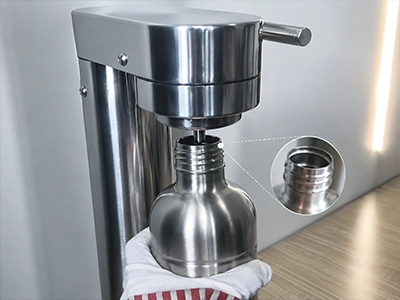
A threaded or snap-fit neck support, depending on the model, secures the bottle while the carbonation tube extends down into the water and delivers CO2 below the surface. Locking stability here is what keeps the seal under pressure — it is checked on every unit, not sampled.
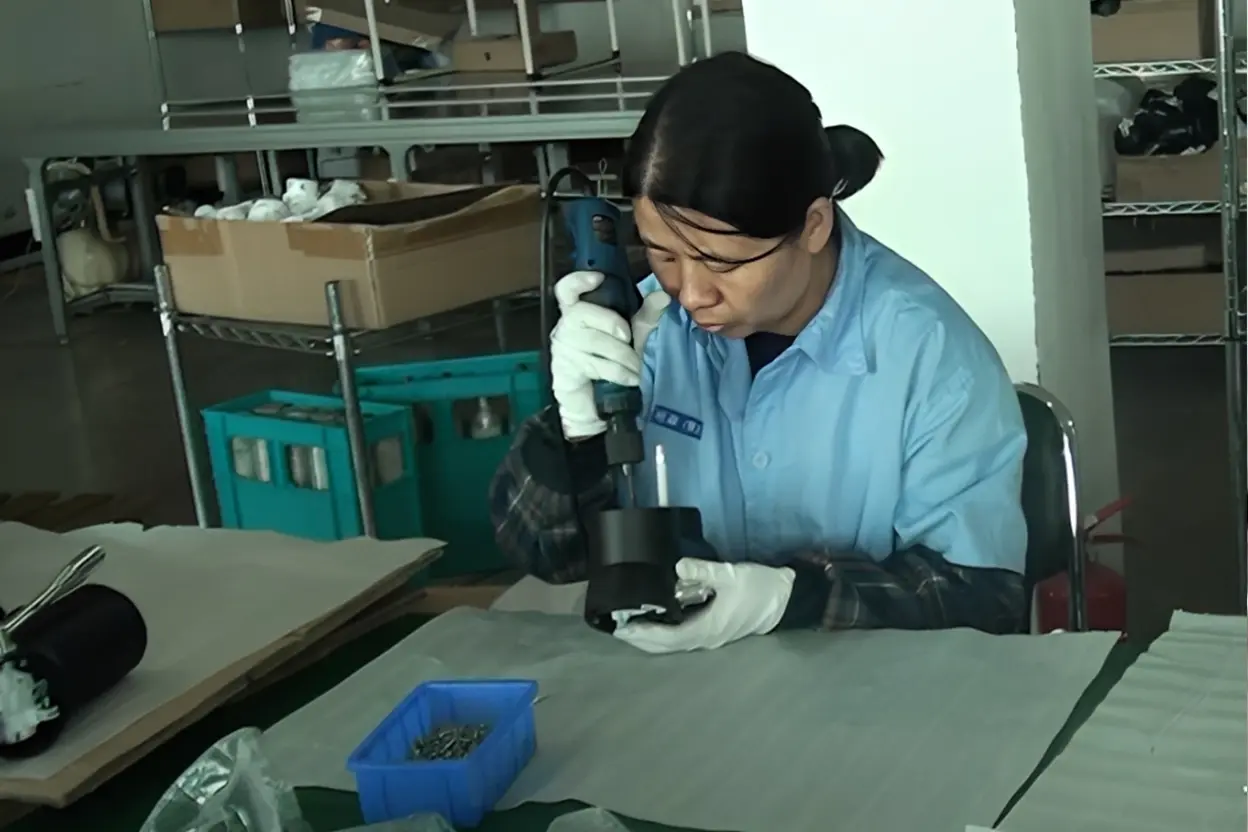
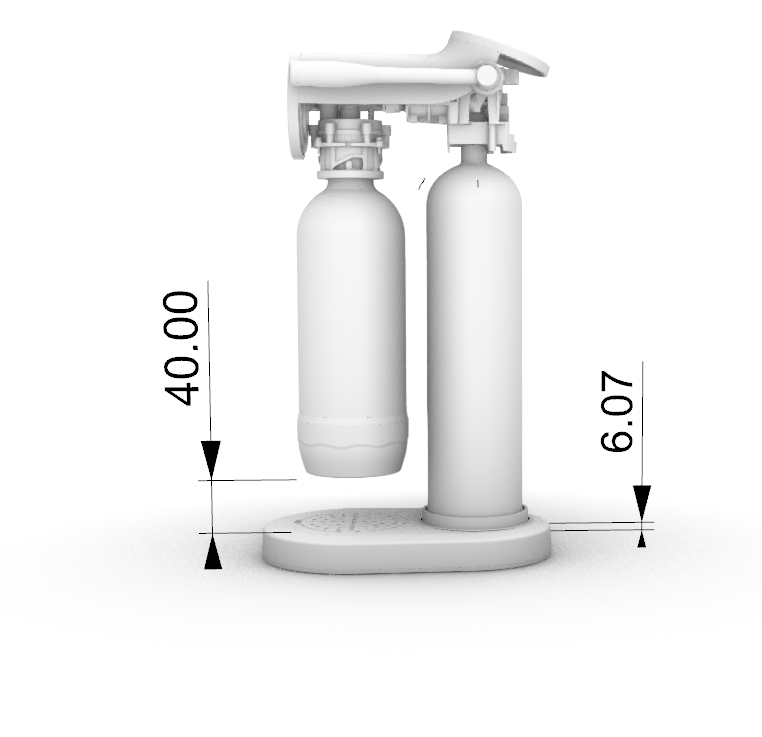
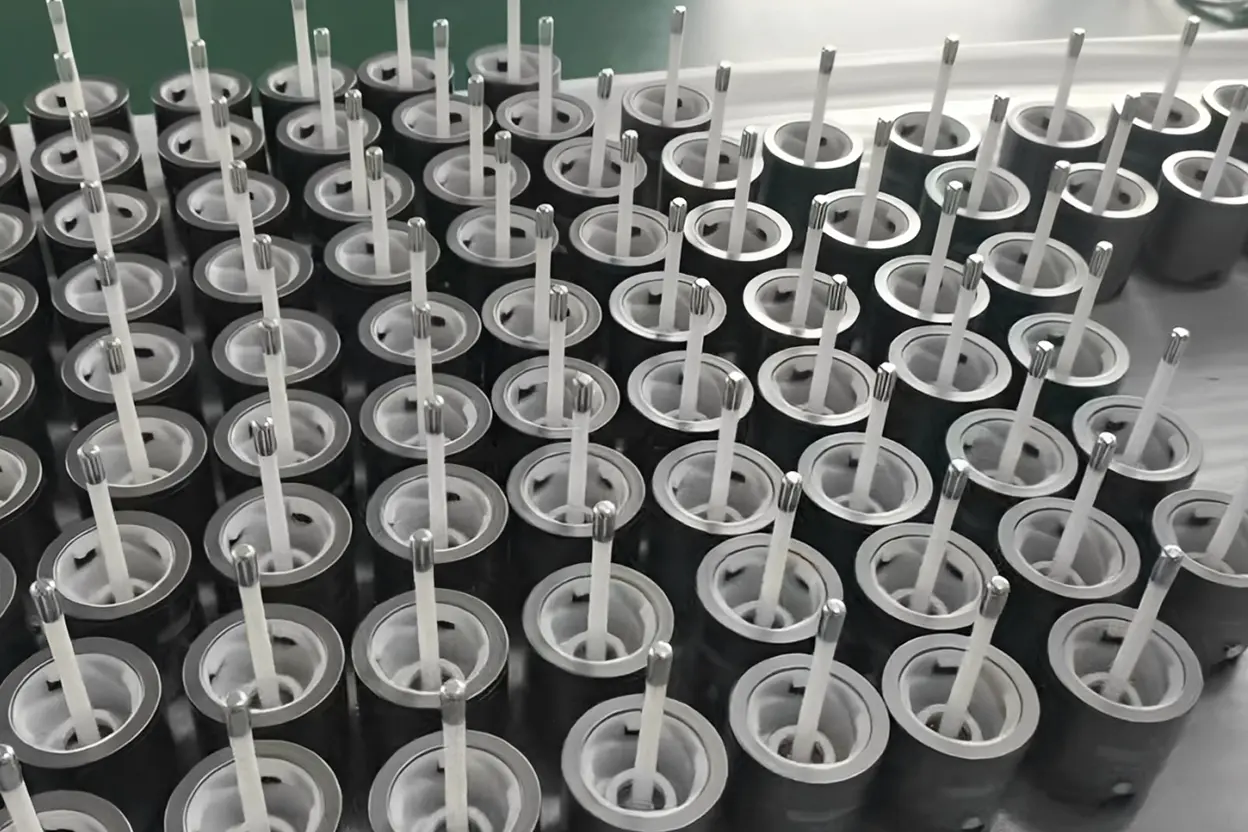
Water Carbonator Structure Proof
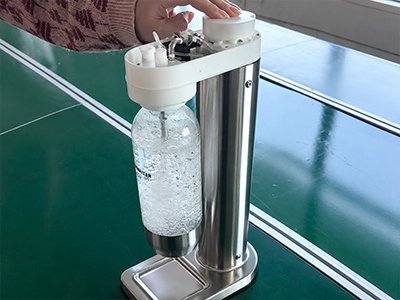
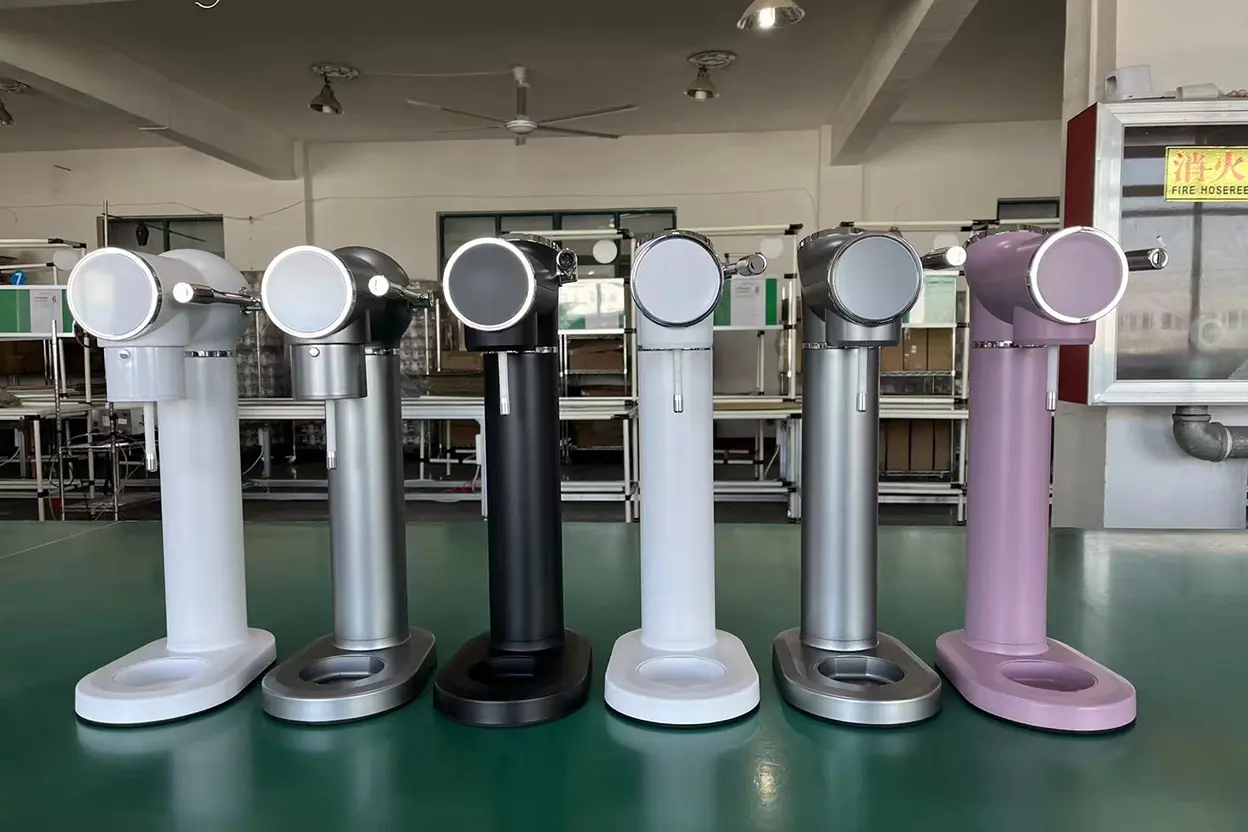
A water carbonator should be reviewed by its real structure, not only by product appearance. Buyers usually check the machine head, bottle locking area, CO2 inlet, pressure release path, carbonation tube, and bottle compatibility before confirming samples.
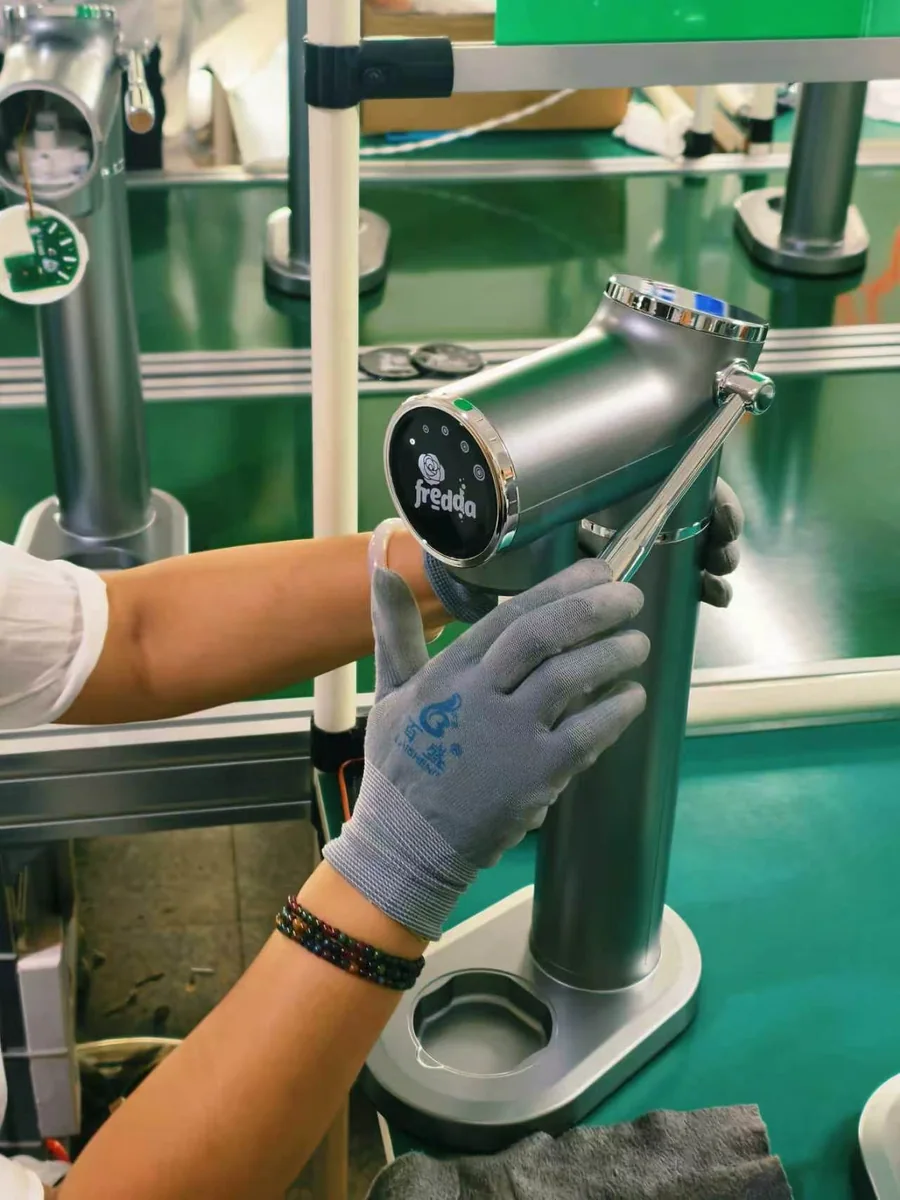
- Machine head assembly — the machine head area affects CO2 flow, operation feel, and bottle connection stability.
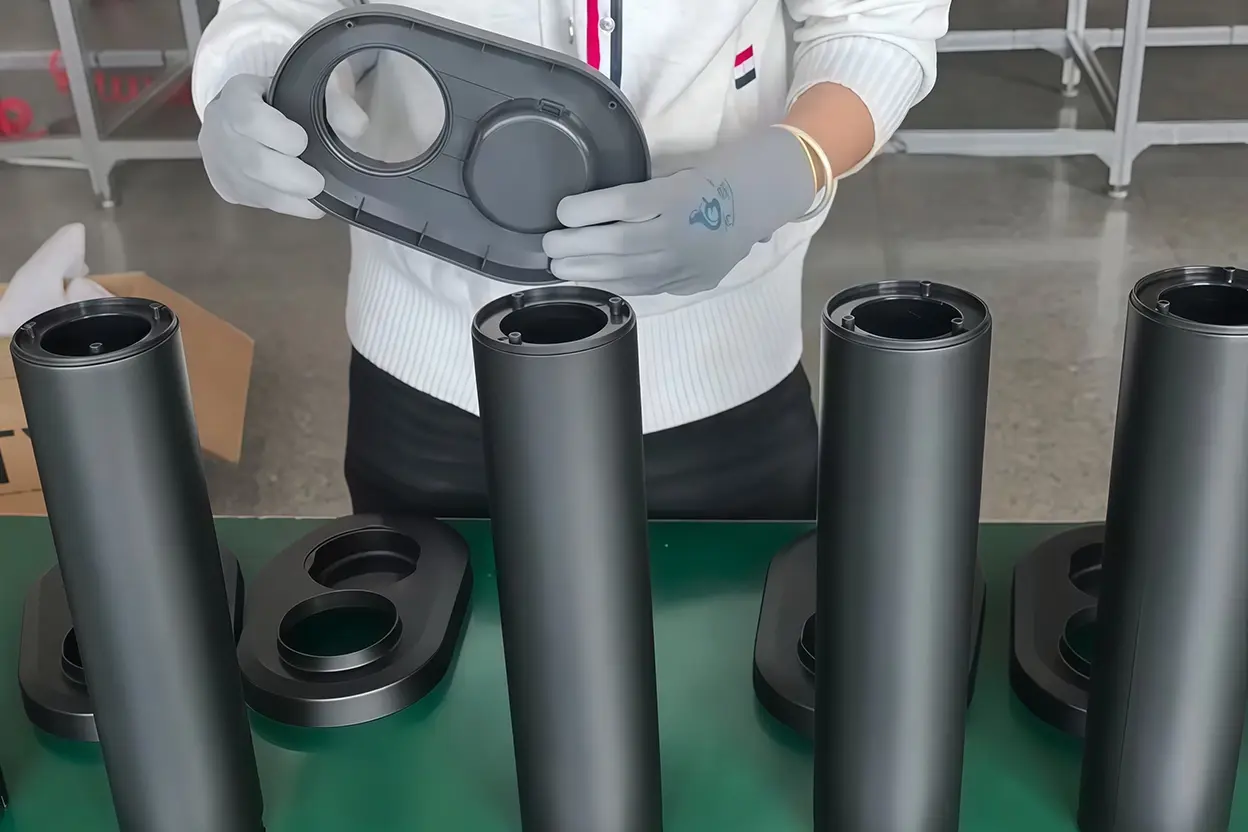
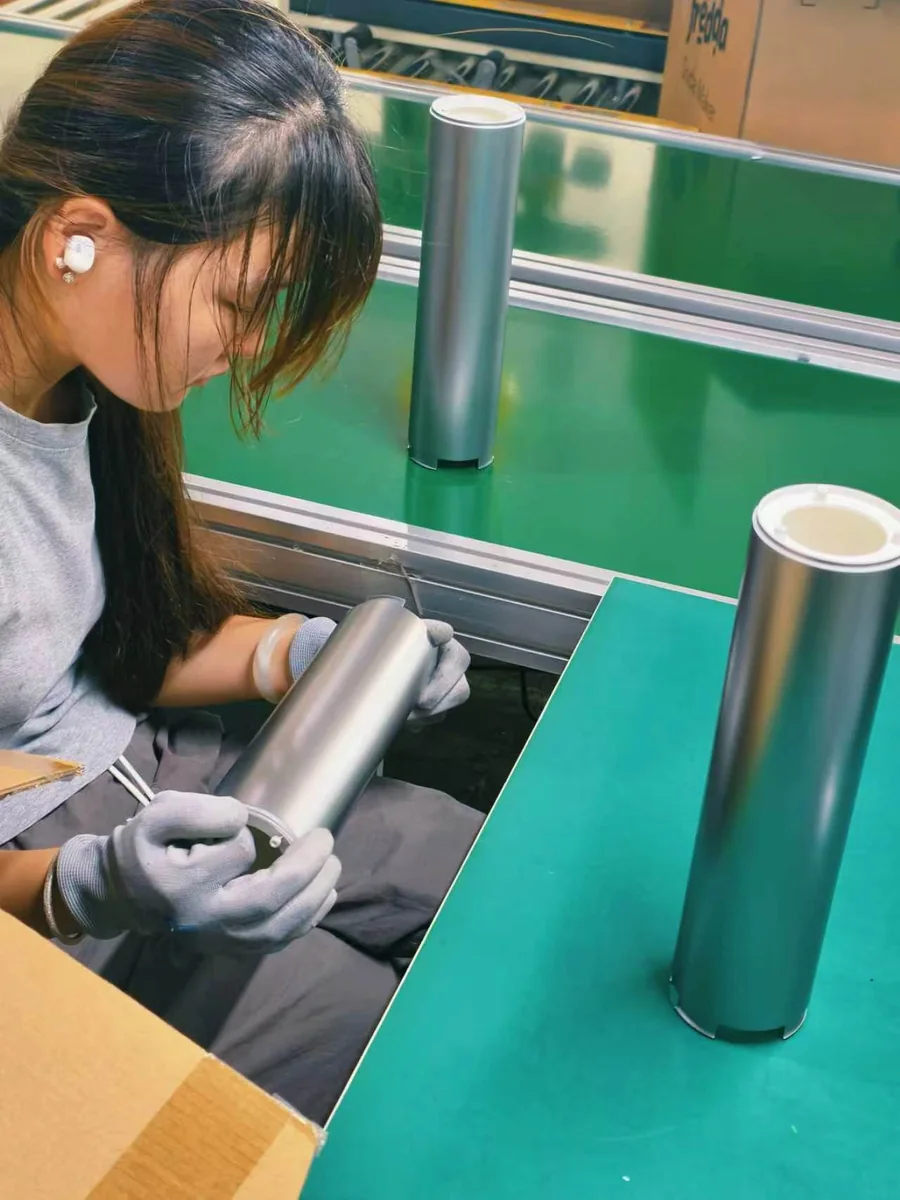
- Machine head production — component preparation should be reviewed before assembly and sample approval.
- CO2 cylinder compatibility — on this range the standard is one and the same across models: threaded, as set out in the compatibility section below.
- Carbonation operation — operation review helps buyers confirm user-facing function before packaging and manual approval.
Structure details should be checked during sample review before production scheduling.
Request Structure ReviewCarbonation Workflow
The standard operating procedure for the manual home carbonation system — six steps, identical in logic across the range:
Fill bottle
fill the bottle with drinking water up to the marked fill line.
Lock bottle
lock the bottle into the designated machine locking area securely.
Press control
press the carbonation control lever or button to initiate flow.
Inject CO2
CO2 enters the water directly through the carbonation tube.
Release pressure
the safety valve and pressure release manage excess pressure automatically.
Remove bottle
remove the bottle after the release process is fully completed.
Safety Valve and Pressure Release
In B2B purchasing, the reliability of the pressure management system is paramount, because it is the part of the product your brand carries liability for. Our water carbonator machines integrate a primary safety valve and a secondary pressure release path — dual safety valves are fitted on every model in the range, so pressure relief never depends on a single component. If internal pressure exceeds safe thresholds during carbonation, the system vents the gas automatically, preventing bottle rupture or machine damage.
Two disciplines sit behind that hardware. First, the valve assemblies are laboratory-tested at three times standard working pressure in the factory's own high-pressure burst-test laboratory, built in 2018, before a design enters production. Second, the release function is verified again on finished units as part of the testing protocol in the next sections. Strict pressure testing and an automatic exhaust mechanism are not options on this range; they are the platform.
Review our quality compliance standards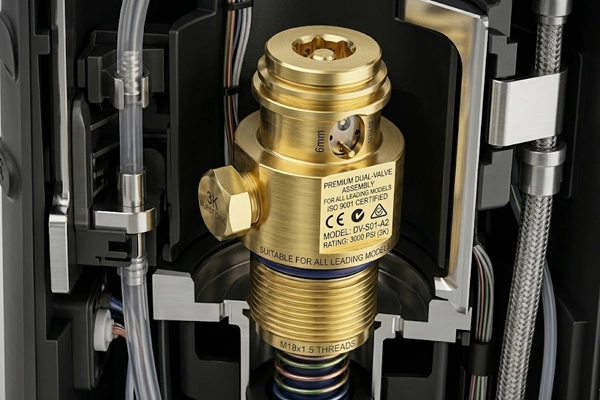
Bottle Connection and Compatibility
A secure seal is critical for efficient CO2 transfer. Our carbonation machines are built around the standard 1000 ml PET bottle, with the 500 ml bottle available across the range — both sizes BPA-free. Depending on the model, the bottle connects by a traditional thread structure or a quick snap-fit; either way the locking area is machined to hold the seal under full carbonation pressure, and every unit undergoes seal checks before packing.
Bottle compatibility is a specification decision, not an afterthought: bottle size and cap configuration decide carton dimensions, shipment weight, and the replacement-bottle program your channel will run for years. Confirm them at quotation stage, and they are checked again against the packed goods before release.
Pressure and Leak Testing Evidence
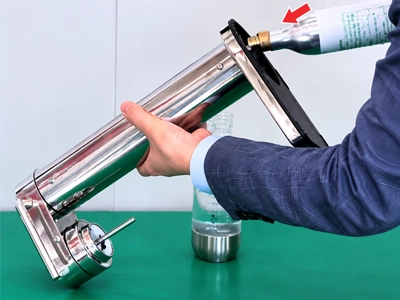
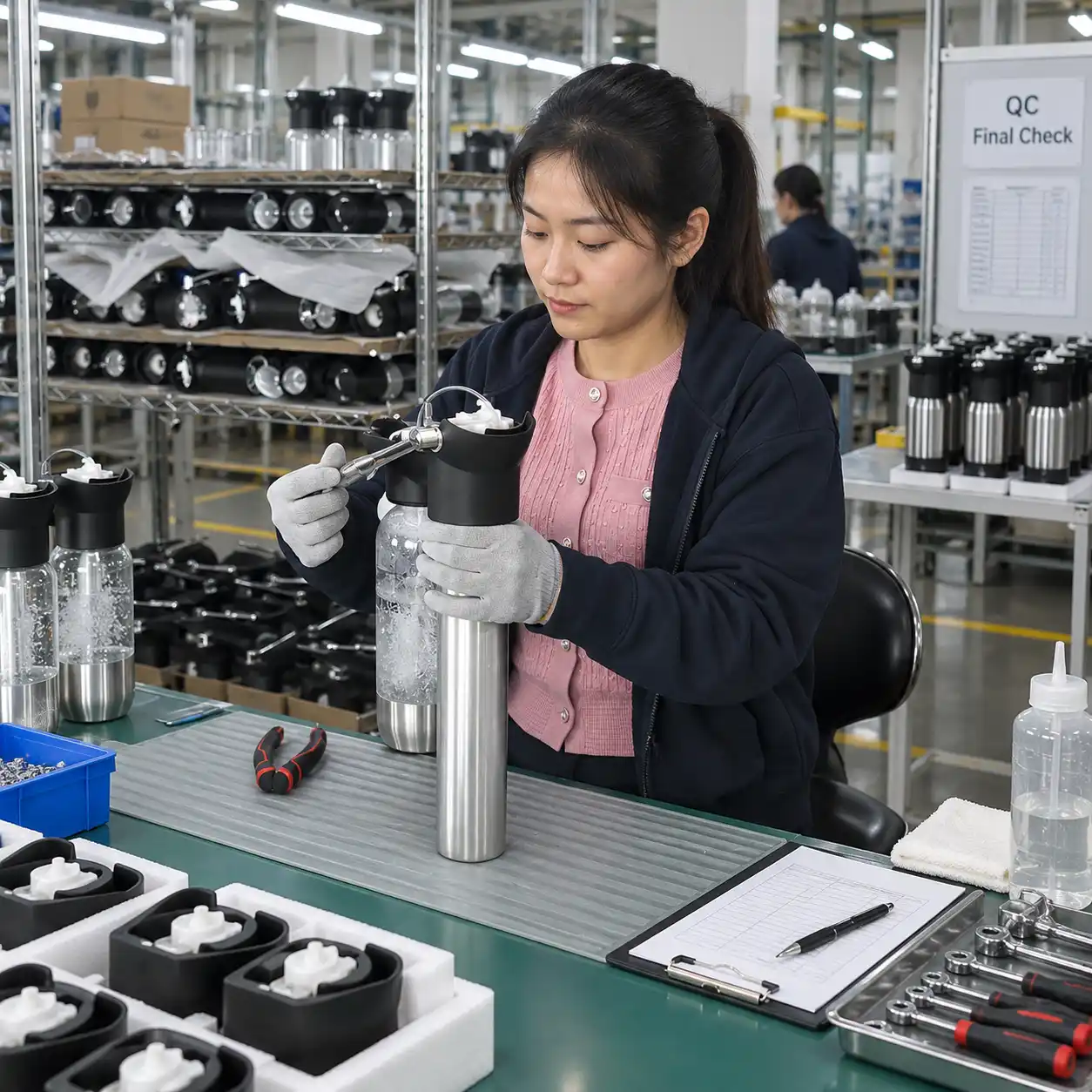
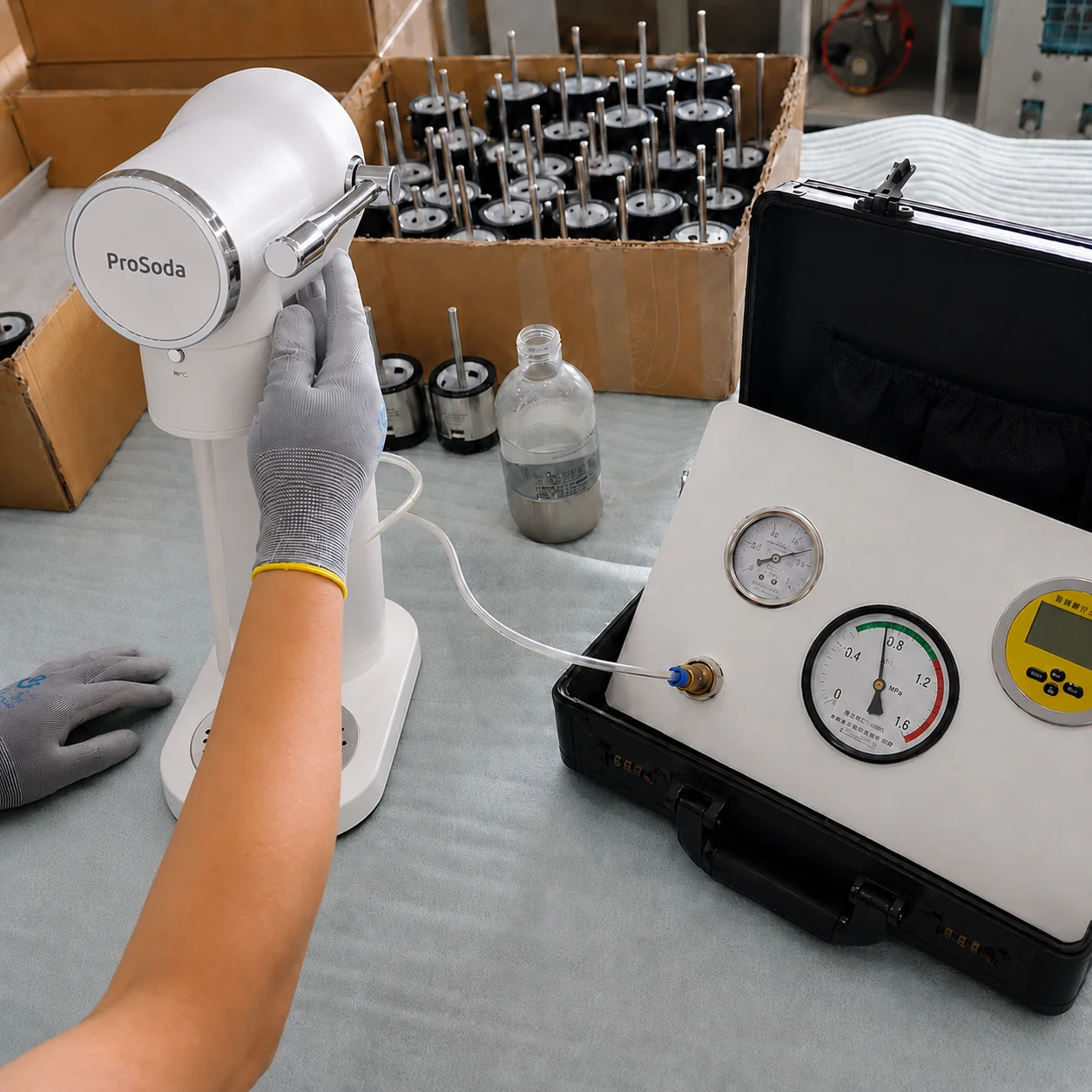
For water carbonators, buyers usually review pressure-related checks, wet leak testing, bottle locking, and final inspection before approving samples or bulk production. Our factory runs a four-stage inspection protocol — incoming material inspection, in-process checks, comprehensive testing, and final inspection — staffed by 4 dedicated QC inspectors, so verifiable records exist for every production batch.
The finished-unit gate is the part buyers ask about most: every unit passes a 100% wet leak test and a high-pressure gas check before packing — unit by unit, not sampled. Alongside it, batches are sampled for burst testing under the laboratory discipline described above, and cartons go through the factory's packaging drop-test routine, because a crushed retail box loses the sale the machine already won. The checks buyers review with us: pressure-related inspection · wet leak testing · bottle locking check · CO2 inlet review · final appearance check · sample confirmation before bulk order.
Bottle and Accessory Compatibility Proof
Bottle and accessory matching affects packaging size, user experience, after-sales planning, and market launch. For OEM water carbonator projects, confirm bottle type, capacity, cap configuration, cylinder compatibility, and the accessory pack before final quotation.
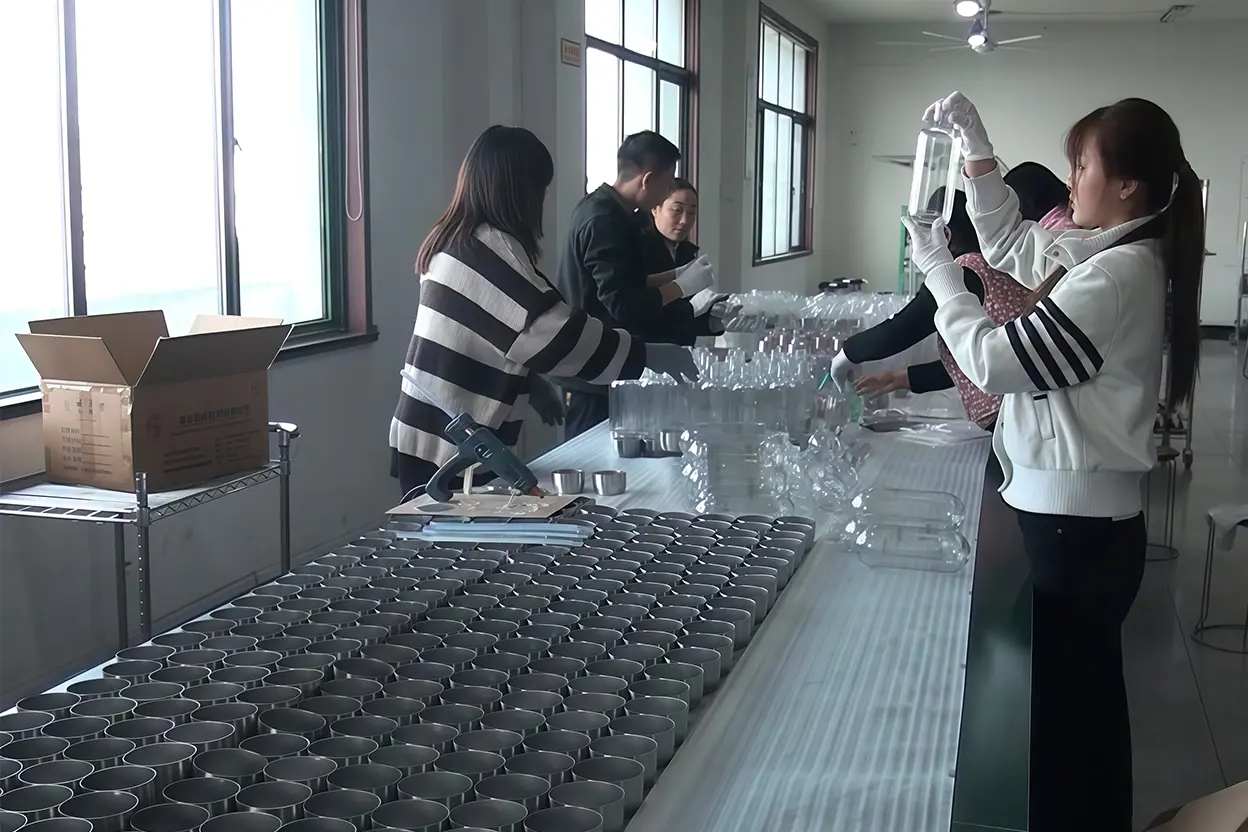
Bottle fitting review — bottle fit should be checked before confirming the bottle set and box structure.
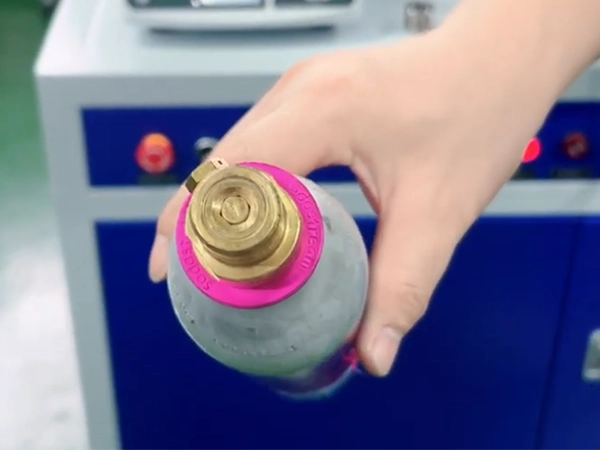
CO2 cylinder compatibility — the range uses one threaded standard, so the cylinder question is settled once for the whole program, below.
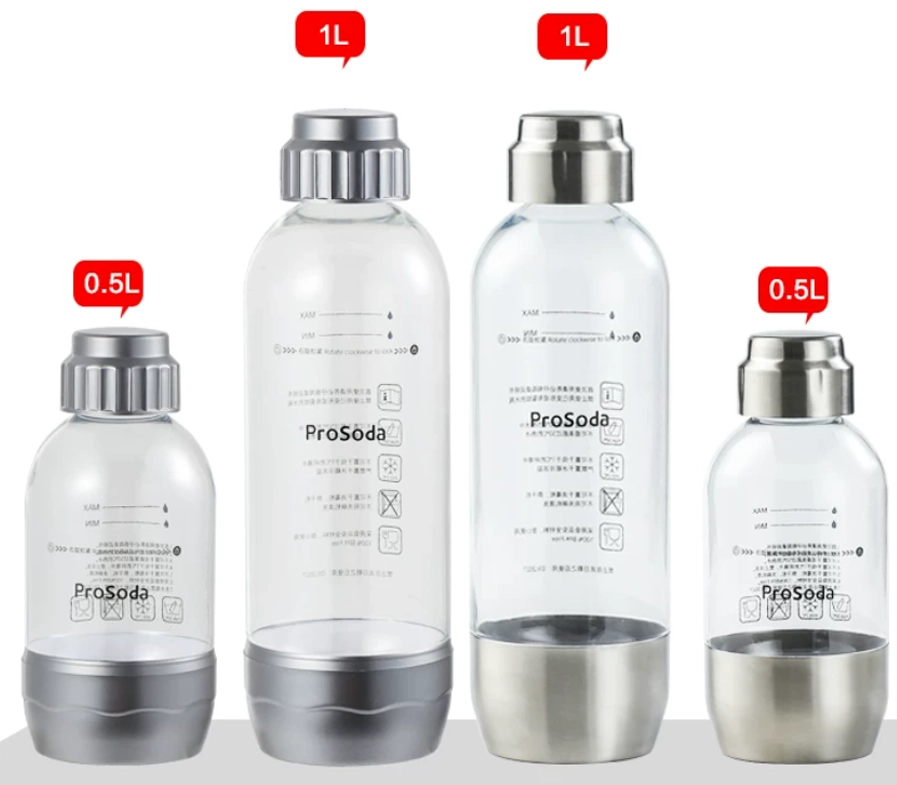
Soda maker bottles — bottle selection affects user experience, packaging, shipment weight, and replacement planning.
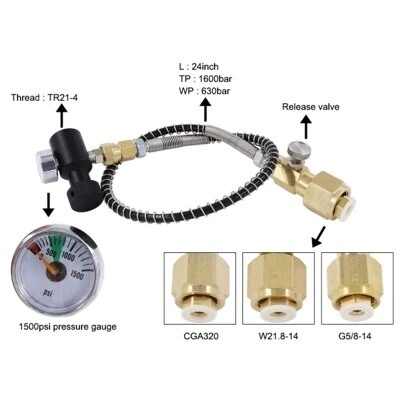
Carbonator accessories — accessory requirements should be confirmed before quotation and sample preparation.
The cylinder standard, stated once: every model in this range fits the threaded TR21-4 / M18×1.5 standard — the 425 g / 60 L screw-in cylinder used by threaded SodaStream-type systems and most refill and exchange networks. No model fits Quick Connect cylinders, and no adapter exists. If your market's cylinder shelf is threaded, the whole range is open to you; if it is built around Quick Connect, talk to us before sampling rather than after. The CO2 cylinder compatibility guide works through the two standards in full, and empty cylinders for bundle and refill-pool programs are supplied through our empty CO2 cylinder supply line. We manufacture the machine hardware and supply the bottles and empty cylinders; we do not provide local CO2 refill services.
Choose the Water Carbonator Platform Before You Quote
For B2B sourcing, the fastest way to control cost, lead time, and market positioning is to begin with an existing proven model. The four platforms below are the usual starting points on this page; each links to its own product detail page instead of sending you straight into an inquiry form.
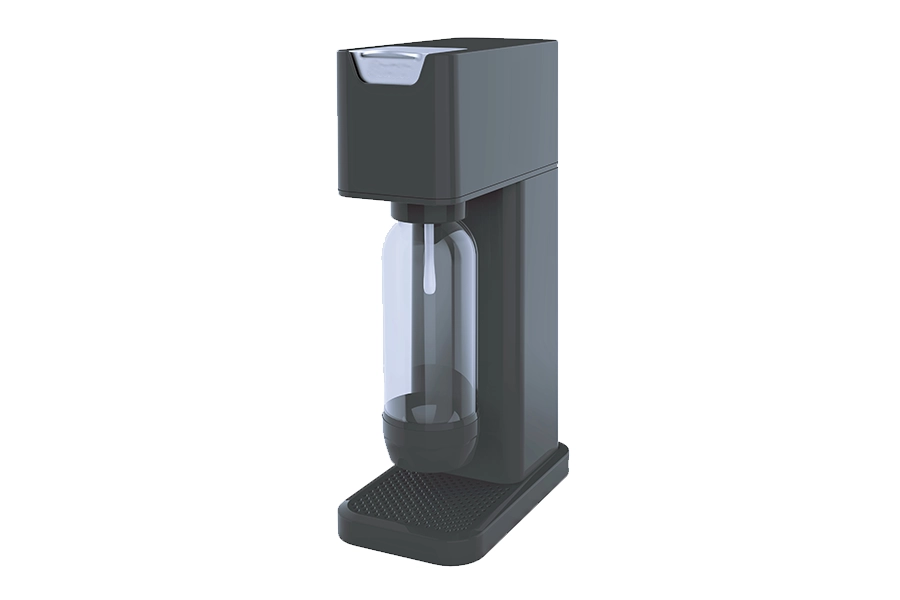
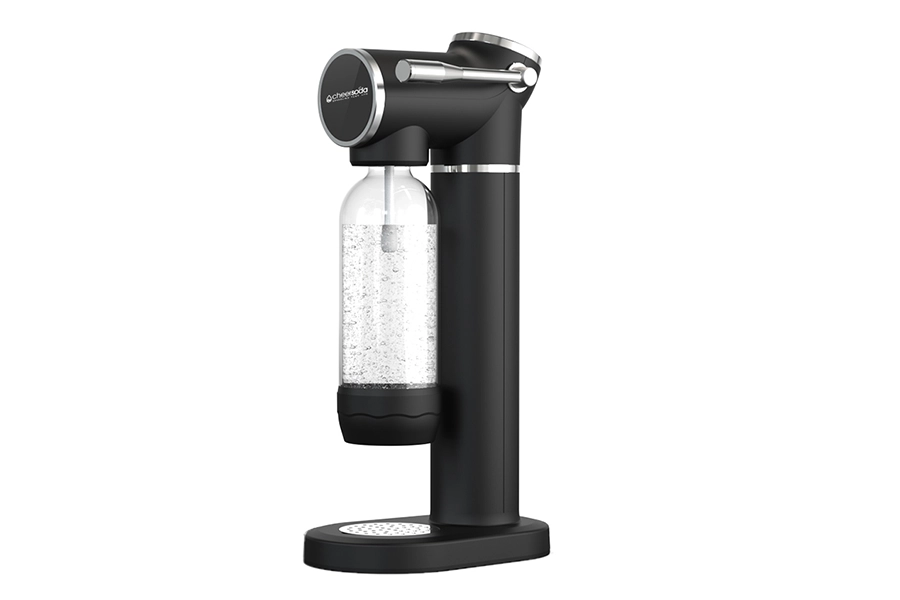
G720 — the lever volume platform
The G720 soda maker is a plastic-bodied lever machine: one handle runs both carbonation and pressure release, with electroplated trim options for shelf differentiation. The standard G720 is fully mechanical — no battery, no electronics. Dual safety valves. It is the model our Brazilian distributor built repeat volume on, alongside the G15.
View G720 Model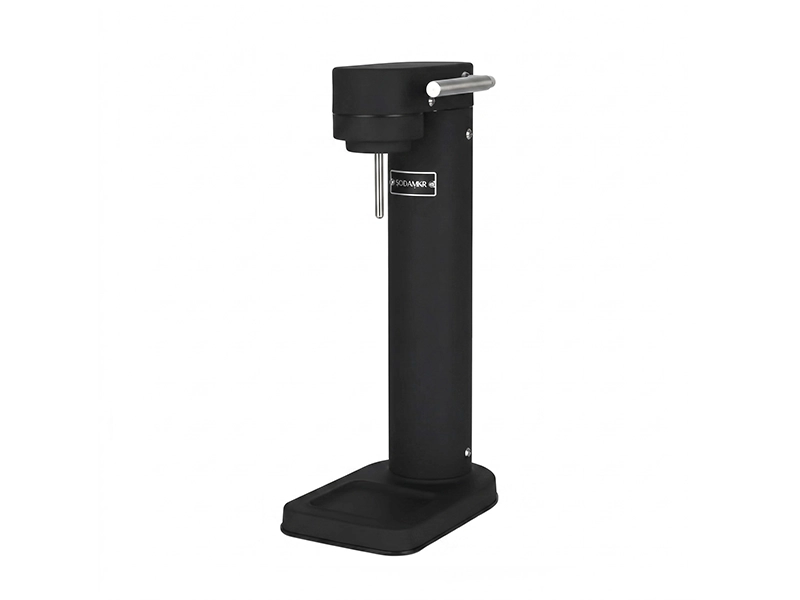
G15 — the stainless premium platform
The G15 stainless steel soda maker is a full 304 stainless steel machine with a CNC brass valve and a removable 304 stainless carbonating nozzle that unscrews for washing. Carbonation is pressure-controlled: at target pressure the machine signals, the valve closes automatically, and excess pressure releases automatically. The standard set is the machine plus a 1 L PET bottle. It is the platform our German online-brand buyer scaled for a premium private-label line.
View G15 Model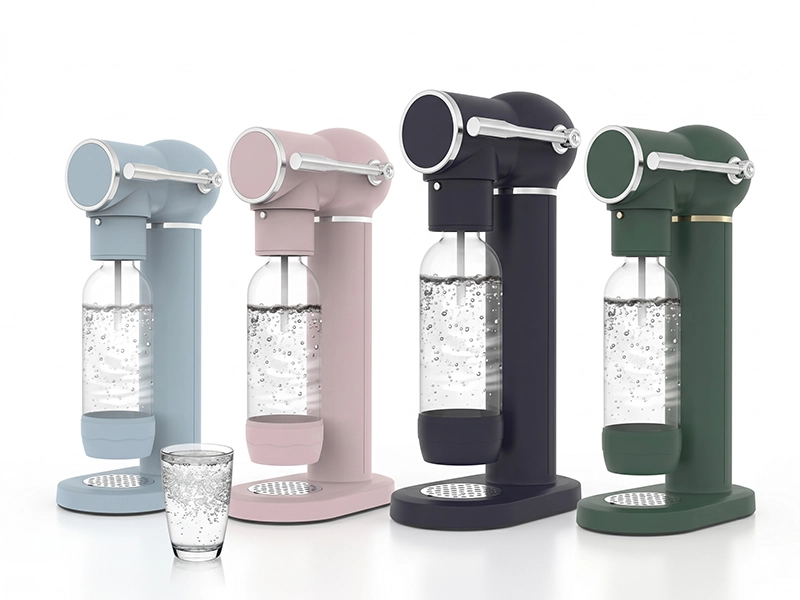
G830 — lever action, washable detachable head
The G830 soda maker pairs lever carbonation with a detachable machine head that is designed to be washed, not just removed — the hygiene-led option in the plastic range, with dual safety valves.
View G830 Model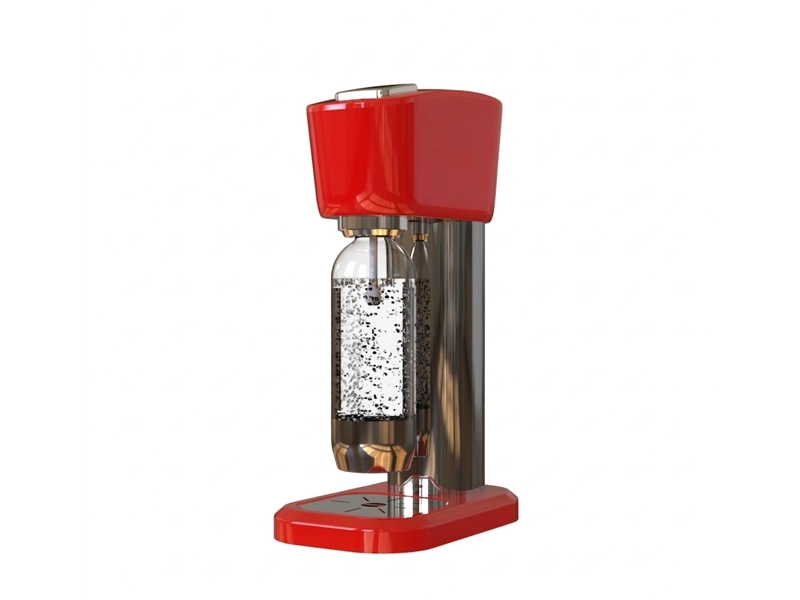
X1 — the design-led stainless platform
The X1 soda maker is a stainless steel manual model with a chrome button, automatic pressure release, and white, red and black finishes — a metal machine for brands adding stainless to the range on shelf presence rather than engineering specification. The standard set is the machine plus a 1000 ml PET bottle with stainless base and cap.
View X1 ModelThe rest of the range sits one click away: the top-press G3 with its LED carbonation indicator, the clean top-press G9, the top-press G8 with a detachable carbonating head, and the G15 Pro for projects that also carbonate juice. The full line is indexed on the soda maker models page.
Buyer Scenarios: Who Starts Where
EU private-label brand
A German online brand built its premium line on the G15: stainless body, pressure-controlled carbonation, own-brand color box and manual. The route from sample to branded production is documented in our case studies — the same route is open to any EU brand whose cylinder shelf is threaded.
Retail chain own-label
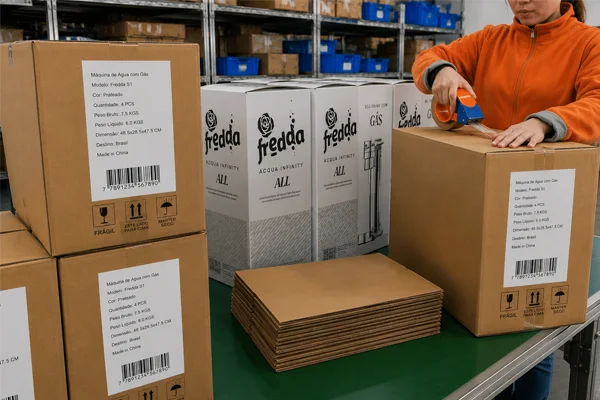
A supermarket or retail chain program runs on volume platforms — the G720 or the top-press models — with the chain's artwork, barcode and carton plan fixed before quotation. Packing is planned around the chain's shelf and pallet logic, not ours. The dedicated route is set out on the supermarket private label page.
Distributor building a cylinder circuit
A distributor's profit sits in the refill and exchange pool as much as in the machine. Our Brazilian distributor built repeat volume of roughly 2,000 units a year on the G720 and G15 together, on the shared threaded standard — one cylinder pool serves every machine it sells.
Promotional and beverage-adjacent brands
A brand validating the category starts with a trial order on an existing model before the 300-unit branded run. If the promotion extends to juice or mixed drinks, the machine choice changes with it — those projects belong on the beverage models in the boundary section below, not on a water-only platform.
Manual Water Carbonator vs Electric Carbonator — and the Soda Maker Question
Buyers meet three labels in this category, and they are not three versions of one decision.
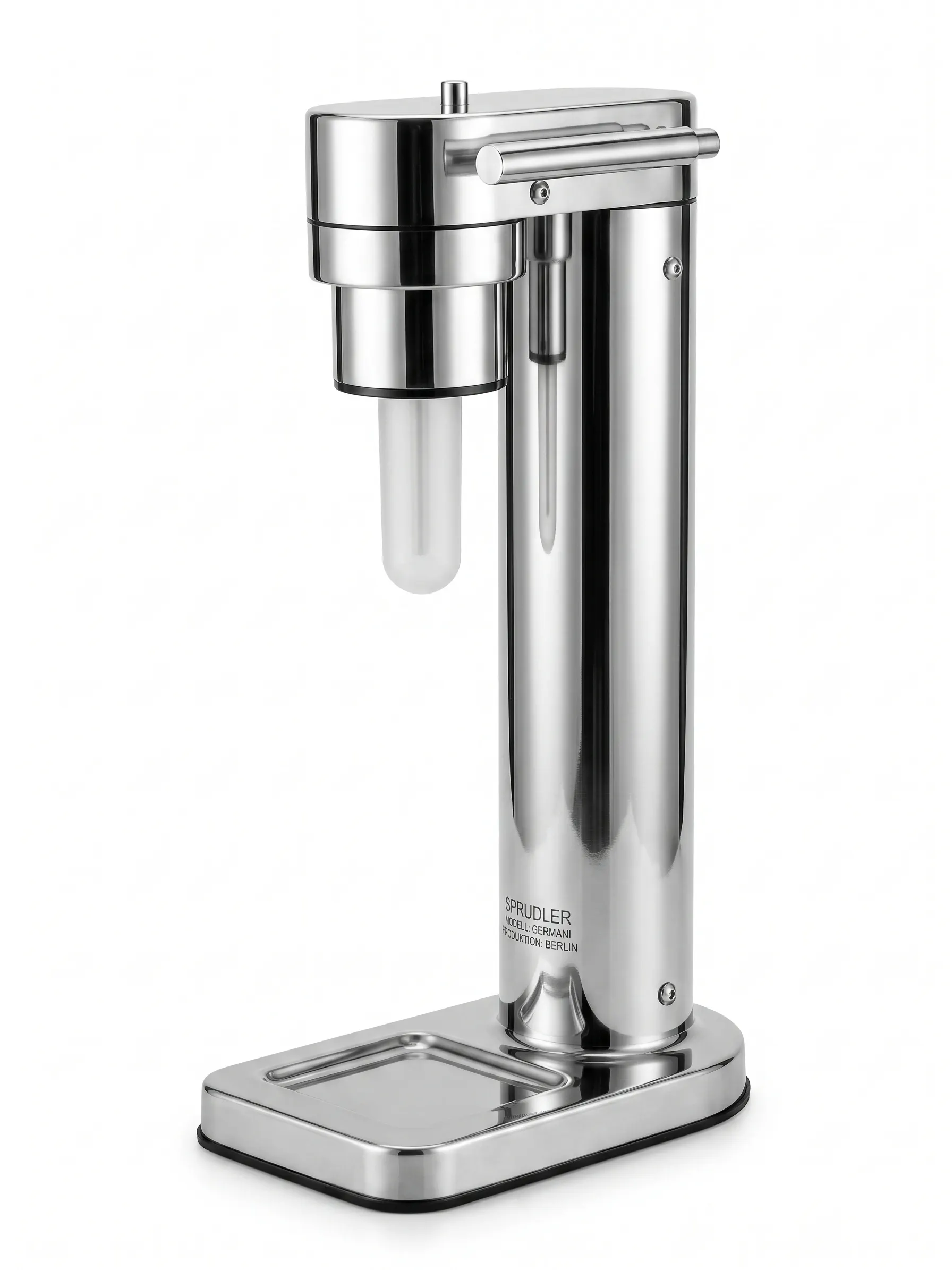
Manual water carbonator (this range). Carbonation energy comes from the cylinder itself; the machine is a pressure-management device — valve, safety path, bottle lock. No motor, no pump, no power supply, which removes electrical certification from your import file entirely and leaves nothing electrical to fail in the field. Every unit is hand-operated, at home-counter scale.
Electric carbonator. Countertop electric models add a pump or powered valve, chilling or powered controls on some designs. That brings a power supply, electrical safety certification for your market, and a service question a manual platform never asks. Electric has its place in powered-countertop positioning; it is a different import file and a different after-sales model, not a stronger version of the same machine.
"Soda maker". In B2B sourcing, "water carbonator", "carbonation machine" and "soda maker" usually describe the same home carbonation system. This page is kept for buyers who care most about the carbonation structure — CO2 valve interface, bottle locking, pressure release, and safety testing — while the sparkling water maker page covers the same equipment from the brand and product-line side. The manual vs electric soda maker guide works through the platform decision in full, and how a soda machine works explains the pressure path step by step.
| Manual water carbonator (this range) | Electric carbonator | |
|---|---|---|
| Carbonation energy | CO2 cylinder pressure | Mains power + CO2 cylinder |
| Power supply | None | Required |
| Electrical certification in import file | None | Required for the target market |
| Pressure safety | Dual safety valves, automatic release path | Model-specific electronic/mechanical controls |
| Moving service parts | Valve, seals, bottle lock | Pump/valve, electronics, seals |
| Cylinder standard | Threaded TR21-4 / M18×1.5 | Model-specific — confirm before sourcing |
Water Only vs Beverage Carbonation Boundary
Most standard water carbonators are designed for drinking water carbonation, and this page stays on that side of the line deliberately: water is what the bottle lock, tube geometry, and cleaning design of a standard platform are built for.
Drinking water only — water carbonator.
Designed mainly for drinking water; standard manual home carbonation system; model, bottle, and cylinder compatibility review; suitable for private label sparkling water product lines. (Current page category.)
Any beverage — carbonated drink maker.
For selected beverage carbonation projects — juice, tea, wine, or mixed drinks — the project should be reviewed under carbonated drink maker models with suitable structure and cleaning design: a removable head and a juice/pure-water mode switch, as on the G15 Pro, because sugared drinks clog and soil a water-only head. Carbonating beverages on a water-only platform is the most common avoidable mistake in this category.
OEM / Private Label Options
Complete customization support to align the carbonation machine with your brand identity — the eight items a private-label water carbonator project is specified against:
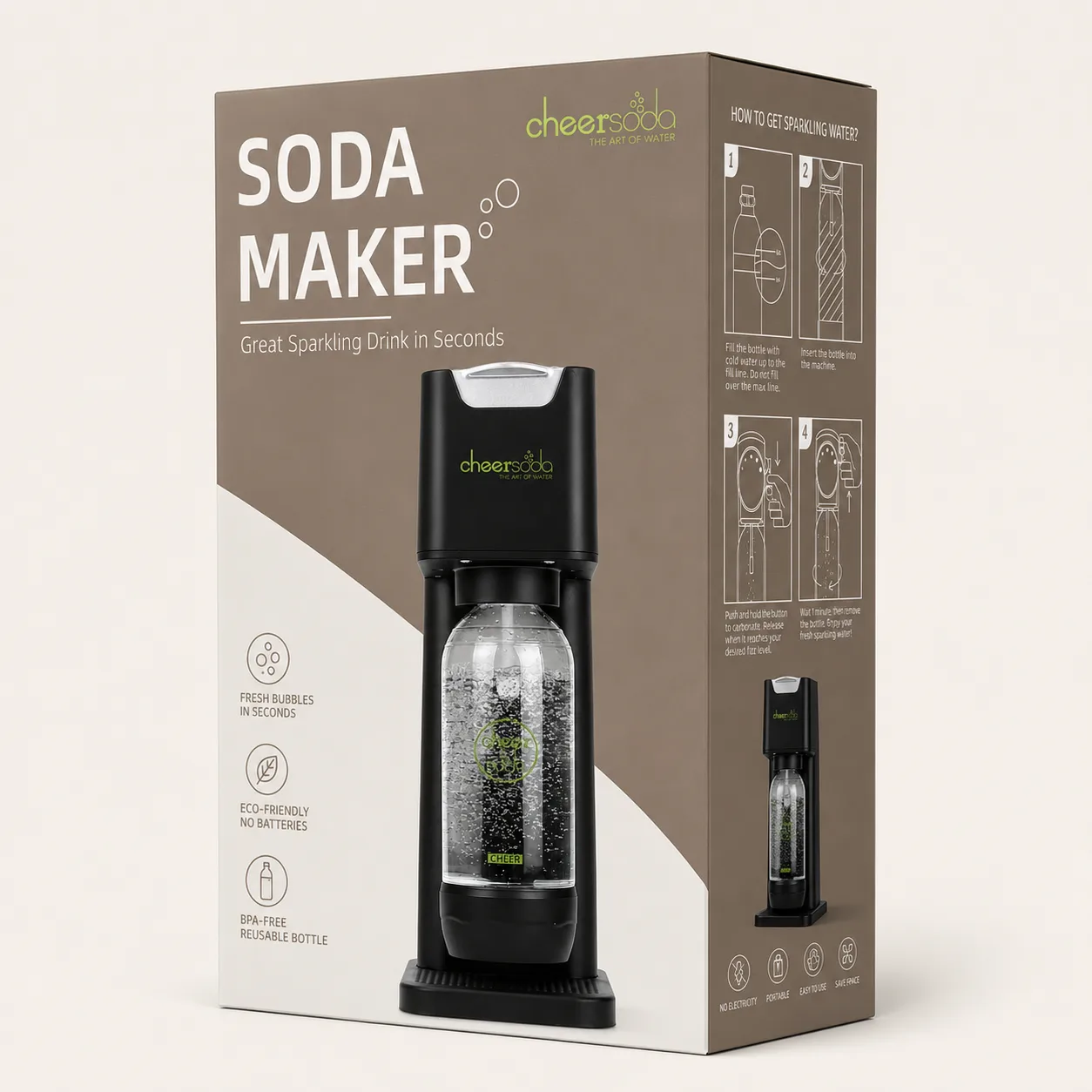
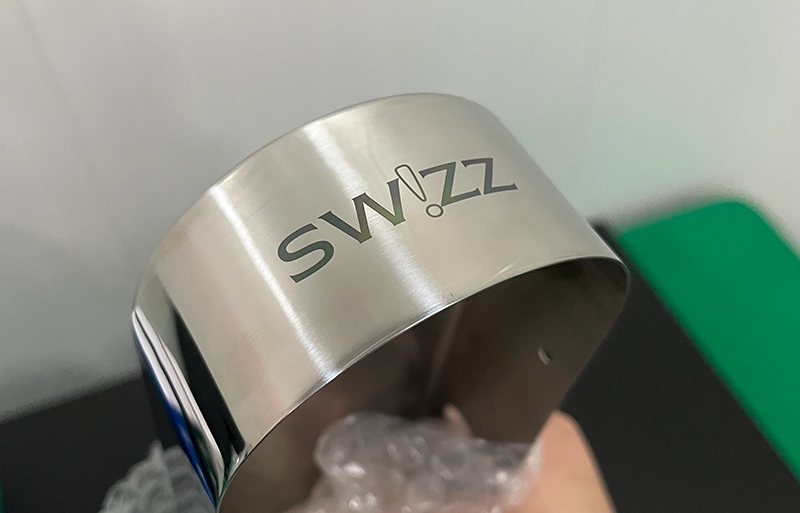
Three disciplines behind the list. Custom color boxes print from 300 units; if your first machine order is a trial below that, the boxes are still printed at 300 and the surplus is stored at the factory for your repeat order. Manuals are produced in your market's language, and the artwork files are confirmed before sampling, because artwork — not production — is what most often delays a first order. Exclusivity is available per model and per market, confirmed case by case; it is never a blanket country claim. The full program, scope, and process are on the private label soda maker page, and buyers planning the manufacturing route itself should read the OEM soda maker manufacturer page before sampling.
Packing and Logistics
Reference packing data for planning (color box = retail box; container loading excludes CO2 cylinders):
| Model | Color box (cm) | Units / carton | Outer carton (cm) | Carton GW / NW (kg) | 20GP | 40GP | 40HQ |
|---|---|---|---|---|---|---|---|
| G15 / G15 Pro | 27 × 17.5 × 44 | 4 | 56 × 38 × 48 | 10.9 / 9.6 | 960 | 1,920 | 2,400 |
| G720 | — | 6 | 65 × 49 × 49 | ≈12 / — | 1,000 | 2,028 | 2,460 |
| G3 / G9 | 27 × 15.5 × 45 | 6 | 57 × 49 × 48 | 12.3 / 10.8 | 1,056 | 2,208 | 2,760 |
| G8 | 23.5 × 21 × 45.5 | 6 | 65 × 49 × 48 | 12.8 / 11.3 | 1,026 | 2,088 | 2,520 |
| X1 | 29 × 19.5 × 46.5 | 5 | 60 × 50 × 50 | 13.8 / 12.5 | 840 | 1,680 | 2,100 |
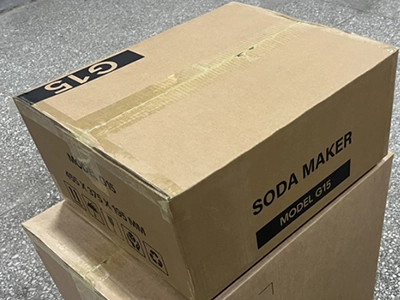
G830 packing is confirmed per order configuration at quotation. The worked example: 500 G720 units pack as 84 cartons at about 13.2 CBM — a part-load inside a 20GP, which is why first orders often pair machine volume with bottles and cylinders to use the container properly. The container loading guide works through the arithmetic for mixed loads.
Customs references for your forwarder: HS 8422309090 for the machines, 3923300000 for PET bottles, 7323.93.00.00 for stainless steel bottles and 7613009000 for empty cylinders, which travel declared 100% EMPTY. Shipments run on EXW, FCA, FOB or DDP terms agreed per order; commercial terms are the same across the range — T/T only, 30% deposit, balance before shipment.
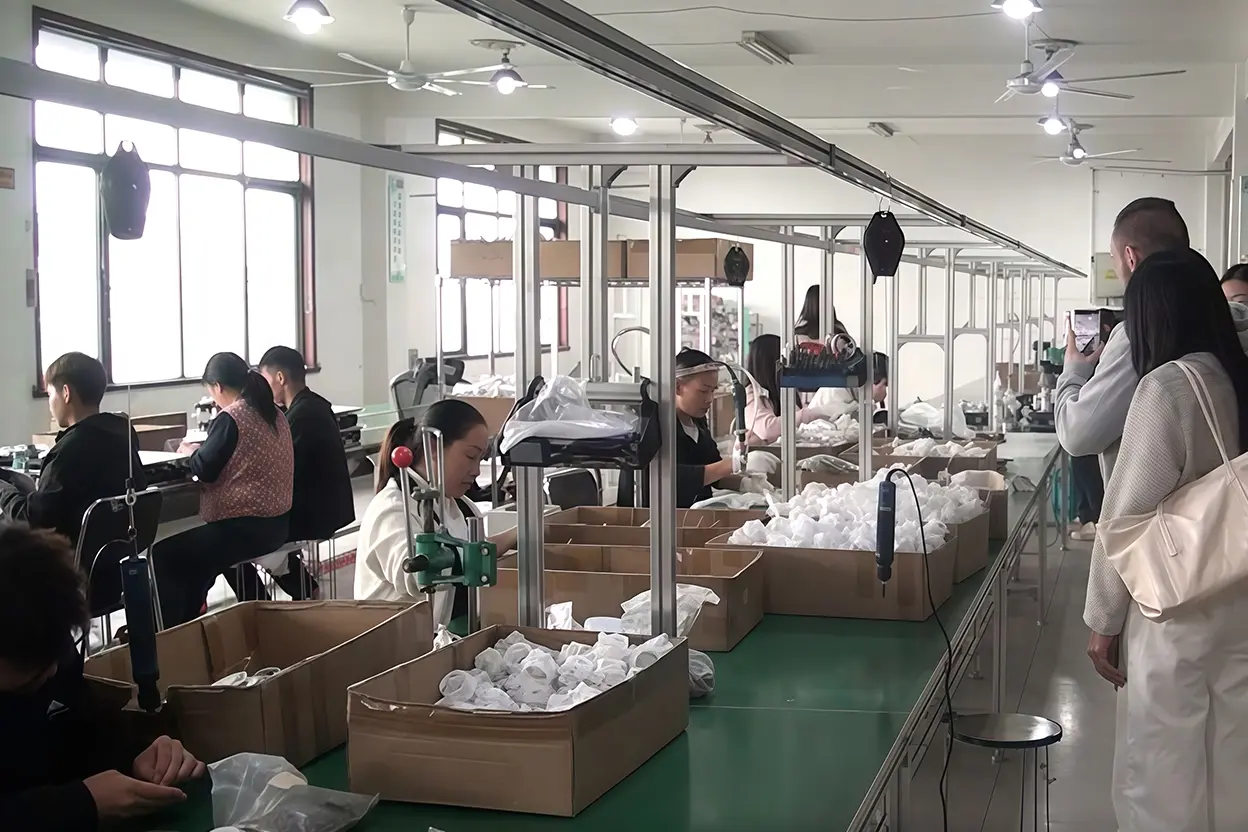
Manufacturing Flow
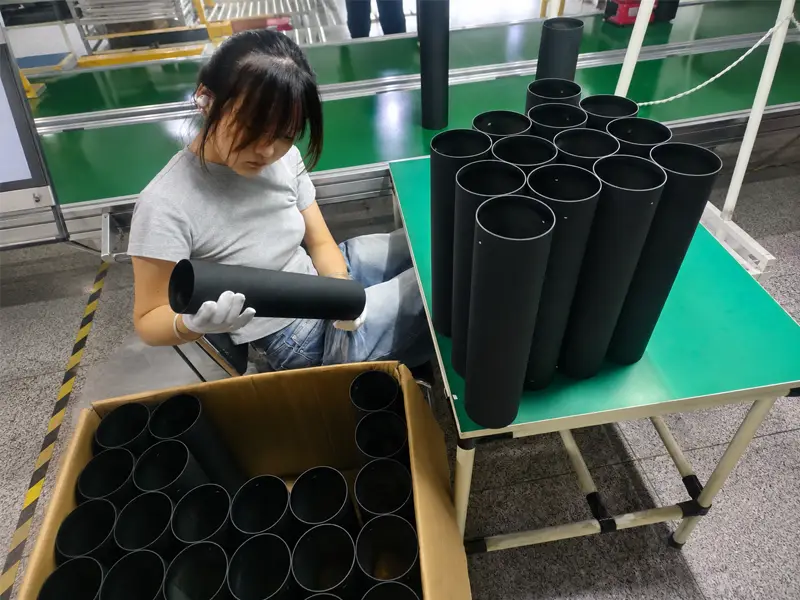
The route every water carbonator on this page follows, from raw material to packed carton:
Incoming material
strict inspection of raw materials before line entry.
Valve component
precision check of safety valves and pressure parts.
Injection molding
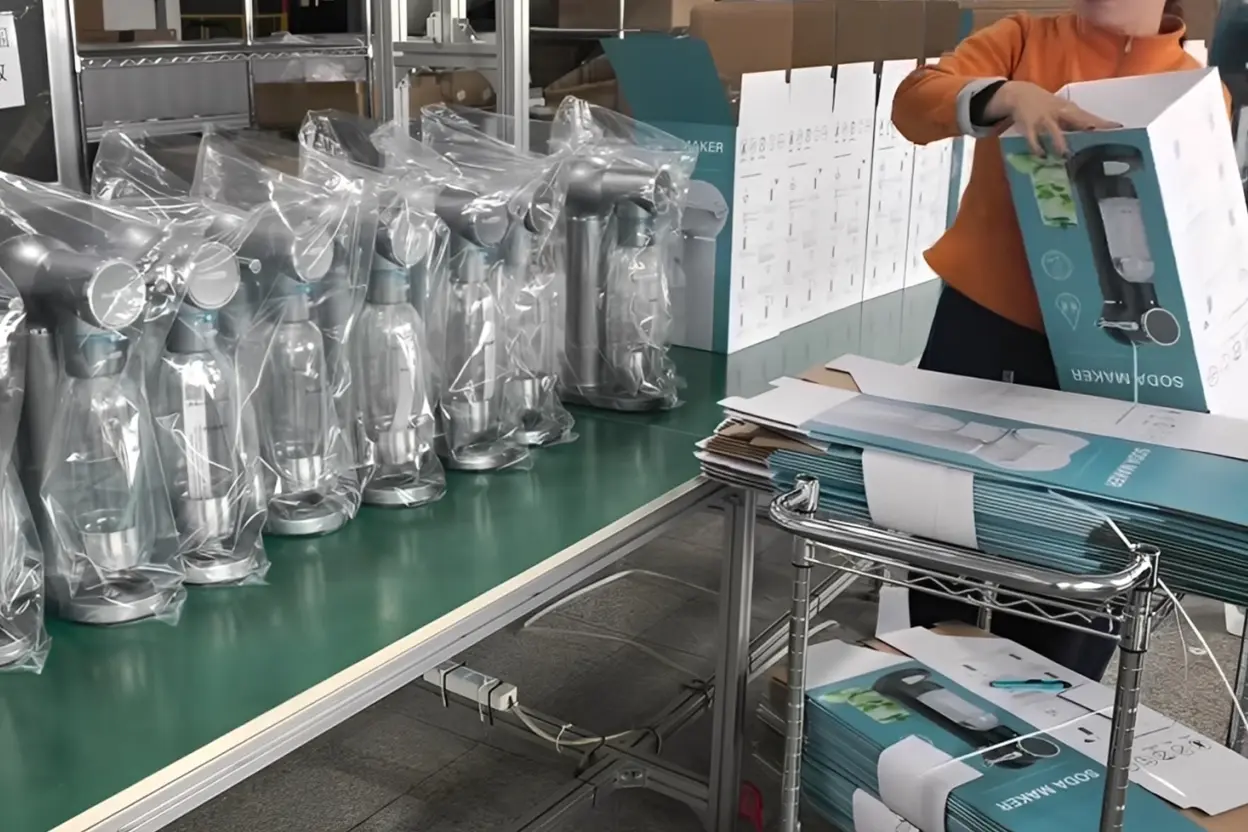
shell preparation and structural molding, on the factory's six injection machines.
Assembly
standardized assembly of the carbonation machine.
Bottle locking check
verification of thread and snap-fit stability.
Wet leak test
wet leak testing to identify any seal failures.
Pressure test
pressure-related test for the release mechanism.
Final inspection
appearance and functional review before packing.
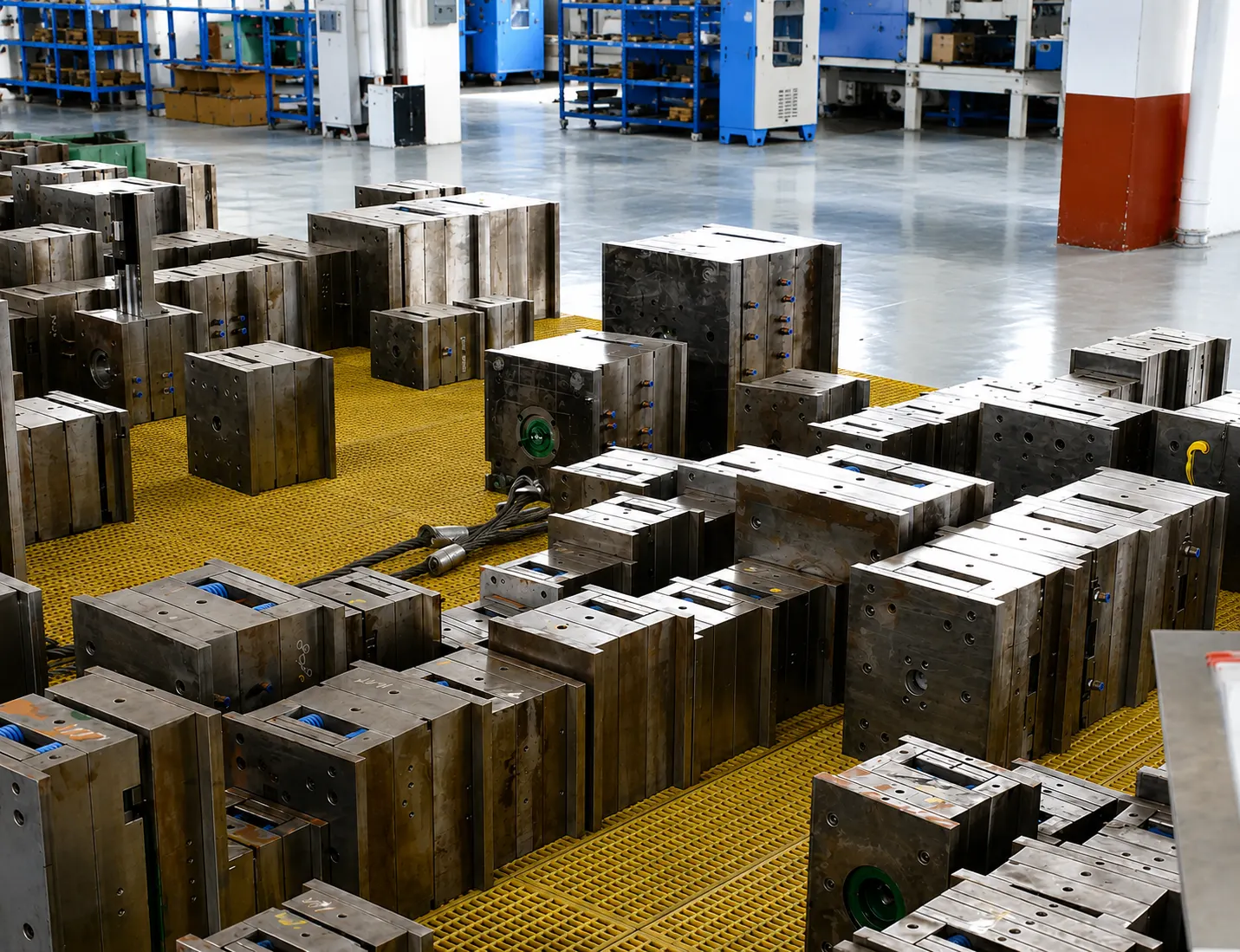
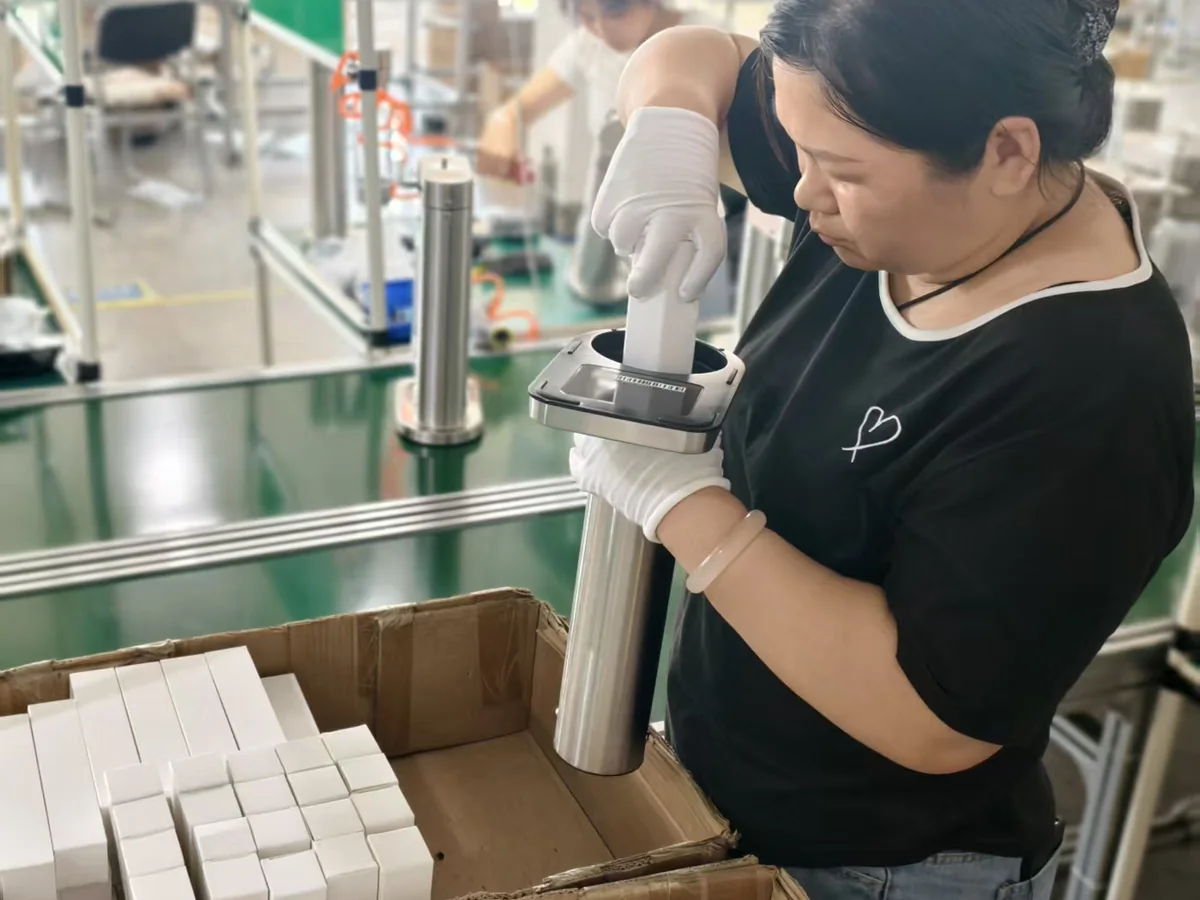
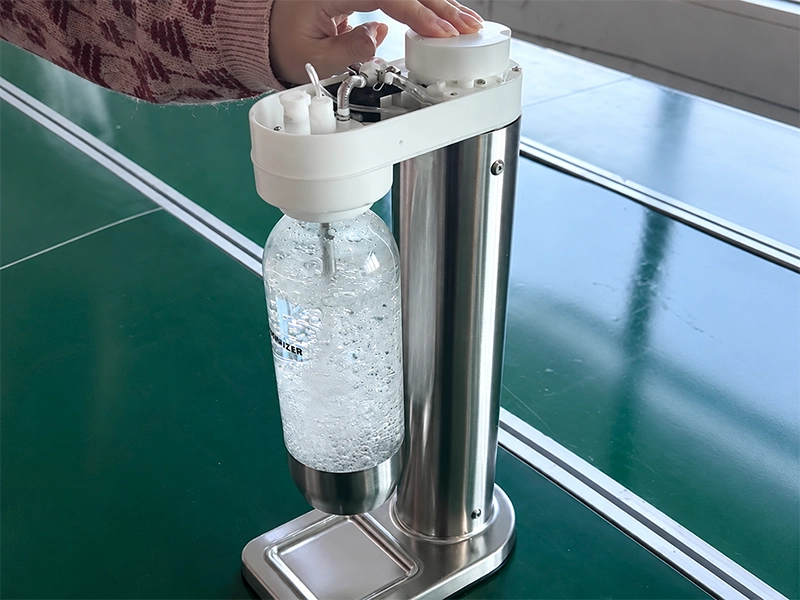
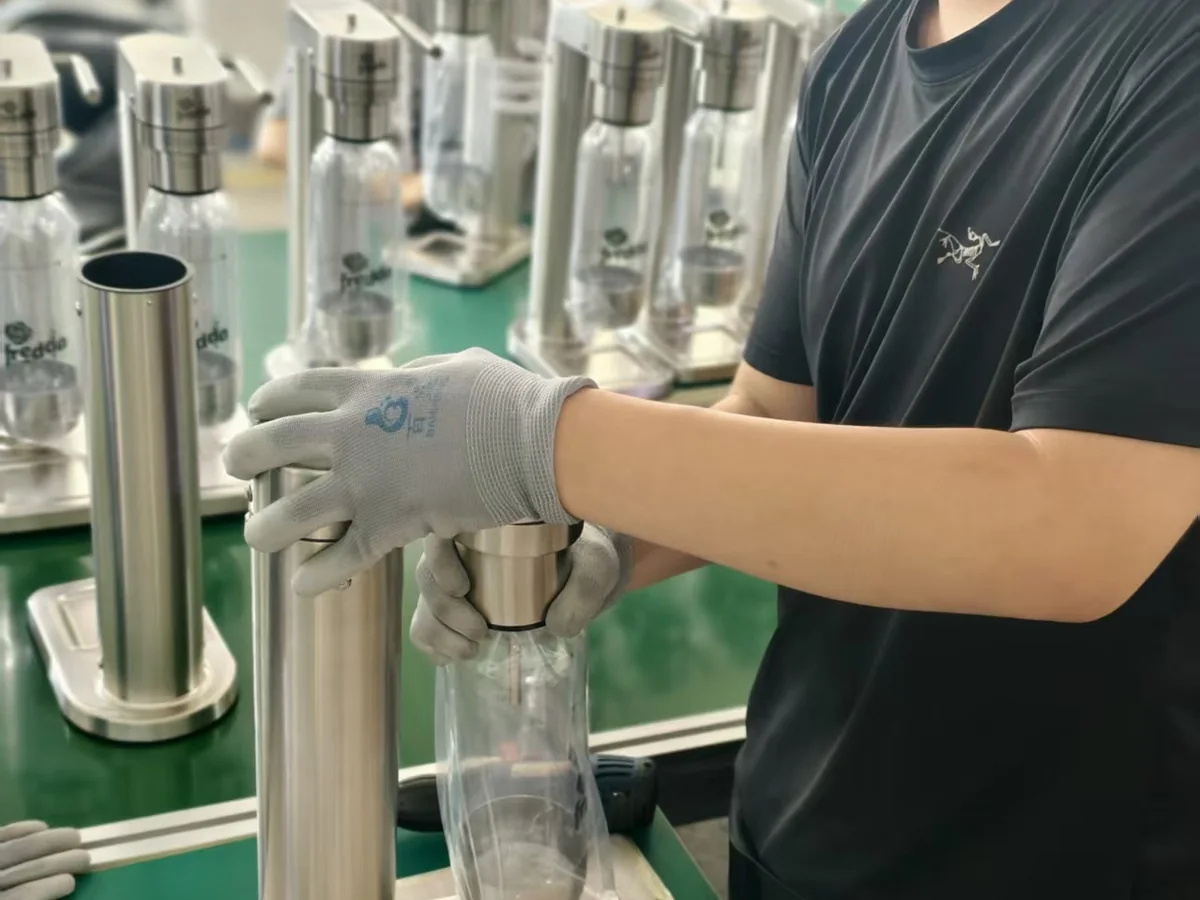
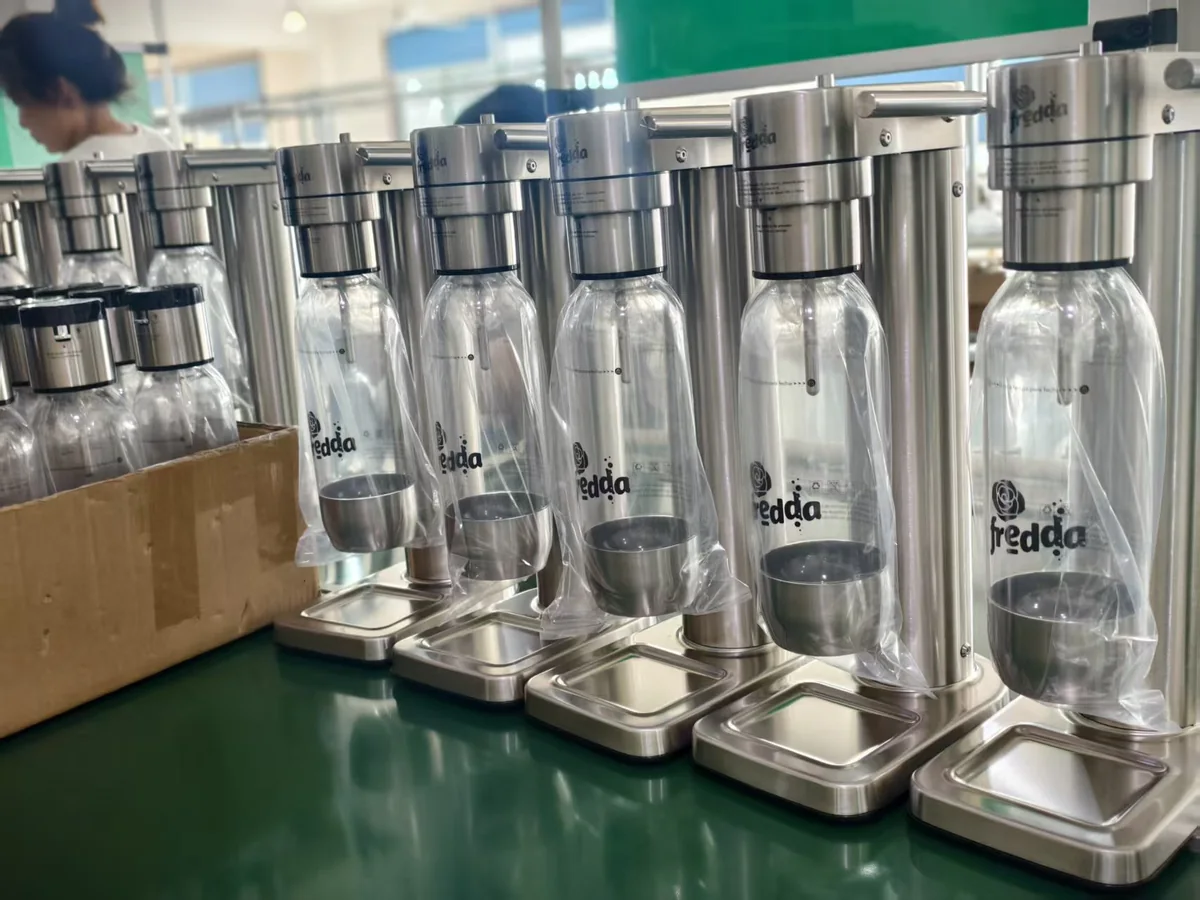
The full capability picture is on the manufacturing page.
Water Carbonator Structure and Testing Video
Watch our factory processes including assembly, bottle locking verification, pressure release functionality, wet leak testing, and final packaging review.
Comprehensive quality testing — wet leak testing checks valve and connection seals on every unit · pressure release test validates the automatic exhaust safety function · bottle locking test confirms structural integrity under operational pressure · carbonation tube inspection checks flow and tube durability · appearance inspection verifies surface finish and logo placement · packaging drop/fit review ensures safe transit for bulk export shipments.
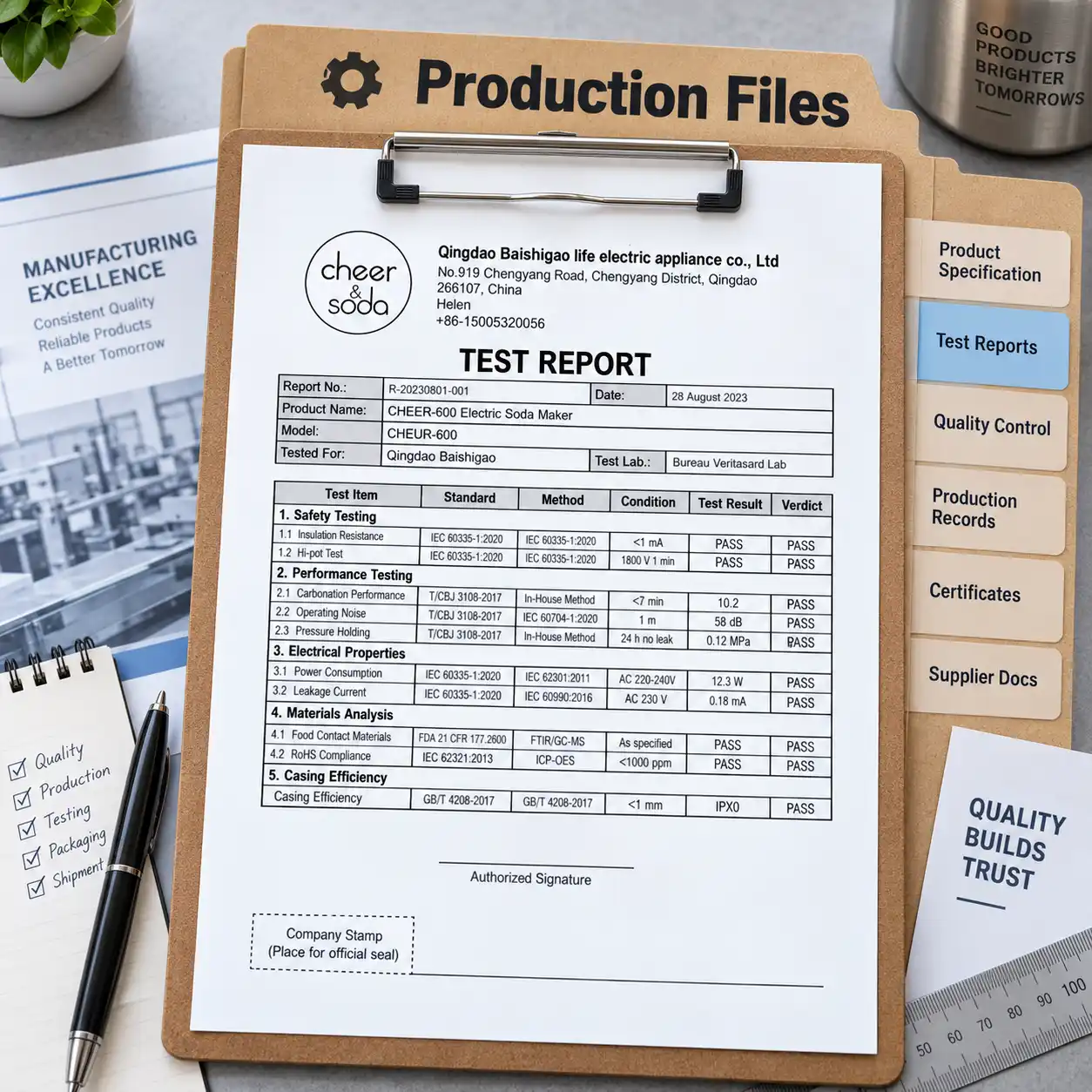
Compliance and Export Document Proof
For water carbonator OEM projects, document review should match the selected model, bottle material, packaging wording, and destination market. Buyers should confirm available files before adding compliance claims to packaging or product listings.
The standing position: FDA, LFGB, CE and RoHS coverage applies across the product range. The food-contact materials of the machines — silicone seals, PET, PA11, POM and ABS components, aluminium and stainless steel — have been tested to LFGB, EU FCM and US FDA 21 CFR food-contact standards, with dedicated reports for the G15 and G15 Pro; RoHS conformity is documented across the model range, and whole-machine certificates are held at the factory for project review. The factory itself is ISO 9001:2015 certified — the product documents and the factory certification are separate things, and we keep them separate in every file we send you.
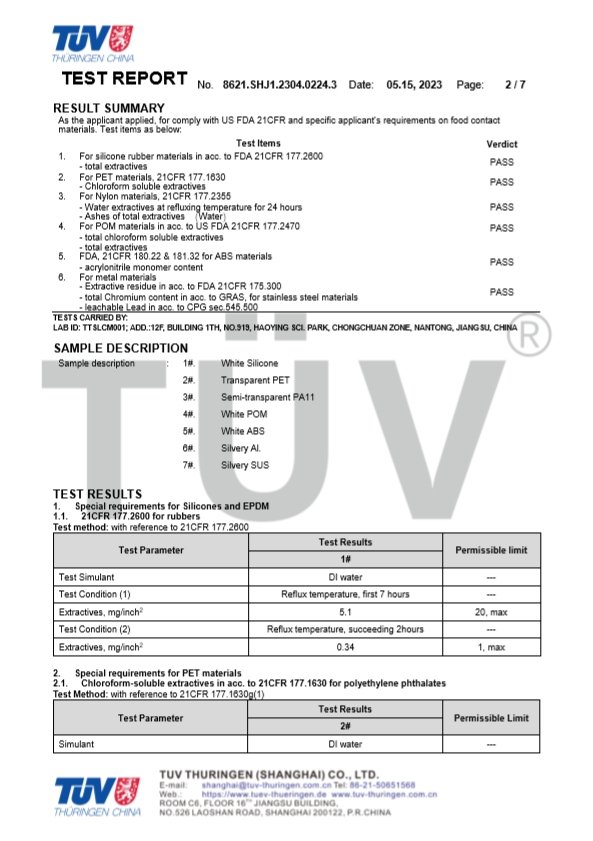
FDA related document
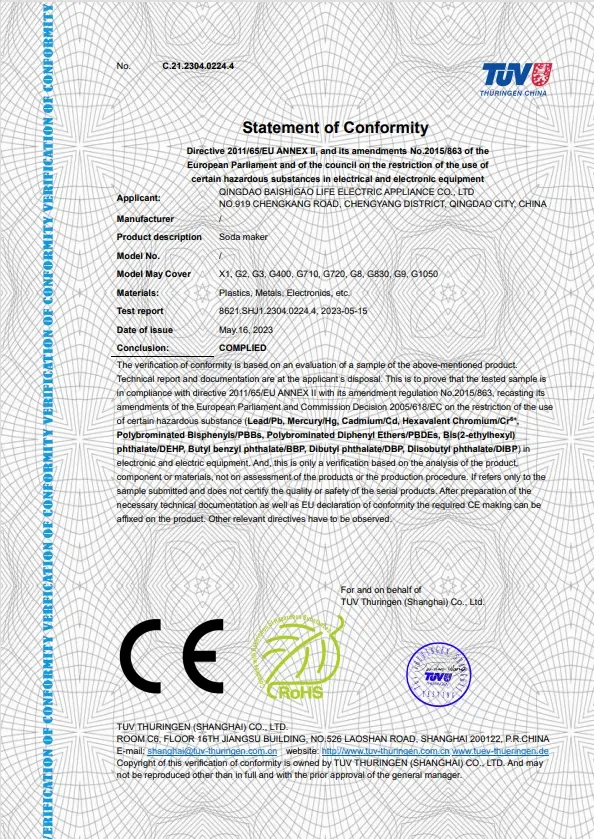
CE related document
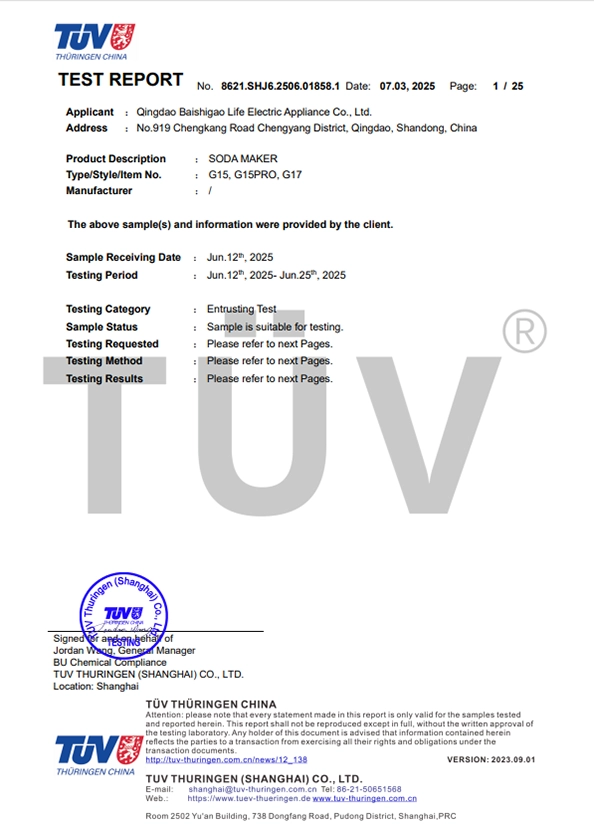
Global compliance document
- FDA related document — used for food-contact material discussion where applicable.
- CE related document — document review is based on the selected model and buyer requirement.
- Global compliance review — available files should be checked before packaging or listing claims are finalized.
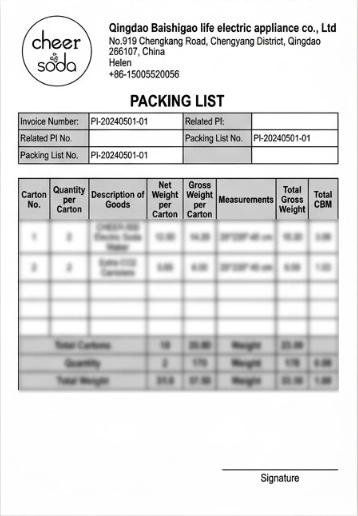
- Packing list support — shipment files are prepared according to order details, carton plan, and export requirements.
Please note: we do not guarantee that all products automatically satisfy all regional certifications. Compliance documentation is strictly subject to specific model selection, materials, and destination market review.
Review Quality & ComplianceBuyer Evaluation Checklist
Key criteria for validating an OEM water carbonator manufacturer — the ten points our buyers work through, in the order they usually raise them:
Every point on this list maps to a section of this page or to a file we can send; if a supplier cannot answer one of them in writing, that is the answer.
Sample and Pre-Shipment Evidence
Before bulk production or shipment, buyers usually review product appearance, bottle fitting, operation, packaging, carton information, and available inspection records. This reduces avoidable mistakes before goods leave the factory. Samples are the working tool for all of it: sample review is where carbonation performance, surface finish, bottle locking, packaging direction, and CO2 compatibility are confirmed physically, and samples are ready in 7 days.
- Machine appearance review — check product surface, visible structure, color, and brand area before approval.
- Carton information — carton marks help importers and distributors identify model, quantity, and shipment batch.
- Packing inspection — packing review helps confirm retail box, accessory set, manual, and carton arrangement before shipment.
Related guides: soda maker models and the CO2 cylinder compatibility guide.
How to Choose a Water Carbonator Platform: Five Steps
Fix the duty: water only, or beverages too. Water only keeps you on this page's platforms. Juice, tea or wine in the pitch moves the project to the beverage models — decide this first, because it changes the head design.
Confirm your market's cylinder standard. Threaded TR21-4 / M18×1.5 supply and refill networks are the go condition for the whole range. If your channel is built around Quick Connect, stop here and talk to us before sampling — no adapter bridges that gap.
Choose the operation and head. Top press (G3, G9, G8) or lever (G720, G830); fixed head, detachable head (G15 Pro, G8), or detachable and washable (G830). If your shortlist holds one of each, sample the pair — this is a handling decision.
Fix the set. Bottle size (500 ml / 1000 ml), one bottle or two, cylinders in the bundle or supplied separately, and the accessory list. The set decides carton size, weight, and container use.
Sample, approve, order. Samples are ready in 7 days. Approval of the physical sample is the gate before production: first orders run 35–45 days from approval, repeat orders 30 days. MOQ is 300 units per model, with trial orders as the standard smaller start.
Expert tip — check the thread before you check the price.
Most failed first orders in this category are not price failures; they are compatibility failures discovered after sampling. Before you compare models or negotiate, confirm one fact in writing: the cylinder valve standard your market actually sells — threaded TR21-4 / M18×1.5, or Quick Connect. Every model decision after that is reversible. That one is not.
Written by Helen Ho, OEM Consultant — I work with importers and brands on the manufacturing side of their water carbonator programs, from structure and compatibility review through sampling and production approval, and I review every OEM project scope personally before a quotation is issued.
Frequently Asked Questions
Which OEM water carbonator models can I review?
Can the machine use TR21-4 CO2 cylinders?
Can we test samples before a private-label order?
What is a water carbonator?
Is a water carbonator the same as a soda maker?
What is a carbonation machine?
Is this an industrial carbonation machine?
Does a water carbonator require electricity?
What safety parts should buyers check?
Can it be customized for private label?
What bottle is used with a water carbonator?
Do you supply CO2 cylinders?
What quality tests are used before shipment?
Which page should I visit for juice carbonation?
What information is needed for an OEM quotation?
Request Water Carbonator OEM Details
Provide your project details to receive factory pricing, MOQ, and lead time information. Your information is secure. We typically respond with factory lead times and MOQ details within 24 hours.
WhatsApp +86 15005520056 · sales@customsodamaker.com
Cheersoda (Qingdao Baishigao Life Electric Appliance Co., Ltd.), No. 919 Chengkang Road, Chengyang District, Qingdao, China.