
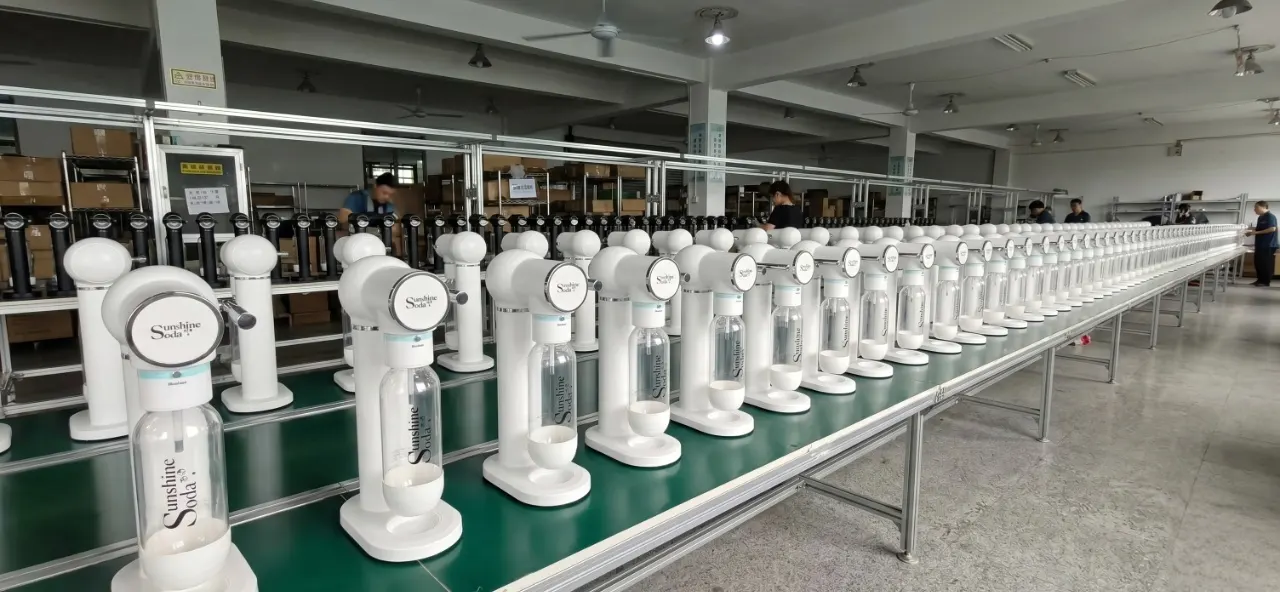
Home Soda Maker Manufacturing Process
From product structure review and private tooling to injection molding, assembly, packaging, and shipment coordination, Cheersoda supports B2B soda maker buyers with factory-side manufacturing capability in Qingdao, China.
This page sets out how a soda maker project is actually built here: who reviews the structure, how tooling is developed, how parts are molded and assembled, which checks run during production, and how an approved sample becomes a shipped order. The plant behind it is a 15,500 m² base in Chengyang District, Qingdao, running three production lines and six injection molding machines, with 35 staff including four QC inspectors and a monthly capacity of 20,000 units — figures the sections below break down into process.
- Product design support
- Private tooling coordination
- Assembly and packaging workflow
What We Handle at the Factory
Core manufacturing functions supporting global B2B carbonation projects. Six functions sit in-house under one roof, so a buyer's specification is never handed off between separate suppliers: the team that reviews the structure is the team that molds the parts, assembles the units and packs the cartons.
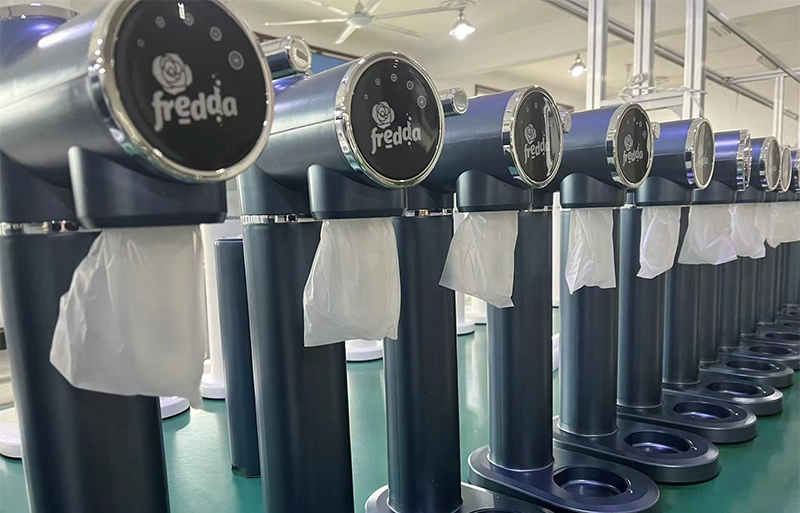
OEM/ODM Soda Maker Projects
Factory-side project coordination for private label and custom model development, ensuring buyers receive products with validated structures, precise color matches, and accurate accessory configurations. One project owner follows your program from the first structure review to the shipment file, so decisions taken at sample stage — finish, bottle set, carton structure — are the decisions production runs against, not a summary passed down a chain.
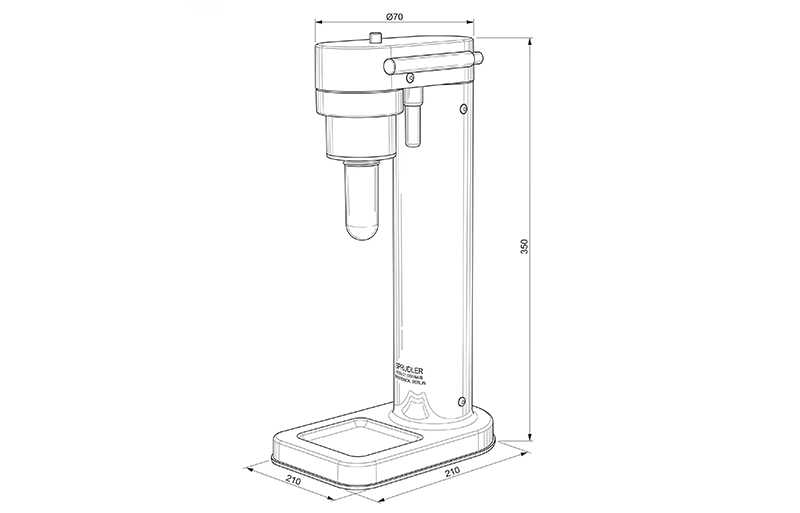
Product Design & Structural Review
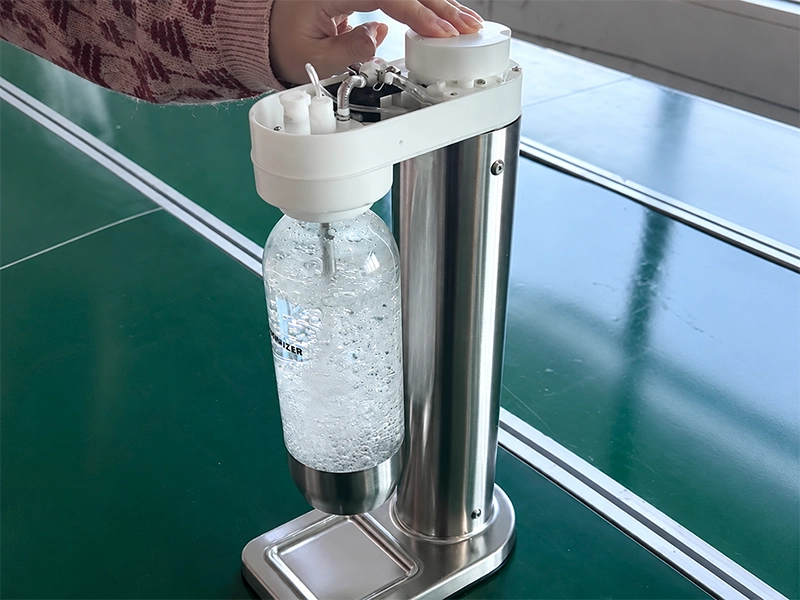
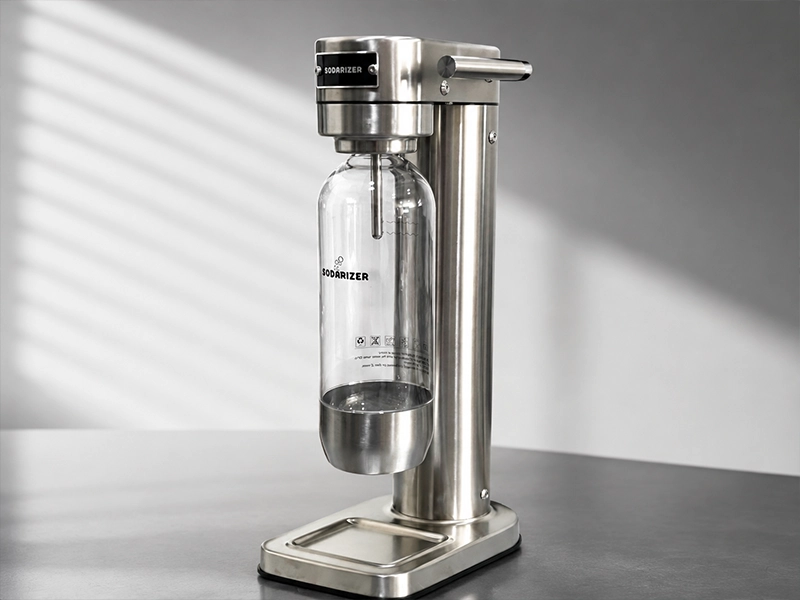
Engineering evaluation of housing structures, valve mechanisms, and user interaction points to verify manufacturability and cost-efficiency before production begins. The review is grounded in the range we already build: eight models — top-press G3, G9 and G8, lever-operated G720 and G830, and the stainless steel G15, G15 Pro and X1 — every one a manual machine built around a CNC brass valve and the threaded cylinder standard (TR21-4 / M18×1.5).
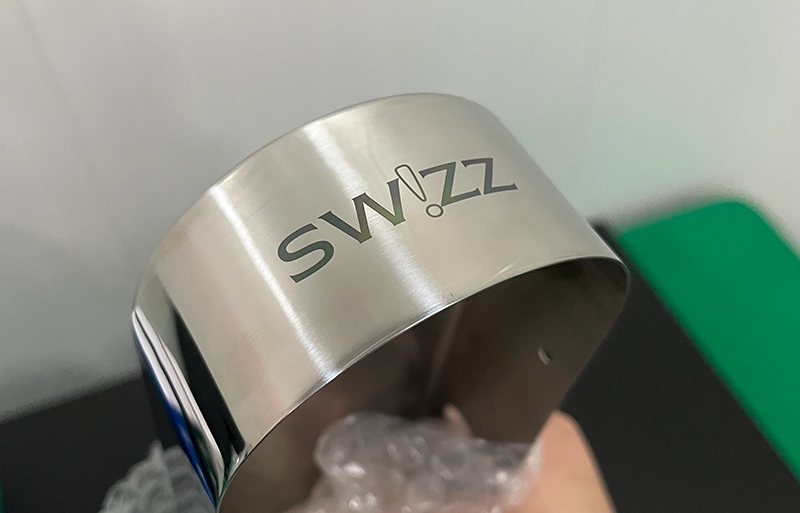
Private Tooling Support
Coordination of custom mold development for exclusive housing designs, providing appliance brands and retail chains with distinct product silhouettes. Tooling ownership is settled in writing before mold work begins: a mold you pay for in full is yours; where you modify one of our public molds, the modified elements are yours and the base mold remains the factory's.
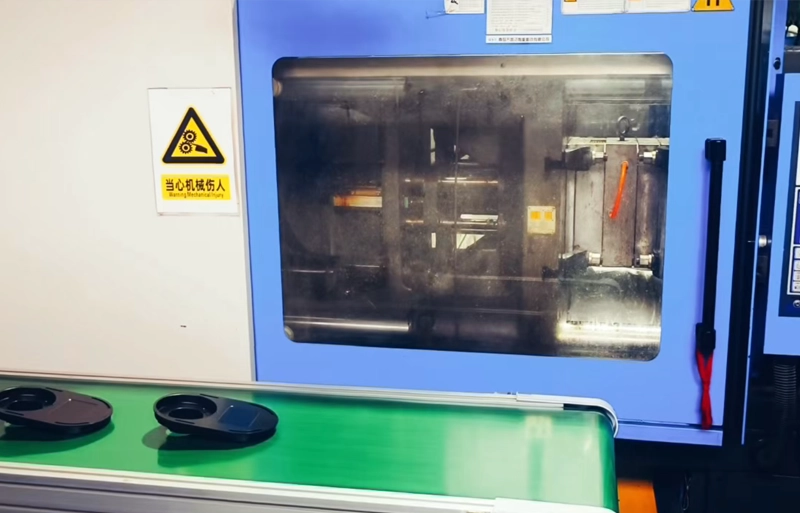
Injection Molding Coordination
Management of plastic parts production on the factory's own six injection molding machines, focusing on dimensional stability, color consistency, and precise component fit for the final assembly line. Because molding is in-house, a fit problem found at assembly is corrected at the mold and machine settings here — not negotiated with an outside parts supplier while your schedule waits.
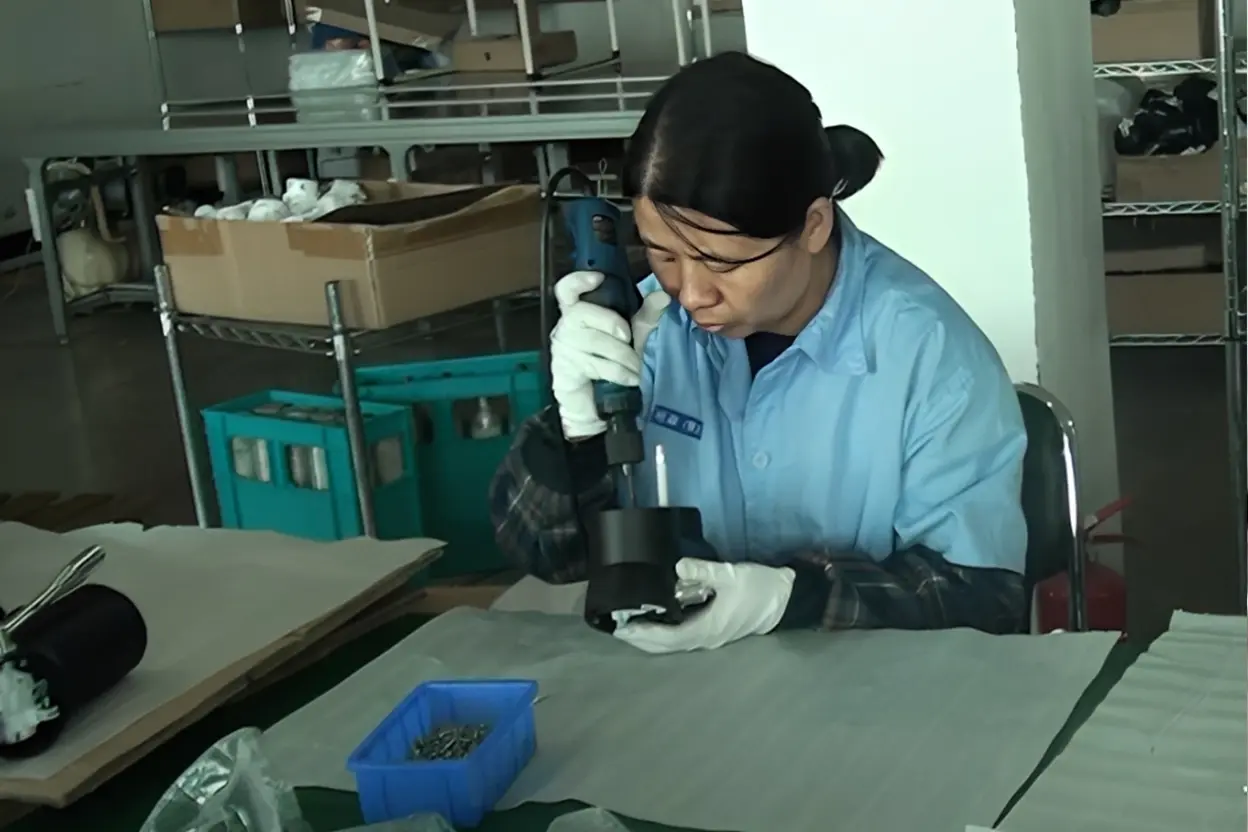
Assembly & Inspection
Structured assembly workflow combining internal valve integration with exterior housing construction, followed by functional and visual checks on the factory floor — and, before packing, a wet leak test and a high-pressure gas check on every finished unit, not on samples drawn from the batch. See this workflow on film in our soda maker factory videos.
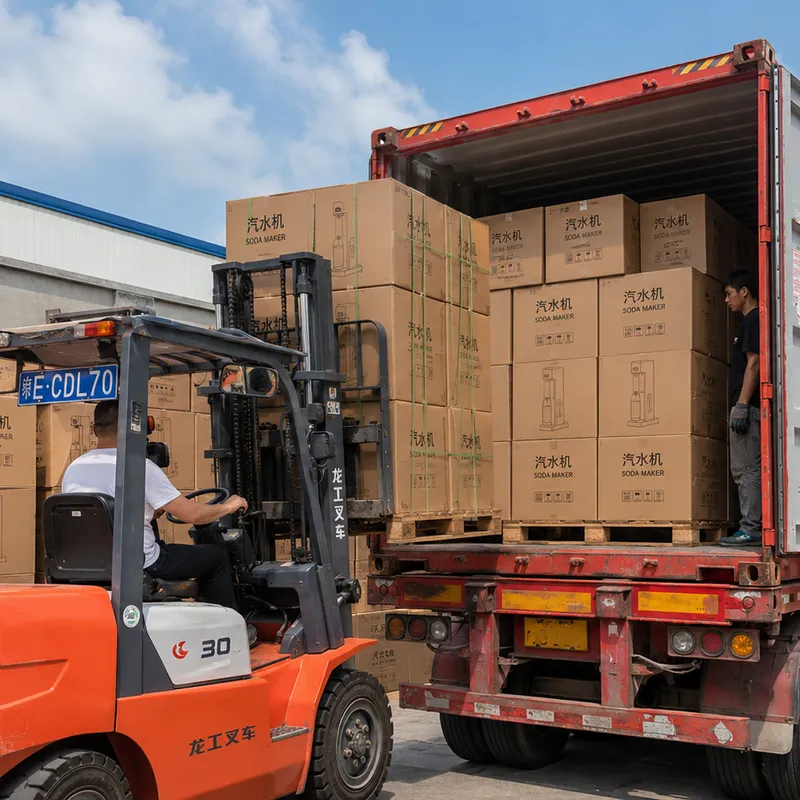
Packaging & Shipment Preparation
Execution of custom color boxes, instruction manuals, and carton marking, ensuring goods are container-ready and compliant with importer documentation needs. Custom color boxes print from 300 boxes, and the export desk prepares the commercial invoice, packing list and carton information each shipment travels with.
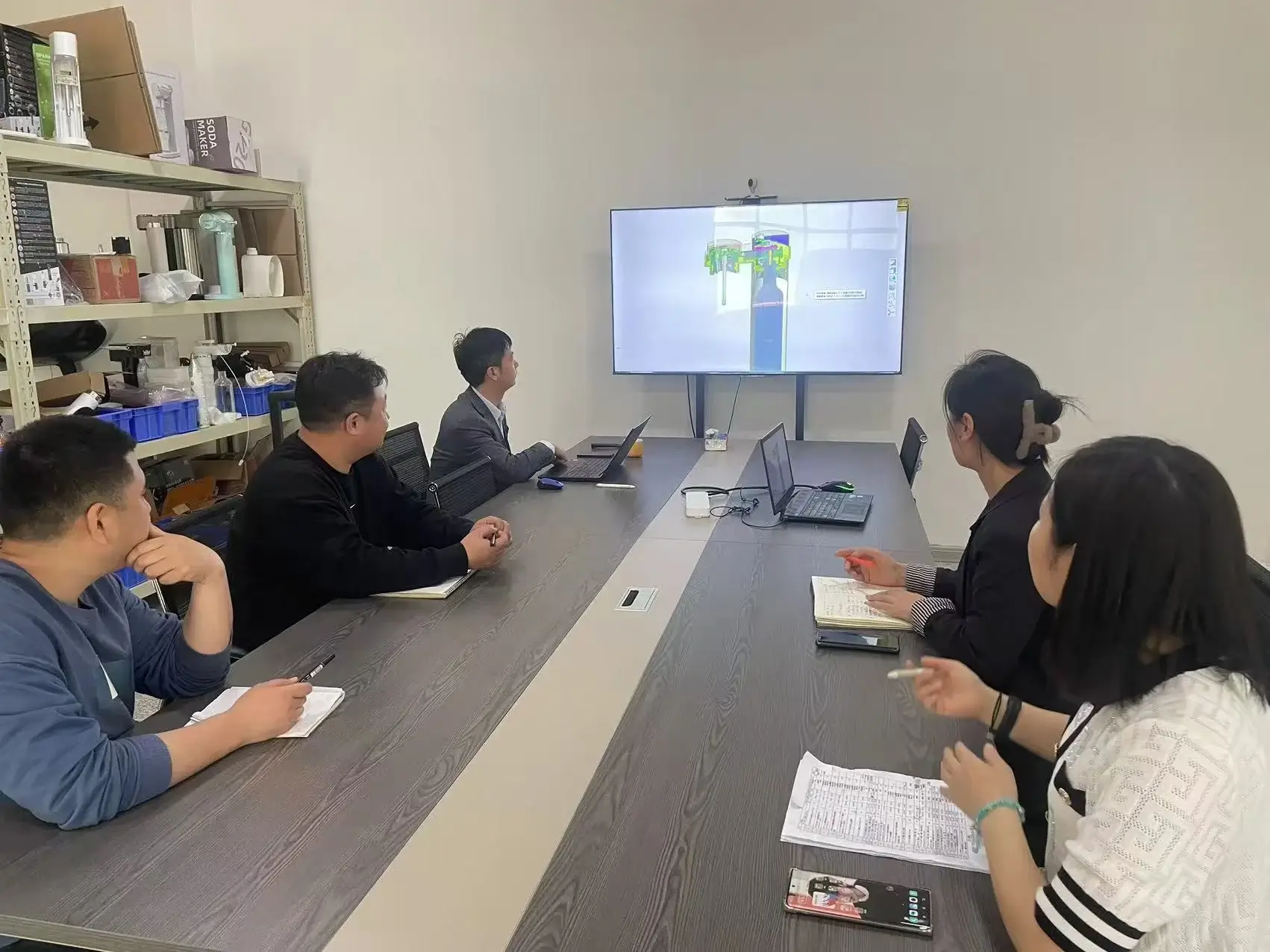
From Product Idea to Manufacturing Plan
Buyers approach Cheersoda at various stages of product planning. An existing appliance brand might need to add a private label model to their range, while a regional distributor may seek a stable, long-term soda maker supplier. Retail buyers often prioritize packaging structure and compliance documentation, whereas brand owners might request a completely different housing, specific finish, or a unique accessory set.
Our role as a manufacturer is to translate these commercial requirements into a concrete production plan. For the main product category, see our sparkling water maker OEM page. We structure the project by defining:
- Target market specifications and expected retail channels.
- Base model selection and compatibility with standard bottles and CO2 cylinders.
- Color matching, surface finish requirements, and packaging structure.
- Sample confirmation schedules and estimated order quantity alignment.
The plan also fixes the commercial frame before any tooling money moves: the standard MOQ is 300 units per model, trial orders on existing models are the validation route before a branded run, samples are ready in 7 days, and the lead-time shape — 35–45 days for a first order, 30 days for repeats — is stated against your launch date so the critical path is visible from the start. What the plan deliberately does not do is invent precision the project has not earned: tooling timelines, for example, are quoted after the engineering review in the next sections, not guessed at this stage.
Product Development and Engineering
Effective soda maker product design requires a balance between aesthetics and functional carbonation mechanics. Our engineering team provides ODM soda maker manufacturing support by reviewing the practical aspects of your product concept.
This is not about theoretical invention; it is about grounded engineering communication to ensure manufacturability. During the sparkling water maker development phase, we evaluate:
-
•
Housing Structure — Reviewing wall thickness, draft angles, and parting lines for injection molding feasibility. These three points decide whether a housing can be molded cleanly thousands of times, not just once: insufficient draft or an awkward parting line shows up later as sticking parts, visible weld lines and slow cycle times on your production run.
-
•
Bottle Fit — Testing the water bottle insertion angle and locking mechanism experience. The bottle interface is the part your customer handles every day, and on this range it is a manufactured component in its own right: the PET bottle base is a separate part bonded to the bottle body, so base alignment and bond consistency are checked as production items, not assumed.
-
•
Valve Coordination — Ensuring pressure-related structures align securely with standard CO2 cylinders. Every model in the range is built around a CNC brass valve, with automatic pressure release and double safety valves, and the cylinder interface is the threaded standard — TR21-4 / M18×1.5, the 425 g / 60 L threaded cylinder. The range does not fit Quick Connect cylinders, and no adapter exists; confirming your market's cylinder standard at this stage prevents the most expensive mismatch a carbonation project can have.
-
•
User Interaction — Refining button travel, lever resistance, and front-panel component assembly. The range covers both interaction patterns — top-press on the G3, G9 and G8, lever operation on the G720 and G830 and the stainless models — so the feel of the action is reviewed against the pattern your selected model actually uses.
We also conduct cost and manufacturability reviews early in the process to ensure the final design fits within the target retail packaging dimensions. A design change is cheap at this stage and expensive after tooling; that is why the review happens before molds, not after them.
Private Tooling and Mold Development
For private label brands, retail chains requiring exclusive models, and appliance companies looking to expand their ecosystem, standard housings may not suffice. Buyers who need a different silhouette or surface design rely on our private tooling capabilities.
Developing custom molds for a soda maker involves precise coordination. Our workflow for private tooling includes:
- Product requirement review: Aligning on the 3D design files and material specifications. Your files are reviewed against the machine sizes and materials the line actually runs, so the design that goes to mold-making is already a production design.
- Structure feasibility check: Identifying potential sink marks, warping, or assembly conflicts. Findings are reported back with the specific area of the part concerned, so your designer can adjust the file rather than discover the problem on the first molded part.
- Tooling discussion: Determining mold steel type, cavity count, and injection gate locations based on expected order volume. These choices are matched to the volumes in your plan — a mold specified for a 300-unit first run and a mold specified for repeat container volumes are not the same investment.
- Sample confirmation: Producing T0/T1 samples for physical evaluation of appearance and fit. Molded samples are checked against the same points the production line will inspect — housing fit, bottle fit, mechanism action — before you are asked to approve them.
- Adjustment before mass production: Refining mold details to ensure smooth assembly and consistent surface finish. Adjustments are closed out at sample stage; mass production does not start on an unapproved mold state.
Ownership is agreed before the work starts, in writing: a mold paid for in full belongs to you exclusively; if your design modifies one of our public molds, the modified elements belong to you and the unmodified base mold remains the factory's. Exclusivity for a tooled model is agreed per model and per market — it is never a blanket claim over a country for standard public-mold products.
Note: Tooling timelines depend strictly on the complexity of the housing design and specific component requirements discussed during the engineering phase.
Injection Molding and Plastic Parts
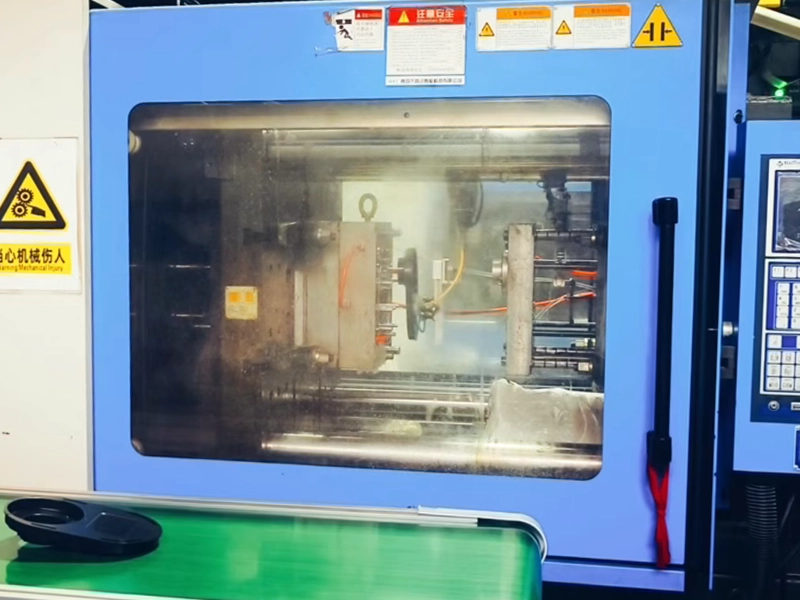
The core exterior of most soda makers relies heavily on plastic components. Managing the injection molding process is a critical part of soda maker manufacturing, ensuring that parts are produced with high dimensional accuracy and visual consistency.
Housings run on the factory's own six injection molding machines. That matters to a buyer for a practical reason: the molding schedule is ours to set. When an order needs housings, the parts are produced inside the same plan as the assembly run that consumes them — there is no external molding shop whose queue can delay your shipment, and no incoming-parts dispute about who made a defective housing.
Our coordination covers various components essential to the final product:
- Main housing parts (front panels, rear covers, bases).
- Interactive elements like button caps or carbonation levers.
- Bottle connection area components requiring tight tolerances.
- Internal structural brackets that hold the valve assembly.
We prioritize stable appearance, strict dimensional consistency for assembly fit, and exact color matching across batches, minimizing variations that could affect retail presentation. Injection colors — white and black on the G3, white, red and black on the X1, for example — are produced as molded color, not surface paint, so the color a buyer approves on the sample is the color that comes off the mold on every repeat. Where a project needs a sprayed finish instead, the stainless line shows the discipline: matte black is held in stock, and a custom spray color such as matte graphite is produced from a 300-unit minimum after color confirmation against your reference.
Assembly and In-Line Inspection
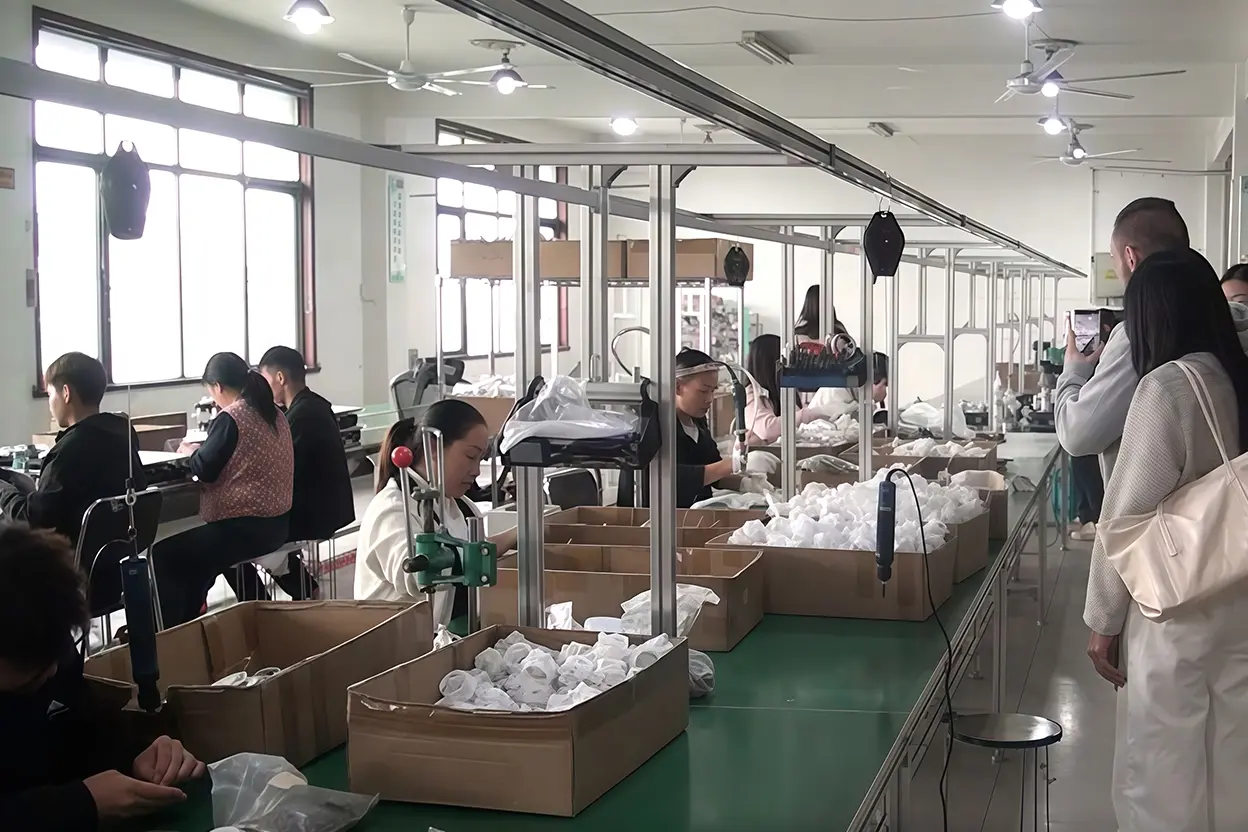
The soda maker assembly line is where individual components and precision valves are integrated into a functional unit. Our factory production capacity is built around a structured, step-by-step workflow designed for OEM soda maker manufacturing.
Assembly runs on three production lines. The steps below are the line's standing sequence for every model in the range; what changes between projects is the configuration being built — model, finish, bottle set and packaging — not the sequence itself.
- 1. Incoming Parts Check — Verifying housings, valves, and hardware against project specifications before they enter the line. Parts that fail here never reach a bench: this is the incoming stage of the factory's four-stage quality system, and it is what keeps a molding or supplier defect from becoming an assembled-unit defect.
- 2. Housing & Internal Preparation — Aligning internal brackets and preparing the base structure for mechanical integration. The bracket set carries the valve assembly, so alignment at this stage decides how true the mechanism sits in the finished machine — and how consistently it sits across thousands of units.
- 3. Valve Component Assembly — Carefully installing the carbonation valve and pressure-related components into the main body. The valve at the center of every model is CNC brass, and detachable-head models — the G8 and G830 sub-carbonators, the G15 Pro head — are assembled so the head removes and refits the way the design intends; on the G830 the sub-carbonator is washable, which is an assembly-fit requirement, not just a product feature.
- 4. Fit Confirmation & Visual Check — Confirming bottle fit, cylinder thread alignment, and inspecting the exterior for scratches or gaps. From here, finished units go to the every-unit gate described in the quality section below: a 100% wet leak test and a high-pressure gas check before any unit is packed.
Bottle, Cylinder and Accessory Matching
A complete manufacturing project encompasses more than just the main machine. We provide comprehensive bottle and accessory production support to ensure the final retail package meets market expectations.
Our factory coordination includes sourcing, testing, and matching compatible components for your specific order:
- PET carbonating bottles
- Stainless steel water bottles
- Spare bottle sets
- CO2 cylinder accessories
- Retail accessory packs
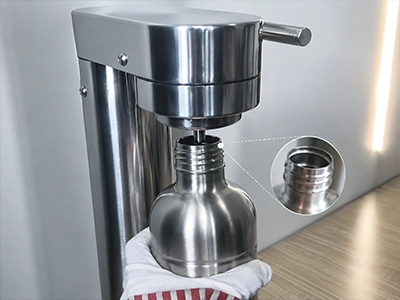
The bottle program is specific: PET bottles come in 500 ml and 1 L only, BPA-free, and every machine's standard set is built around the 1 L PET bottle. Base and cap material follows the model — stainless steel base and cap on the metal models, plastic base and cap on the plastic models — so a buyer's bottle specification is confirmed against the selected model, not against a generic bottle drawing. The stainless steel bottle is a separate item with its own dimensions: 82×82×264 mm, 324 g, packed 40 to a master carton. One compatibility fact governs the whole section: every machine is built for threaded cylinders (TR21-4 / M18×1.5). If your market runs on Quick Connect cylinders, say so in the first message — the range does not fit them and no adapter exists, and discovering that after tooling or packaging money is spent is the costliest version of the mistake.
Private-Label Packaging
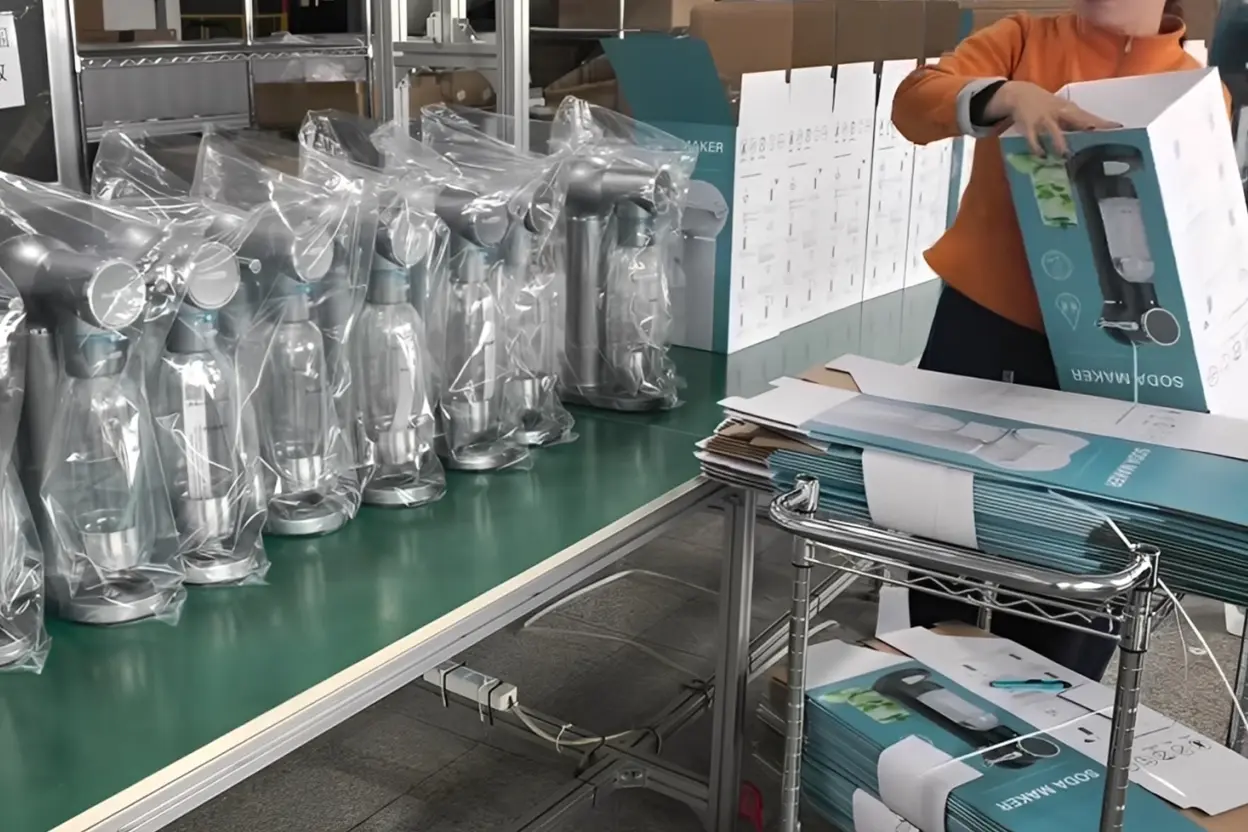
Packaging is a fundamental part of B2B delivery. For private label soda maker production, how the product is boxed, labeled, and packed into master cartons directly impacts retail shelf readiness and warehouse receiving.
Our factory coordinates the packaging process to align with importer documentation and retail requirements. We manage:
- ✓ Printing and folding of custom color boxes.
- ✓ Inclusion of localized instruction manuals and packaging inserts.
- ✓ Application of specific barcode labels for retail scanning.
- ✓ Standardized carton marks for clear logistics identification.
- ✓ Product photo and packaging sample confirmation before mass packing.
The numbers behind the list: custom color boxes print from 300 boxes. If your first machine run is a smaller trial quantity, the boxes are still printed at the 300 minimum and the surplus is held at the factory for your repeat order — or the machine quantity is brought up to 300 so boxes and machines match. Color box and outer carton dimensions are model-specific facts, confirmed in the project plan: the G720 color box, for example, measures 23.5×21×45.5 cm and six units pack to a 65×49×49 cm outer carton, while the G15 color box measures 27×17.5×44 cm with four units to a 56×38×48 cm carton. Packaging is approved on a physical sample before mass packing, in the same way the machine is — the box your customer unboxes is produced to an approved reference, not to a file alone.
From Approved Sample to Shipment
The standard workflow for OEM/ODM soda maker manufacturing from inquiry to shipment. Ten steps, in the order your project actually moves through them; the sample steps (04–05) are the control point — mass production is scheduled only after your written sample approval.
Requirement Review
Evaluating market needs, target pricing, and technical specifications. Your destination market decides several downstream facts at this point: its cylinder standard, its documentation set, and its packaging requirements.
Model Selection
Choosing base models or confirming ODM requirements. Selection is made against the range as it is actually built — the eight models and their actuation patterns set out in the model range — or escalated into an ODM structure discussion.
Structure Discussion
Engineering review and private tooling planning if required. This is where a project is confirmed as a standard-model program, a modified public-mold program, or a private tooling program, with ownership terms stated in writing.
Sample Preparation
Producing physical prototypes for client evaluation. Samples are charged — the fee and freight are confirmed before payment — and are ready in 7 days in the model, finish and bottle configuration you selected.
Sample Feedback
Adjusting finishes, colors, or fit based on review. The approved sample becomes the production reference: appearance, operation, bottle fit and packaging are all checked against it later, so this step is documented, not verbal.
Pre-production
Final confirmation of materials, packaging, and timeline. MOQ, carton data and the production slot are fixed here: 300 units per model as standard, with first orders running 35–45 days from approvals.
Assembly & Inspection
Mass production execution on the factory floor. The assembly sequence and in-line checks from the sections above run as the standing workflow, with the four-stage quality system active across the run.
Packaging
Boxing units with manuals, accessories, and labels. Packing follows the approved packaging sample: color box, localized manual, barcode labels and carton marks as confirmed at pre-production.
Shipment Coordination
Container loading support and documentation prep. The export desk issues the commercial invoice, packing list and carton information; shipments run on EXW, FCA, FOB or DDP terms agreed per order, against T/T payment — 30% deposit, balance before shipment.
After-order Support
Managing spare parts and subsequent production runs. Repeat orders run at 30 days against the same approved references, and orders carry a 1-year warranty; valves and connection parts can also be ordered separately for service programs.
How We Work With Different Buyers
Aligning our factory capabilities with specific B2B procurement needs. The manufacturing system is one; what differs by buyer is which parts of it carry the weight of the project.
| Buyer Type | Primary Need | Manufacturing Support | Next Step |
|---|---|---|---|
| Importers | Stable supply, volume pricing, reliable container loading. | Standard model assembly, robust packaging, documentation. | Request Catalog |
| Distributors | Consistent quality, accessory matching, spare parts. | Bottle & cylinder matching, CO2 accessory options. | Discuss Distribution |
| Private Label Brands | Brand identity, custom colors, retail-ready packaging. | Color matching, logo printing, manual & color box prep. | View Private Label Info |
| Retail Chains | Compliance, barcode accuracy, high-volume capacity. | Strict assembly workflow, precise carton marking. | Check Compliance |
| Appliance Companies | Exclusive design, ecosystem integration, ODM support. | Structure review, private tooling, injection coordination. | Explore ODM |
Behind the table sits a documented order record: recorded buyers in 14 countries and regions, 35 wholesale orders and 12,065 machines shipped on the export record, with a buyer base that includes a German private-label brand that scaled from a 1,000-unit trial to repeat orders of 2,000 and then 4,000 units, and a Brazilian distributor running at around 2,000 units a year. Those two programs are written up in the Germany case study and the Brazil case study.
Quality Checks During Production
Manufacturing capability is incomplete without integrated checks. During the soda maker production process, our factory implements specific control points to ensure the final batch meets agreed specifications.
The system has four stages — incoming material inspection, in-process checks, comprehensive testing and finished-product inspection — run by four QC inspectors under the factory's ISO 9001 quality management system. The control points buyers ask about most:
- Incoming part checks for plastics and valves.
- In-line assembly checks for fit and mechanism action.
- Wet leak testing on every unit (100% inspection, not sampling).
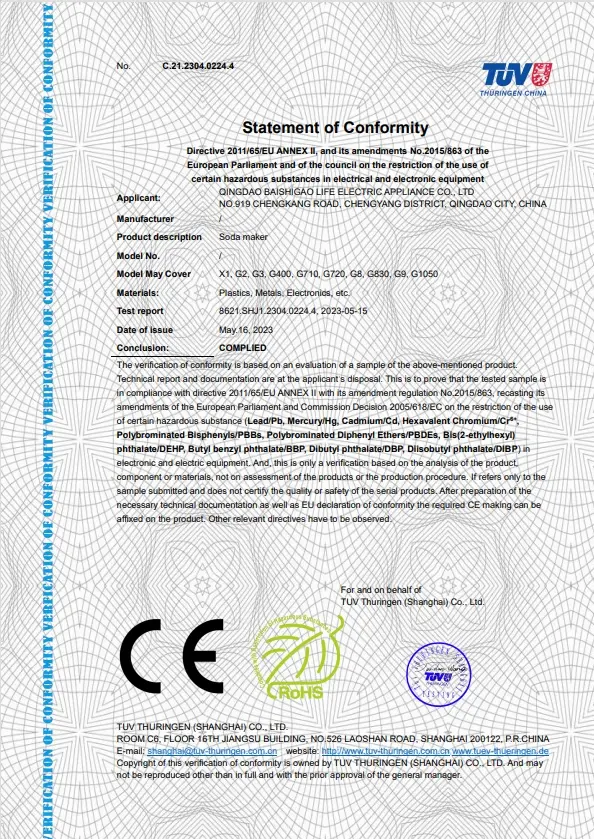
- Gas-tightness and functional checks on every finished unit before packing.
- Burst testing on samples from each production batch.
- Final appearance, finish, packaging and carton barcode verification.
Two distinctions in that list matter, and buyers should hold us to them. First, the every-unit gate is the wet leak test plus the high-pressure gas check: every finished unit passes both before packing, which is a different discipline from sampling a percentage of a batch. Second, burst testing is deliberately a batch-sampling exercise, carried out in the in-house high-pressure laboratory the factory built in 2018: it verifies the design and the batch, while the every-unit gate stays on the line. Packing drop tests are also performed on the packed product. What this page does not quote is test numbers — pressures, durations and thresholds are production parameters, confirmed per model in your project documentation rather than advertised here.
These steps are built into the manufacturing timeline to provide importers with reliable documentation and consistent goods.
For detailed testing procedures, certifications, and compliance information, visit our Quality & Compliance page.
Inside the Factory
A look inside the processes that build B2B carbonation products. Six views of the floor your order would run on — the same areas a buyer walks on a visit to the Qingdao base.
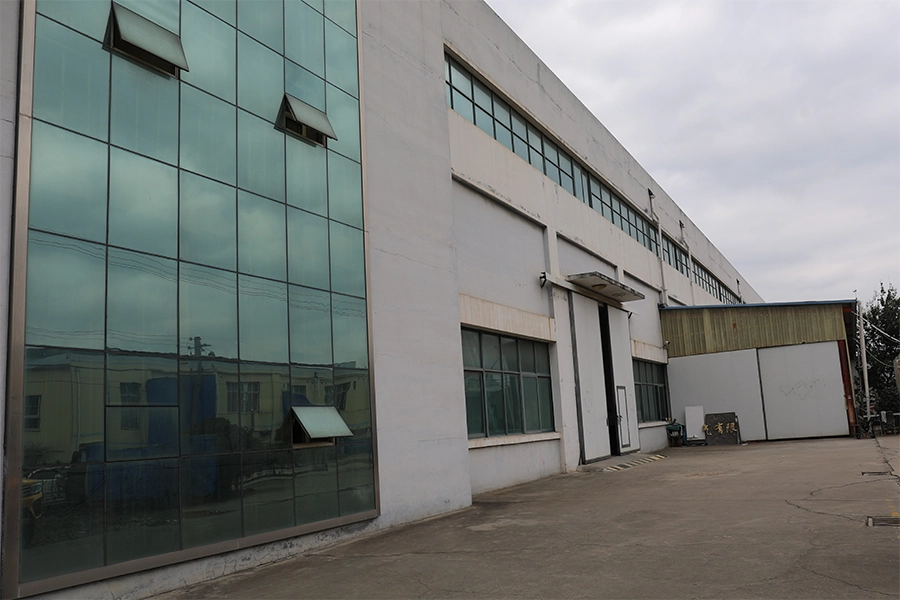
Factory Exterior
Factory exterior and logistics coordination. The Chengyang plant gate and loading area, where finished cartons are staged for container work.
Assembly Area
Structured assembly area for volume orders. Benches on the three production lines, where housings, valves and hardware come together in the sequence set out above.
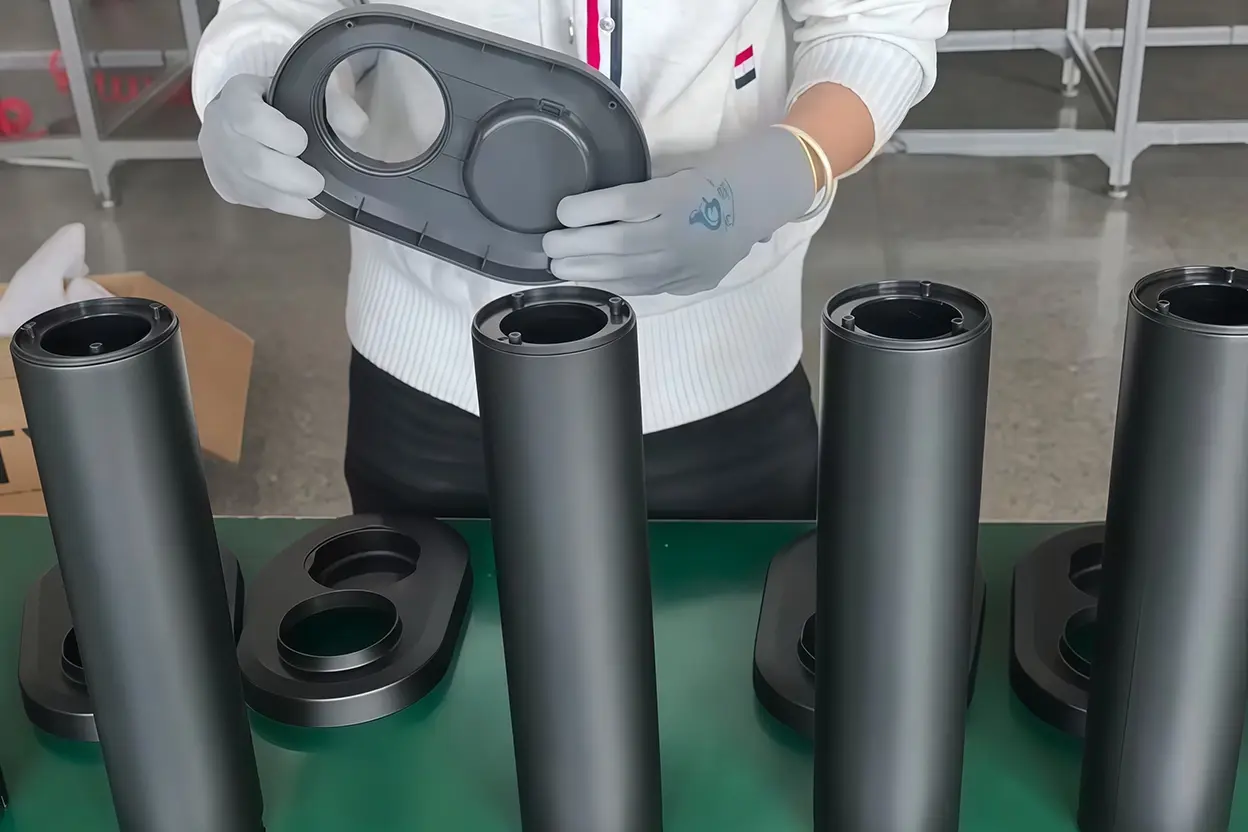
Molded Parts
Plastic parts prior to assembly integration. Injection-molded housing components from the factory's own machines, checked at the incoming stage before they enter a line.
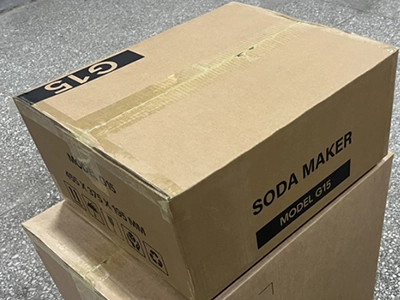
Packaging Area
Packaging area preparing private label boxes. Color boxes, manuals and carton marking being prepared against an approved packaging sample.
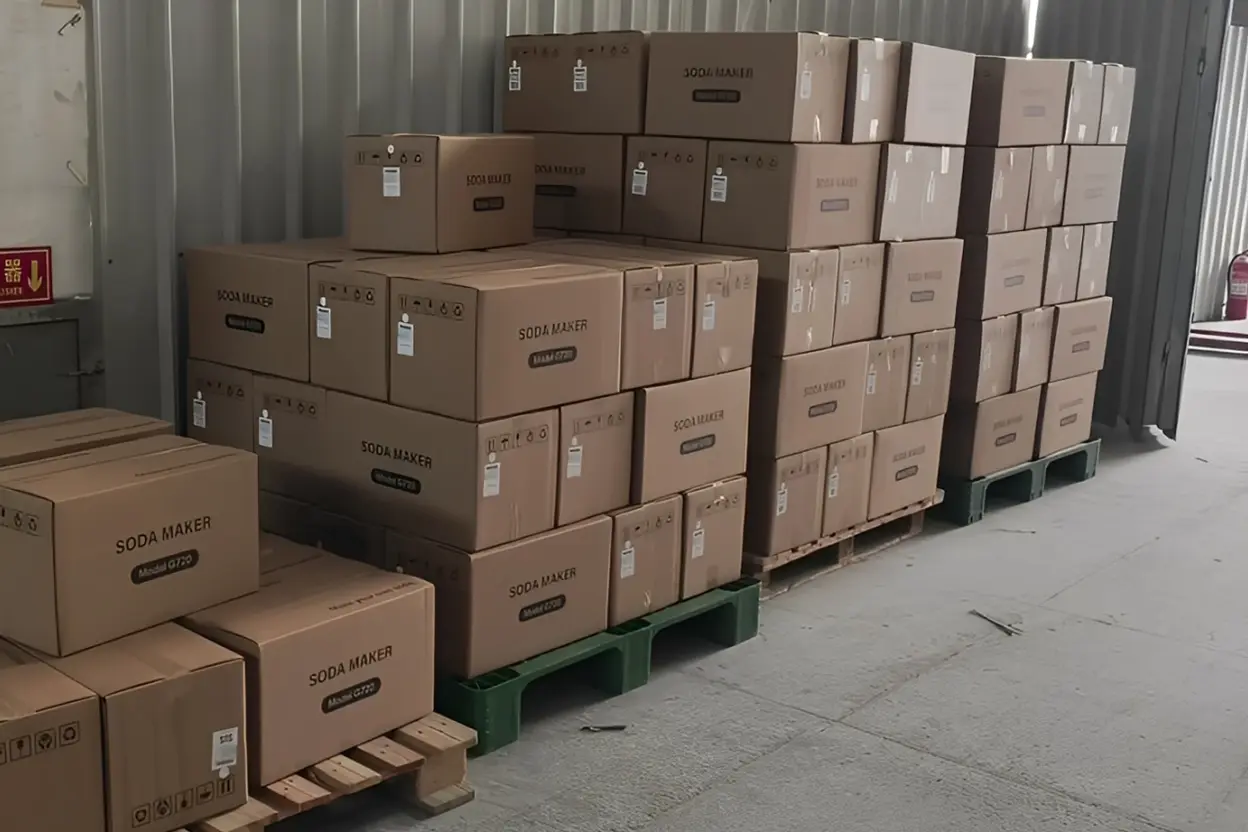
Finished Goods
Finished goods staged for container loading. Packed and checked units held for shipment coordination by the export desk.
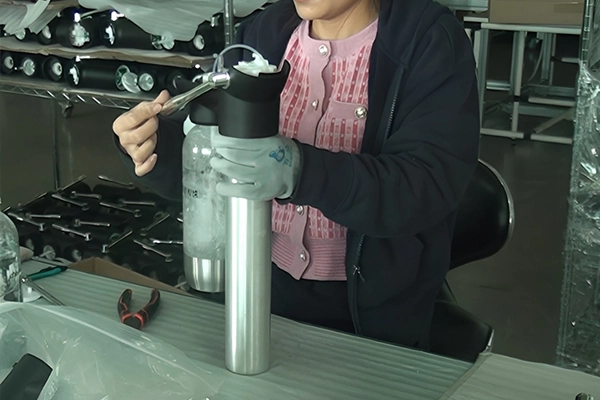
Testing Station
CO2 refill machine testing and preparation. The testing area where finished units pass the wet leak and gas checks before packing.
Questions From Buyers
Practical answers for buyers preparing samples, customization and production.
1. What manufacturing capability does Cheersoda provide for OEM soda maker projects?
2. Can Cheersoda support private tooling for soda maker housing?
3. Can buyers request samples before mass production?
4. What parts of the soda maker project can be customized?
5. How does Cheersoda connect manufacturing with quality control?
6. What information should buyers prepare before contacting Cheersoda?
7. Who owns the mold if we pay for private tooling?
8. How long does tooling and production take?
9. How does a confirmed sample become a mass-production order?
10. What is the minimum order, and can we start smaller?
11. Which bottles and cylinders do the machines work with?
12. What are the payment terms and warranty?
Plan Your Soda Maker Project
Tell us your target market, preferred soda maker model, expected quantity, packaging requirement, and whether you need private tooling or private label support. Our team will review the project from manufacturing, sample, packaging, and shipment preparation angles.
To make the first reply a formal quotation instead of a round of questions, include the details that decide the production route: model or design files, your market's cylinder standard, packaging requirements and target schedule. Where the model is still open, we will recommend one against your market and channel as part of that reply.