
For soda maker importers and private-label brands, the machine itself is only one part of the project. The CO2 cylinder system, valve thread, refill plan, and local market standard often decide whether the product can be launched smoothly or becomes a customer-service problem after delivery.
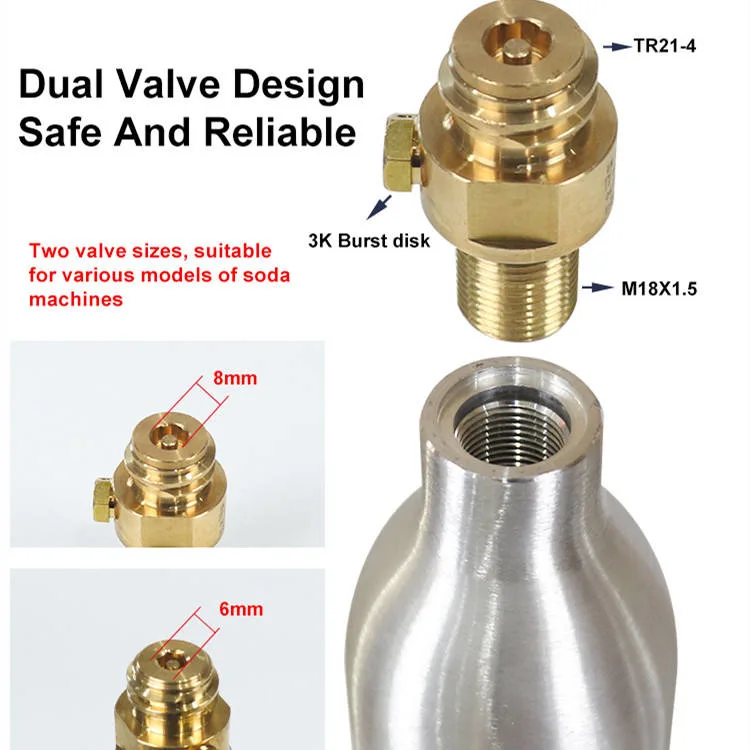
When a buyer asks for a soda maker quotation, the conversation usually starts with the model, color, logo, packaging, and unit price. But experienced buyers know that cylinder compatibility must be confirmed early. A machine that looks good on the shelf can still fail commercially if the local gas cylinder does not fit, the refill partner uses a different valve, or the retail customer cannot replace CO2 easily.
This guide is written for B2B buyers, importers, distributors, and private-label teams who need to choose a soda maker for a real market launch. It explains the common CO2 cylinder valve types used around soda maker projects, how to check compatibility before production, and what information a factory needs before giving a reliable quotation.
Why CO2 Cylinder Compatibility Matters
A soda maker is a simple product from the user’s point of view: fill the bottle with water, connect it to the machine, press the button or handle, and make sparkling water. From the OEM side, the system is more complex. The machine must safely connect the CO2 cylinder, control gas flow, release pressure, and protect users from leakage or misuse.
For a distributor, the key question is not only “Can the machine carbonate water?” The better question is: “Can customers in my market easily buy, refill, or exchange compatible cylinders after purchase?” If the answer is unclear, even a good-looking product can create after-sales pressure.
In many European markets, 425g / 60L screw-in cylinders are common. Some newer retail systems use quick-connect cylinders. Australia can involve different thread naming in some supply chains. North American gas systems may require different adapters or service equipment for refill operations. Because of this, one global soda maker project cannot assume that every country uses the same cylinder standard.
Main CO2 Cylinder Valve and Thread Types
If your market cannot rely on SodaStream cylinder supply, building your own branded range is the usual alternative – see our guide to SodaStream alternatives for OEM projects.
The following table gives a practical overview. It is not a legal certification document. It is a buyer-side checklist to help you ask the right questions before sampling and mass production.
| Valve / Thread Type | Where Buyers Often Discuss It | OEM Meaning | What to Confirm |
|---|---|---|---|
| TR21-4 screw valve | Common in many soda maker and 60L cylinder discussions | Often used for traditional screw-in soda maker systems | Machine cylinder interface, refill source, local cylinder availability |
| M18x1.5 related valve structure | Often appears in cylinder and valve component discussions | May relate to specific cylinder valve designs or component interfaces | Exact drawing, sample cylinder, valve supplier specification |
| Quick Connect / Snap-on | Newer consumer carbonation systems | More convenient for users but requires matching machine structure | Whether your local cylinder exchange network supports it |
| G1/4 | Sometimes discussed for Australia-related cylinder or adapter questions | Needs careful confirmation before production | Actual sample cylinder, valve drawing, local refill partner confirmation |
| CGA320 / adapter systems | Often used around refill equipment, larger cylinders, and gas transfer setups | More relevant to refill machine or service operation than home soda maker body | Cylinder specification, adapter safety, operator training |
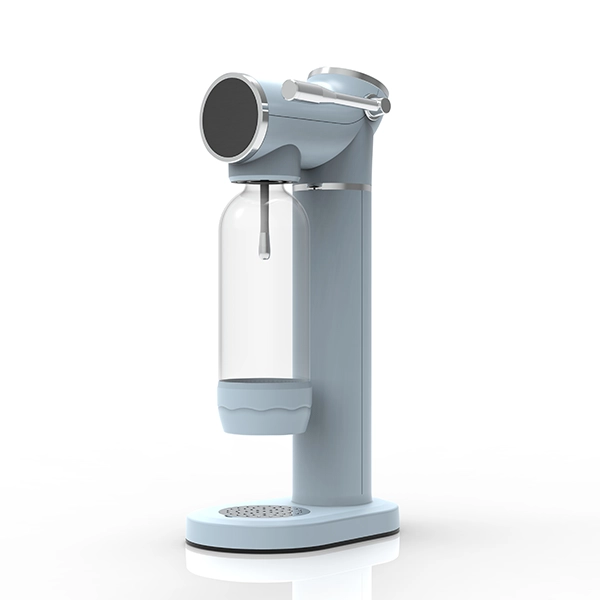
G720 — our proven plastic model for volume private-label programmes. MOQ 300 units.
See the G720 →How to Check Private-Label Cylinder Compatibility with Popular Soda Maker Systems
Many buyers compare a private-label CO2 cylinder with popular soda maker systems in their market. The important point is not the customer’s logo or brand name. Compatibility depends on the actual valve type, thread standard, valve pin height, sealing structure, cylinder size, and refill or exchange model.
For confidential OEM projects, Cheersoda can review compatibility without publishing the buyer’s brand. Buyers can send cylinder photos, technical drawings, or physical samples privately, and the public discussion can stay focused on the technical standard instead of the customer name.
| Compatibility Check | Why It Matters | What Buyers Should Provide |
|---|---|---|
| Brand-owned cylinder model | Different private-label brands may use different valve systems even when the cylinder size looks similar. | Cylinder photos, label photo, refill source, and destination market. |
| Valve thread or quick-connect structure | The machine body must match the cylinder interface safely. | Valve drawing, thread standard, or physical sample. |
| Gasket and sealing position | A small mismatch can cause gas leakage or unstable carbonation. | Close-up photos of the valve top and sealing area. |
| Refill or exchange system | Retail customers need a practical way to replace or refill cylinders after purchase. | Local refill partner information and refill process requirements. |
Visual Reference for Cylinder and Valve Decisions
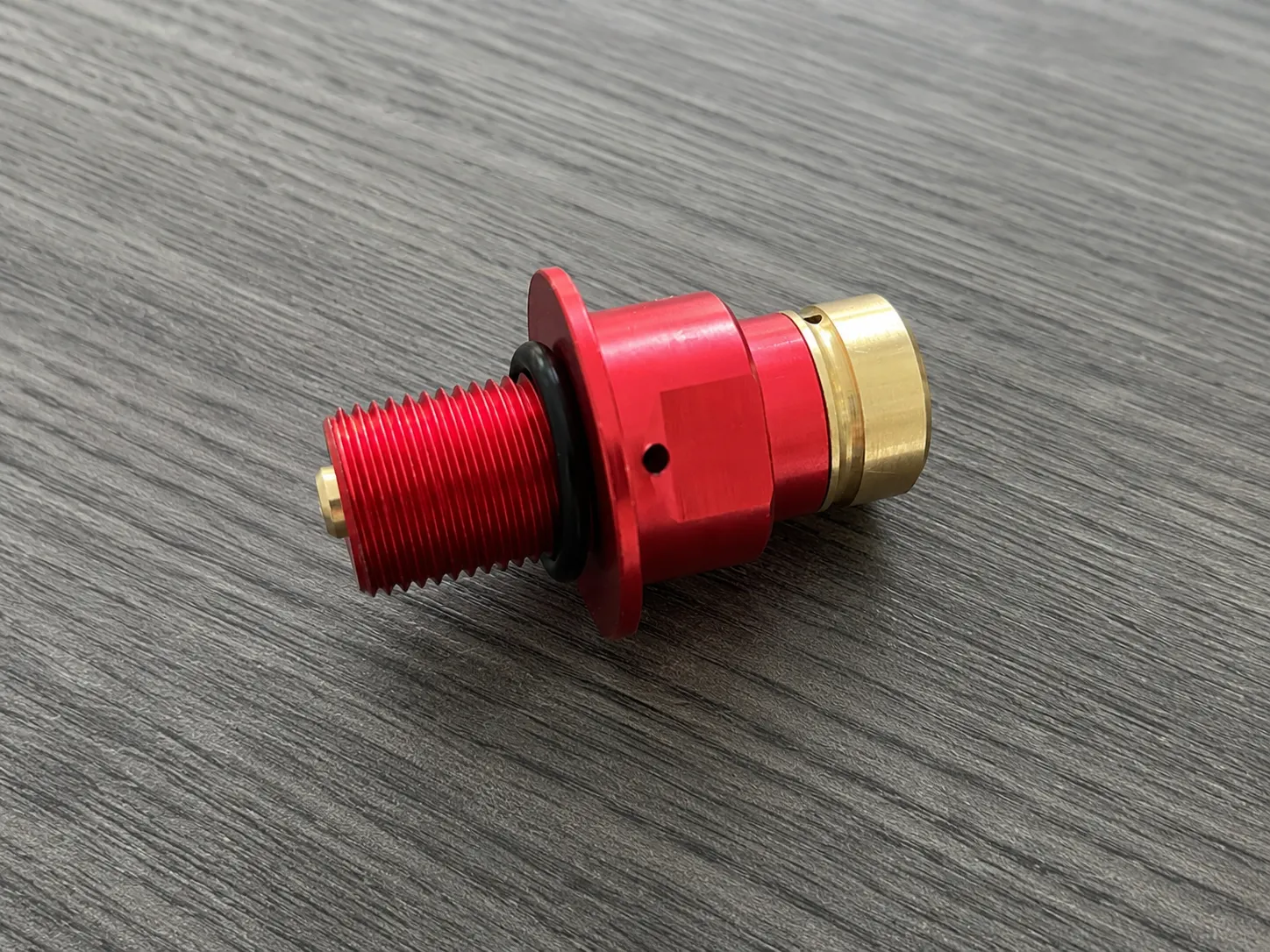
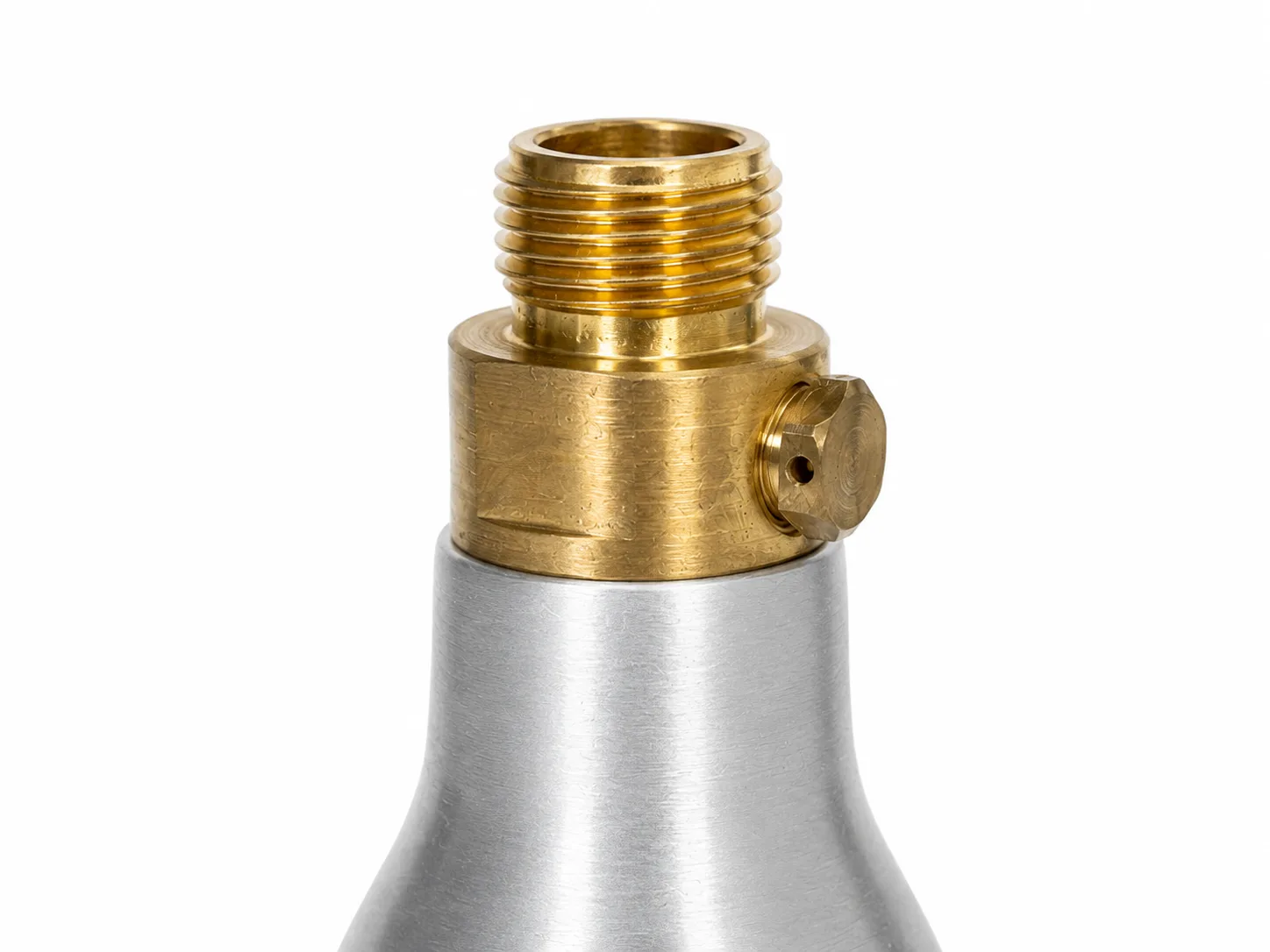
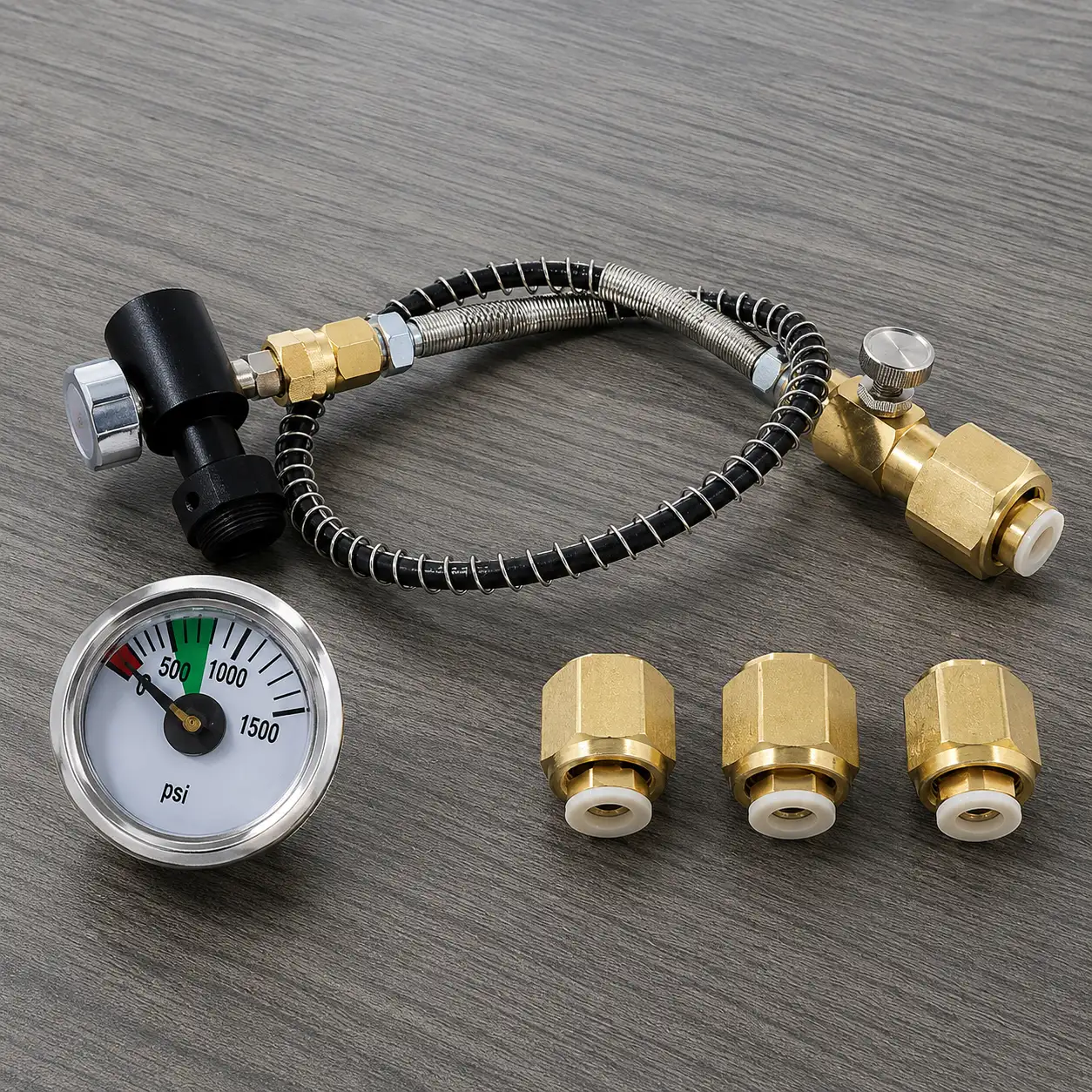
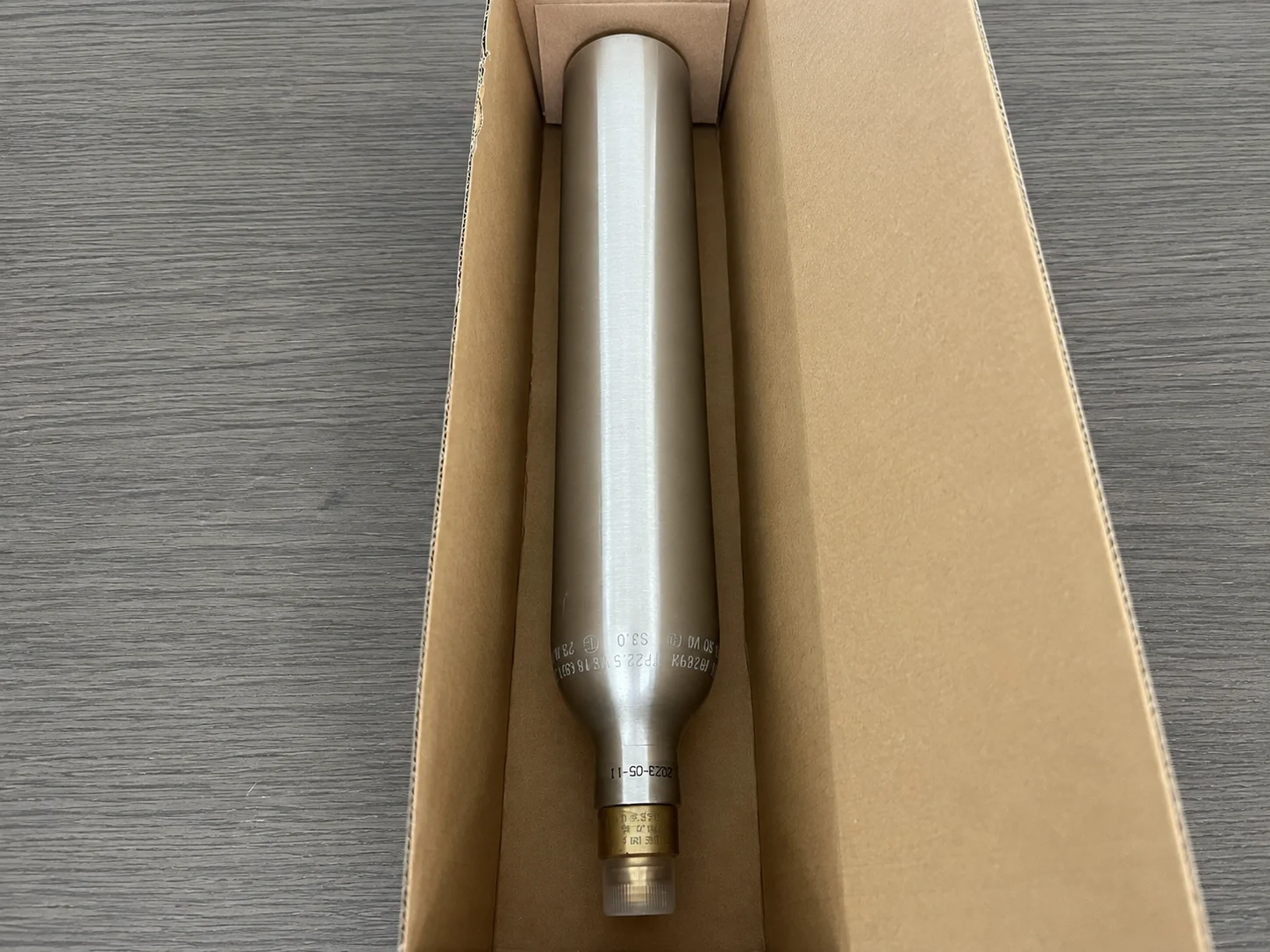
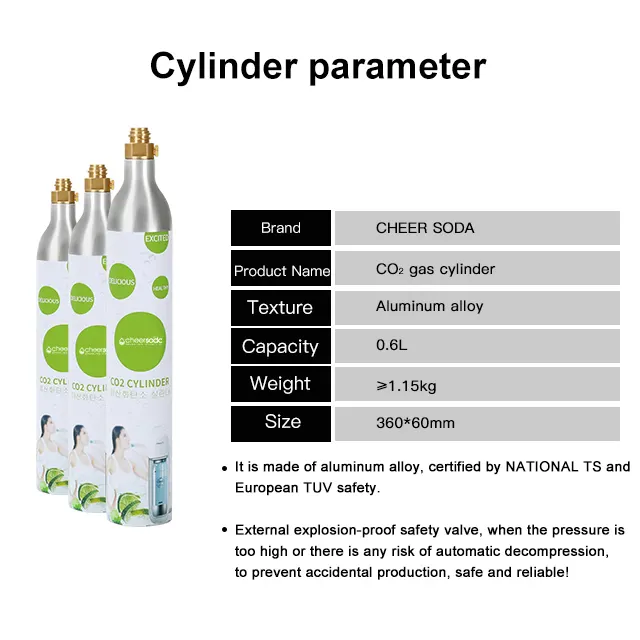
The images below show the kind of physical details buyers should check before confirming a private-label soda maker project. For real production, photos are useful, but samples and drawings are better. A factory should confirm the actual cylinder, valve, and machine interface before mass production.
How to Decide Which Cylinder System to Use
There is no single “best” CO2 cylinder system for every buyer. The right choice depends on your target country, distribution model, retail price level, and whether your company will manage cylinder refill or rely on existing local refill partners.
Start by checking which 60L cylinders are already sold in your market. If customers can easily buy or refill a compatible cylinder, your after-sales pressure will be much lower.
Do not choose a cylinder system only because it looks modern. Choose the system that your customers can actually use, exchange, and refill after purchase.
Confirm whether empty cylinders can be imported, certified, labeled, and filled locally. Filled CO2 cylinders are usually more complicated for international shipping.
Confirm the source cylinder, target cylinder valve, adapter, filling capacity, safety training, and local gas regulations before discussing machine price.
Empty Cylinder, Filled Cylinder, or No Cylinder?
For many international OEM soda maker orders, machines are shipped without filled CO2 cylinders. This is because filled gas cylinders are regulated goods and can create extra shipping, customs, and documentation requirements. Some buyers choose machine plus PET bottle only. Some choose machine plus empty cylinder. Some distributors source cylinders locally and only ask the factory to ensure machine compatibility.
The safest approach is to decide the cylinder strategy before confirming packaging. A retail box designed for “machine only” is different from a box designed for “machine plus bottle plus cylinder.” Carton dimensions, gross weight, warning marks, manual content, and local distributor responsibility can all change.
What the Factory Needs Before Quoting
A reliable quotation requires more than “please send your best price.” If a buyer needs cylinder compatibility, empty cylinders, refill accessories, or a refill machine, the factory needs technical context. Without this context, the quotation may look fast but become inaccurate later.
- Target country or region for the soda maker launch.
- Preferred machine model, such as G720, G15, G830, or another platform.
- Whether you need machine only, machine plus bottle, or machine plus empty cylinder.
- Local CO2 cylinder valve type: TR21-4, Quick Connect, G1/4, or another confirmed standard.
- Whether filled cylinders will be sourced locally or imported as empty cylinders.
- Whether you need spare valves, seals, nozzles, bottles, or cylinder accessories.
- Whether your project needs CO2 cylinder accessories or only home soda makers.
- Retail packaging requirements, manual language, barcode, carton mark, and warning label needs.
- Whether any customer logo, package photo, or cylinder label must remain confidential.
How Cheersoda Handles Compatibility Review
For OEM and private-label projects, our recommended workflow is simple: confirm the market standard first, test the cylinder interface during sampling, then approve production only after the buyer and factory agree on the cylinder plan. This avoids changing the structure after packaging artwork or tooling details have already started.
For standard soda maker orders, we can help buyers review whether a regular screw-in cylinder system is suitable. For projects involving quick-connect systems, refill machines, or unusual local valve standards, we recommend providing a physical cylinder sample or exact technical drawing before final confirmation.
When a project involves a customer-owned logo or private-label package, we can keep the public reference anonymous. The testing discussion can be based on cylinder parameters, interface photos without visible logos, or internal sample numbers agreed with the buyer.
Testing Points Before Mass Production
Once the cylinder system is confirmed, testing should focus on the full user operation. The cylinder must connect smoothly, gas should enter the bottle correctly, the machine must release pressure safely, and the bottle lock should remain stable during carbonation. These details sound small, but they are exactly the details that decide customer experience.
| Testing Item | Why It Matters | Buyer Evidence to Request |
|---|---|---|
| Cylinder connection | Confirms whether the valve and machine interface match correctly. | Sample test photo or short video. |
| Gas leakage check | Reduces safety risk and after-sales complaints. | Factory pressure or leak test evidence. |
| Bottle lock test | Ensures the bottle stays stable during carbonation. | Operation test video. |
| Pressure release | Protects the user before bottle removal. | QC checklist or inspection video. |
| Packaging confirmation | Ensures the bottle, cylinder, manual, and accessories fit the box. | Pre-production packing photo with confidential artwork hidden if needed. |
Factory Testing Video Reference
This factory video can be used as a buyer-side reference for reviewing assembly and inspection steps. For cylinder-specific projects, we can also record sample testing based on the buyer’s selected cylinder system. If the project is confidential, customer logos and package artwork can be excluded from public material.
Common Mistakes Buyers Should Avoid
The most common mistake is assuming that all soda maker cylinders are the same. They are not. Even when two cylinders look similar, the thread, valve structure, sealing method, or refill ecosystem may be different. A second mistake is confirming retail packaging before confirming whether the product set includes a cylinder. A third mistake is choosing a quick-connect system without checking local refill availability.
Another common issue is asking the factory to ship filled CO2 cylinders together with machines without checking import rules first. This can cause shipping delays, extra documentation, or shipment refusal. For most first-time distributor projects, it is safer to test the soda maker and bottle first, then build the local cylinder supply plan with a gas partner.
Cylinder fit is only half of the compatibility check; the machine’s own food-contact and pressure-safety documentation matters just as much. See how we document it on our quality and compliance page.
Recommended Buyer Checklist
- Confirm the local cylinder refill or exchange system before choosing the machine structure.
- Ask your local gas supplier which valve/thread standard they support.
- Decide whether your first order needs empty cylinders or machine plus bottle only.
- Send the factory actual cylinder photos, drawings, or samples if the valve is not standard.
- Ask for sample testing evidence before mass production.
- Confirm packaging layout after cylinder and bottle configuration is finalized.
- Keep spare seals, valves, bottle caps, and nozzles available for after-sales support.
- Confirm what project information can be shown publicly and what must stay confidential.
Related resources: soda maker valve and connector supplier, empty CO2 cylinder supply and our soda maker models and the soda water vs sparkling water guide.
FAQ
What is the most common CO2 cylinder type for soda makers?
Many soda maker projects use 425g / 60L cylinders with screw-in valve systems, often discussed around TR21-4 compatibility. However, the exact standard must be confirmed based on the target market and local refill supplier.
Can I ship filled CO2 cylinders together with soda makers?
Filled CO2 cylinders are regulated goods and can be difficult for international shipping. Many OEM buyers choose machine plus bottle only, or machine plus empty cylinder, then arrange local filling in the destination market.
What is the difference between TR21-4 and Quick Connect?
TR21-4 is commonly associated with traditional screw-in cylinder systems. Quick Connect is a newer snap-on style system. They require different machine structures and should not be mixed without technical confirmation.
Do I need to send a cylinder sample to the factory?
If your market uses a non-standard cylinder or you are not sure about the valve, sending a physical sample or precise technical drawing is strongly recommended before production.
Can a factory check compatibility without exposing our brand?
Yes. A private-label buyer can share samples, drawings, or photos privately with the factory. Public content can describe the valve type, cylinder system, and testing method without showing the buyer’s logo, packaging, or brand name.
Can Cheersoda help with CO2 cylinder & accessory projects?
Yes, we can discuss CO2 cylinder & accessory projects, but the configuration depends on source cylinder type, target cylinder valve, filling capacity, safety requirements, and local gas regulations.
Need Help Checking CO2 Cylinder Compatibility?
If you are planning a soda maker OEM, private-label, or distributor project, send us your target market, preferred model, cylinder valve type, and expected order quantity. We can help review the machine, bottle, cylinder, and packaging configuration before you move into sampling, while keeping customer-owned brand details confidential.
Confirm Compatibility