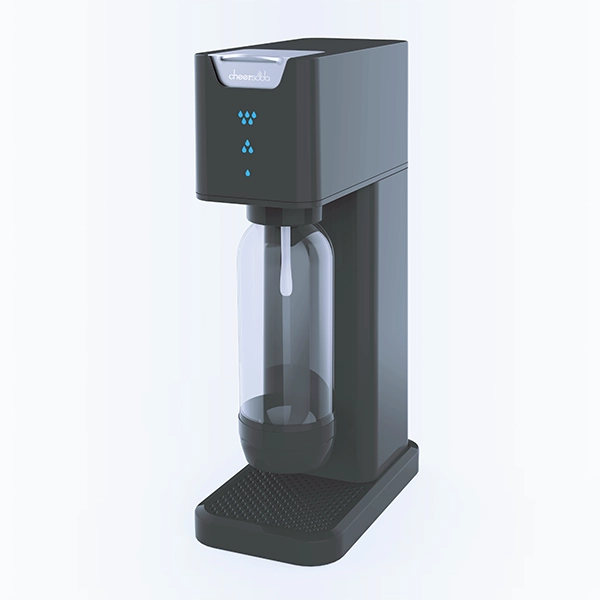
G3 for a First Launch
Review the G3 for your first range. Check its operation, bottle fit and packed size against your target retail price before requesting a branded sample.

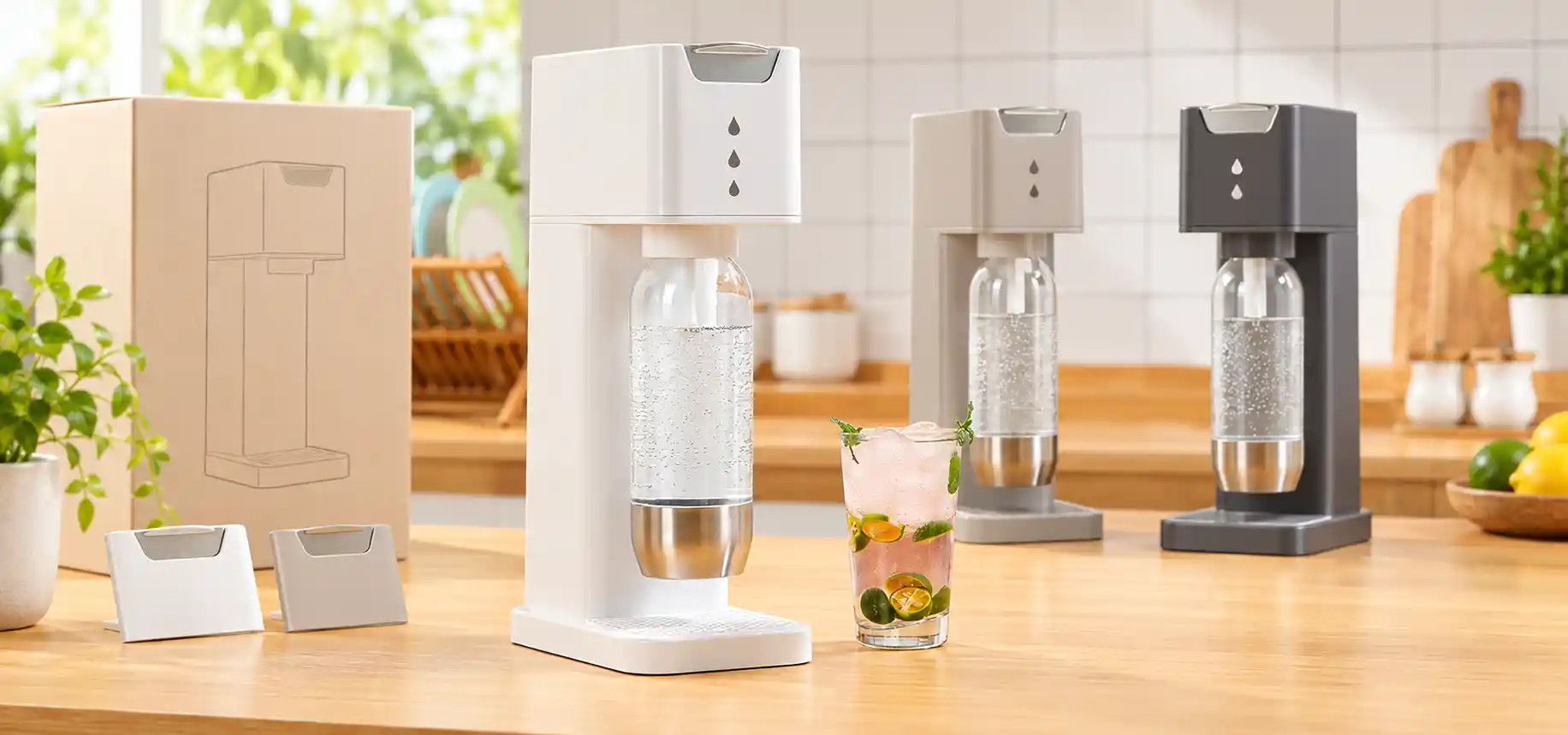
Plan a soda maker range that fits your kitchenware collection, from finish and color references to home operation, bottle configuration and gift-box packaging. Cheersoda's standard MOQ is 300 units. Review the physical sample before production.
A home soda maker can sit alongside your kettles, coffee makers and drinkware. Before choosing one, check how its size, finish and retail price will fit the products your customers already buy.
Start with your target retail channel, preferred price position and existing kitchen collection. Use the sample to assess appearance, operation and packaging together.
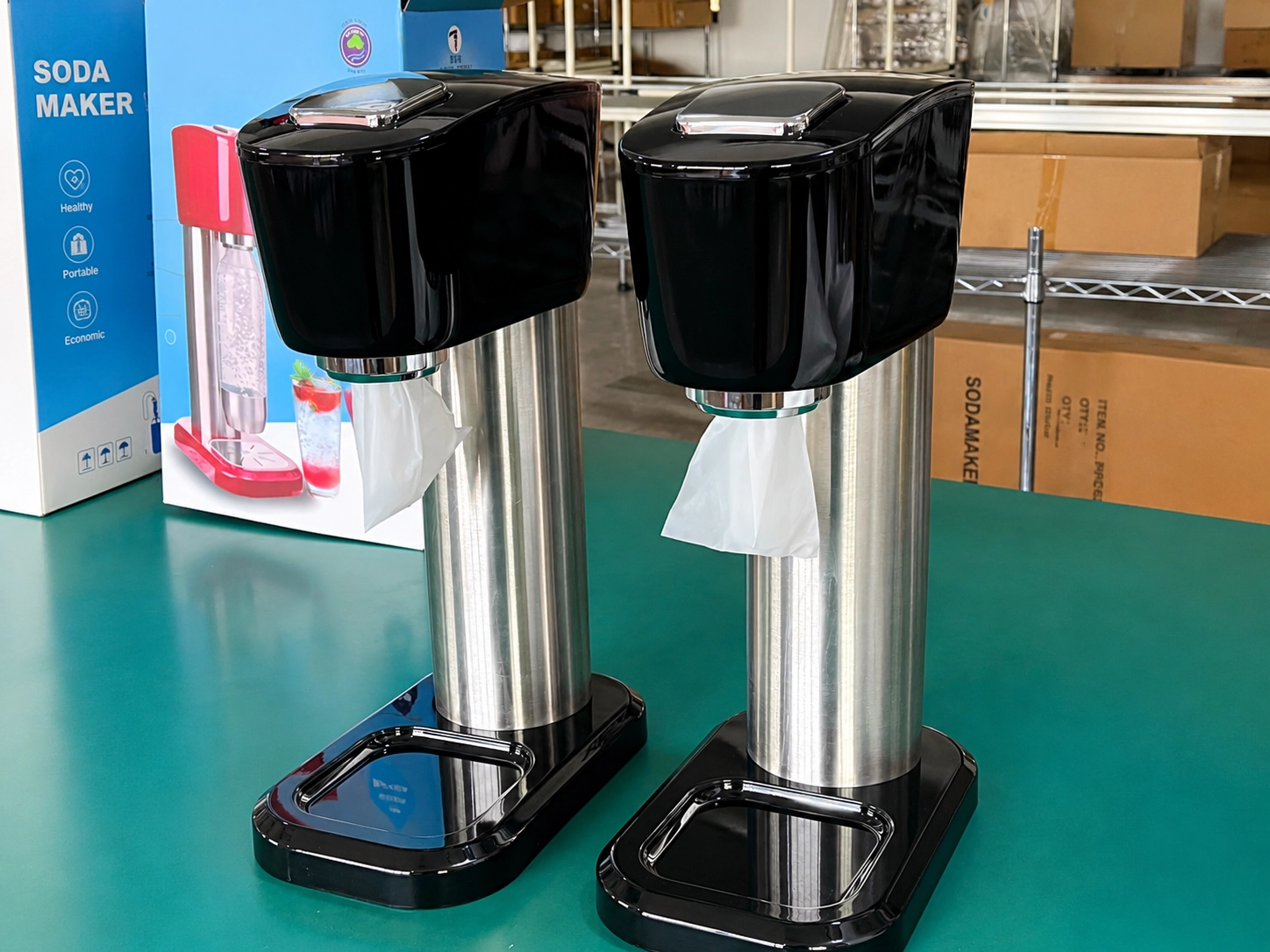
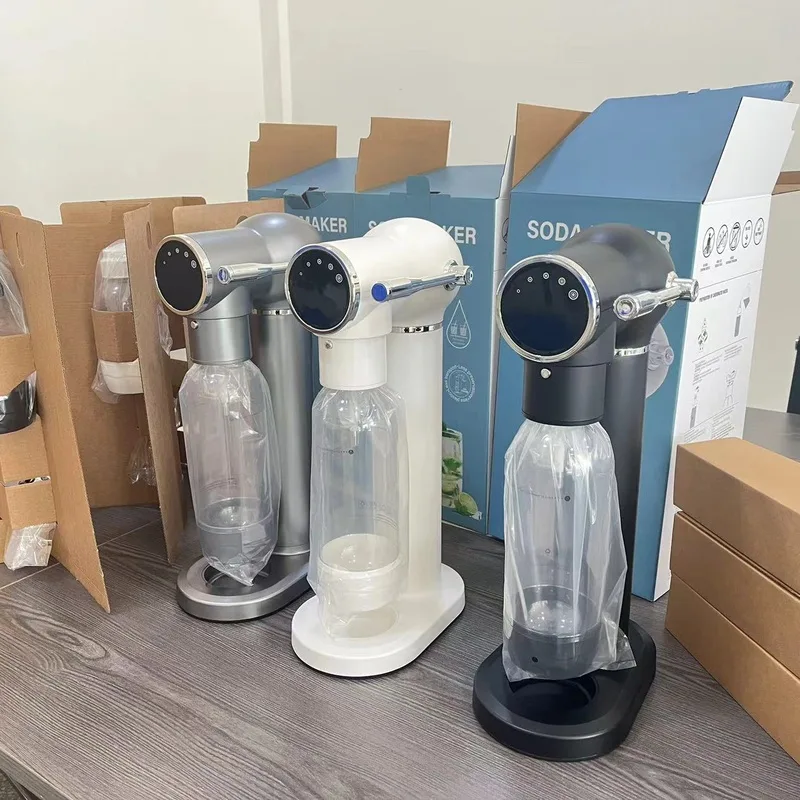
You can launch with one model. If your range needs more choice, compare a simple entry model, an everyday option and a metal-body model for gift or appliance retailers.
Review the G3 for your first range. Check its operation, bottle fit and packed size against your target retail price before requesting a branded sample.
Compare the G830 with your existing countertop appliances. Review the body color, logo area and bottle installation with the team responsible for retail presentation and customer support.
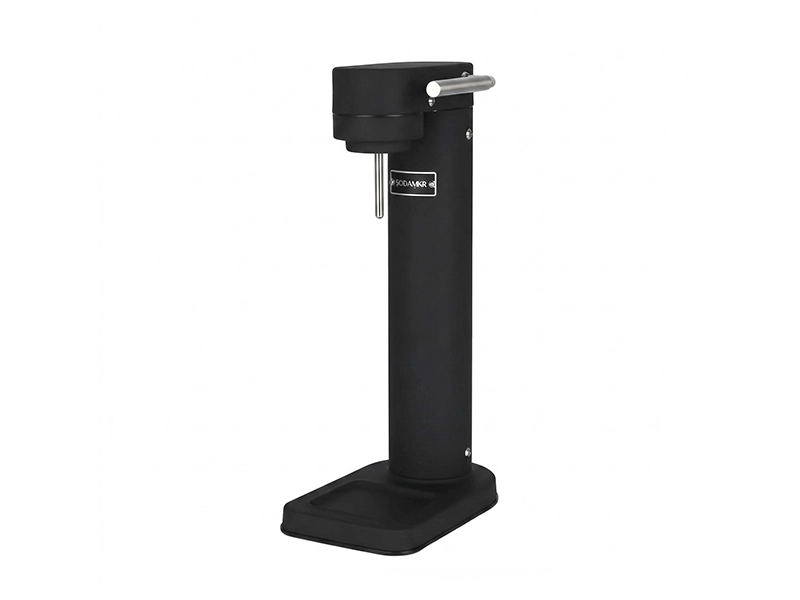
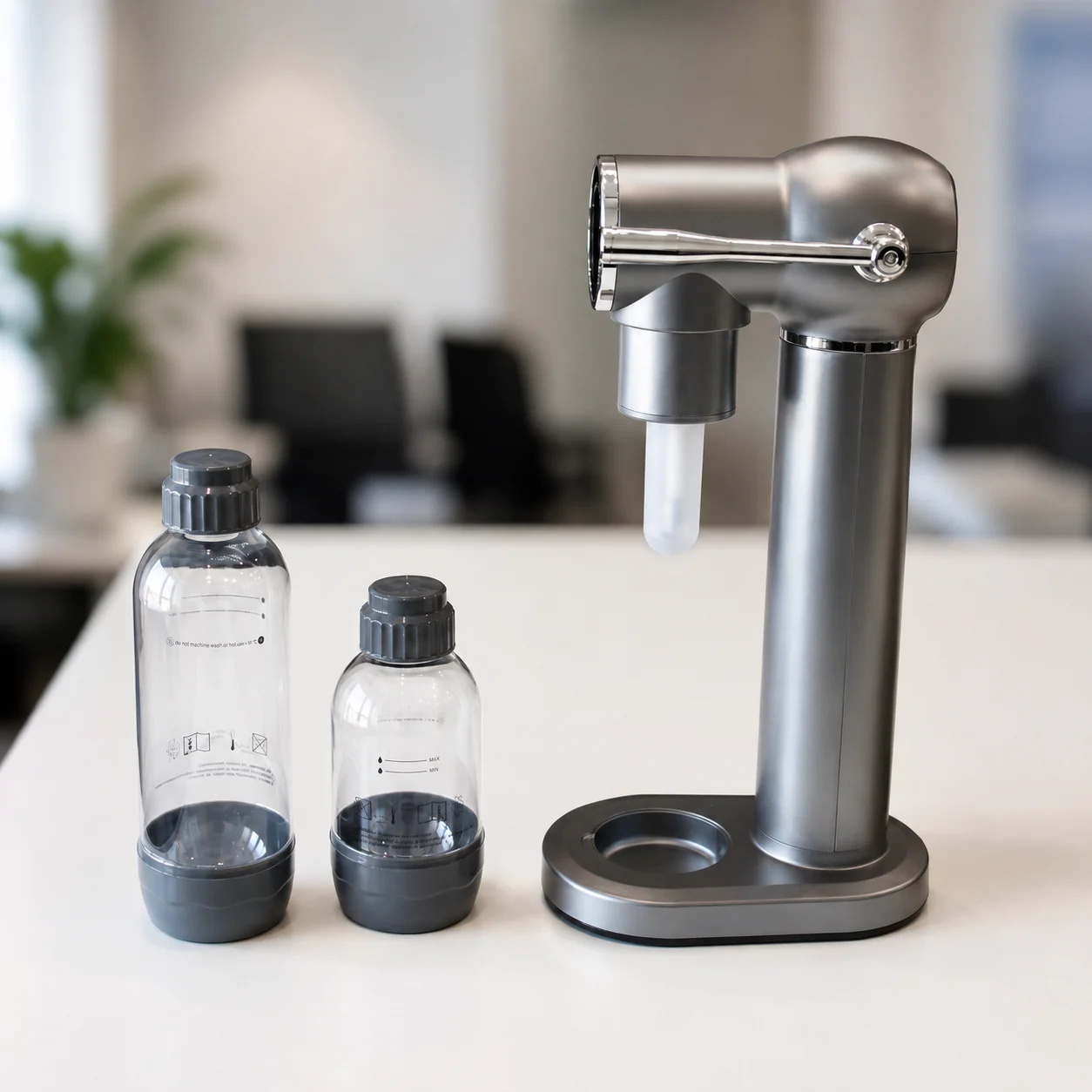
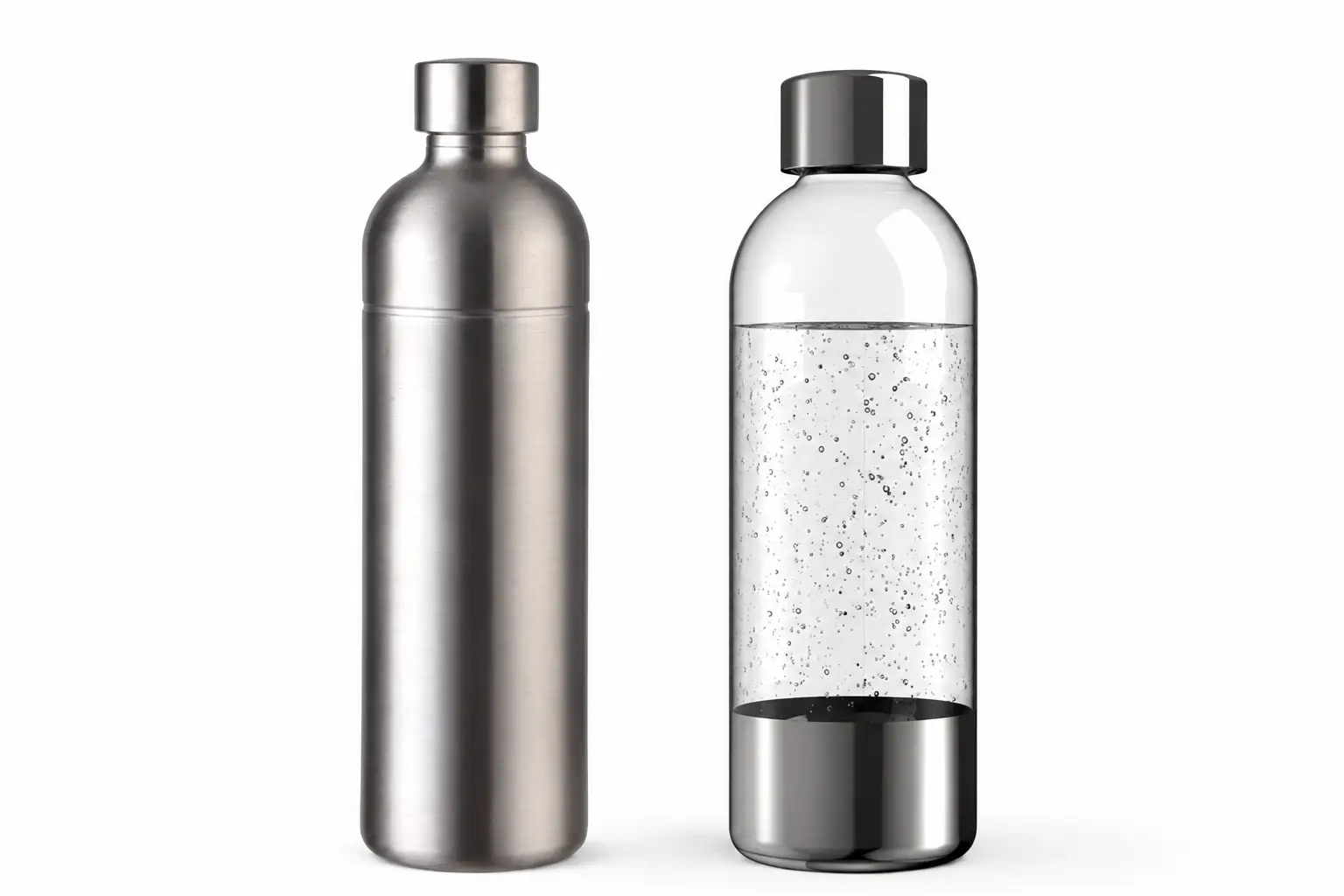
Consider the G15 when your collection includes metal-finish appliances. Review the actual model and finish sample before choosing packaging for gift shops or appliance retailers.
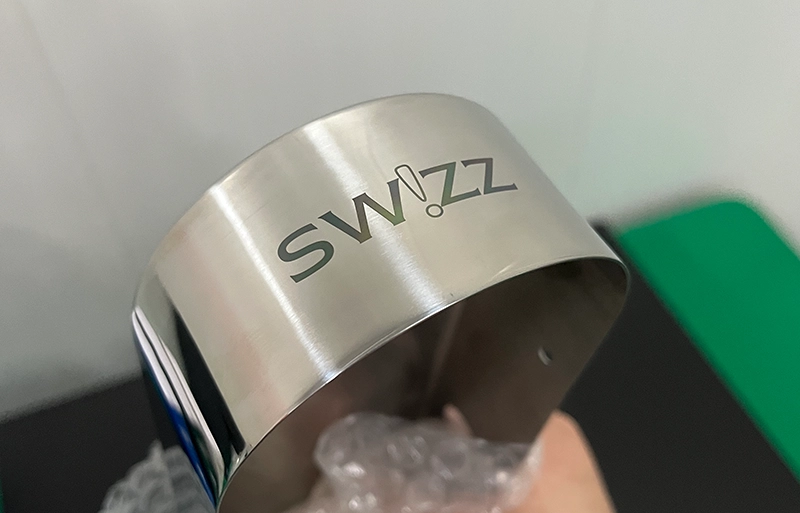
Send photos of your current collection and a color reference. We can discuss the body finish, logo placement and box artwork, then confirm the available options for your selected model.
Place the sample beside your current products. Compare the finish under the same lighting, check the space needed to fit the bottle, and review the instructions with someone using the machine for the first time.
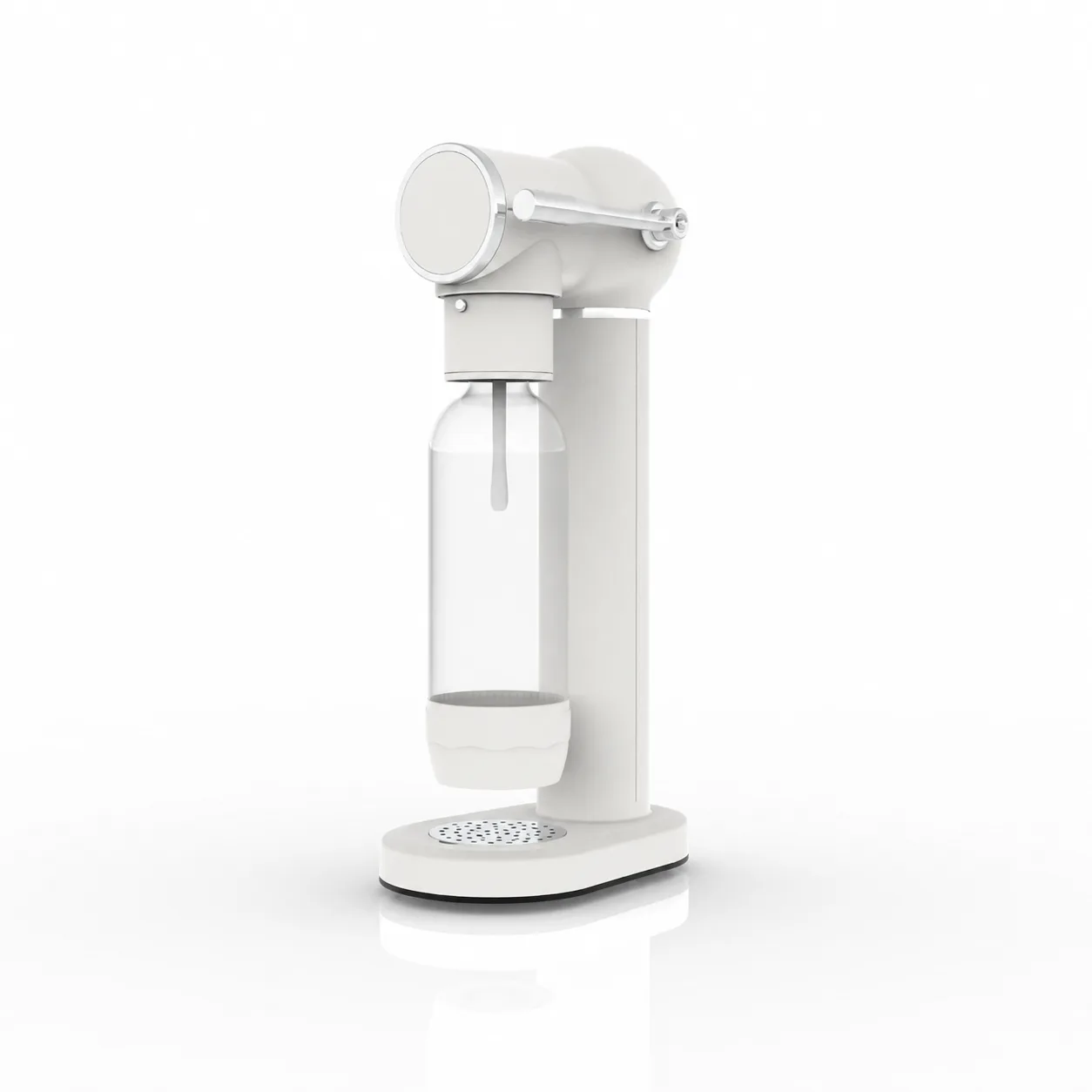
If your cookware or appliance line uses white, black, stainless, cream, green or warm neutral colors, the soda maker finish should be reviewed with the same brand palette. This makes the new product easier to place on a product family page or shelf display.
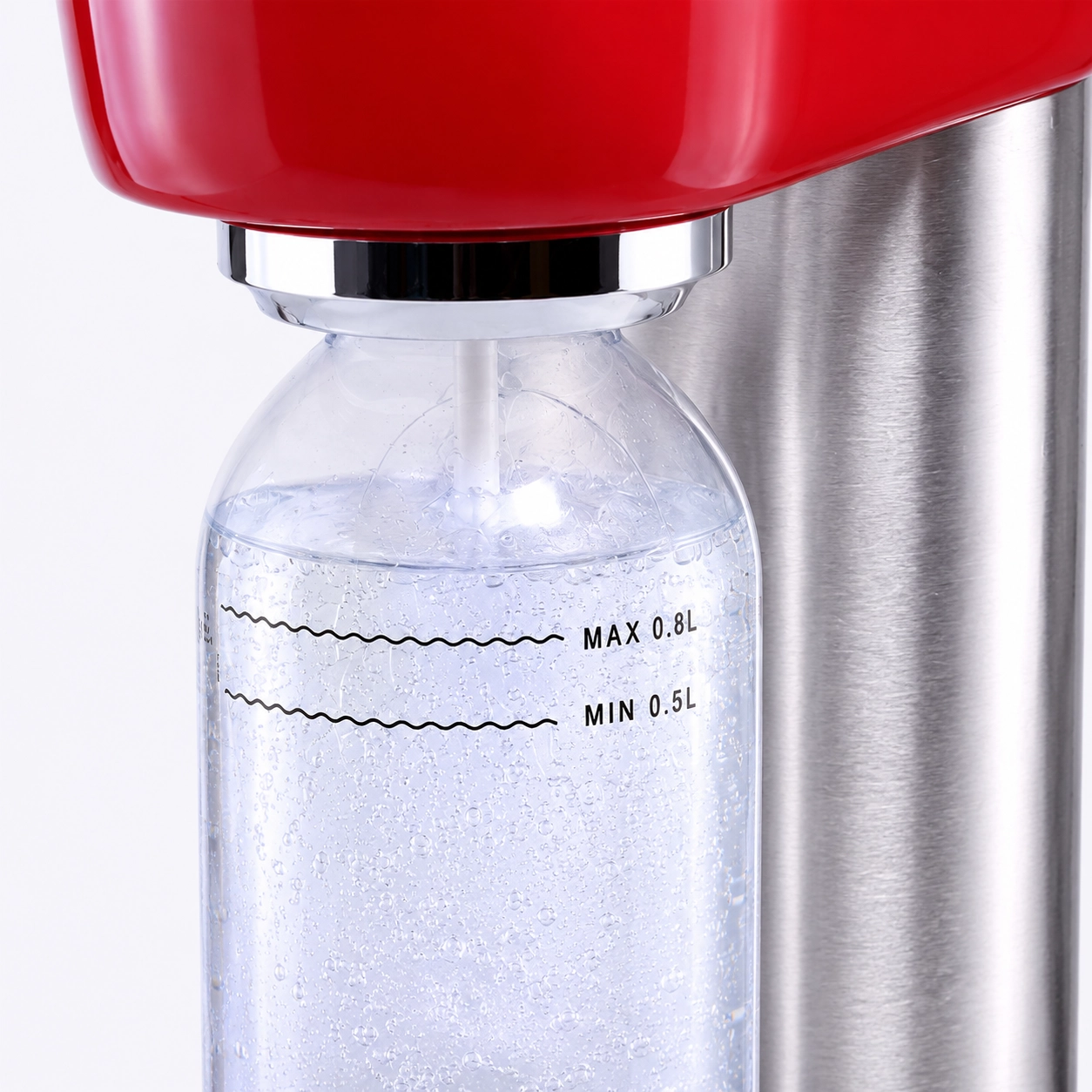
Kitchen appliance buyers often care about cabinet clearance, countertop footprint and where the bottle sits during operation. Size, height and user movement should be checked before final artwork and packaging are locked.
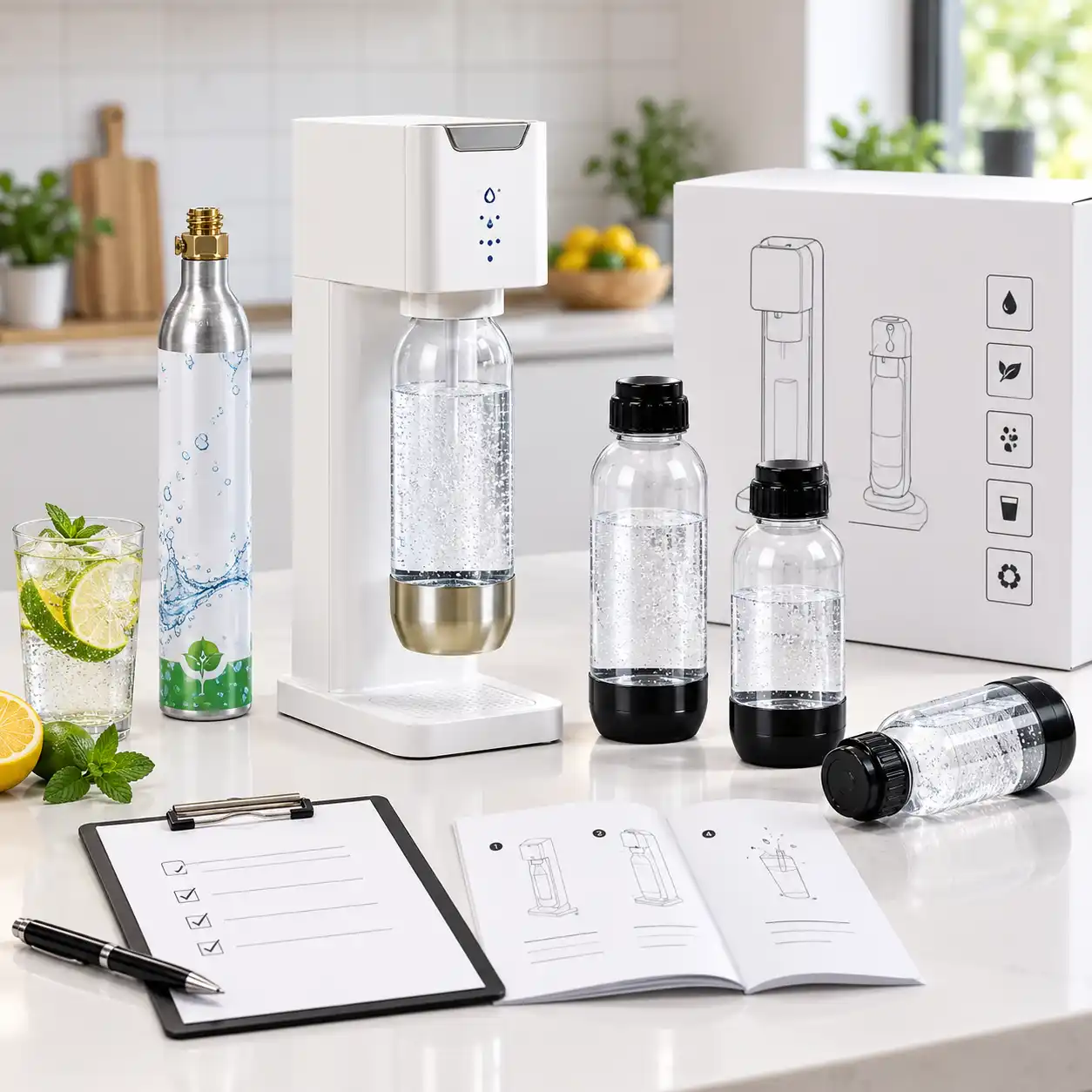
A home soda maker needs clear instructions because it involves a bottle, cylinder and pressure-related operation. Kitchenware brands should review warnings, manual language, label placement and customer service notes before mass production.
Use these checks to shortlist a model before ordering samples. Confirm material and operating details on the model page and with the supplier.
| Decision Point | What to Check | Why It Matters for Kitchenware Brands |
|---|---|---|
| Body material | Plastic, stainless steel parts, finish treatment and visible seams. | Distinguish the body material from a metallic coating. Ask which parts are stainless steel, then check the finish against your existing appliances. |
| Operation style | Manual press, carbonation feedback, bottle installation and release method. | A kitchen product should be easy to explain on packaging, product pages and in customer service replies. |
| Countertop footprint | Height, base width, water tray design and cabinet clearance. | Kitchenware buyers care about countertop fit because the product often appears beside kettles, coffee makers and water filters. |
| Bottle bundle | Default bottle, additional bottle option, cap type and packing position. | Bundle choices affect perceived value, carton size, shipping weight and replacement questions after launch. |
| CO2 cylinder system | Target market, valve type, thread, refill habit and safety note. | Compatibility mistakes can create support problems even when the machine itself is well made. |
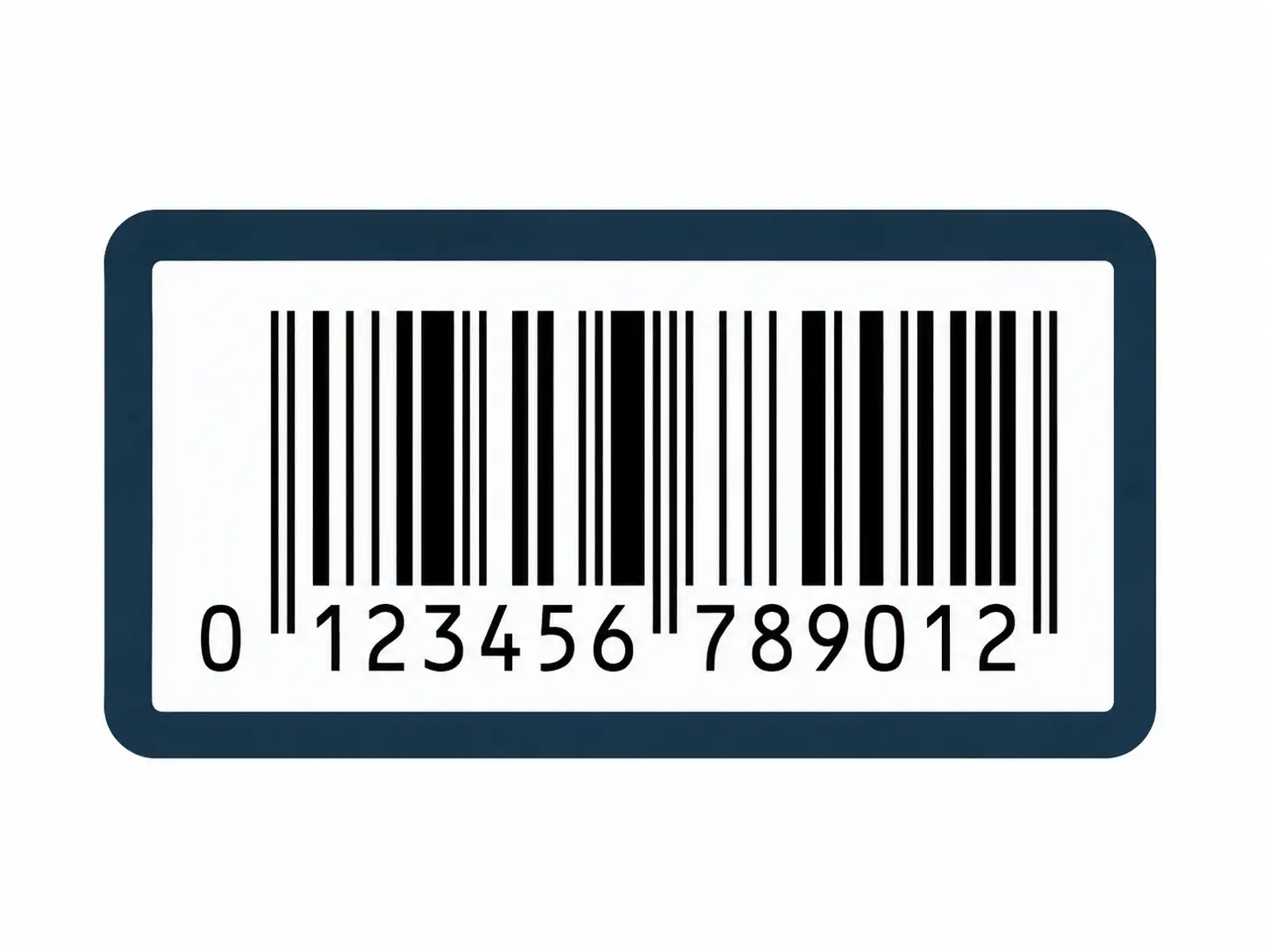
| Packaging volume | Retail box size, inner protection, barcode position and master carton plan. | Check the packed dimensions, protection and barcode against your retailer’s receiving requirements. |
Approve the product sample, color reference and packaging files together. Record any changes before production so the factory has one agreed set of requirements.
Share your current kitchen product line, target channel, price band and launch market.
Compare starter, core and upgrade models against appearance, bottle fit and packaging needs.
Review operation, color, logo placement, packaging direction and accessory set before file approval.
Check assembly, bottle installation, pressure-related details, retail box and export carton plan.
For a gift set, agree on the included bottle, box layout and unpacking instructions. For retail shelves, check the product photo, barcode and required languages. Confirm whether a CO2 cylinder is included, sold separately or sourced locally before approving the box artwork.
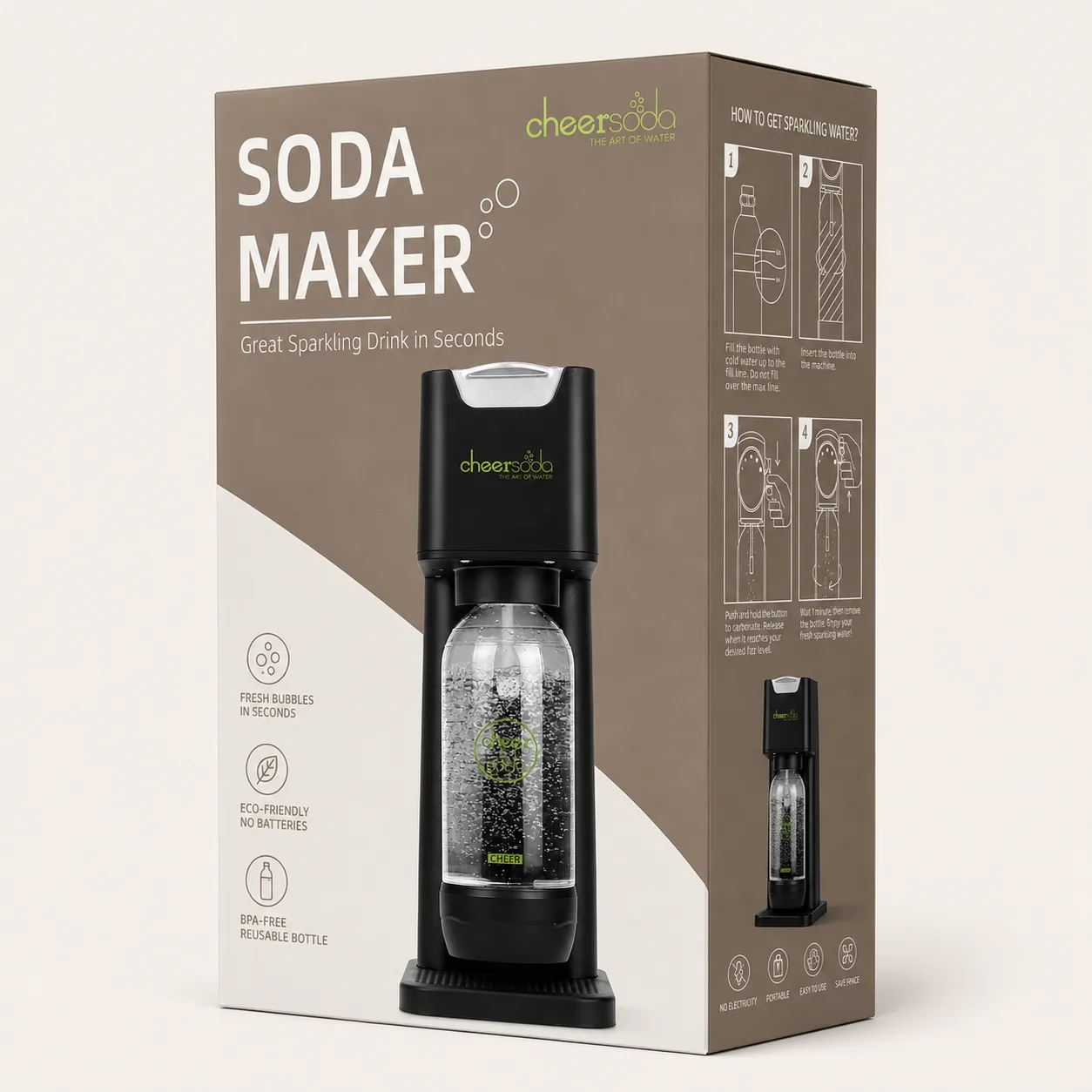
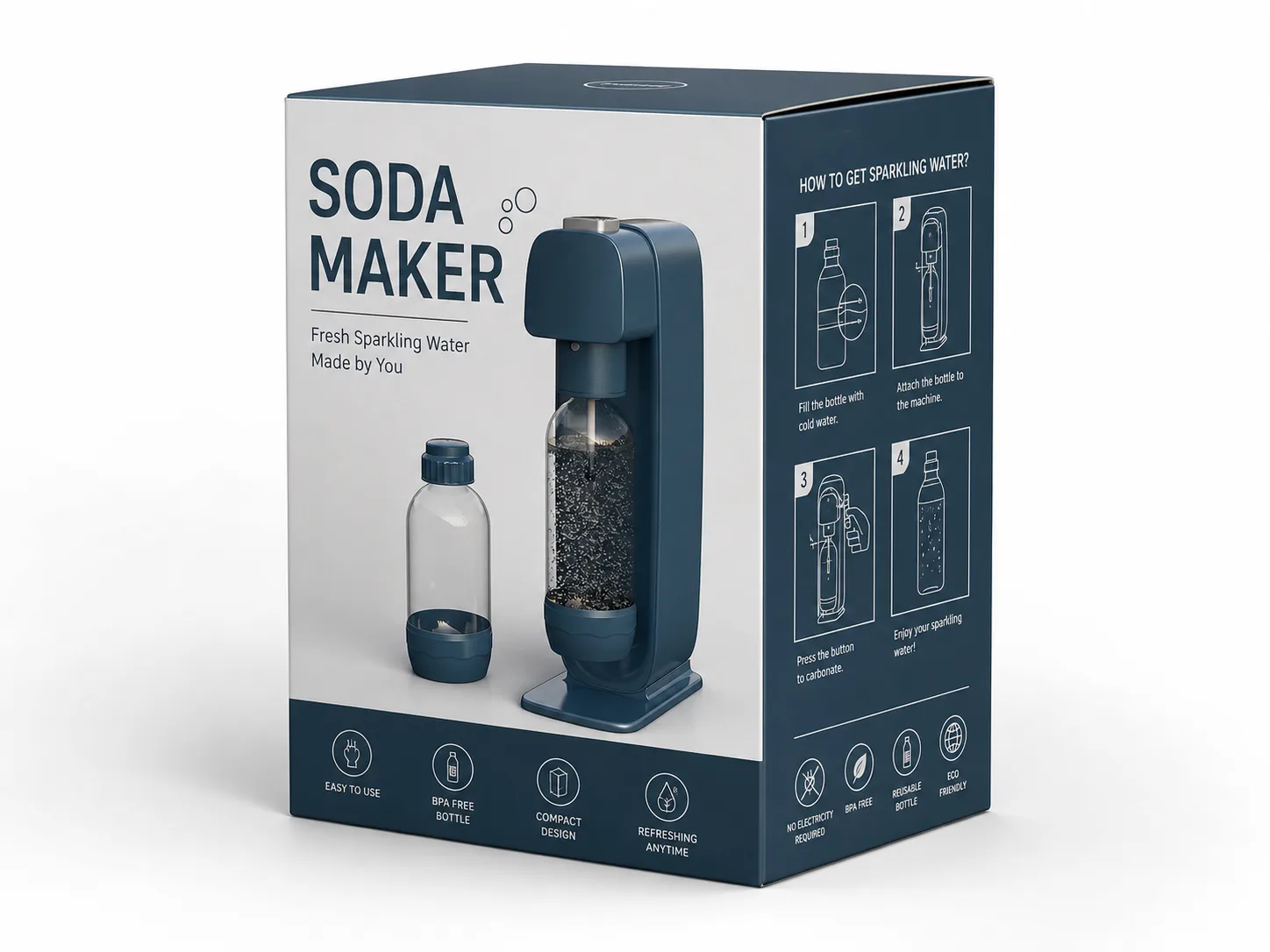
Confirm which cylinders your customers can buy or exchange locally. Send the cylinder and valve details with your model inquiry so compatibility can be checked before you approve packaging and instructions.
Include your target country, valve photo or drawing, bottle requirements and any market-specific document requests. The selected machine, cylinder connection and bottle must be checked together.
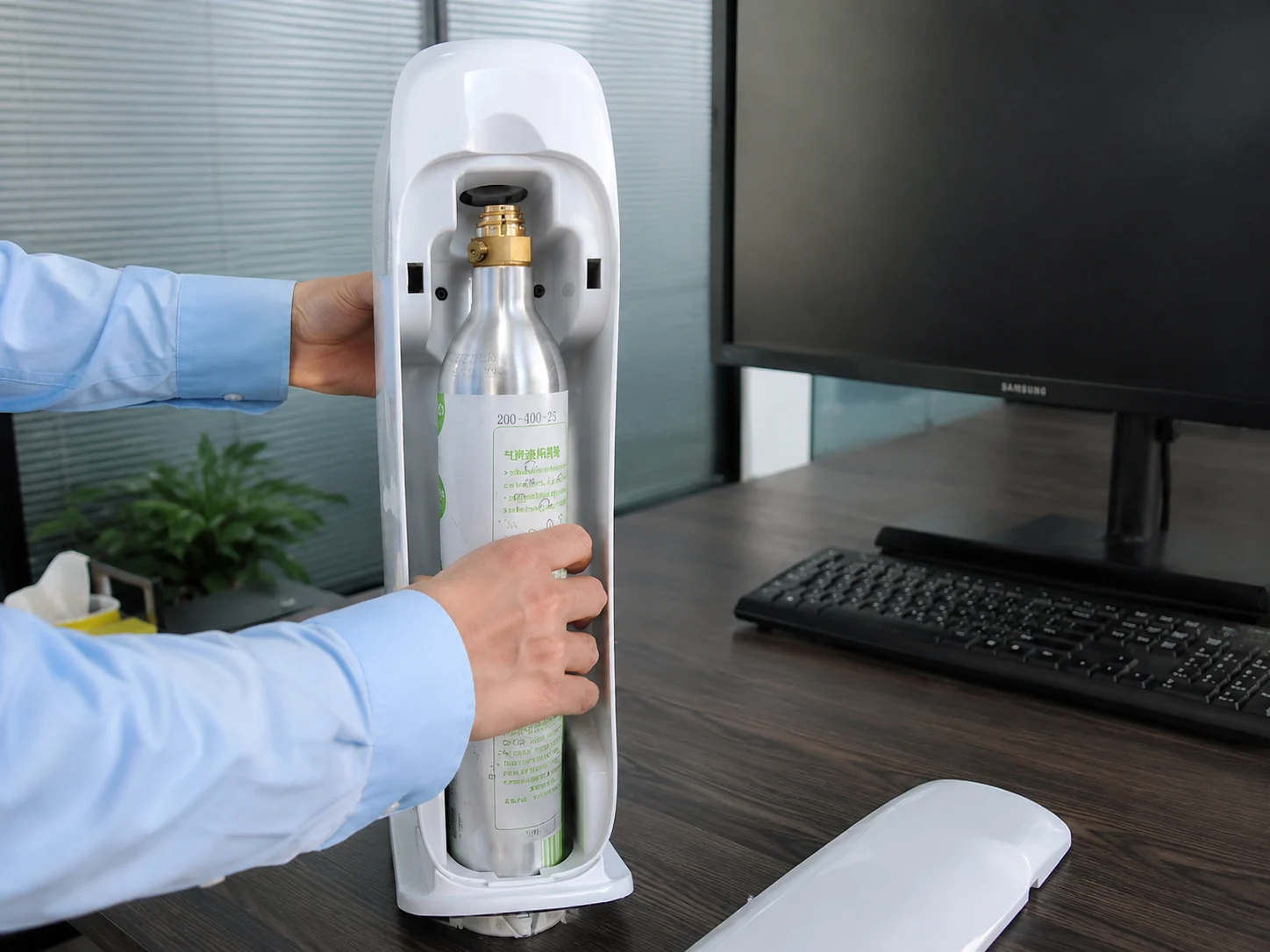
Confirm the cylinder connection for the selected model.
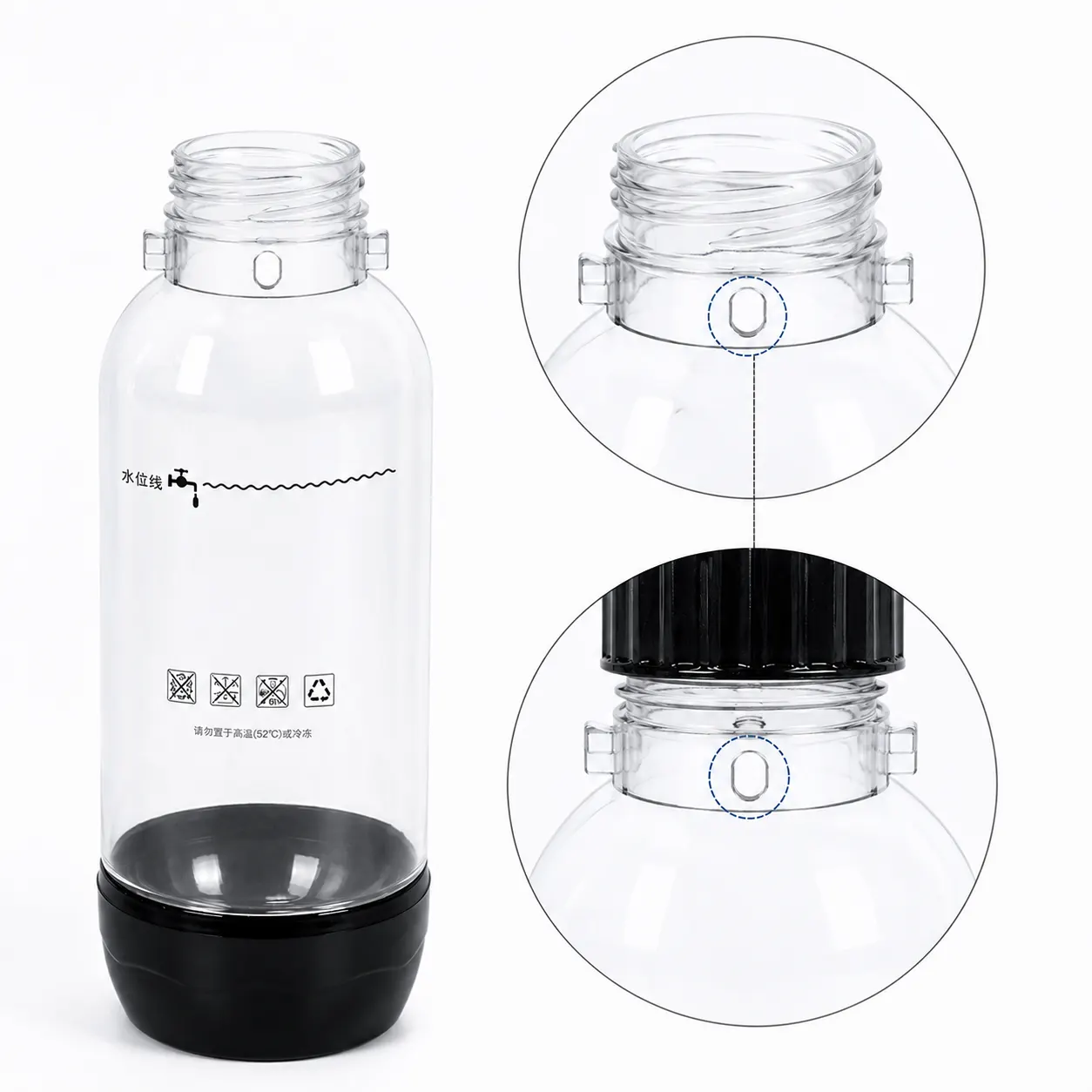
Confirm bottle installation before sample approval.
In Cheersoda’s published German project, an online retailer that had sold plastic soda makers chose the G15 for a different product range. The customer paid for changes to the existing mold. Color, finish and packaging were reviewed against the approved product requirements before shipment.
For your kitchenware collection, start with the same practical questions: which details need to match your existing products, what can be changed on the selected model, and which sample will be used for production approval?
Read the German G15 projectReview the factory video, then ask which assembly, bottle-fit and pressure checks apply to your selected model. Agree on inspection criteria and the records required before shipment during sample approval.
Send your target market, estimated order quantity and preferred launch date. Add the items below so we can discuss suitable models, packaging and samples.
Share whether the product will sell through kitchenware stores, home goods channels, DTC, appliance retailers or mixed e-commerce.
Tell us if you need sample photos, operation checks, bottle fit review, packaging drop notes or pre-shipment images.
Prepare logo files, color references, manual language, box artwork direction and any target market document request.
Related guides: sample order guide.
Common questions from kitchenware brands planning a private label home soda maker line.
Send a color reference and photos of your current range. Cheersoda can review the finish and logo options for the selected model. Approve a physical color sample before production; a screen image alone is not a reliable color reference.
One model may be enough for a first launch. Add a second model when it serves a different retail price or channel. Compare the sample, packed size and bottle requirements before choosing the range.
Start by reviewing the G15 and the stainless steel range. Confirm the actual body material, finish and available customization for the selected model before matching it to your collection.
Agree on the machine, bottle quantity, instructions and protective packaging. Confirm separately whether a CO2 cylinder will be included or purchased locally, and make that clear on the box.
Yes. Request the sample configuration you need to assess: body color, logo, bottle and packaging. Confirm which items are included in the sample quote and record any changes before approving production.
The selected model, body color, logo process and printed packaging affect the order requirements. Send your expected quantity and artwork needs so Cheersoda can confirm the applicable minimum order and sample options.
Send the target country and the cylinder valve photo or drawing. Confirm the connection against the selected model before sample approval. Do not assume that cylinders with a similar appearance are interchangeable.
Send your target country, sales channel, preferred model, order quantity and launch date. Include color references, logo files, bottle quantity, packaging languages and any required test documents.
Send your target market, channel type, preferred style, order quantity, color direction, packaging needs and sample timeline. Cheersoda will review model suitability, customization requirements and the next steps for sample evaluation.