
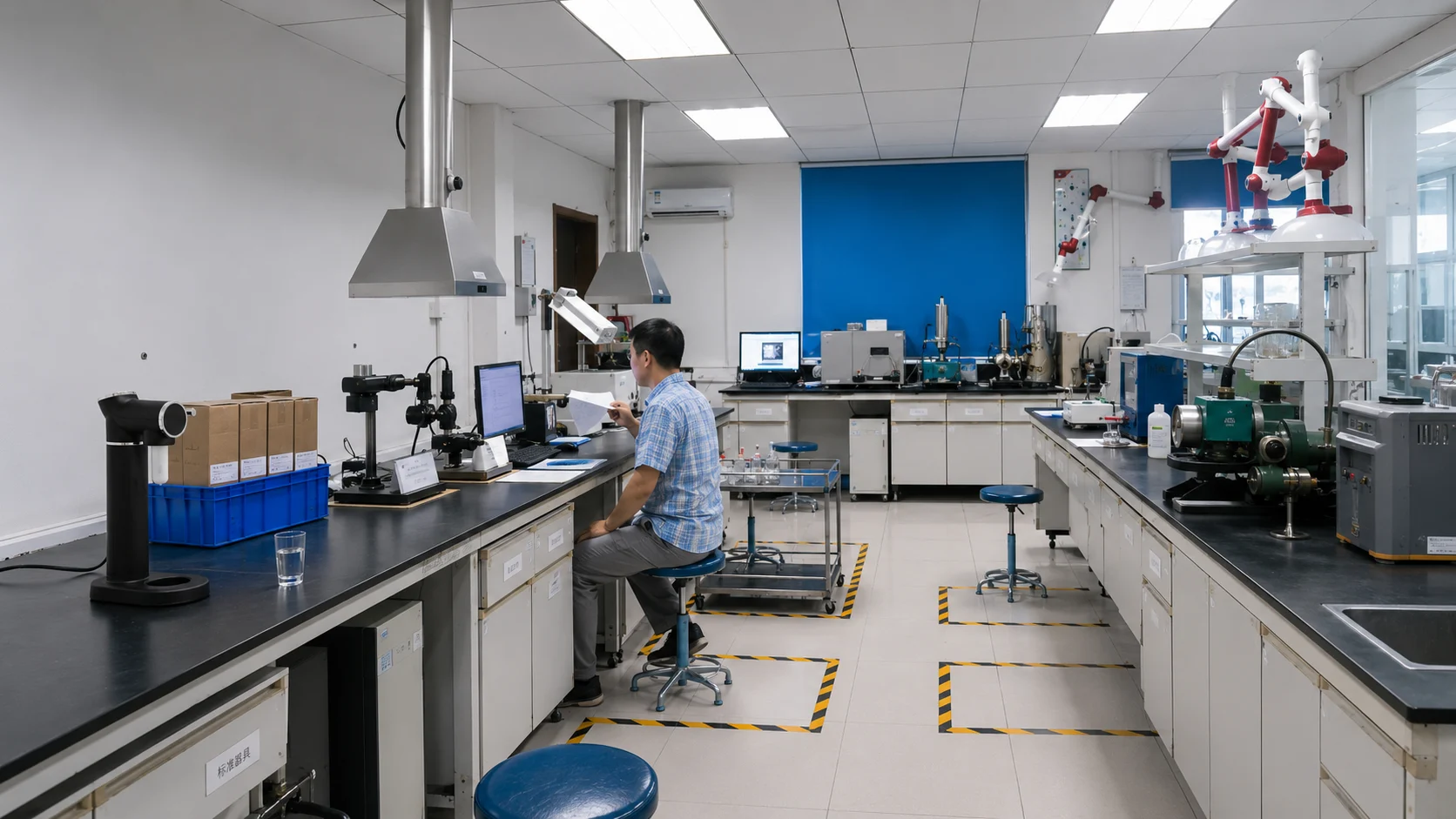
Quality Control and Compliance for Home Soda Makers
Cheersoda supports B2B buyers sourcing sparkling water makers with factory-side quality control, material review, wet leak testing, pressure-related checks, packaging inspection, and compliance-document coordination for OEM and private-label orders.
How Cheersoda Manages Soda Maker Quality and Compliance
Cheersoda manages quality and compliance through a structured factory-side process designed for OEM and private label soda maker projects. This process includes strict incoming part inspection, material and accessory review, in-line assembly checks, wet leak testing, and pressure-related functional checks. Before shipment, we conduct thorough packaging inspection and coordinate required compliance documentation based on the buyer's destination market. By verifying components from the raw material stage through to final carton packing, Cheersoda helps importers, distributors, and retail buyers mitigate procurement risks and maintain consistent batch quality.
Quality and Compliance Snapshot
An overview of our core inspection areas designed to protect your brand reputation and streamline your import process.
Incoming Parts Inspection
We verify plastic housings, internal valves, and hardware components before assembly begins. This prevents defective materials from entering the production line, saving time and ensuring structural consistency for large-scale procurement.
Material and Food-Contact Review
Water-contact components are reviewed against food-contact material standards. We coordinate documentation to support compliance requirements, helping importers navigate regulatory expectations in their target markets.
Soda Maker Assembly Checks
During production, our quality team monitors housing alignment, button responsiveness, and component fit. This in-line inspection ensures the final product matches the approved pre-production sample.
Wet Leak Testing
Every single unit undergoes 100% wet-leak testing and high-pressure gas checks before shipment.
100% Gas-Tightness and Functional Checks
Every finished unit receives gas-tightness and functional checks before packaging. Valve response, bottle locking, and carbonation operation are checked to confirm that the mechanical parts respond correctly during the carbonation process.
Packaging and Document Review
Final inspections include color box accuracy, barcode scanning, manual consistency, and carton mark verification. This ensures your products are retail-ready and documentation matches the shipment details.
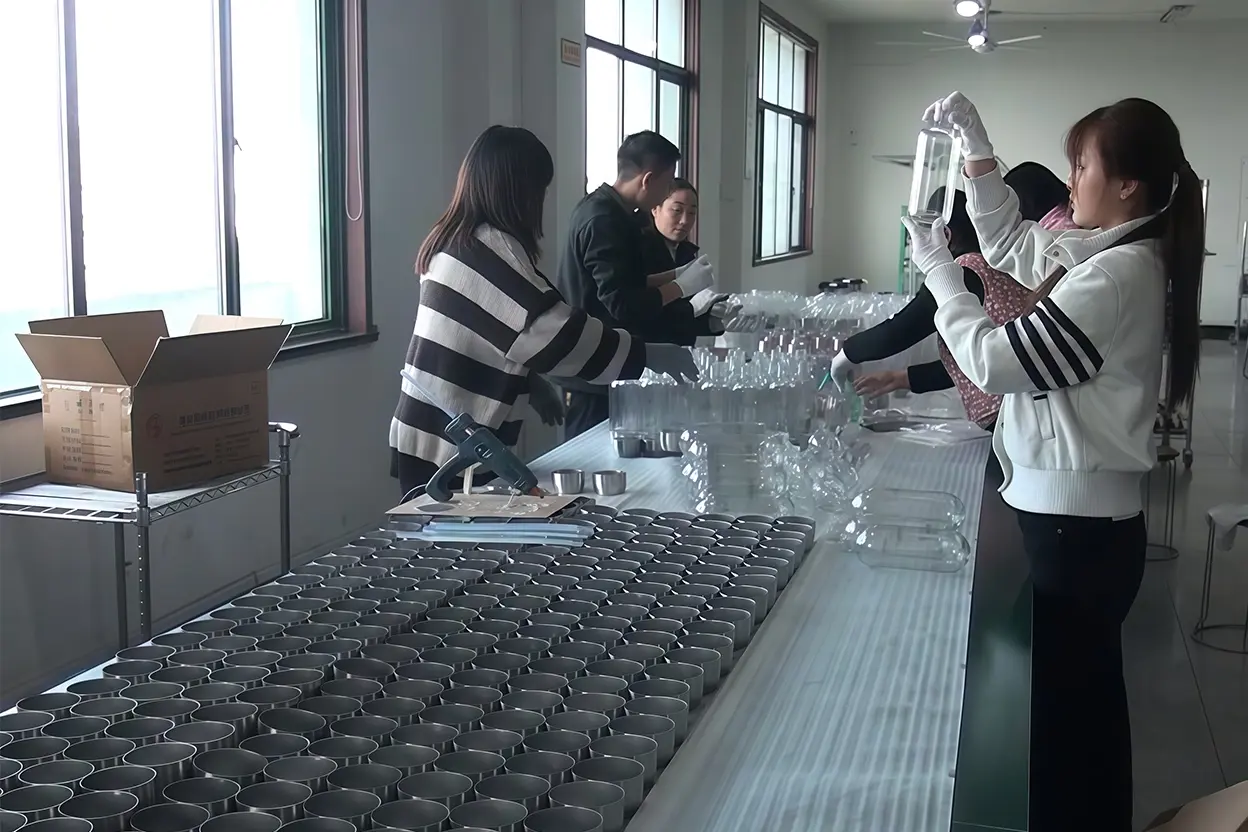
What Quality Means for B2B Soda Maker Buyers
For importers, soda maker distributors, and private-label brands, quality goes far beyond the initial look of a sample. In B2B procurement, quality means predictable execution and reduced risk before shipment.
- Stable batch consistency: Ensuring the 5,000th unit performs exactly like the approved golden sample.
- Component reliability: Verifying bottle fit, valve responsiveness, and carbonation-related components.
- Retail readiness: Confirming retail packaging accuracy, barcode readability, and instruction manual consistency.
- Document readiness: Preparing the necessary paperwork to facilitate smooth import processes.
Our factory-side soda maker quality control focuses on these critical B2B metrics, ensuring that your OEM soda maker orders arrive ready for market distribution.
Compliance Scope for OEM and Private Label Projects
Different buyers have distinct compliance priorities based on their business model and destination market. Cheersoda works closely with clients to understand these requirements early in the project phase.
Importers typically need thorough document review before customs clearance. Retail chains focus heavily on packaging, barcode, and labeling accuracy for shelf display. Private label brands require strict material and instruction manual consistency to align with their brand identity, while distributors prioritize repeatable batch quality to minimize returns.
Documentation can be prepared or reviewed according to the agreed project scope. Common document requests include ISO 9001, FDA food-contact material references, LFGB, EU FCM, RoHS, and related test reports. We coordinate with you to ensure the necessary files are in order before production concludes.
Incoming Parts Inspection Before Assembly
Quality begins before assembly. Our incoming quality control (IQC) team inspects raw materials and components as they arrive at the facility. Buyers can use our supplier audit checklist to confirm the inspection points that matter before production.
- Plastic housing parts for color and finish
- Valve-related components and O-rings
- Bottle connection parts and locking mechanisms
- Buttons, levers, and mechanical springs
- Packaging materials and color boxes
- Bottle and accessory components
Material Review for Water-Contact Components
Any part of the soda maker that interacts with water must meet specific material standards. We review these components against the documentation requested by your target market to support your compliance efforts.
- PET bottles and base materials
- Stainless steel carbonating tubes
- Caps, silicone seals, and O-rings
- Components that directly contact water
- Documentation request coordination (FDA, LFGB, EU FCM)
Bottle Fit and Accessory Matching
A seamless user experience relies on the precise fit between the machine and its accessories. Our quality team conducts physical matching tests to ensure compatibility across all included items.
Bottle Connection
Testing the bottle locking fit, insertion feel, and thread or connection compatibility for soda maker bottles.
Accessory Sets
Confirming spare bottle set matching, CO2 cylinder accessory compliance, and overall packaging set confirmation.
Wet Leak Testing for Soda Maker Assembly
Every single unit undergoes 100% wet-leak testing and high-pressure gas checks before shipment to identify visible leakage in the water path and sealing areas.
- Check the internal water path for continuous flow without external dripping.
- Inspect the bottle connection area for proper sealing during operation.
- Review the carbonation-related sealing area for structural soundness.
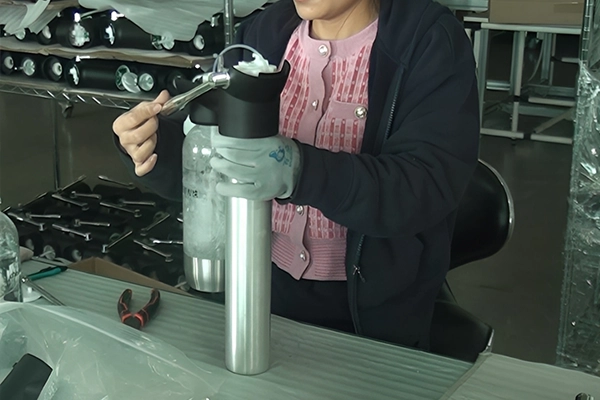
Batch Burst Testing for Carbonation Products
Carbonation involves pressurized gas, making structural stability a core focus of our quality control. We perform functional checks to ensure the mechanical parts operate as intended under standard usage conditions.
- Valve area review for consistent gas release.
- Bottle connection review to verify secure locking.
- Carbonation button or lever response testing.
- CO2 cylinder connection fit and sealing stability during functional checks.
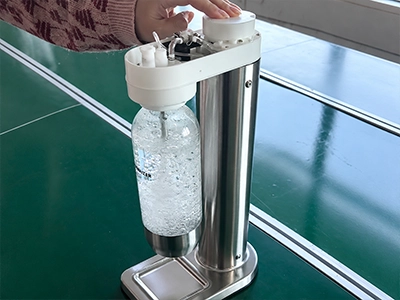
In-Line Inspection During Soda Maker Assembly
Continuous monitoring during the assembly process helps identify and correct deviations immediately, reducing the risk of bulk order issues.
Final Inspection Before Packaging
Prior to boxing, completed units undergo a final visual and component check. This step is especially critical for private label brands and retail buyers who require perfect presentation.
Packaging and Labeling Review for Private Label Orders
For private label soda maker projects, packaging is as important as the product itself. We review the final packed cartons against the approved artwork and packing specification. See the soda maker packaging guide for the files and checks to prepare before printing.
- Color box design and structural integrity
- Barcode label placement and scannability
- Warning label inclusion where required
- Instruction manual language and printing
- Carton mark accuracy for warehouse receiving
- Importer information properly displayed
Compliance Documentation Support
Navigating import regulations requires clear paperwork. Cheersoda provides documentation support to assist your customs clearance and market entry. Documents should be confirmed before production according to destination market and buyer requirements.
- Test report copies for covered models
- Test reports based on agreed project scope
- Material declarations for food-contact parts
- Product specification sheets
- Packaging files and die-cut templates
- Photo or video proof when needed before shipment
Compliance Documents Available for Project Review
For OEM and private-label soda maker projects, buyers may request document review before sample confirmation or mass production. Start by comparing the available soda maker models, then confirm the material, destination market and required document scope. A broader product overview is also available in the B2B catalog.
Compliance documents, including FDA, LFGB and RoHS test reports for food-contact materials, are available for project review.
Request Certificate Pack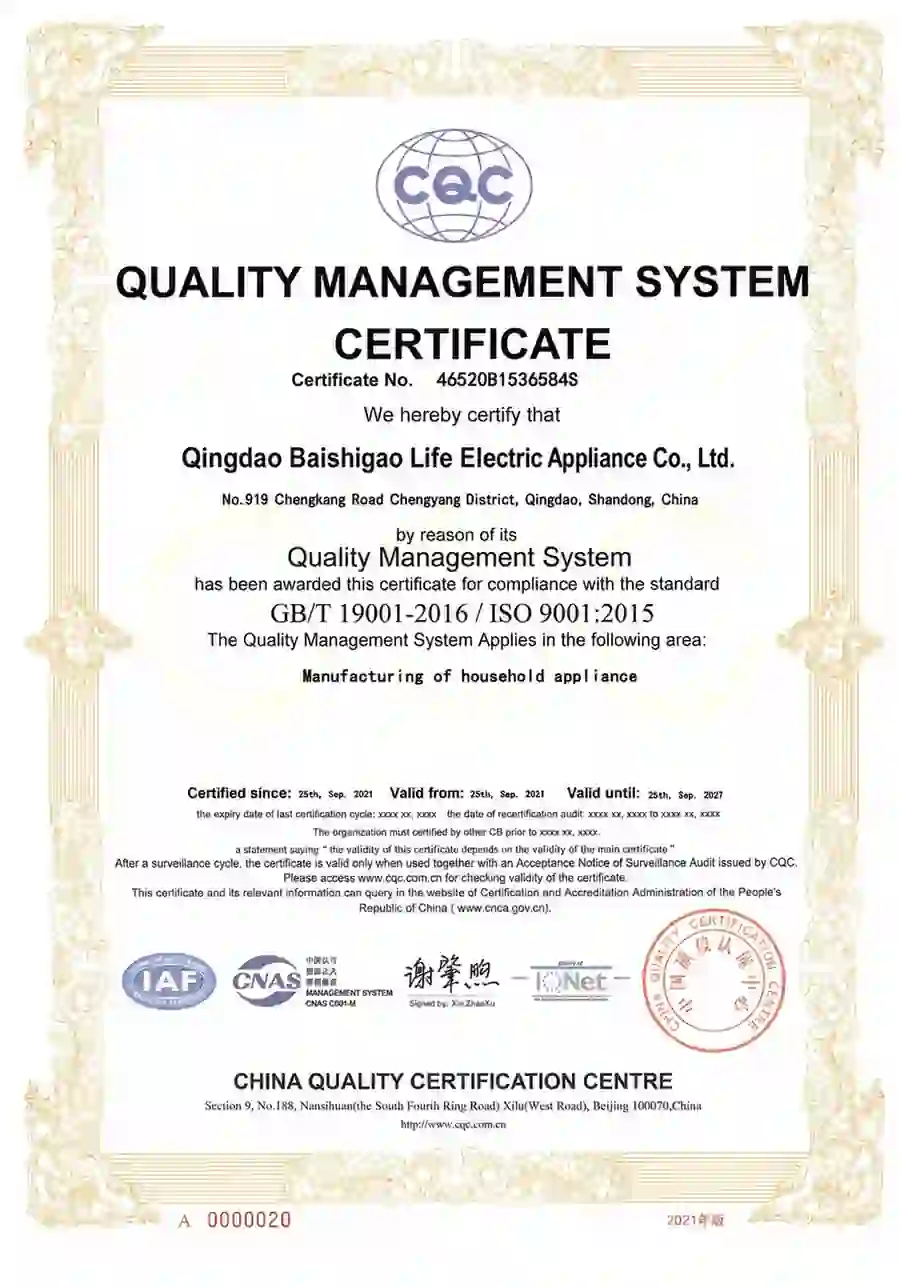
ISO 9001
Available for review to demonstrate our factory's comprehensive quality management systems. This documentation reference applies to our manufacturing processes for OEM soda maker projects, ensuring consistent and reliable production standards for your order.
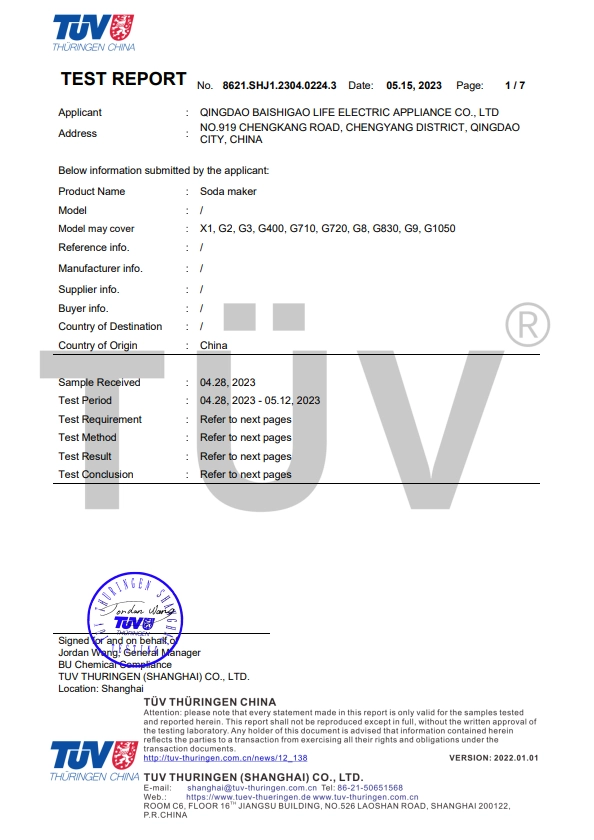
FDA Food-Contact Reference
FDA food-contact compliance documentation for water-contact bottles, caps, and related components is available for review for your US-targeted private label projects.
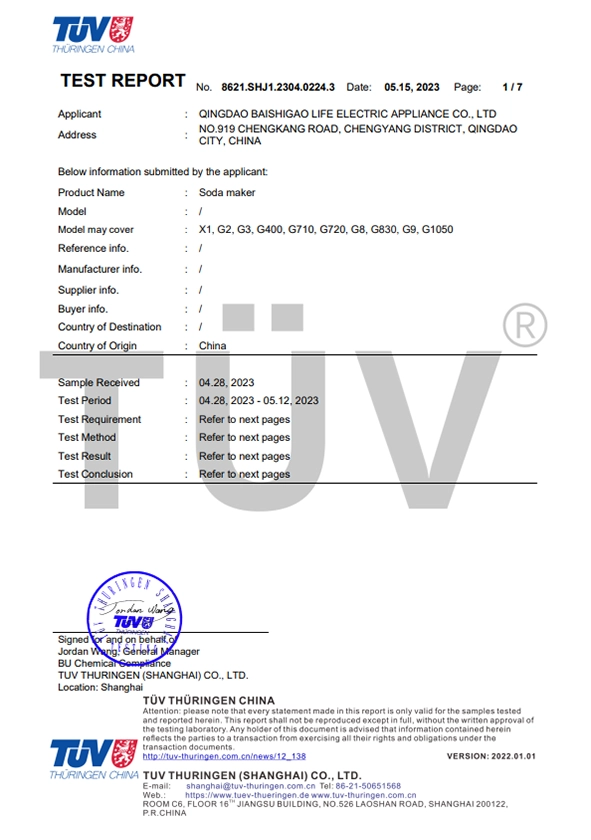
LFGB Document Review
LFGB documentation for sparkling water maker projects is available for buyer review.
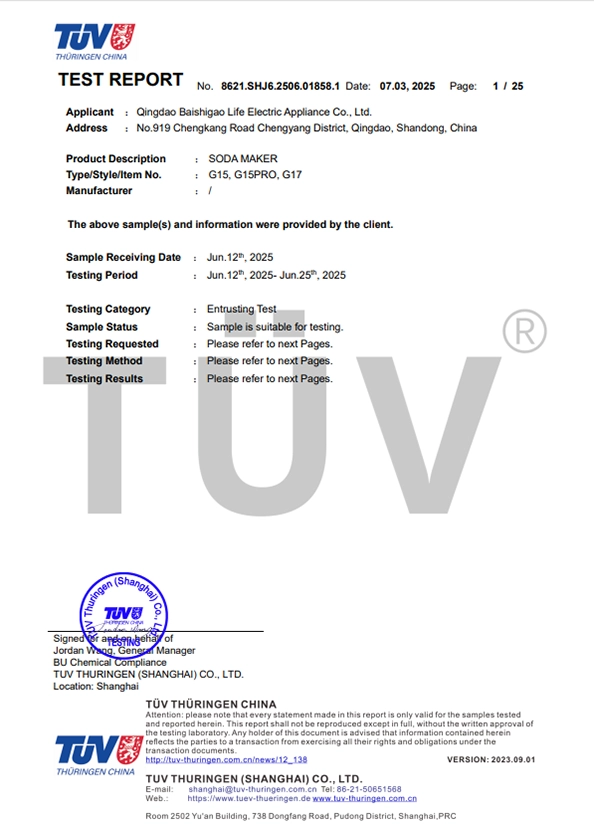
EU FCM
EU FCM compliance reference is available for EU-targeted private label soda maker projects, supporting compliance reviews for plastics and other materials in contact with drinking water.
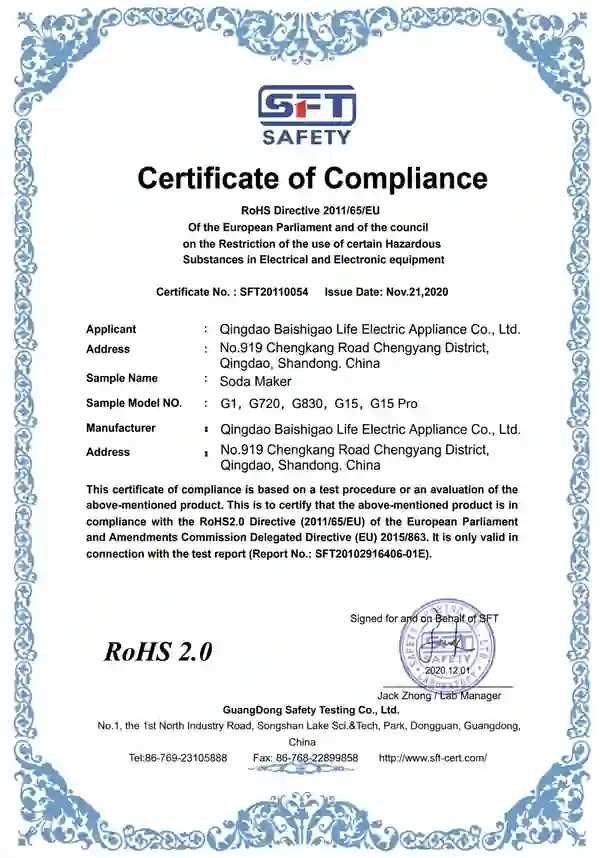
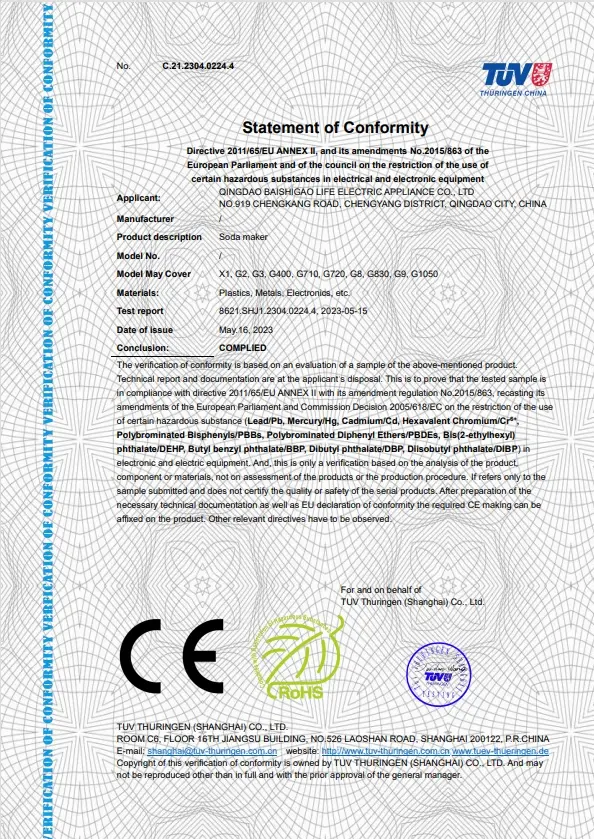
RoHS Document Reference
RoHS documentation for soda maker models containing specific electronic components is available to support your market entry requirements and compliance review.
Product Test Reports
Project-specific reports can be arranged based on buyer requirements. We work with accredited third-party testing facilities to provide relevant product test data depending on the selected model, material scope, and your target market regulations.
Common Compliance Questions by Buyer Market
Common compliance questions vary by destination and sales channel. Buyers preparing an international order can also review our soda maker import planning guidance.
| Buyer Market / Type | Common Concern | Cheersoda Support | Recommended Next Step |
|---|---|---|---|
| United States | FDA food-contact material references | Review materials, prepare documents | Confirm required test scope before order |
| European Union | LFGB, EU FCM, RoHS, CE | Coordinate existing reports or arrange new testing | Specify target countries within the EU |
| United Kingdom | UKCA, Food contact regulations | Provide available declarations, coordinate testing | Provide packaging label requirements |
| South America | Local certification body requirements | Supply technical specs and factory information | Share local customs checklist |
| Middle East | SABER, local import documents | Coordinate with third-party inspection agencies | Confirm inspection agency preference |
| Retail Chain Projects | Packaging accuracy, barcode scanning | Conduct strict final packaging review and drop tests | Send retail packaging guidelines |
| Private Label Projects | Brand consistency, manual accuracy | Compare bulk production against approved samples | Approve final golden sample |
Quality Control Workflow
A step-by-step view of how we manage quality from inquiry to shipment.
1. Requirement review
We analyze your target market, product specifications, and compliance needs to align our manufacturing standards with your expectations.
2. Document checklist
A list of required documents, such as material declarations or test reports, is established before production to ensure timely preparation.
3. Incoming inspection
Raw materials, plastic housings, and internal components are inspected upon arrival to prevent defective parts from entering the assembly line.
4. Assembly checks
In-line monitoring verifies component fit, housing gaps, and overall assembly accuracy to maintain consistent bulk production quality.
5. Wet leak testing
Every single unit undergoes 100% wet-leak testing and high-pressure gas checks before shipment to verify the water path and carbonation sealing areas.
6. Pressure-related functional checks
Every finished unit receives gas-tightness and functional checks. Burst testing is performed on samples from each production batch.
7. Final inspection
Completed machines are checked for appearance, color consistency, logo placement, and accessory inclusion against the approved sample.
8. Packaging review
Color boxes, barcode labels, and instruction manuals are verified to ensure they meet retail requirements and brand guidelines.
9. Pre-shipment confirmation
Carton marks are checked, and final inspection reports, photos, or videos can be shared with the buyer for approval.
10. Document handover
Agreed compliance documents, test reports, and shipping paperwork are provided to support customs clearance and market entry.
Quality Proof Gallery
A visual look into our factory-side inspection processes.
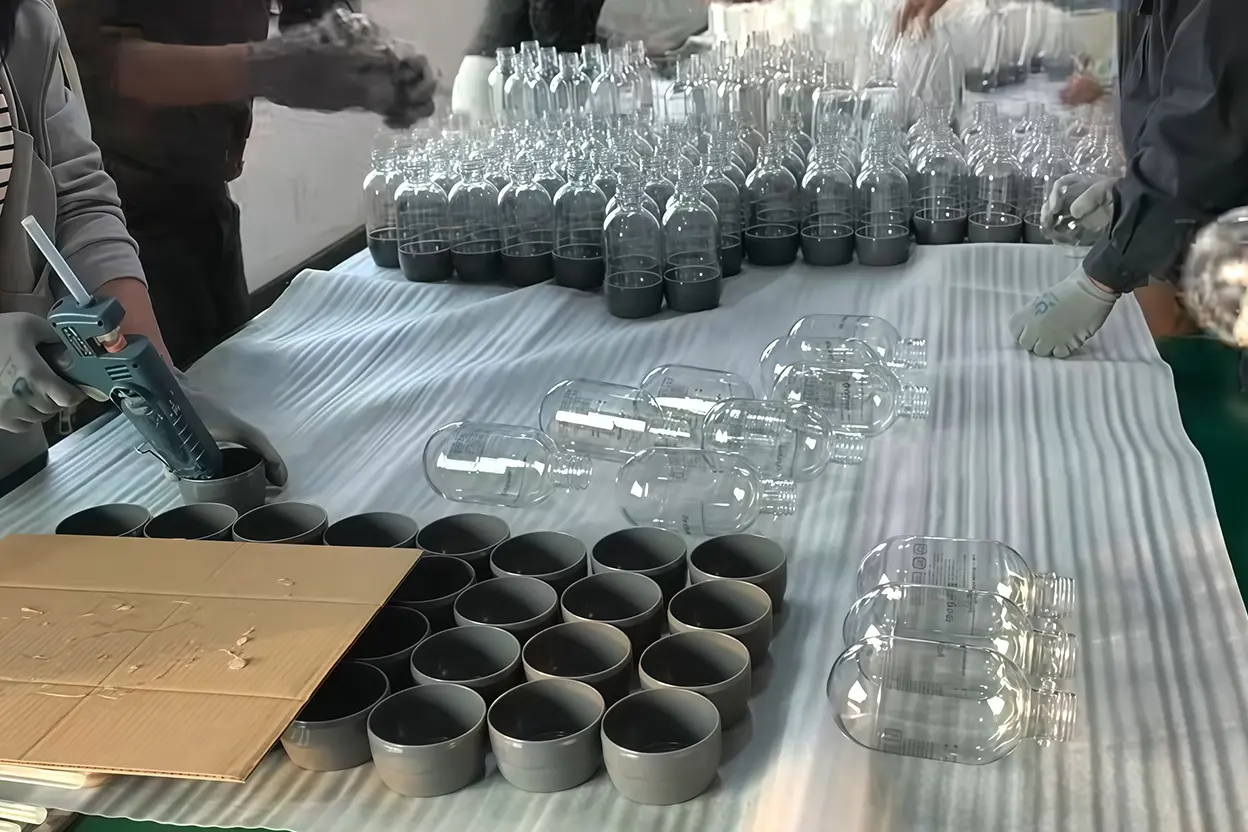
Incoming parts inspection
Checking raw materials before assembly begins.
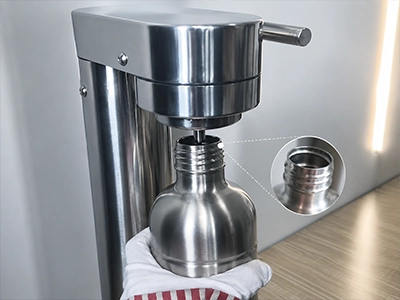
Bottle fit test
Verifying secure locking and thread compatibility.
Wet leak testing
Checking the internal water path for sealing integrity.
Pressure-related check
Reviewing valve response and structural stability.
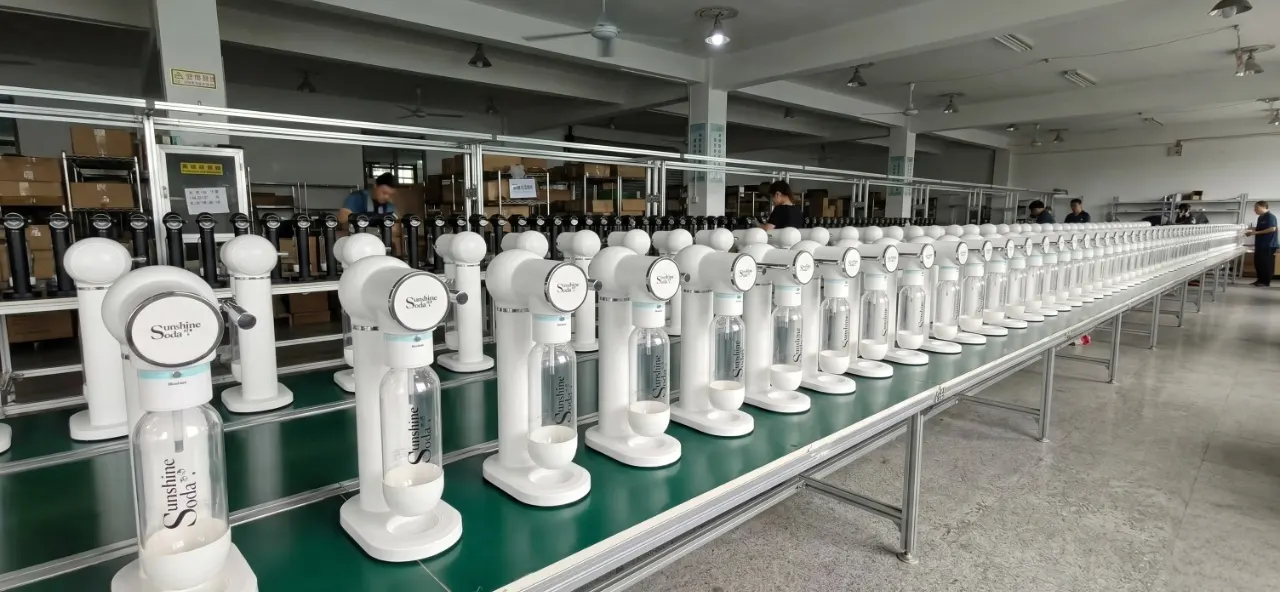
Final product inspection
Confirming appearance and logo placement.
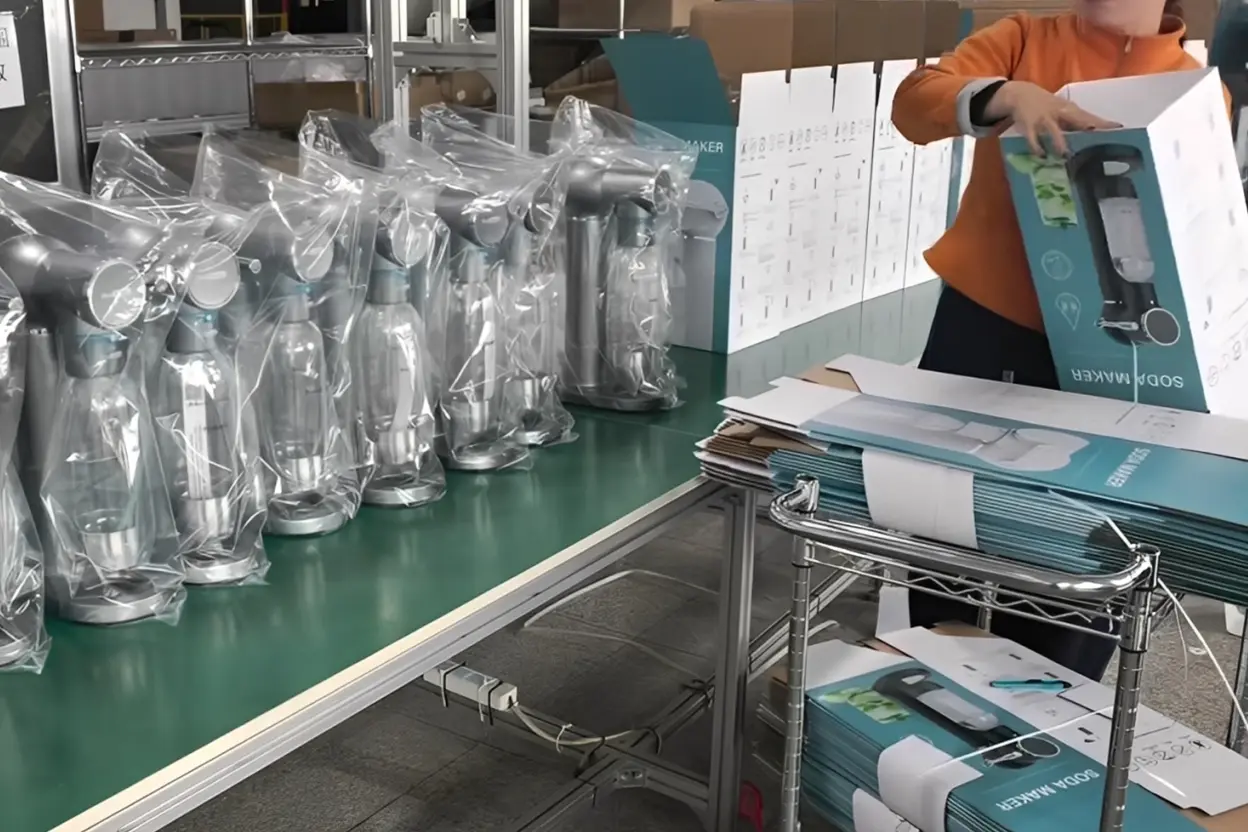
Packaging and carton review
Ensuring retail readiness and accurate carton marks.
Related guides: our Qingdao factory.
Quality & Compliance FAQ
Answers to common questions regarding our factory inspection and document support.
1. What quality control does Cheersoda provide for OEM soda maker orders?
2. Does Cheersoda support compliance documents for private label soda makers?
3. What is wet leak testing for soda makers?
4. Are soda maker bottles reviewed for food-contact requirements?
5. Can Cheersoda support FDA, LFGB, EU FCM, or RoHS document requests?
6. How are pressure-related components checked?
7. Does Cheersoda inspect packaging before shipment?
8. Can buyers request pre-shipment photos or videos?
9. Is compliance the same for every country?
10. What should buyers prepare before asking for compliance review?
Review Quality Evidence
Tell us your destination market, target product, estimated order quantity, and required documents. Cheersoda will review your request from material, testing, packaging, and document coordination angles before the project moves into production.
1-Year Warranty
Every soda maker is covered by a 1-year warranty. Warranty claims are handled with documented inspection records, and spare-parts planning is available based on order volume.