
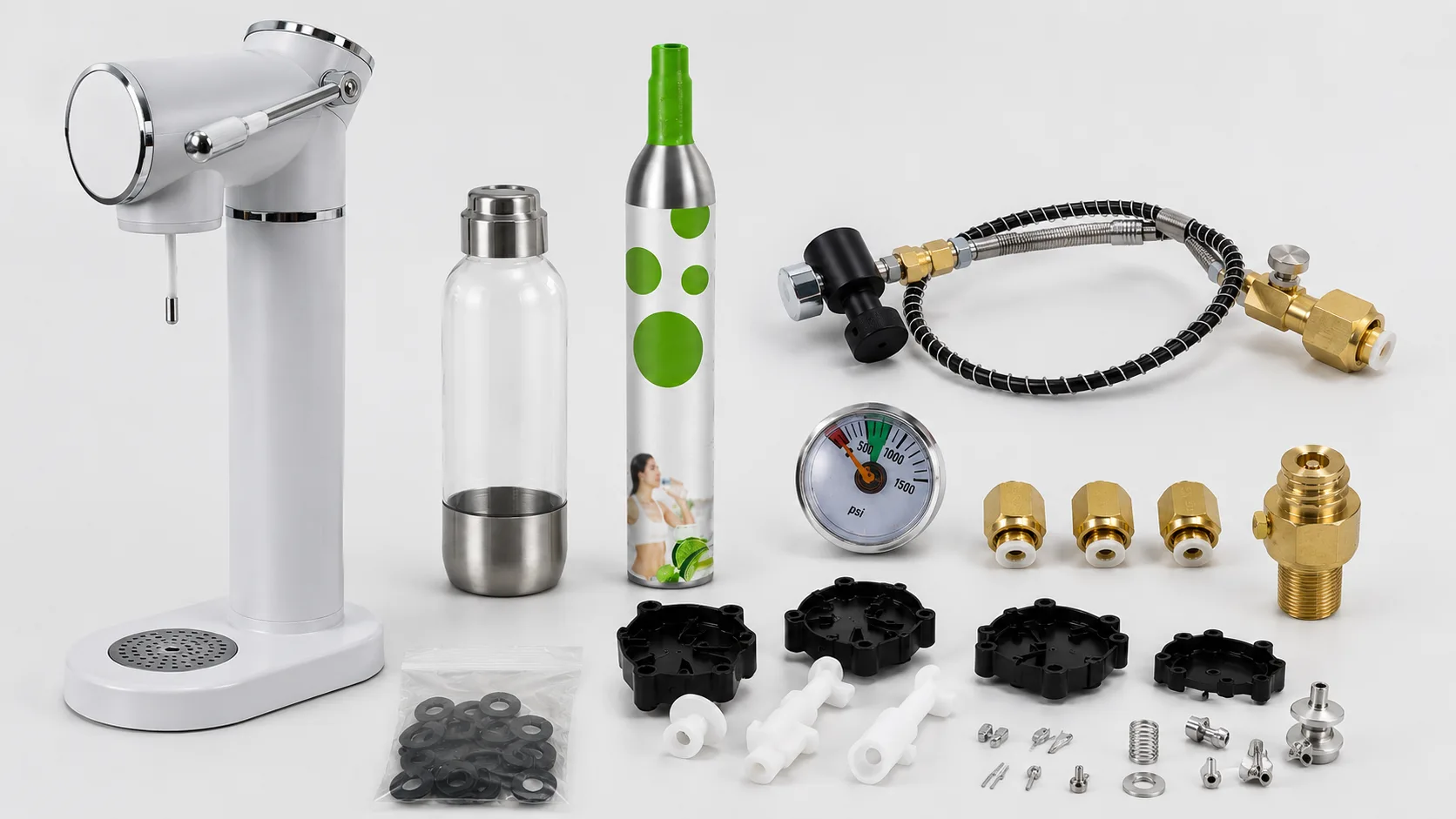
CO2 Cylinders and Accessories for Home Soda Maker Projects
Cheersoda supplies the hardware side of B2B soda maker projects: CO2 cylinder accessories, carbonator replacement parts, connectors, seals, bottle interfaces and export-ready accessory packs. We confirm the interface against your machine model, valve or connector drawing and approved sample; cylinders are shipped empty and require local filling or exchange arrangements in the buyer's target market.
What Are CO2 Cylinder and Carbonator Accessories for OEM Soda Maker Projects?
In the context of B2B soda maker manufacturing, carbonator accessories refer to the standard hardware components required to operate and maintain a sparkling water machine. This encompasses empty CO2 cylinders, brass cylinder valves, protective caps, high-pressure seals, bottle-related adapters, and spare parts sets. For importers and private label brands, we also provide customized retail accessory packs designed for direct market distribution. Please note, Cheersoda is a hardware manufacturer; we supply hardware for bulk import and do not provide local CO2 gas filling or retail refill services.
Accessories are the parts that decide whether a soda maker keeps working after the first bottle. The machine itself gets the review; the cylinder, the seal and the cap decide whether the second, tenth and hundredth bottle carbonate properly. That is why accessory sourcing belongs in the OEM project from the start, not as an afterthought once machines are already on the water. Buyers who plan accessories together with machines get one compatibility review, one sample round and one packing plan, instead of three separate fixes later.
The buyers for this page are importers, distributors and private label brands running a soda maker program. Some need cylinders to bundle with machines. Some need spare parts to support machines already sold. Some need retail-ready accessory packs to extend a brand range. All three routes run through the same compatibility check: machine model, valve or connector interface, bottle set, and approved sample.
Empty Cylinder Shipment and Local Filling Boundary
To ensure smooth international trade and compliance, please review our export boundary: Cheersoda supports empty CO2 cylinder supply for B2B manufacturing projects. Filled CO2 cylinders are classified as dangerous goods and are not shipped by standard air or sea freight due to complex logistics and high costs. Buyers must establish local CO2 filling, exchange, or distribution arrangements in their target market. Local pressure vessel regulations and valve thread standards differ by country; we will review these during the quotation phase. This website is for B2B hardware sourcing and does not offer local refill services.
This boundary is the first thing to settle, because it shapes the whole project. An empty cylinder is standard export hardware. A filled cylinder is a pressure vessel holding compressed gas, and moving it across borders means dangerous-goods handling, special carriers and costs that rarely make sense for a standard program. So the working model is fixed: we supply the cylinder empty, and the buyer fills or exchanges it through a local gas partner in the destination market.
What the buyer needs before launch is therefore a local answer, not a factory answer: a filler, an exchange network or a gas distributor in the target market, plus confirmation that the cylinder format and valve thread match what that local partner handles. We review the market side at quotation — thread standard, pressure vessel rules, and the sample — but the filling relationship itself sits with the buyer. Brands that confirm this before ordering never face the worst accessory surprise: machines delivered, cylinders delivered, and no local gas to put in them.
See the accessory supply scope before you request a quote
Use the photos and factory video below to review the kinds of cylinders, carbonator parts, bottles and packaging that can be matched to an OEM soda maker project. Final compatibility is confirmed against your model, valve thread and approved sample.
- Empty cylinder supply: Cylinders are supplied empty for export. Filling, exchange and pressure-vessel approvals remain the responsibility of the destination market.
- Carbonator and spare parts: Seals, connection parts and service kits can be grouped by model revision and packed for distributor or private-label after-sales programs.
- Bottle fit and inspection: Bottle dimensions, neck interface and sealing points are checked with the selected machine before a bulk accessory pack is approved.
- Factory video: Review the production context before sampling. The video gives buyers a practical view of the soda maker production environment. Use it together with the part number, photos, interface details and packaging requirements when preparing an accessory inquiry.
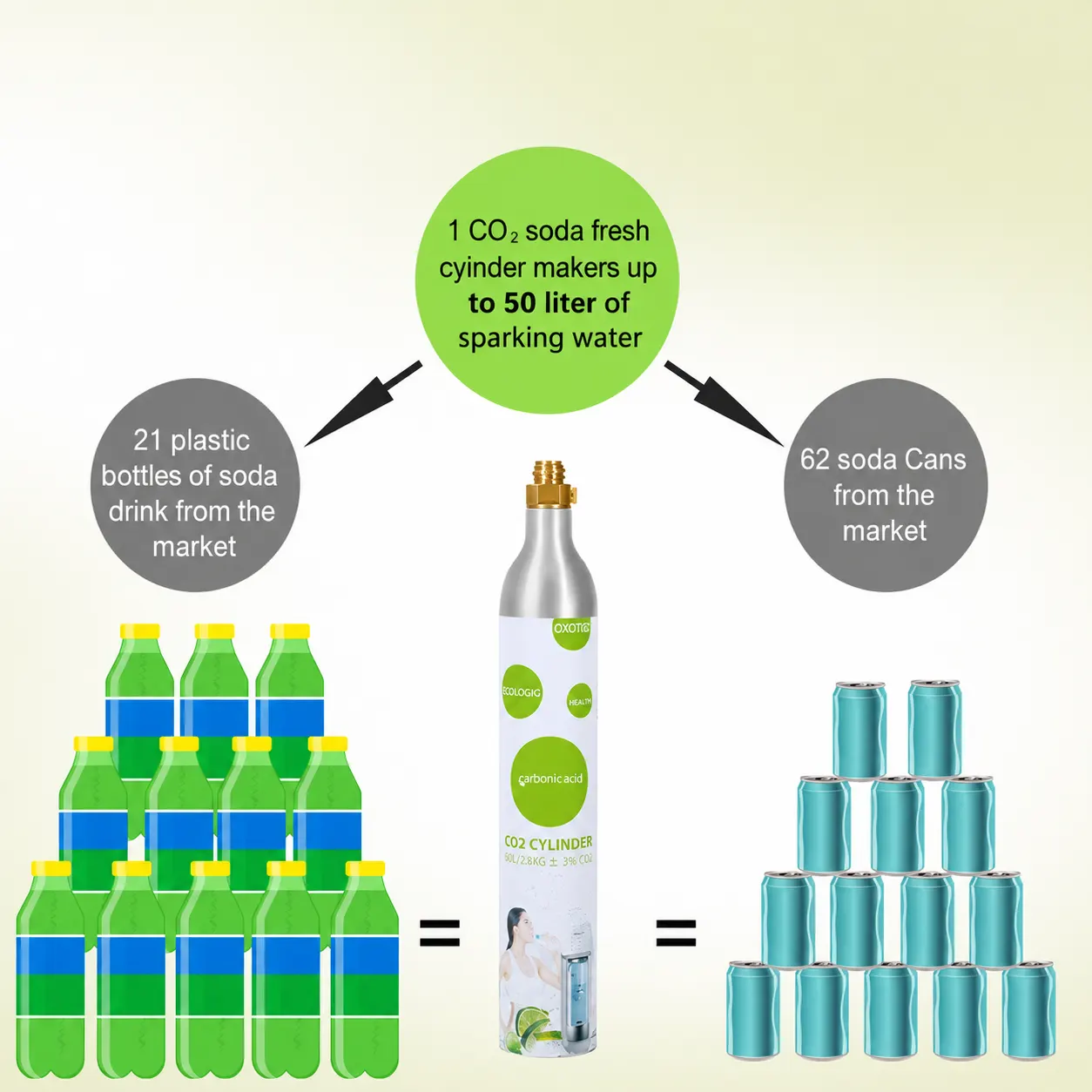
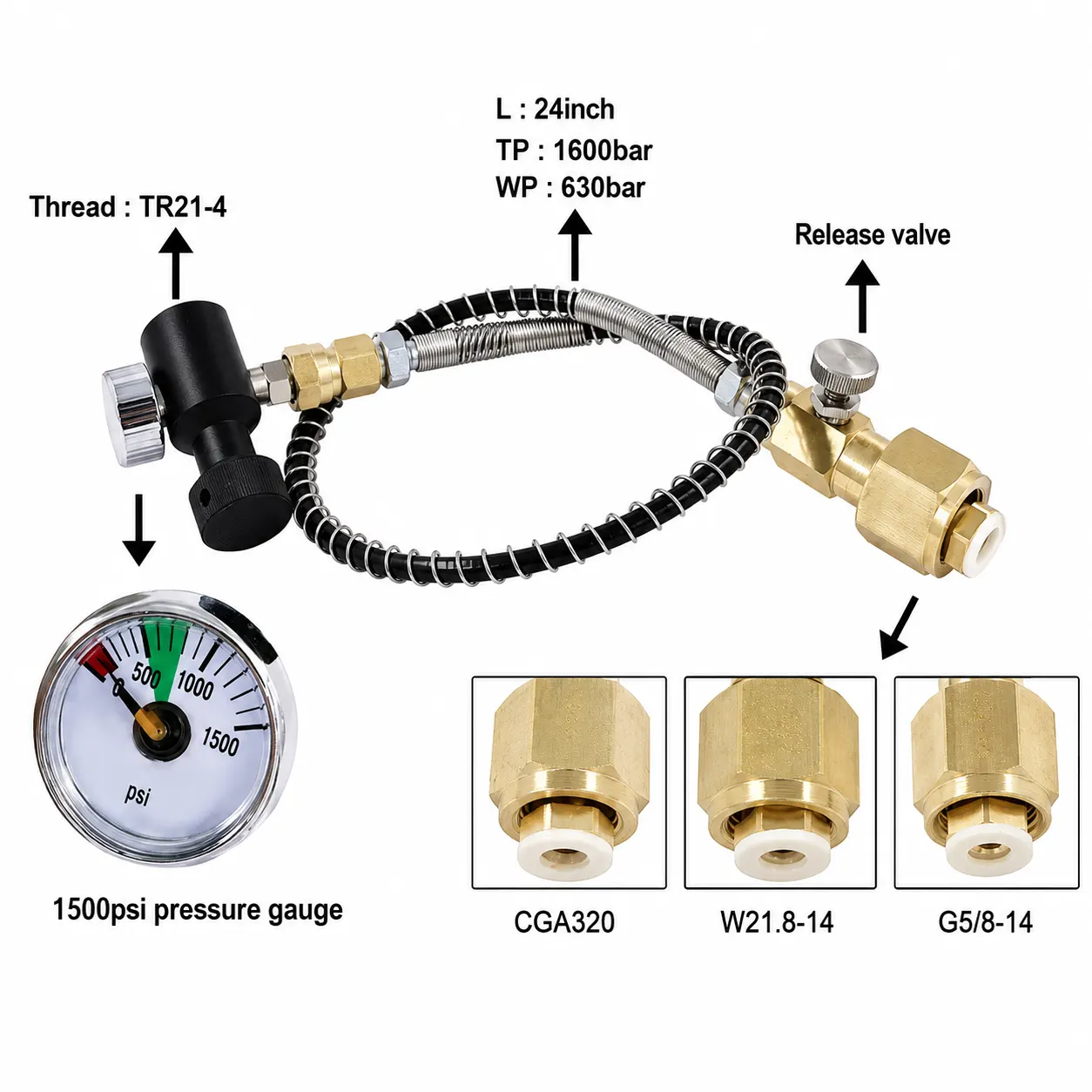
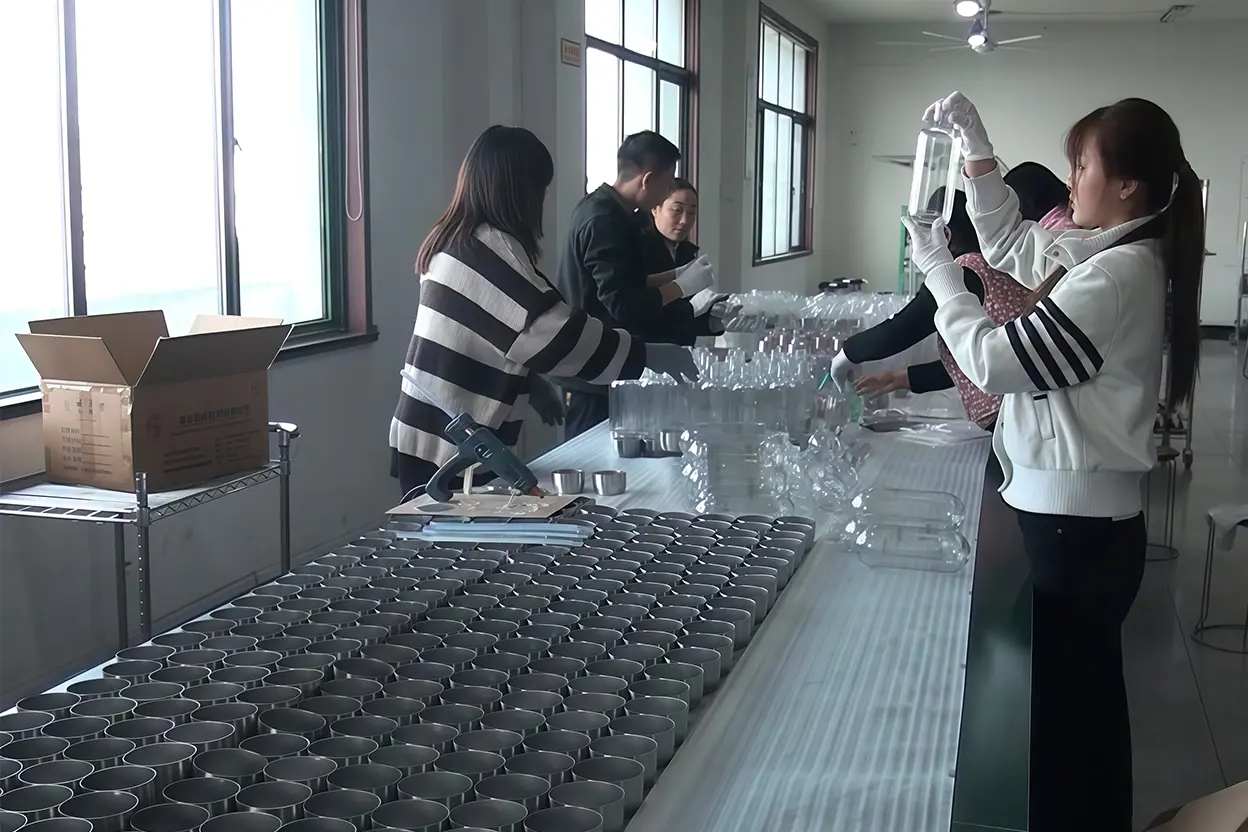
B2B Accessory Scope Overview
Hardware supply for private label and importer projects.
- Empty CO2 Cylinder: Aluminum empty cylinders manufactured to support OEM/ODM projects. Supplied unpressurized, suitable for global export and local private label filling programs.
- Cylinder Valve and Cap: Precision-machined brass valves and protective plastic caps. Essential for cylinder integrity during transit and ensuring compatibility with specific soda maker models.
- Carbonator Seals: High-quality silicone and rubber sealing rings for the carbonation head and cylinder connection interface, critical for preventing gas leaks in importer distribution.
- Spare Parts Set: Curated sets of replacement components to support brand after-sales service plans, reducing return rates and improving end-user satisfaction for distributors.
- Bottle and Accessory Pack: Coordinated supply of carbonating bottles, caps, and cleaning accessories, matched with the selected soda maker model before sample confirmation.
- Retail Packaging Support: Coordination of color boxes, barcodes, and master cartons for accessory packs, ensuring goods arrive shelf-ready for brand sales channels.
The scope is deliberately hardware-only. We do not sell gas, we do not run refill stations, and we do not supply filling equipment. What we do supply is everything around the gas that a brand needs to sell and support: the cylinder, the valve that controls it, the cap that protects it, the seal that keeps it tight, the bottle it carbonates into, and the pack that carries all of it to retail.
Accessory Matching & Review Points
| Accessory Type | Used For | Buyer Review Point |
|---|---|---|
| Empty CO2 cylinder | Soda maker gas source container | Local filling capability, valve thread standard, and market pressure vessel compliance. |
| Cylinder cap | Cylinder valve protection | Packaging dimensions and shipping protection standards. |
| Sealing parts | Carbonation head and bottle fit | Replacement cycle planning and exact fit confirmation with the chosen machine model. |
| Bottle cap | Soda maker bottle set completion | Bottle model compatibility (PET vs Stainless Steel) and color matching. |
| Drip tray / Base | Selected soda maker models | Model-specific fit; usually ordered as spare parts for after-sales. |
| Spare parts kit | After-sales support program | Private label service plan requirements and distributor warranty terms. |
| Retail accessory pack | Brand sales channel expansion | Packaging design, barcode requirements, and language compliance on manuals. |
Use this table as the review checklist before quotation. Each row is one decision the buyer has to make, and each decision maps to one thing we confirm against the model and the sample. The most common accessory failure is not a bad part; it is a part ordered against the wrong row — a seal for the wrong head revision, a cap for the wrong bottle, a cylinder thread the local filler does not handle. The table exists so that failure gets caught on paper, before production.
Empty CO2 Cylinder Options for B2B Projects
We manufacture and supply empty aluminum CO2 cylinders designed specifically to integrate with our soda maker models. These cylinders are the backbone of any private label sparkling water brand. Our focus is on providing compatible cylinder options that meet international manufacturing standards. Cylinder capacity and specific valve threading depend heavily on your project requirements and target market regulations. Common project references may include small consumer cylinder formats typically seen in the retail market, but exact specifications require a detailed market review. Crucial Reminder: All cylinders leave our facility empty. You must have a strategy for local CO2 filling or partner with a gas distributor before launching your brand.
The standard consumer format in Cheersoda projects is the 0.6L aluminum cylinder, the 425g / 60L screw-in format used with threaded machines. It is light, it ships unpressurized, and it matches the filling infrastructure that local gas partners in most markets already handle. Other formats are reviewed per project, but the review always starts from the same two questions: what thread does the target market fill, and what does the selected machine accept? When both answers point to the same format, the cylinder decision is done. When they do not, the sample round is where the mismatch gets found, not the first bulk shipment.
Cylinder capacity, valve threading and labeling are confirmed per project and per market. A cylinder that is right for one market can be wrong for another on thread alone, which is why we never treat the cylinder as a generic line item. It is always specified against the machine, the market and the local filling partner together.
Cylinder Valve Threads and Market Standards
Valve thread is the detail that most often breaks an otherwise good accessory order, so it gets its own section.
Cheersoda machines use the threaded cylinder standard: the TR21-4 valve interface, M18x1.5 screw-in thread, for the 425g / 60L cylinder format. This is the interface our machines are built around, and it is the interface our empty cylinders carry. When a buyer confirms a threaded program, the chain is short: machine, cylinder and local filler all speak the same thread.
Quick Connect cylinders are a different interface, and the boundary here is absolute. SodaStream-style Quick Connect cylinders do not fit Cheersoda machines, and no adapter exists that converts between the two systems. A buyer whose market runs on Quick Connect needs a different answer than a cylinder order: either a threaded-cylinder distribution model, with machines, our cylinders and local filling sold together, or a different machine platform. What does not work is ordering threaded cylinders against a Quick Connect market and hoping the difference resolves itself. It will not, and the time to learn that is at quotation, from the thread question, not from a container of mismatched stock.
Market differences do not stop at thread. Pressure vessel rules, labeling requirements and accepted cylinder formats vary by country, and the local filler is the authority on what a given market accepts. Our part of the job is to supply the cylinder to the confirmed thread and format, with the declarations needed for empty-cylinder export. The customs classification buyers usually need is HS 7613001000 for empty cylinders, the code used on filed export documentation. Confirm it with your forwarder for your market, but it is the right starting reference for the quotation conversation.
Carbonator Accessories and Spare Parts for After-Sales Support
Spare parts planning helps distributors handle basic after-sales requests after shipment. We help plan your after-sales inventory.
- Silicone seals and O-rings
- Replacement caps and protective covers
- Bottle-related parts (bases, lids)
- Small replacement mechanical components
- Accessory pack planning for distributors
- Instruction manual matching for parts
Seals are the heart of this section. The cylinder seal and the carbonation head seal are the two points where gas either stays in the system or escapes, and they are the parts customers touch every time they change a cylinder or a bottle. A seal that fits exactly, survives repeated screwing and unscrewing, and keeps its shape is the difference between a machine that carbonates for years and a machine that comes back. That is why seals are confirmed against the exact machine revision, not against a model name alone: revisions change, and a seal from an earlier revision is not automatically a seal for the current one.
Caps and covers protect the investment in transit and in the customer's home. Bottle bases and lids complete the bottle set, and small mechanical components cover the wear items that a distributor's service desk actually gets asked for. Manual matching matters more than it looks: a spare part shipped with the wrong instruction sheet generates the support ticket it was supposed to prevent.
After-Sales Spare Parts Planning: What to Stock
A spare parts program fails in two opposite ways: stocking everything and tying up cash, or stocking nothing and paying for it in returns and support tickets. The workable middle is planned around how parts actually wear.
Fast-moving parts go first. Seals and O-rings wear with every cylinder change, so they are the highest-turnover items in any after-sales program. Caps and protective covers follow, because they are the parts that get lost, cracked or left behind. These are the items a distributor should hold in depth, in the exact revisions of the models they sell.
Slow-moving parts go second. Small mechanical components and model-specific bases fail rarely, but when they do, the customer cannot use the machine at all until the part arrives. These are held in smaller quantities, grouped by model revision, so that a single service request does not turn into a weeks-long hunt through mixed stock.
Two disciplines hold the program together. First, group everything by model revision, not just by model name, so a seal for one revision never ships against another. Second, match the parts list to the warranty terms the distributor actually offers: the parts the warranty promises are the parts the shelf must hold. Planned this way, a spare parts set stops being a cost line and becomes the reason a brand's second order is bigger than its first — because the first order's customers stayed happy.
Private Label Accessory Pack for Retail and Distributor Projects
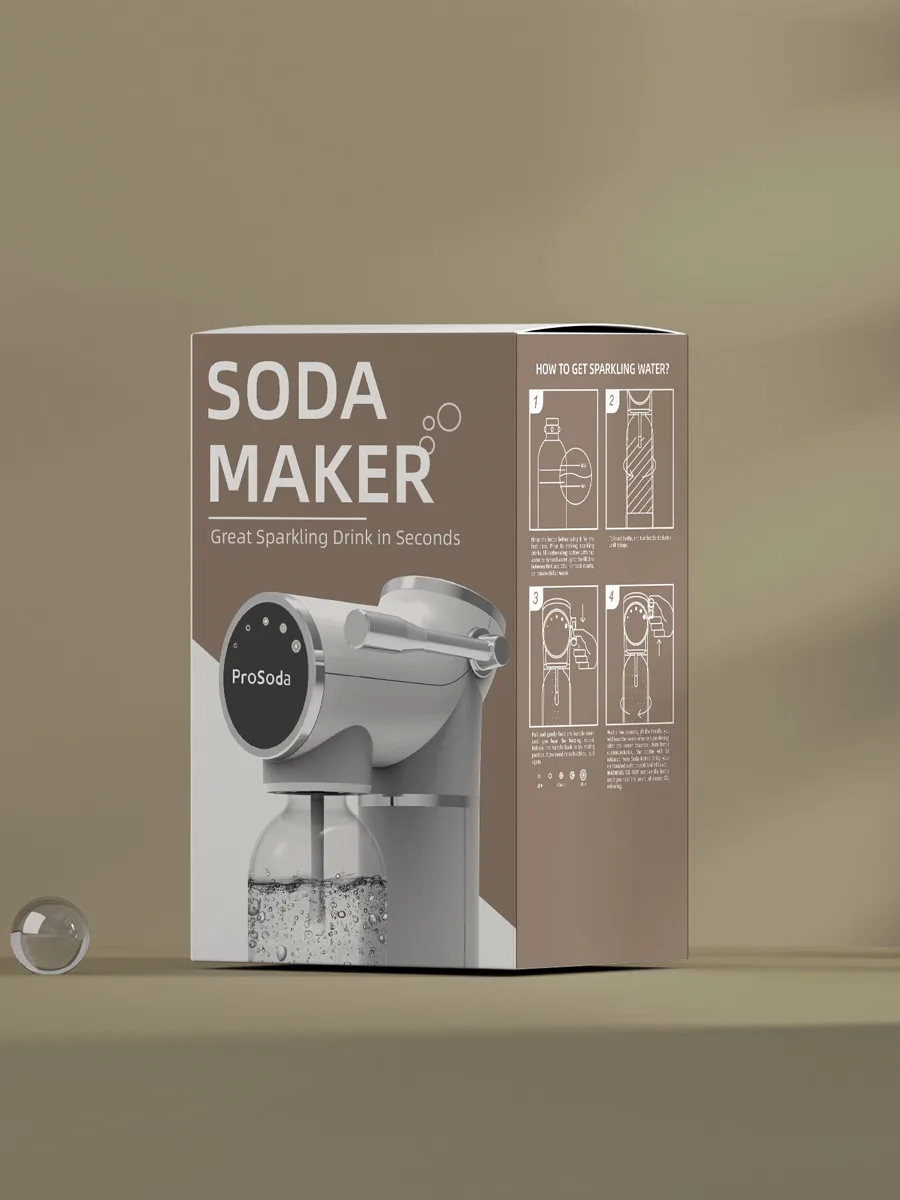
To support retail sales, accessories shouldn't just be loose parts in a master carton. We offer private label services for accessory packs, allowing you to sell "Starter Accessory Packs" or "Spare Parts Packs" alongside your main soda maker units. Our packaging coordination includes customized color boxes, accurate barcode application, specific carton marks for logistics, customized instruction sheets, and sealed spare parts bags with accessory checklists.
A retail accessory pack is a product in its own right, not a bag of leftovers. The starter pack is the bundle a new customer buys with the machine: the seals, caps and bottle parts that make the first months work. The spare parts pack is the bundle a distributor sells after the sale: the service items that keep existing customers running. Both need the same retail discipline as the machine box — a color box that carries the brand, a barcode that scans, carton marks the logistics chain can read, and an instruction sheet in the market's language that matches the parts inside.
Sealed bags with checklists close the loop. When a distributor opens a spare parts bag, the checklist inside should match the parts inside exactly, so the service desk can pick, pack and explain without guessing. That small discipline is what makes an accessory pack shippable at distributor scale instead of repackable at distributor cost.
Compatibility Review Before Bulk Order
Accessories are not isolated products. They must seamlessly integrate with the machine model, bottle type, carbonation head, target market regulations, and packaging layout.
- ✓ Confirm soda maker model: View Models
- ✓ Confirm bottle set: View Bottles
- ✓ Confirm cylinder and accessory scope
- ✓ Review packaging and labels
- ✓ Confirm sample before bulk order: View Quality
The order of these steps matters. Model first, because every seal, base and cap in the program is model-specific, and several are revision-specific. Bottle set second, because PET and stainless steel bottle programs take different caps, bases and cleaning accessories. Cylinder and accessory scope third, because thread and format decisions lock the cylinder order. Packaging and labels fourth, because the retail pack cannot be designed until the parts list is fixed. Sample last, and always before bulk: the sample is where the model, the bottle, the cylinder and the pack are proven together, in the buyer's hands, before any of them ship in quantity.
Skipping a step is how accessory programs fail. The most expensive version is the sample skipped entirely, where the first bulk shipment becomes the sample — and the sample fails in the customer's market instead of in the factory's sample room.
CO2 Cylinder Accessories vs CO2 Refill Machine
Buyers sometimes ask whether they should buy accessories or buy a refill machine. They are different businesses, and the distinction decides what to order from whom.
| CO2 cylinder accessories | CO2 refill machine | |
|---|---|---|
| What it is | Hardware for soda makers: empty cylinders, valves, caps, seals, spare parts, bottle parts | Gas filling equipment that fills cylinders with CO2 |
| Who needs it | Importers, distributors and brands selling and supporting soda makers | Gas companies and filling stations that refill cylinders for end users |
| Supplied by Cheersoda | Yes, as B2B hardware for OEM projects | No, this is not a Cheersoda product line |
| Buyer arranges locally | Local CO2 filling or exchange partner | Gas supply, filling licenses and pressure vessel compliance |
| Order route | Accessory quotation against machine model and sample | Through filling-equipment suppliers, not through a soda maker factory |
If your business is selling soda makers, you need accessories: cylinders to bundle, seals to support, packs to retail. If your business is filling cylinders, you need filling equipment and gas licenses, and a soda maker factory is the wrong supplier for both. Where the two businesses meet is the local filling partner: the brand sells the machine and the empty cylinder, and the partner fills it. That partnership is the model that works, in market after market, because each side does the part it is actually equipped to do.
Packing and Logistics for Accessory Orders
Accessory packing follows the same rule as everything else on this page: the pack depends on the program. Bulk programs ship in master cartons, built for distributor handling and warehouse picking. Retail programs ship in color boxes with barcodes and carton marks, built for shelf and for scanning. Mixed programs — accessories packed with machines — are coordinated so that specific accessories, like a spare seal or a bottle, ride inside the main soda maker gift box where space and design allow, and the rest travel in their own cartons.
Export documentation for empty cylinders is straightforward because the cylinders are unpressurized hardware, not dangerous goods. The shipment is declared as empty cylinders with the supporting declarations for export, and the HS reference buyers most often need is 7613001000. Filled cylinders would be a different shipment entirely — dangerous goods, specialized carriers, different costs — which is exactly why the empty-cylinder boundary exists. Keep the shipment empty and the logistics stay standard; that simplicity is part of what the buyer is paying for.
Carton marks, barcodes and language on manuals are confirmed at the packaging step, not after production. A retail accessory pack with the wrong barcode or the wrong manual language is a pack that gets opened, corrected and repacked at the destination, and that cost lands on the distributor. Confirming those details against the parts list before production is free; correcting them after arrival is not.
Plan the complete accessory supply scope
CO2 cylinder compatibility guide
Check valve interface, market requirements and sample confirmation.
Empty CO2 cylinder supply
Review the dedicated empty-cylinder sourcing route for B2B orders.
Soda maker bottle options
Match bottle interfaces and replacement sets to the machine platform.
Quality and compliance review
Prepare the documents and checks needed before bulk production.
Quality and Compliance Review for Cylinder and Accessory Projects
- Material Check: Ensuring aluminum and brass components meet structural requirements.
- Sealing Fit: Pressure testing accessory tolerances with the main carbonation unit.
- Packaging Inspection: Verifying drop-test standards for accessory boxes.
- Document Support: Providing necessary declarations for empty cylinder export.
- Food-Contact Review: Checking applicable parts (like bottle caps) for compliance.
Quality control runs in four stages across the factory, and every unit passes a wet leak test and a high-pressure gas check before it leaves. Burst testing is batch sampling, not a per-unit claim, and the boundary between the two is kept exact: what every unit gets, and what sampled units prove about the batch. Accessory tolerances are pressure-tested against the main carbonation unit they will actually fit, because a seal tested in isolation has proven nothing about the machine it will serve.
Food-contact review covers the parts that touch what the customer drinks — bottle caps and bottle-contact components — against the applicable compliance framework for the market. Document support covers the export side: declarations for empty cylinder shipments, prepared so the forwarder and the destination customs process have what they need without a second round of questions. Certificates across the product range include CE, FDA, LFGB and RoHS coverage, with whole-machine certificates held at the factory; the factory itself operates under ISO 9001. No certificate numbers are published on this site, and no certification mark is claimed beyond what the documentation supports.
Information Needed for Accessory Quotation
| Information Needed | Why It Matters | Example |
|---|---|---|
| Target market | Local cylinder rules and thread standards differ by region. | USA, Germany, UAE |
| Soda maker model | Accessory fit (seals, bases) depends strictly on the machine model. | G8, G15Pro |
| Bottle type | Determines cap and cleaning accessory compatibility. | PET or stainless steel |
| Cylinder requirement | Empty cylinder format review for your local filling partner. | Empty aluminum cylinder |
| Packaging scope | Dictates retail box design or bulk master carton configuration. | Color box, master carton |
| After-sales plan | Determines the spare parts quantity needed per bulk order. | Distributor spare set |
| Estimated order quantity | Directly affects the quotation and packing efficiency. | 300+ units |
Send these seven items and the quotation conversation starts from answers instead of questions. The two that most often delay a quote are the model and the market: without the model, no seal or cap can be confirmed; without the market, no thread or cylinder format can be confirmed. Everything else refines the quote. Those two make it possible.
Samples, Lead Times and Payment Terms
Samples come before bulk, and they are charged: the sample step confirms fit against your model, thread and bottle set before any bulk quantity is committed. What we state here is the step, not a fee — sample timing and the sample round are confirmed at quotation, and the sample is what turns a paper compatibility review into a physical one in your hands.
Timing for a full program follows the factory's standard project rhythm: sample confirmation first, then first bulk production, then repeat orders on a shorter cycle. For combined machine and accessory programs, the reference rhythm is a 7-day sample step, 35–45 days for a first order, and 30 days for repeats. Accessories-only timing is confirmed at quotation, because it depends on the parts list and the packing scope rather than a machine production slot. Either way, no bulk quantity ships before the sample is approved — that sequence is the protection, for both sides.
Payment terms are the factory standard: T/T only, 30% deposit with the balance before shipment. No letter of credit is offered. Terms are stated here so the quotation conversation never has to renegotiate them; the commercial discussion stays where it belongs, on scope, fit and packing.
Frequently Asked Questions
Do you supply CO2 cylinders for soda makers?
Are the CO2 cylinders shipped filled or empty?
Can you provide local CO2 refill service?
Can I customize the cylinder label or packaging?
Do you provide carbonator spare parts?
Can accessories be packed with soda maker machines?
How do I confirm compatibility with my soda maker model?
Do you provide bottle-related accessories?
What information do you need before quoting accessories?
What valve threads do your cylinders use?
What is the HS code for empty cylinders?
What are the payment terms for accessory orders?
Do you provide samples before a bulk accessory order?
What is the minimum order for accessories?
Need CO2 Cylinder and Carbonator Accessory Support?
Tell us your soda maker model, target market, bottle type, estimated quantity, and accessory scope. Cheersoda will help review empty cylinder options, spare parts, packaging requirements, and export boundaries before quotation.
By submitting, you agree to our privacy policy.
We typically respond within 24 hours.