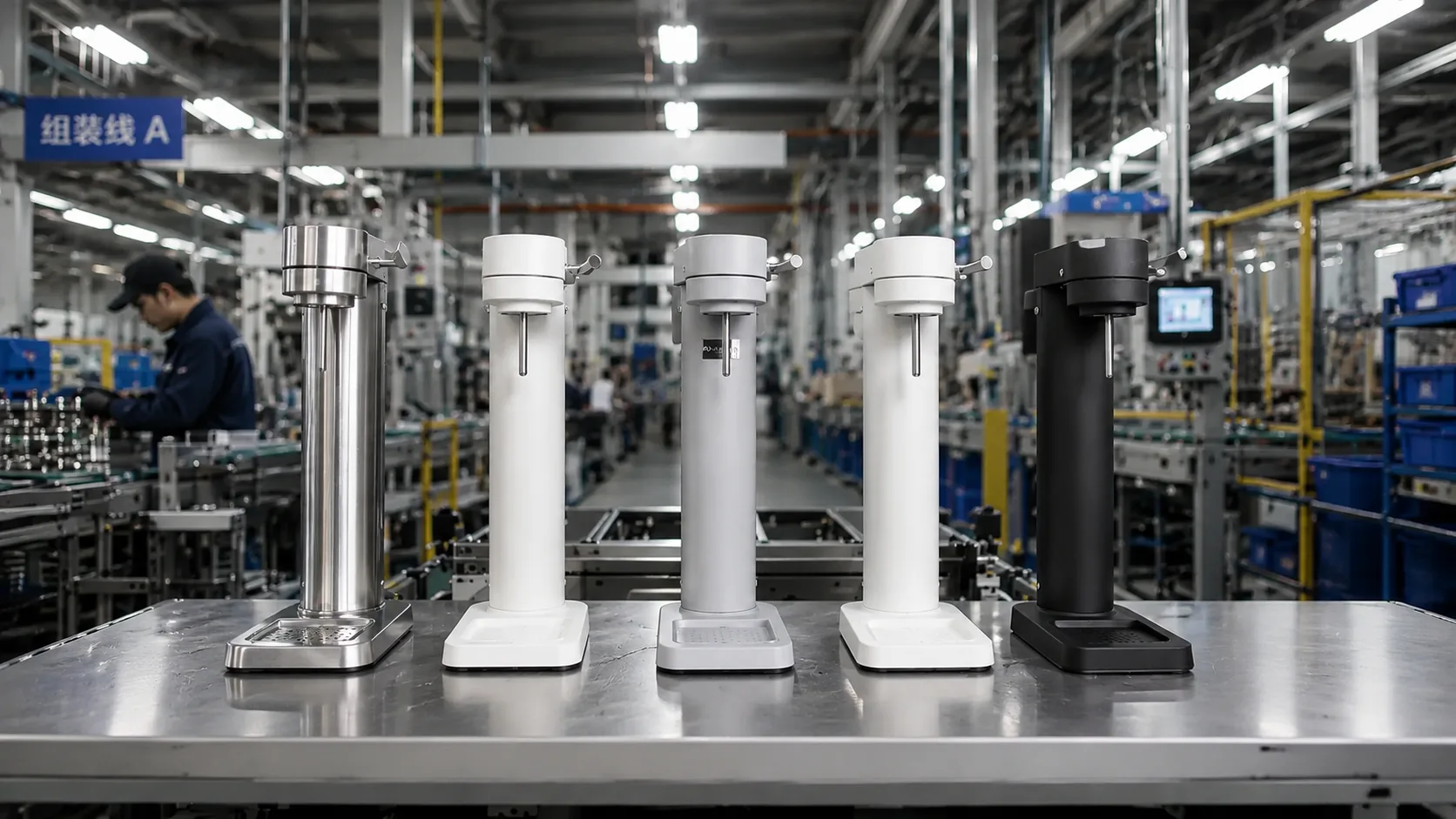
A soda maker sample order is not a small shopping order. For OEM buyers, it is the first controlled check before money goes into packaging files, production scheduling, carton materials, inspection, and export preparation. A good sample stage helps both sides confirm what will be produced, what still needs adjustment, and whether the project is ready for a pilot order.
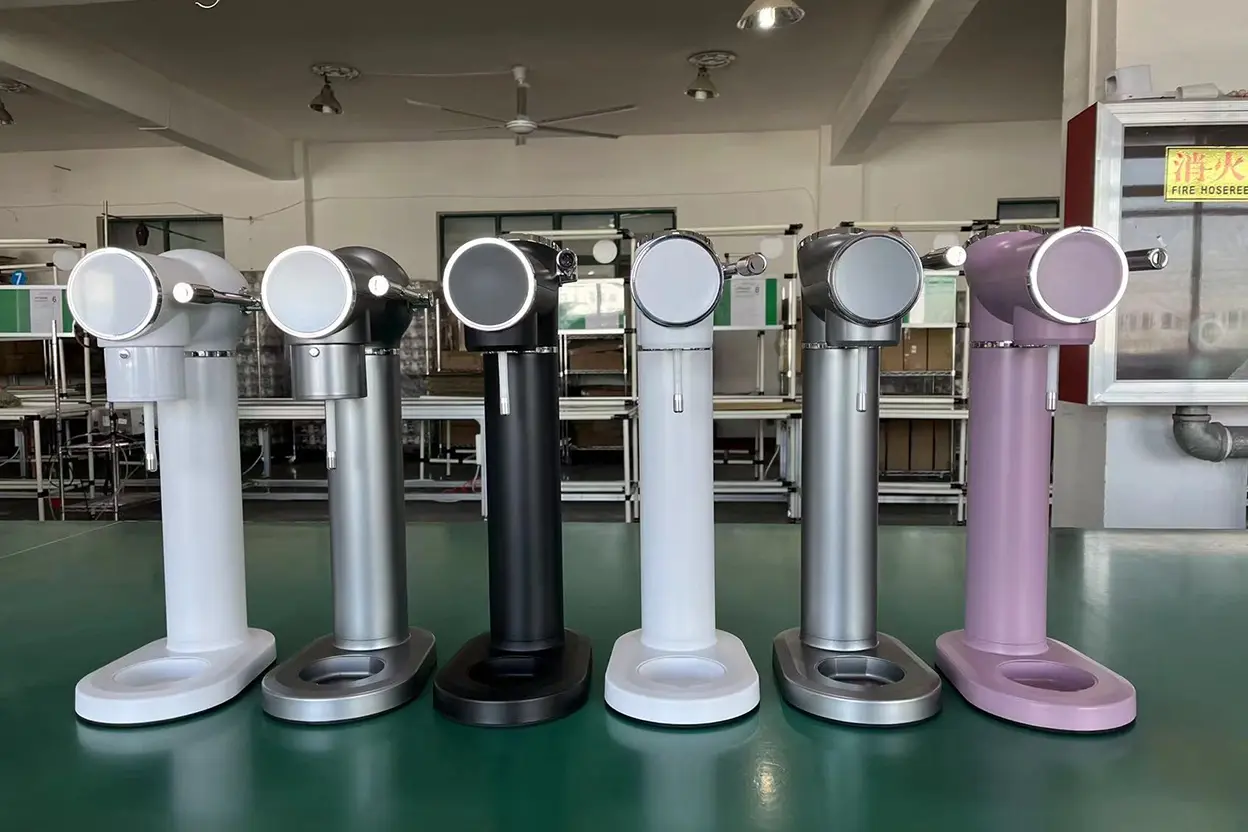
Short answer: a sample order should prove model fit, bottle compatibility, carbonation performance, surface finish, logo position, packaging files, and shipment preparation. If the sample is only checked by appearance, the buyer may miss the details that later affect production quality, retail launch, or after-sales risk.
Why a Soda Maker Sample Order Matters
For a private label soda maker project, the sample is the first physical agreement between the buyer and the factory. The quotation, catalog, model photo, and spec sheet are useful, but they cannot replace a unit that can be handled, tested, packed, photographed, and compared against the buyer’s channel requirements.
Importers, distributors, Amazon sellers, retail brands, and regional agents usually look at a soda maker sample from different angles. A retail buyer may focus on appearance, packaging, instruction manual, barcode, and shelf presentation. A distributor may care more about carton strength, container loading, spare bottle availability, and warranty handling. A private label brand may need logo placement, color matching, and whether the model fits the price level planned for the market.
The factory also needs the sample stage. It helps confirm the selected model, bottle set, color, branding scope, packaging file status, and any market-specific documents before larger work begins. When this stage is skipped or rushed, later changes become more expensive.
Product Fit
Confirm the selected model, handle feeling, bottle insertion, carbonation button or lever operation, and the buyer’s expected user experience.
Brand Fit
Check logo position, color direction, packaging tone, manual layout, and whether the product matches the planned retail price point.
Order Fit
Review whether the sample can move into a pilot order with clear specifications, stable files, and practical production timing.
Three Sample Types OEM Buyers Should Understand
Not every sample has the same purpose. Before asking a factory to send samples, the buyer should know which stage the project is in. A standard sample, a branding sample, and a pre-production sample answer different questions.
| Sample Type | Main Purpose | What It Should Confirm | When to Use It |
|---|---|---|---|
| Standard model sample | Check the base soda maker model before branding work starts. | Model size, operation method, bottle fit, surface finish, basic performance, accessory set. | Early sourcing, supplier comparison, market feasibility review. |
| Private label sample | Review logo, color direction, packaging, and customer-facing details. | Logo position, color box, manual, barcode label, bottle packaging, carton mark. | After the buyer has chosen a model and wants to prepare a launch plan. |
| Pre-production sample | Lock the confirmed version before bulk production. | Final appearance, packaging file, accessory list, carton information, sample photos or videos. | Before pilot order or mass production starts. |
A buyer does not always need all three stages. If the project uses an existing model, standard color, and simple packaging, one well-prepared sample may be enough. If the project involves a private label launch, custom color, retail box, manual, and local compliance files, more than one confirmation stage is usually safer.
What to Prepare Before Requesting a Soda Maker Sample
A sample request is more useful when the buyer gives the factory enough project information. If the request only says “send your best model,” the factory can only guess. A serious sample request should tell the factory what the buyer wants to test, what market the product is for, and what type of business channel the buyer will use.
- Target country or sales region
- Sales channel: distributor, retail, Amazon, online brand, gift channel, or private label launch
- Expected model type: manual soda maker, stainless steel model, or standard plastic body model
- Bottle set requirement: 500ml, 1000ml, PET bottle, stainless steel bottle, or mixed set
- Branding scope: logo only, color box, manual, carton mark, or full packaging set
- Estimated pilot order quantity and target launch month
- Needed certificates or document review
- Target retail price range or product positioning
This information does not lock the buyer into an order. It simply helps the factory choose a realistic model and prepare a sample that matches the project. A wrong sample wastes courier cost and time. A well-matched sample can shorten the first order discussion.
What Buyers Should Check After Receiving Samples
Many buyers check a soda maker sample like a consumer product: appearance first, then simple operation. That is understandable, but for B2B sourcing it is not enough. A sample should be checked with a production mindset.
| Check Area | Buyer Should Look At | Why It Matters |
|---|---|---|
| Appearance | Surface finish, color, visible gaps, molding marks, logo position, display condition. | These details affect retail acceptance and customer reviews. |
| Operation | Button or lever feel, bottle insertion, CO2 cylinder installation, stability on the counter. | The product must feel easy enough for the buyer’s target users. |
| Bottle set | Bottle capacity, cap fit, thread fit, sealing feel, packaging method. | Bottles are part of the user experience and repeat purchase plan. |
| Packaging | Color box size, inner support, manual, barcode, carton mark, accessory position. | Poor packaging creates shipping damage and retail complaints. |
| Documents | Instruction manual, warning text, certificate copies, export document requirements. | Importers need files that match their market and sales channel. |
Factory Checks Behind a Good Sample
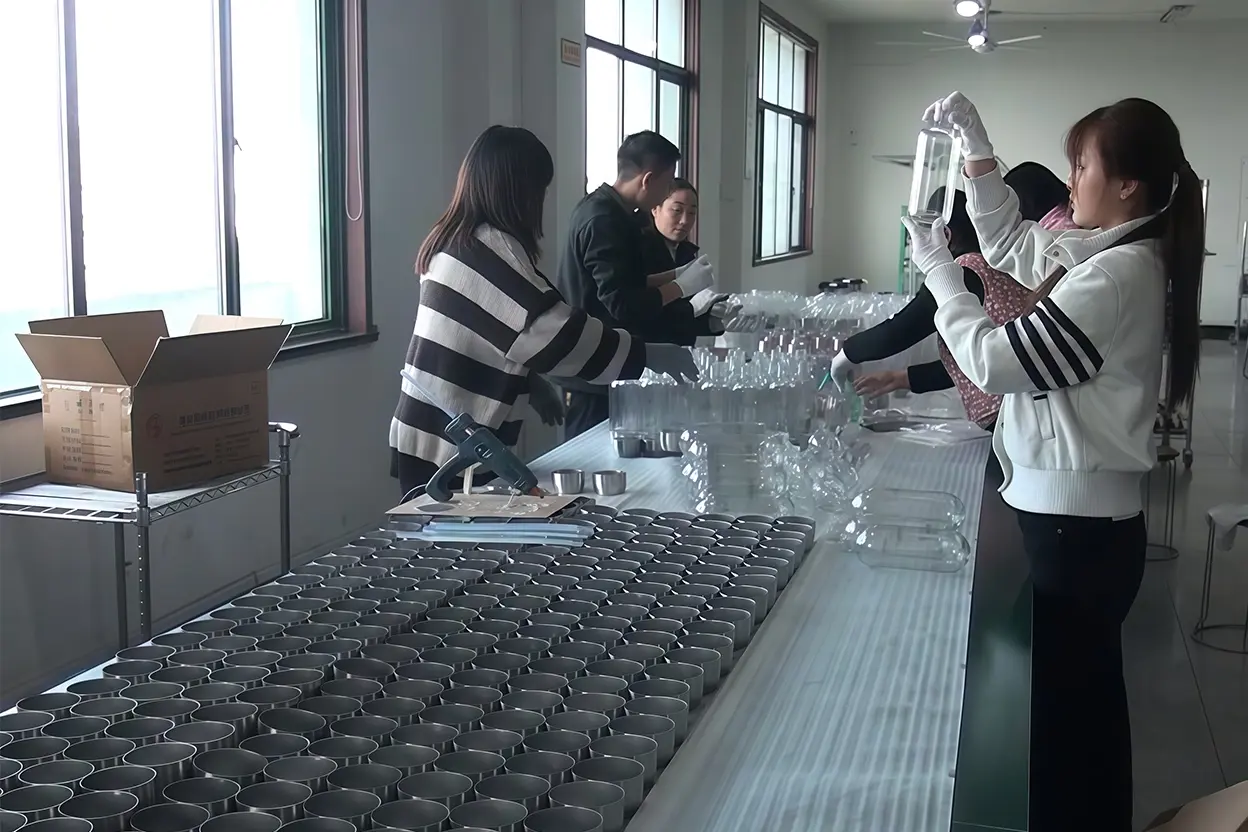
A useful sample does not come from a shelf and leave the factory untouched. Before shipping a sample, the factory should check the basic assembly condition, bottle fit, accessory set, packaging condition, and project notes. If the sample is a private label version, the factory should also confirm the logo method, packaging file status, and whether any artwork is still pending.
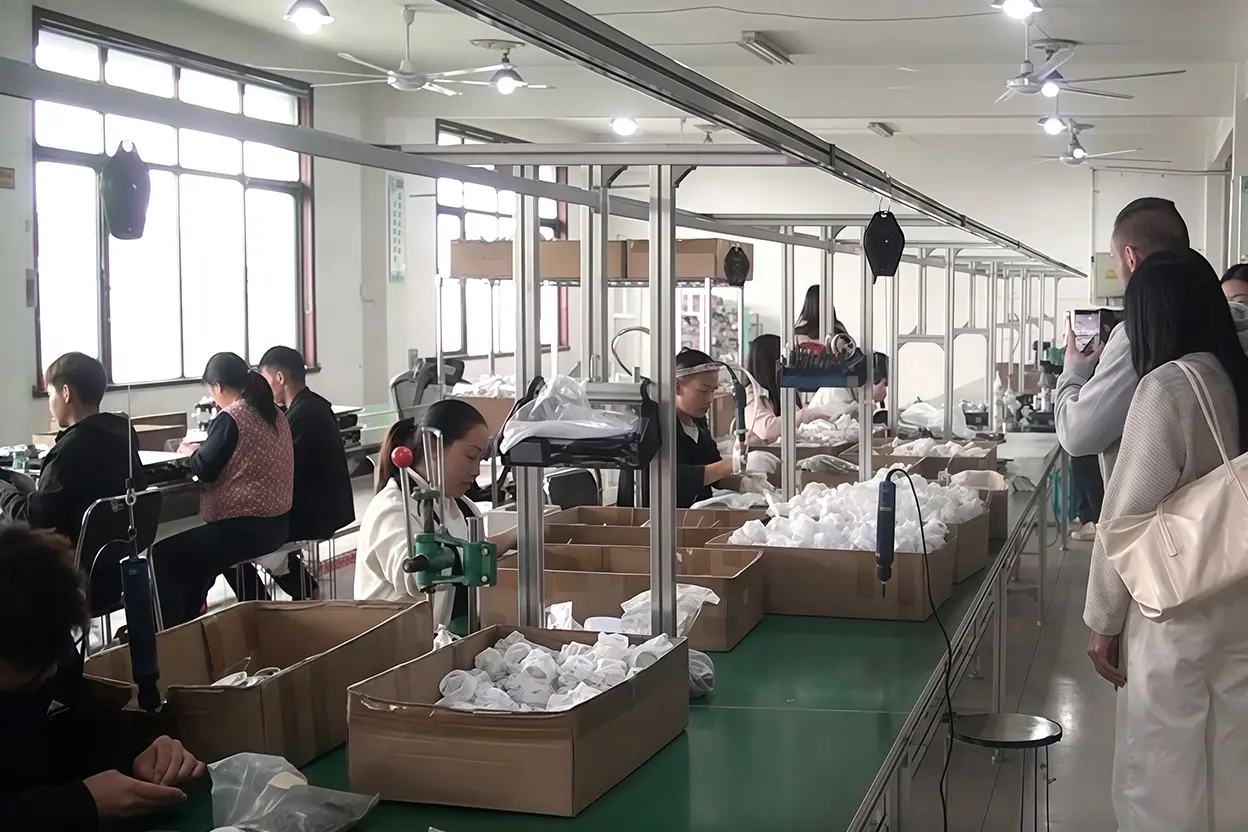
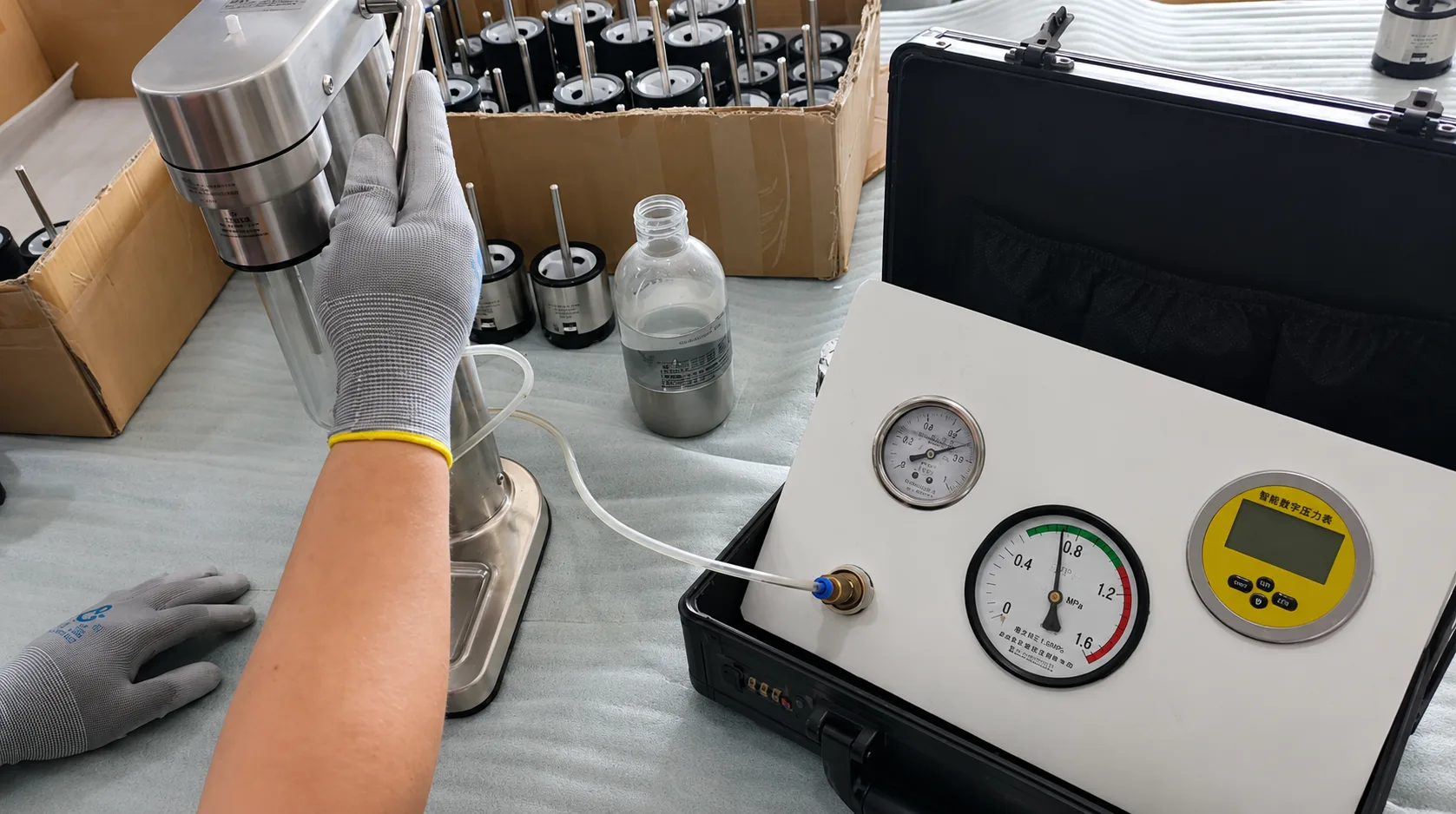
For buyers who cannot visit the factory, photos and short videos are useful. They do not replace inspection, but they give the buyer a clearer view of how the sample was prepared. A short video showing bottle installation, carbonation operation, packaging, or test station activity is often more useful than a polished product photo.
Practical point: ask for sample photos before courier pickup. Check the product, bottle, accessory set, color box, manual, and carton label in the same message thread. It creates a simple record that both sides can refer to later.
Packaging and Label Confirmation
Packaging is where many sample projects slow down. Buyers may approve the soda maker unit but still need to revise the color box, instruction manual, barcode label, carton mark, or warning text. For a retail or online launch, these files are not decoration. They affect warehouse handling, listing information, customer support, and import document preparation.
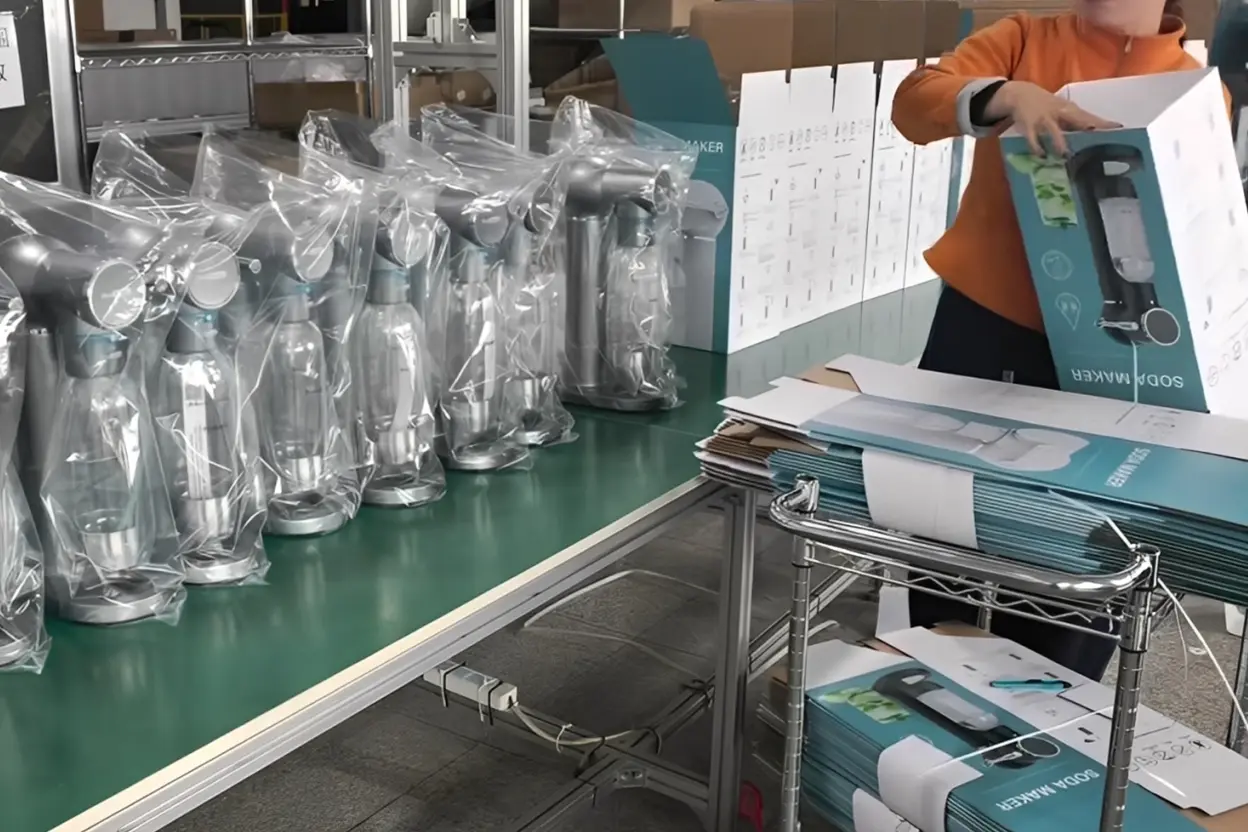
For a simple sample order, a standard box may be acceptable. For a private label sample, the buyer should confirm whether the sample will use a printed color box, blank box with label, digital proof, or final mass-production packaging. These are different levels of confirmation. A digital proof can confirm layout, but a physical box can show material, print color, folding, and product fit.
| Packaging Item | Sample Stage Check | Common Risk If Ignored |
|---|---|---|
| Color box | Size, print layout, model photo, logo, warning text, barcode position. | Wrong box size, late artwork revision, inconsistent retail presentation. |
| Instruction manual | Language, safety notes, bottle use, CO2 cylinder steps, cleaning guidance. | Customer confusion, support burden, distributor complaints. |
| Carton mark | Model number, quantity, gross weight, net weight, carton size, shipping mark. | Warehouse sorting errors or relabeling before shipment. |
| Accessory list | Bottle quantity, cap, manual, spare parts, retail inserts, label items. | Missing accessories during pilot order or first container shipment. |
Sample Cost and Lead Time: What Is Normal?
A soda maker sample usually costs more than the unit price shown in a bulk quotation. That does not always mean the factory is overcharging. Sample cost may include picking and checking the unit, special packing, branded parts, artwork handling, courier preparation, and sometimes small-batch printing. International courier cost can also be higher than buyers expect because the package is bulky and may include bottles or accessories.
| Sample Situation | Typical Work Involved | Time Planning |
|---|---|---|
| Available standard sample | Model selection, unit check, accessory packing, courier preparation. | Usually the fastest option when the buyer only needs a base model review. |
| Logo sample | Logo position check, print or label method, sample photo confirmation. | Needs extra time for artwork confirmation and application. |
| Packaging sample | Color box proof, manual layout, carton mark, accessory packing plan. | Depends on file readiness and printing method. |
| Pre-production sample | Final version check before pilot order or bulk production. | Should not be rushed, because it becomes the reference for production. |
The best way to avoid confusion is to separate the sample fee, courier fee, branding fee, and packaging proof fee in the discussion. If the sample fee can be refunded or deducted from a future order, that should be written clearly in the quotation or email record.
From Sample Approval to Pilot Order
A sample is not the finish line. It is the bridge to the pilot order. Once the buyer approves the sample, both sides should convert the sample discussion into a production file. The production file should include the selected model, color, logo method, bottle set, accessory list, packaging files, carton details, inspection requirements, and shipment plan.
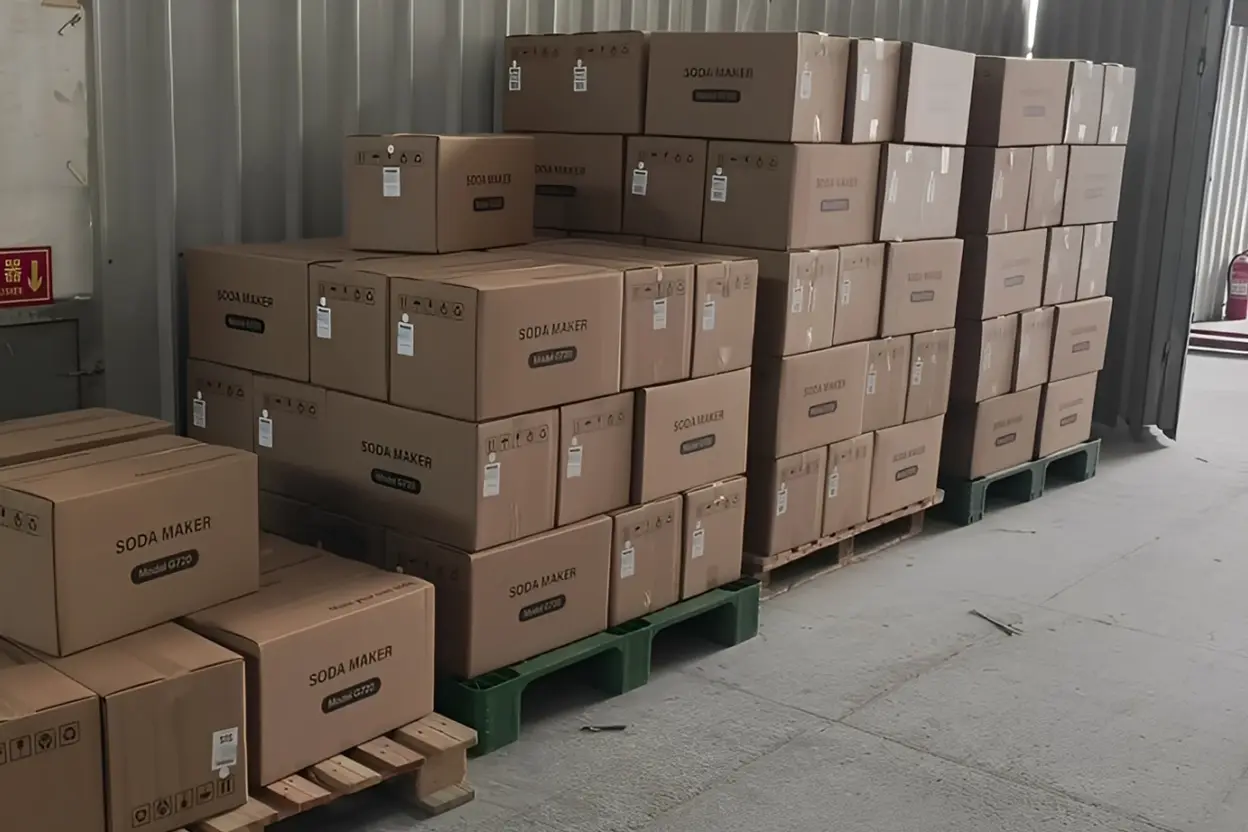
For a new private label brand, a pilot order is often more practical than jumping straight into a large order. It allows the buyer to test packaging, logistics, customer feedback, local content, and after-sales handling. For an established importer or distributor, the pilot order may be larger because they already know their channel and only need to confirm the new supplier’s factory execution.
Common Mistakes in Soda Maker Sample Orders
Most sample problems come from unclear expectations rather than technical difficulty. A buyer may expect a full private label sample, while the factory prepares a standard model. A factory may send a product sample without showing packaging details, while the buyer expected retail-ready review. These gaps can be avoided with a simple written sample checklist.
- Only checking the front photo. The buyer should also check the bottom, bottle area, gas cylinder area, accessories, and package condition.
- Approving a sample before packaging files are ready. This often delays the real order later.
- Using one sample to approve too many variations. A black model sample does not confirm a custom color result.
- Ignoring bottle and accessory planning. Bottles, caps, manuals, and carton marks are part of the product offer.
- No written approval record. Sample photos, version notes, and final approval should be saved before production starts.
Internal Resources for OEM Buyers
If you are still comparing product direction, start with the sparkling water maker OEM page. If your project is mainly about branding and packaging, review private label soda maker support. For bottle and accessory planning, see soda maker bottles and CO2 cylinder and carbonator accessories. For factory checks, use manufacturing capability and quality and compliance as reference pages.
FAQ
Can I order only one soda maker sample?
For standard model evaluation, one sample may be enough. For private label projects, buyers often need one product sample plus packaging file confirmation, especially when the final order includes a color box, manual, barcode label, and carton mark.
Should the sample include my logo?
If the logo position, size, or printing method affects the final appearance, a logo sample is useful. If the buyer is still choosing a model, it may be better to approve the base model first and add logo confirmation in the next step.
Can the sample fee be deducted from the bulk order?
This depends on the project and factory policy. It is common to discuss sample fee, courier fee, and possible deduction separately. Buyers should confirm this before payment so both sides have a clear record.
What is the difference between a sample order and a pilot order?
A sample order is used for confirmation. A pilot order is a small production order used to test the buyer’s market, packaging, logistics, and sales channel before larger repeat orders.
What should I send to the factory before asking for samples?
Send the target market, sales channel, preferred model type, bottle set requirement, branding scope, packaging plan, estimated pilot order quantity, and launch timeline. This helps the factory recommend a sample that fits the real project.
Preparing a Soda Maker Sample Order?
Send your target market, model preference, bottle set, branding scope, and expected pilot order plan. Our factory team can help match a suitable sample path before private label production starts.