What Is a Seltzer Maker?
A seltzer maker is a desktop or countertop appliance designed to carbonate plain drinking water. By injecting carbon dioxide (CO2) from a cylinder into a designated bottle, the machine creates carbonated water. In the US market, this equipment is frequently referred to as a "seltzer maker" or "seltzer water maker" due to regional vocabulary preferences for carbonated water.
Functionally, a home seltzer maker operates on the same engineering principles as any standard carbonation system. The distinction lies in the marketing terminology and brand positioning used by importers and retailers targeting specific consumer demographics.
What it is not, by default, is a flavor machine. A seltzer maker carbonates water; syrups and flavors, where a brand offers them, are a separate product line added after carbonation, not a function of the machine itself. Brands that plan a seltzer line should scope the machine, the bottle set, and the gas connection first, and treat any flavor program as its own decision with its own suppliers.
Why the Term "Seltzer Maker" Matters for US Buyers
Terminology directly impacts market penetration. In the United States, "seltzer" or "seltzer water" is a highly established category. B2B buyers — including importers, distributors, and private label teams — must align their product packaging, e-commerce listings, channel documentation, and instruction manuals with this search habit to maximize visibility. When structuring an OEM project for the US, confirming the correct terminology on color boxes and warning labels is a critical step in the procurement process.
The cost of getting it wrong is paid in three places. First, search: a listing titled "sparkling water maker" competes in a broader, more generic pool, while "seltzer maker" reaches the buyer who already shops that word. Second, retail: a box that says "soda maker" on a US shelf next to seltzer lines reads as a different category to the shopper. Third, compliance paperwork: manuals, warning labels, and carton marks that mix terms across a single project invite questions from a retailer's compliance check that a consistent term would never raise. For broader soda maker and sparkling water maker category planning, visit our Sparkling Water Maker page.
B2B Seltzer Maker Project Scope
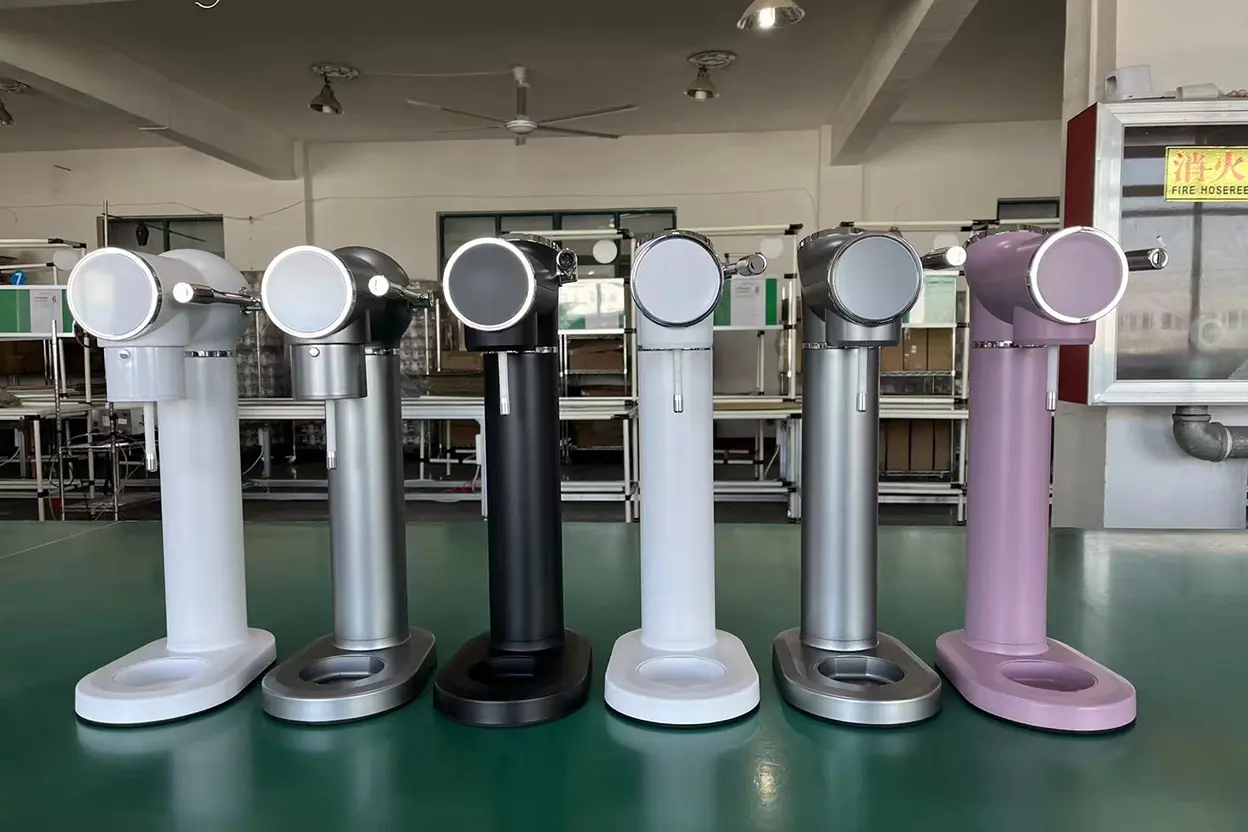
Existing Model Selection
Evaluate our catalog of mature, tested hardware platforms. Selecting an existing model reduces engineering lead times and tooling costs, allowing brands to focus on market entry and exterior customization.
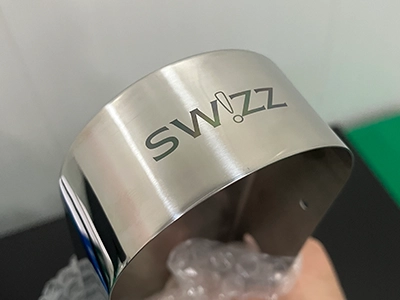
Brand Logo Placement
Define precise logo positioning, sizing, and application methods (such as silk screen printing or laser etching) on the machine body and accompanying bottles to ensure brand consistency.
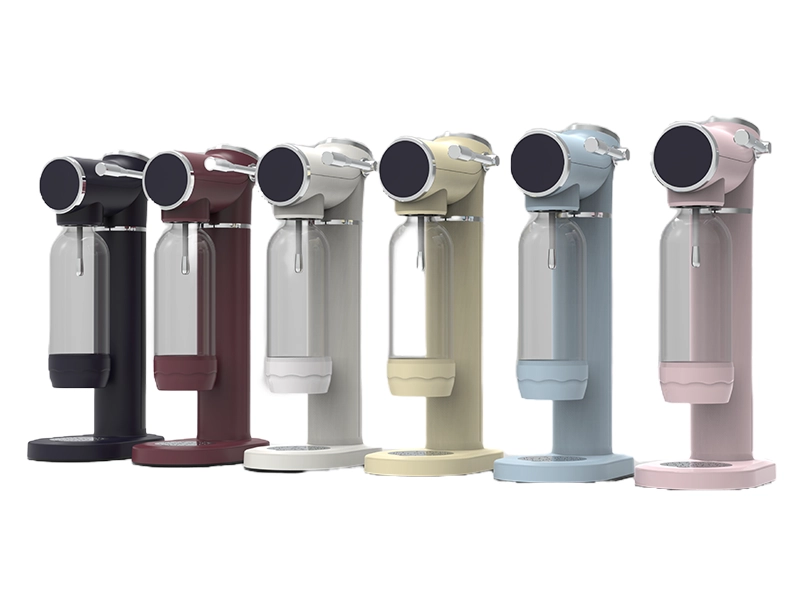
Product Color Review
Specify custom injection molding colors or surface finishes based on Pantone references. We assist in matching the hardware appearance to your brand's visual identity guidelines.
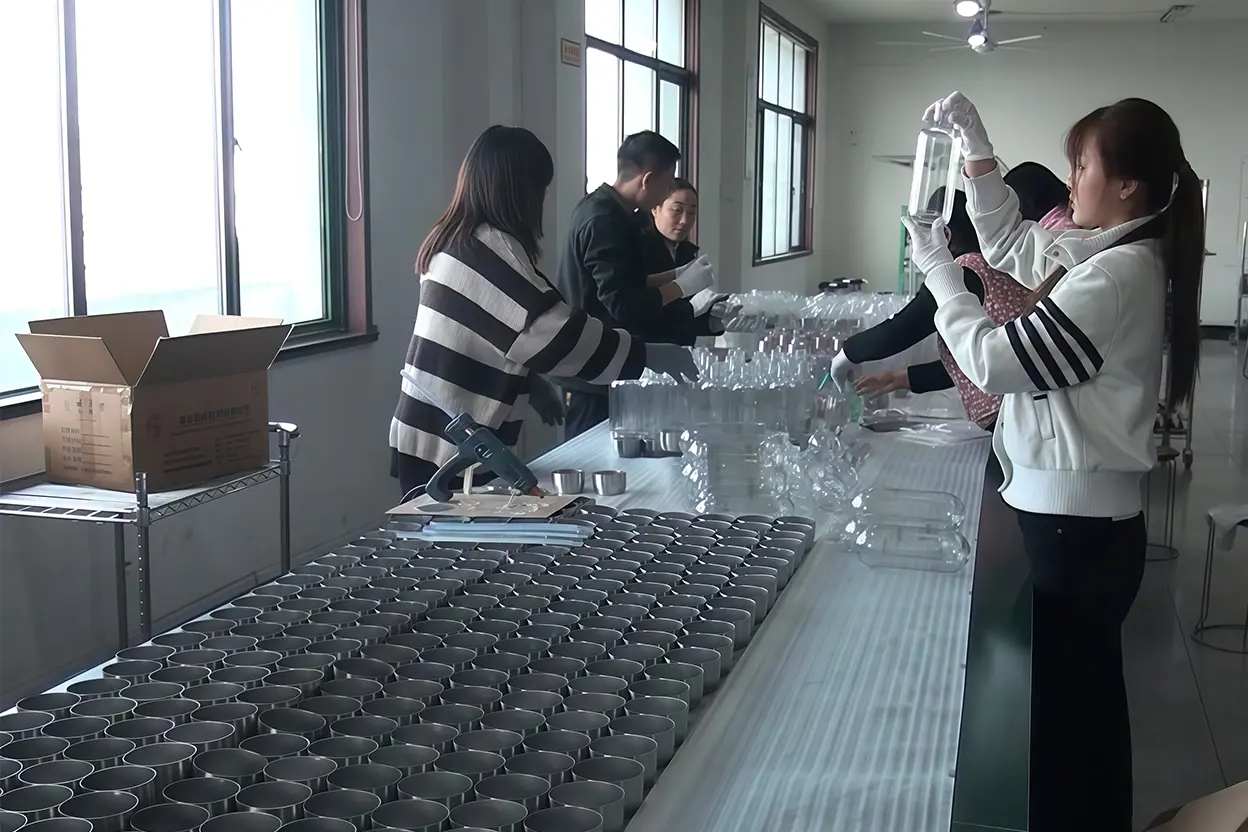
Bottle Set Planning
Determine the configuration of included bottles (e.g., PET or stainless steel, 1L or 0.5L capacities). We confirm compatibility, cap design, and expiration date printing requirements for the target market.
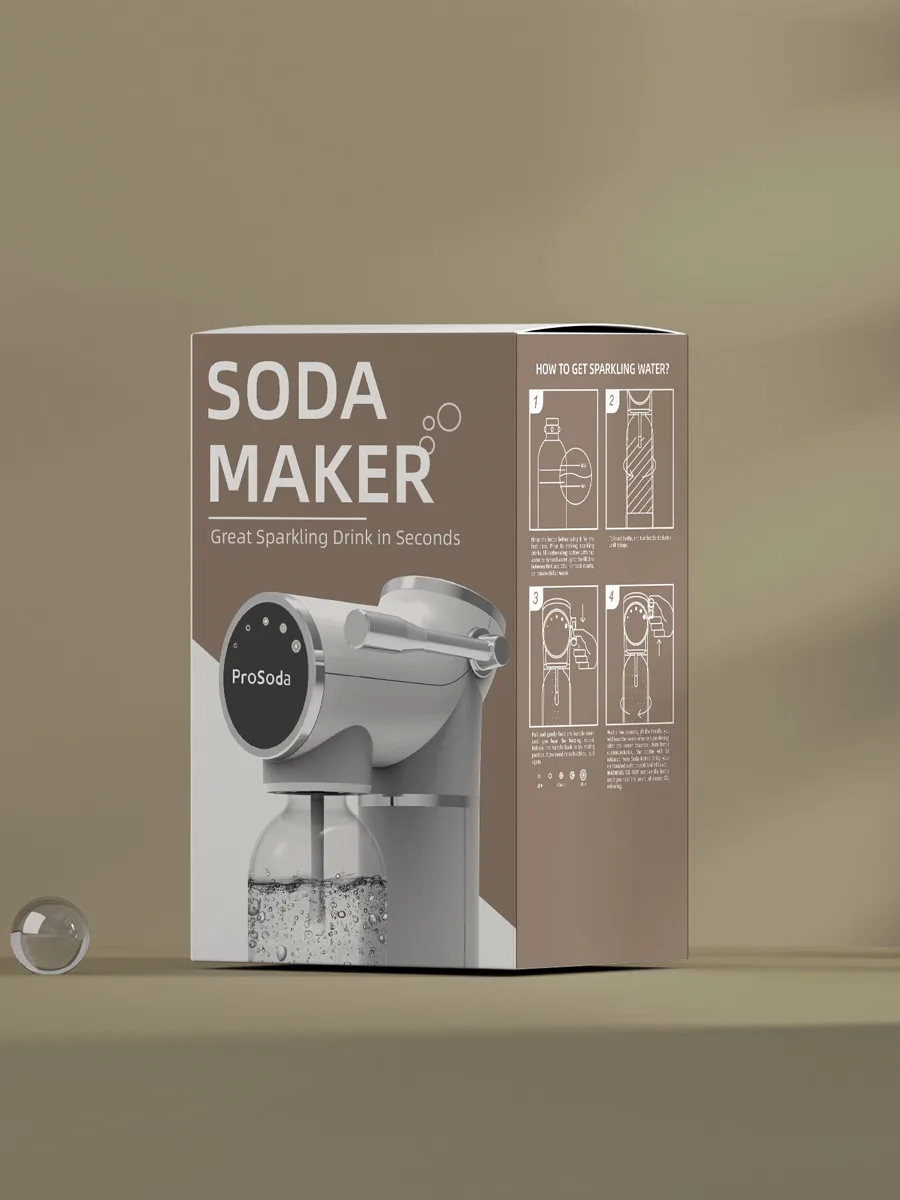
Color Box and Manual
Develop localized retail packaging and instruction manuals for the destination channel, with the brand's terminology, volume markings, and warning texts settled before production.
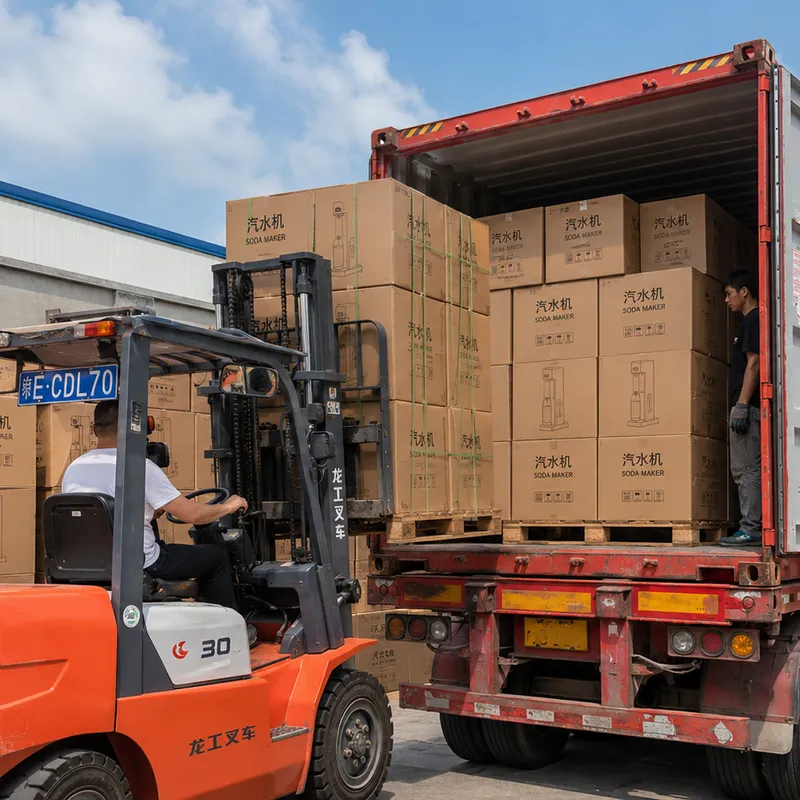
Shipment Carton & Barcode
Define the outer carton, shipping marks, and barcode placement for the channel, so the retail box, the carton, and the listing all carry the same product identity.
One scope boundary matters for planning: the existing-model route is what keeps the standard lead times. A genuinely new mold, a new housing, or a new mechanism is a separate project with its own timeline, confirmed before it is promised — it is not absorbed into the standard first-order stage.
Who Buys Seltzer Makers from a Factory?
Our manufacturing services are structured for commercial entities requiring reliable hardware supply and brand customization. We partner with procurement professionals across various sectors.
- US Importers: seeking compliant, market-ready hardware for regional distribution — their first question is usually the cylinder standard and the packaging file, not the mechanism.
- Household Appliance Brands: expanding product lines with water carbonation category additions — they care most about the model fitting an existing brand family and price tier.
- Retail Private Label Teams: developing store-brand appliances for big-box or specialty retail — they care most about the retail box, the barcode, and the manual surviving a compliance check.
- Online Sellers: sourcing differentiated models for e-commerce platforms — they care most about a listing that reads correctly in the channel's own terminology and a bottle set that photographs well.
- Distributor Networks: securing reliable volume supply for regional B2B sales — they care most about repeat-order stability and a spare-parts route for the installed base.
- Beverage Accessory Brands: adding core hardware to complement existing syrup or CO2 lines — they care most about the gas connection matching the cylinders their customers already use.
What all six share is the same starting point: an existing platform, a bottle set, and a packaging file, combined differently per channel. The factory's side of the project does not change between them; the brand's side — the term on the box, the barcode, the manual language, the carton marks — is what changes, and it is settled at scoping, not at the loading dock.
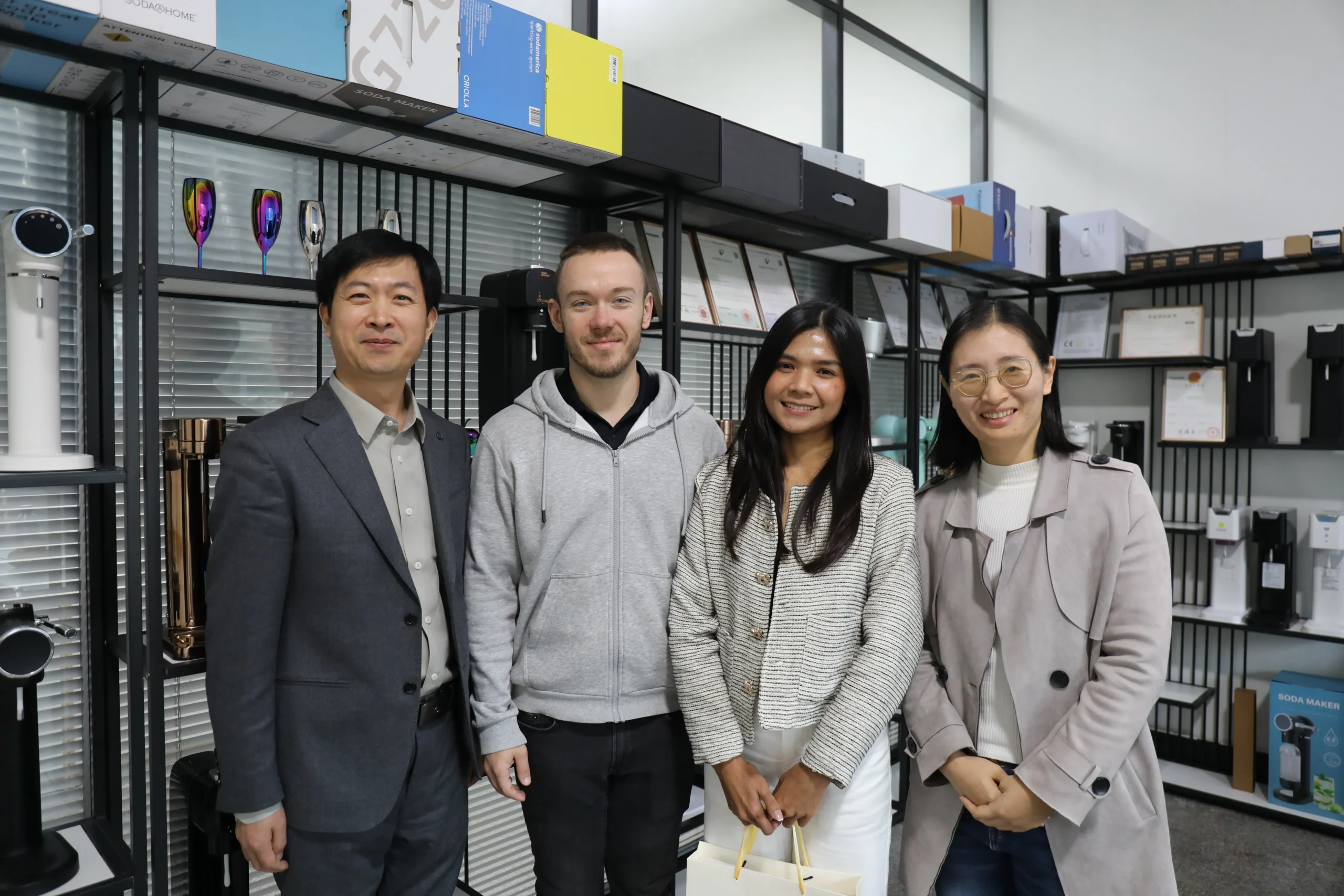
Terminology Comparison for B2B Projects
| Term | Typical Market Use | Recommended Page on This Website | B2B Notes |
|---|---|---|---|
| Seltzer Maker | Primarily US market; focuses on carbonated water. | This Current Page | Ensure packaging and manuals use "seltzer" for US channels. |
| Soda Maker | Global; broad term, often implies adding syrups/flavors. | Home or Products | Standard generic term for global procurement. |
| Sparkling Water Maker | Global, particularly Europe/UK/ANZ; perceived as premium. | Sparkling Water Maker | Use for premium positioning or specific regional compliance. |
| Carbonator | Trade and component contexts; describes the function, not the retail category. | Quality & Compliance | Useful in specifications and component documents; weak as a retail title. |
| Seltzer Water Maker | US variant of the same term; same shopper, longer phrase. | This Current Page | Use where the channel's own listings already use the longer phrase; never mix both phrases on one box. |
The rule that governs the table is consistency, not preference: pick the term the destination channel already uses, then carry that one term across the color box, the manual, the carton marks, and the listing. A project that says "seltzer" on the box, "sparkling water" in the manual, and "soda" on the listing has three identities, and a retailer's compliance check will treat that as three problems.
A practical example: a brand selling the same machine in the US and in Europe runs two file sets, not one file set with two titles. The US set says "seltzer maker" throughout; the European set says "sparkling water maker" throughout. The machine, the bottle, and the gas connection are identical; only the words change, and they change everywhere at once.
Model Shortlist for US Seltzer Lines
Every model below is an existing, tested platform. Actuation is the first choice because it changes how the product is demonstrated; material is the second because it sets the price tier; the bottle set is the third because it decides the retail configuration.
| Model | Actuation | Body and head | Standard bottle set | US-line note |
|---|---|---|---|---|
| G3 | Top-press | All plastic | 1L PET, BPA-free | Entry plastic line; LED indicator on the machine |
| G9 | Top-press | All plastic | 1L PET, BPA-free | Same platform as G3 without the LED |
| G8 | Top-press | All plastic, detachable sub-carbonator | 1L PET, BPA-free | Detachable head suits service and cleaning stories |
| G720 | Lever | Plastic | 1L PET, BPA-free | Volume plastic lever line for retail programs |
| G830 | Lever | Plastic, detachable and washable sub-carbonator | 1L PET only | Washable head suits household positioning |
| G15 | Lever | Full stainless body, fixed head, removable nozzle | 1L PET with stainless base and cap | Premium stainless line; CNC brass valve |
| G15 Pro | Lever | Full stainless body, detachable head | 1L PET with stainless base and cap | Pro differs from G15 in exactly two ways: detachable head plus a juice and pure-water mode switch |
| X1 | Manual press | Stainless body | 1L PET with stainless base and cap | Manual-press stainless option outside the lever lines |
The full range, with dimensions and packing for each model, is listed on the models page, and the individual model pages carry the per-model detail. A US line normally starts from one plastic and one stainless platform, so the retail range has two price tiers without two supply chains. The X1 row is the exception to the lever pattern: it is a manual-press stainless option for brands that want stainless positioning without a lever mechanism, and it takes the same 1L PET with stainless base and cap as the G15 family.
Model Selection for Seltzer Maker OEM Projects
B2B procurement typically begins by selecting an existing hardware platform. This approach mitigates R&D risks and accelerates time-to-market. When selecting a base model for your seltzer maker project, consider the following dimensions: Size (countertop footprint), Bottles (compatibility: PET/stainless steel), Style (appearance and material), Channel (target retail/online), Volume (packaging dimensions), Terms (MOQ and launch schedule).
The order of those decisions matters. Channel first: a big-box retail line and an e-commerce line need different boxes, barcodes, and manuals even on the same machine. Actuation second: top-press, lever, and manual press demonstrate differently, and the demonstration is part of the retail pitch. Material third: plastic or stainless sets the price tier and the shelf neighbors. Bottle set fourth: PET or stainless, 500 ml or 1,000 ml, one bottle or two. Volume last: the quantity decides the carton plan and the print run, not the machine.
Private Label Seltzer Maker Support
We offer comprehensive private label services for seltzer makers. Project scopes generally cover logo application, specific color runs, custom color boxes, localized manuals, carton marks, barcode labels, and strict sample approval processes before mass production. Learn more about our Private Label process.
Private label here means branding an existing platform, not redesigning one. The logo, the colorway, the box, the manual, and the carton marks are all customizable; the mechanism, the gas path, and the bottle interface are the platform's, and they stay as approved. A brand that wants a different mechanism is asking for a new platform project, with its own engineering timeline — it should be scoped that way from the first inquiry, not discovered at sample stage.
One finish note for stainless lines: matte black is the stocked spray finish on the G15 platform, while matte graphite runs from a 300-unit minimum. A brand planning a graphite line should therefore plan the first order at or above that quantity rather than splitting it across two finishes.
Retail Packaging Files Checked Before Production
For our US private label partners, rigorous pre-production verification of all packaging assets is standard procedure. Our factory engineering and QA teams meticulously review every file to ensure compliance, brand consistency, and flawless retail presentation on the shelf.
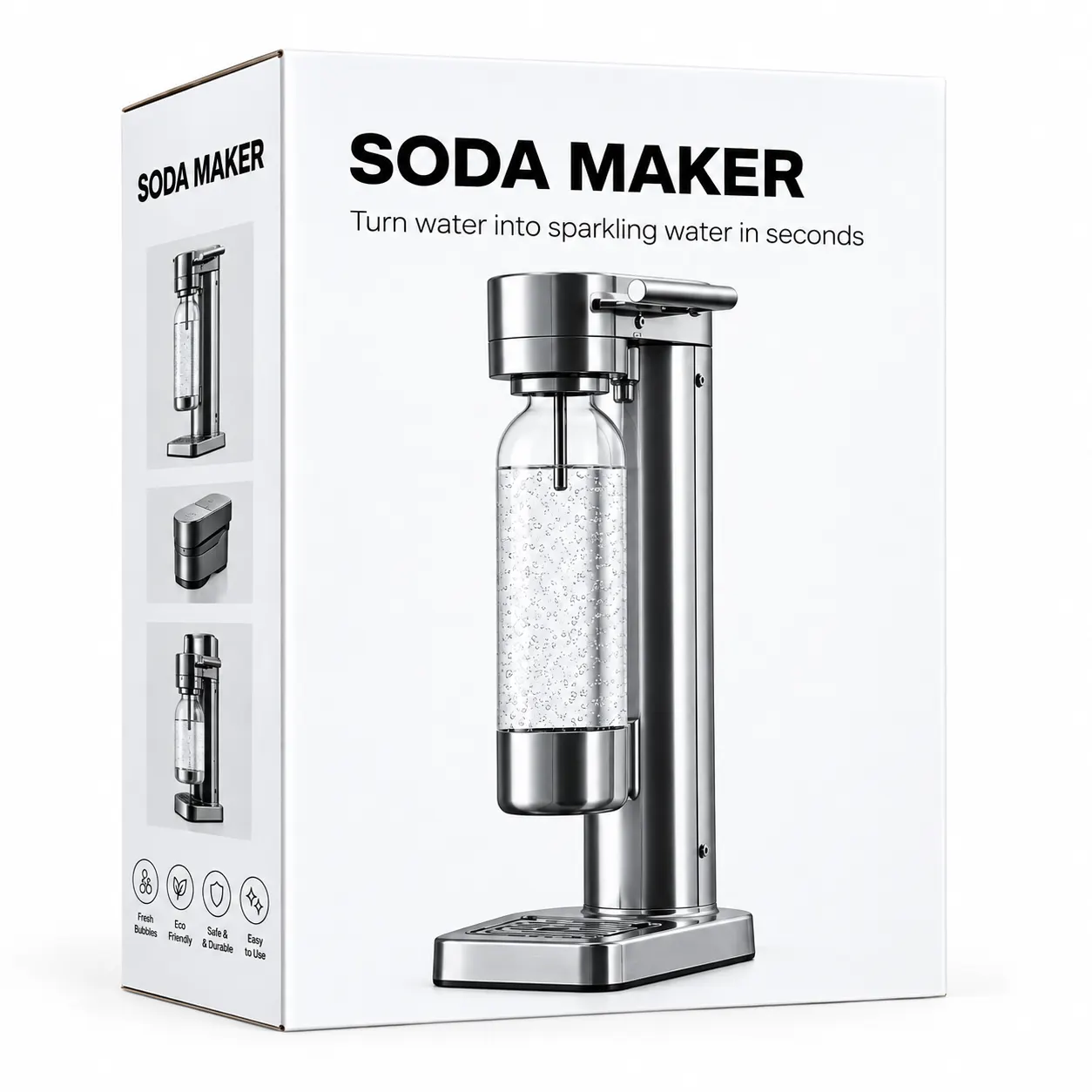
Retail Color Box
We conduct a comprehensive review of your primary retail packaging to ensure print readiness and visual impact. Color Box Artwork: CMYK accuracy, die-cut alignment, and high-resolution graphics check. Barcode Labels: scannability verification (UPC/EAN) and precise placement mapping. Warning Texts: compliance with US regional safety regulations and readability standards.
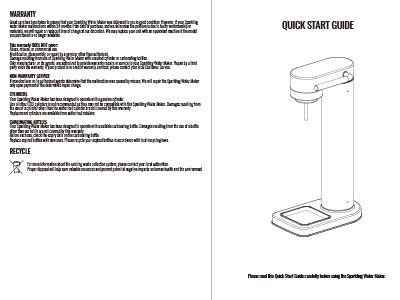
Manuals & Markings
Ensuring end-user documentation is clear, accurate, and legally compliant before mass printing. Instruction Manual: layout review, translation accuracy checks, and safety instruction verification. Bottle Capacity Markings: imperial and metric volume markings checked against the destination's requirements. Carton Marks: shipping marks, handling marks, and channel codes checked against the order.
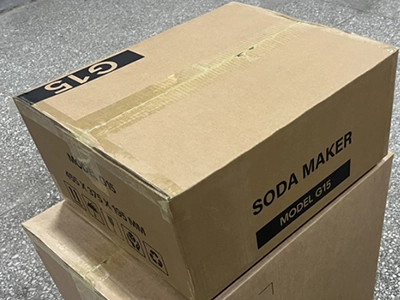
Logistics & Carton Info
Outer carton dimensions, carton quantities, pallet configuration, and shipping marks are confirmed against the order before production, so the cartons that leave the factory match the cartons the channel's warehouse expects to receive.
US Retail Readiness Checklist
Before any file goes to print, the project should pass every line below. A failed line found after printing costs a reprint; the same line found here costs a revision.
- Terminology: one term — seltzer, sparkling water, or soda — used identically on the box, the manual, the carton, and the listing.
- Volume markings: both imperial and metric capacities shown where the channel requires them, matching the bottle actually in the box.
- Warning texts: US regional safety wording present, legible at print size, and placed where the channel's compliance check looks for it.
- Barcodes: UPC/EAN scannability verified on a printed proof, not only on screen, with placement mapped on the box.
- Manual language: the destination language throughout, including safety instructions, with no untranslated passages.
- Carton marks: shipping marks, handling marks, and channel codes matching the order, the carton, and the warehouse advice.
- Bottle set: the bottle count, capacity, and material in the box matching the box copy, the manual, and the listing exactly.
A line that fails after printing costs a reprint and a channel delay: the box run is scrapped, the manual run is scrapped, and the retail slot waits. The same line failed at this checklist costs a file revision. That asymmetry is why the checklist sits before production rather than after it, and why a retailer that receives a consistent file set the first time rarely asks for a second review.
Bottle and CO2 Accessory Matching for Seltzer Projects
Each accessory item is checked against the selected model, bottle set, and packaging plan before sample approval. We provide comprehensive accessory configurations tailored to your OEM/ODM requirements, so the machine, bottle set, and gas connection can be reviewed as one complete project.
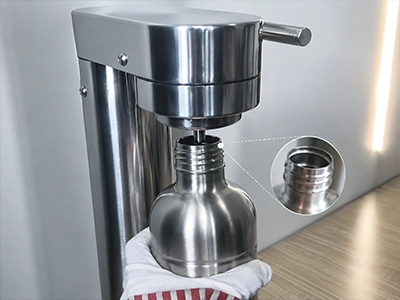
500ml & 1000ml Bottle Sets
Offer versatility to your market with our 500ml and 1000ml bottle sets. Each design undergoes rigorous cap and bottle fitting tests under high pressure to check the bottle fit, cap seal, and carbonation performance before production that maximizes carbonation retention and user safety. PET bottles are BPA-free and come in 500 ml and 1,000 ml sizes range-wide; the stainless bottle fits Aarke-type machines. The stainless bottle measures 82 × 82 × 264 mm and weighs 324 g, packed in a retail box of 91 × 91 × 275 mm.
One construction detail matters for inspection: the PET bottle base is a separate component bonded to the body, so base alignment and bond consistency are checked as part of the bottle's own inspection, not assumed from the body. The bottle range page sets out the full options, and spare bottles and accessory packs are available through the carbonator accessories page.
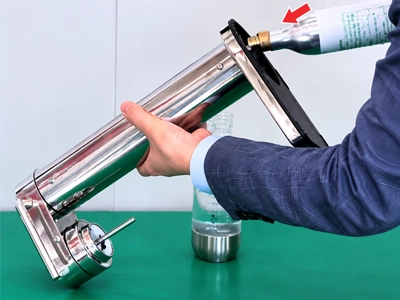
CO2 Cylinder Connection Check
Safety and performance rely on precise gas integration. We conduct a thorough, project-specific compatibility review for your target market's valve standards. Our engineering team performs exacting CO2 cylinder connection checks to ensure secure seating and efficient gas delivery.
The connection standard for this range is threaded: TR21-4 valve, M18×1.5 thread, compatible with SodaStream threaded cylinders (425 g / 60 L screw-in type). It is not compatible with SodaStream Quick Connect cylinders, and no adapter is offered. Confirming the destination market's refill pool at inquiry stage avoids reopening a model decision late; the CO2 cylinder compatibility guide sets out the distinction in full.
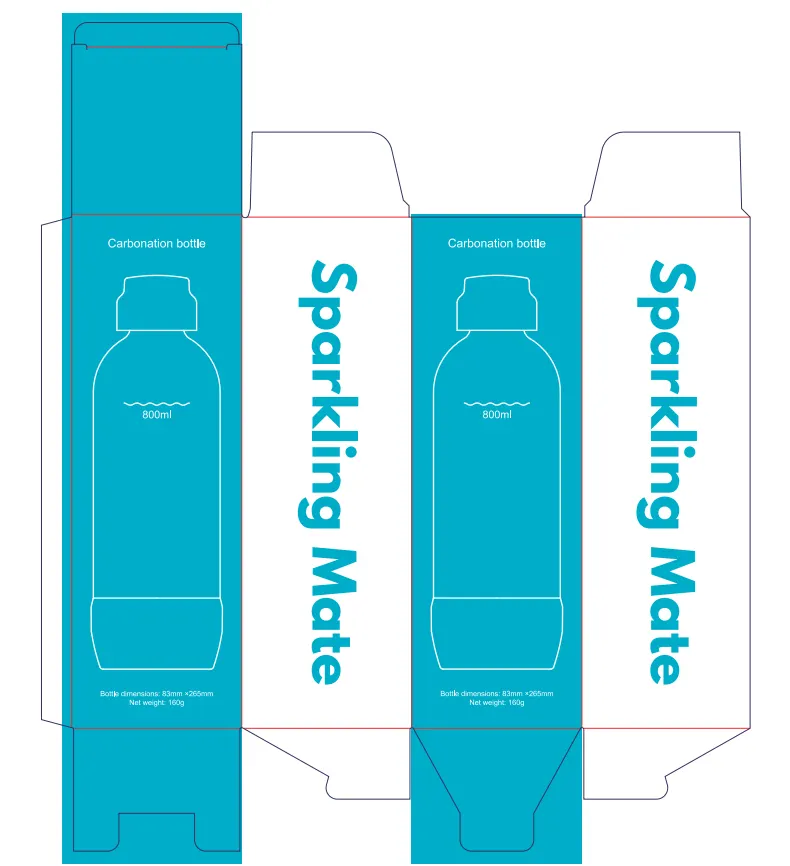
Retail Accessory Pack Planning
Accessory packs — spare bottles, seals, and caps — are planned with the retail program, not added after it. A pack that ships with the machine needs its own box copy, barcode, and manual line; a pack sold separately needs its own listing. Planning both at project stage keeps the retail range consistent and the after-sales route stocked from the first shipment.
Sample Review Before Mass Production
Before initiating full-scale manufacturing, we provide a comprehensive physical sample to finalize every detail of your custom soda maker. This critical phase locks in your exact specifications to reduce confirmation errors before bulk production starts. Appearance & Color, Logo Position, Bottle Fit, Package Files, User Manual, Carton Mark, Accessory List Confirmation. Request a Sample.
Sample approval is the gate, not a formality: no bulk clock is promised until the sample, the color, and the box have all been signed off. A revision at sample stage costs a sample loop; the same revision after bulk production has started costs the production run. A rejected sample restarts from the failed item only — a color rejection does not reopen the mechanism, and a box rejection does not reopen the bottle — so the loop stays short when the rejection is specific. Samples are charged, and the sample fee and timing are confirmed at quotation — the fee itself is never stated as a number here, and samples are never described as free.
Samples, Lead Times and Payment Terms
Samples are charged. A sample is provided for engineering review, logo placement confirmation, and packaging approval prior to mass production, and its timing is confirmed at quotation for the specific component and specification — a standard model from existing records and a model with a small modification do not run the same timeline.
The standard stages are: sample 7 days, first order 35–45 days, repeat order 30 days. The first-order stage runs from sample confirmation: the clock starts once the sample is approved, not before. Where a specification changes after approval, the revised stage runs from the re-confirmation of the change, not from the change request.
Payment is by T/T only, with a 30% deposit and the balance before shipment. The minimum order is 300 units across the range. No price is stated on this page; pricing is confirmed at quotation against the model, quantity, branding scope, and packaging scope in the inquiry.
Seltzer Maker Testing Before Shipment
Each OEM seltzer maker batch undergoes a systematic testing protocol prior to dispatch. This process verifies mechanical integrity, safety thresholds, and visual consistency against approved specifications.
Assembly Check
Physical verification of internal and external components to ensure proper alignment, secure fastening, and correct installation of all mechanical parts.
Bottle Fit Testing
Examination of the threading and locking mechanism to confirm the carbonating bottle attaches smoothly, aligns correctly, and holds firmly during operation.
Airtightness Check
Testing of internal gas pathways, seals, and primary valves to detect any CO2 leakage under standard operational conditions.
Pressure Testing
Subjecting the system to designated pressure levels to confirm safety release valves function correctly and the unit withstands standard carbonation forces without deformation. No test pressure, duration, or threshold is stated here; parameters are recorded against the approved drawing.
Visual Inspection
Finished-goods inspection of appearance, finish, logo placement, and packaging against the approved sample before dispatch.
Factory Testing & Production Footage
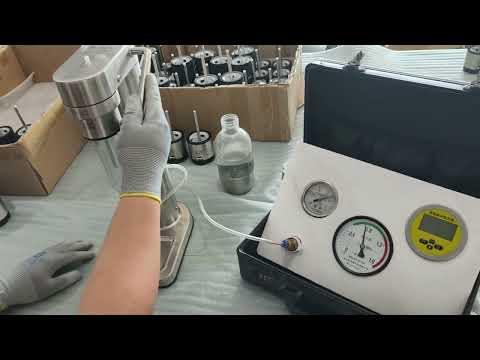
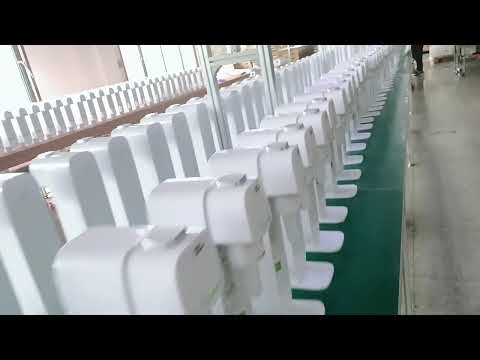
The factory's four-stage quality process — incoming inspection, in-process checks, combined testing, and finished-goods inspection — sits behind these checks. Every finished unit, not a sample of the batch, receives a 100% wet leak test and a high-pressure gas check, with batch burst testing behind it on a sampling basis. Certification coverage is the same across the range — CE, FDA, LFGB and RoHS cover all products — with certificate numbers held on file rather than published.
Two linked video references from the factory floor: Pressure Test for Soda Maker Components, and Soda Maker Production Line Review. Both open on YouTube; they are references, not embedded players.
Standard OEM Project Workflow
Project Information Review
We analyze your target market, estimated volume, and specific requirements to determine project feasibility and initial scope. The buyer approves the scope statement that comes out of this step; it is the reference every later step is checked against.
Model Selection
Buyers select a base hardware platform from our existing catalog, establishing the technical foundation for the seltzer maker. The buyer approves the model choice in writing before branding work starts.
Branding & Packaging Scope
Detailed definition of logo placement, custom colors, localized manuals, and specific packaging designs for the target channel. The buyer approves the artwork files before any print run.
Sample & Artwork Confirmation
Physical samples and digital artwork proofs are produced and submitted for buyer approval before mass production begins. Bulk production does not start on an unapproved sample.
Bulk Production
Manufacturing, assembly, and internal quality control testing commence based on the approved golden sample. The approved sample is the reference the production run is measured against.
Pre-shipment Check & Export
Final inspection, container loading, and preparation of export documentation to facilitate smooth international logistics. The buyer receives the pre-shipment check result before the goods leave the factory.
What to Send for a Seltzer Maker Quote
An accurate quotation needs five facts, and an inquiry that already carries them moves faster than one that spends the first round establishing them: the target market, the model (or shortlist), the quantity from 300 units, the branding scope, and the packaging scope. The inquiry form below asks for exactly these, plus company and contact details and a project description. Anything outside the standard program — a special color run, private tooling, a non-standard bottle configuration — should be stated in the project description so it is scoped and timed separately rather than assumed inside the standard stages.
Related B2B Resources
- Sparkling Water Maker OEM — Explore our main category page for global carbonation projects.
- Private Label Soda Maker — Detailed workflow for establishing your own branded line.
- Soda Maker Bottles — Review PET and stainless steel bottle options for your hardware.
- Quality & Compliance — Factory certifications and product testing standards.
Related guides: Sample Order Guide · CO2 Cylinder Compatibility Guide. Spare parts and accessory packs for installed programs are covered on the spare parts supplier page and the carbonator accessories page.
Frequently Asked Questions
1. What is a seltzer maker?
2. Is a seltzer maker the same as a soda maker?
3. Do you supply seltzer makers for private label brands?
4. Can I customize the logo and packaging?
5. What information is needed before quotation?
6. Can bottle sets be included in the project?
7. Do you support US market packaging requirements?
8. Do you provide samples before bulk production?
9. Is a seltzer maker compatible with SodaStream threaded cylinders?
10. Are samples free?
11. What is the minimum order for a seltzer maker project?
12. What lead times apply to a seltzer maker project?
13. Can spare bottles and accessory packs be added to the project?
Request a Seltzer Maker OEM Quote
Provide your project details below. Our B2B sales team will respond with factory pricing and production timelines.