
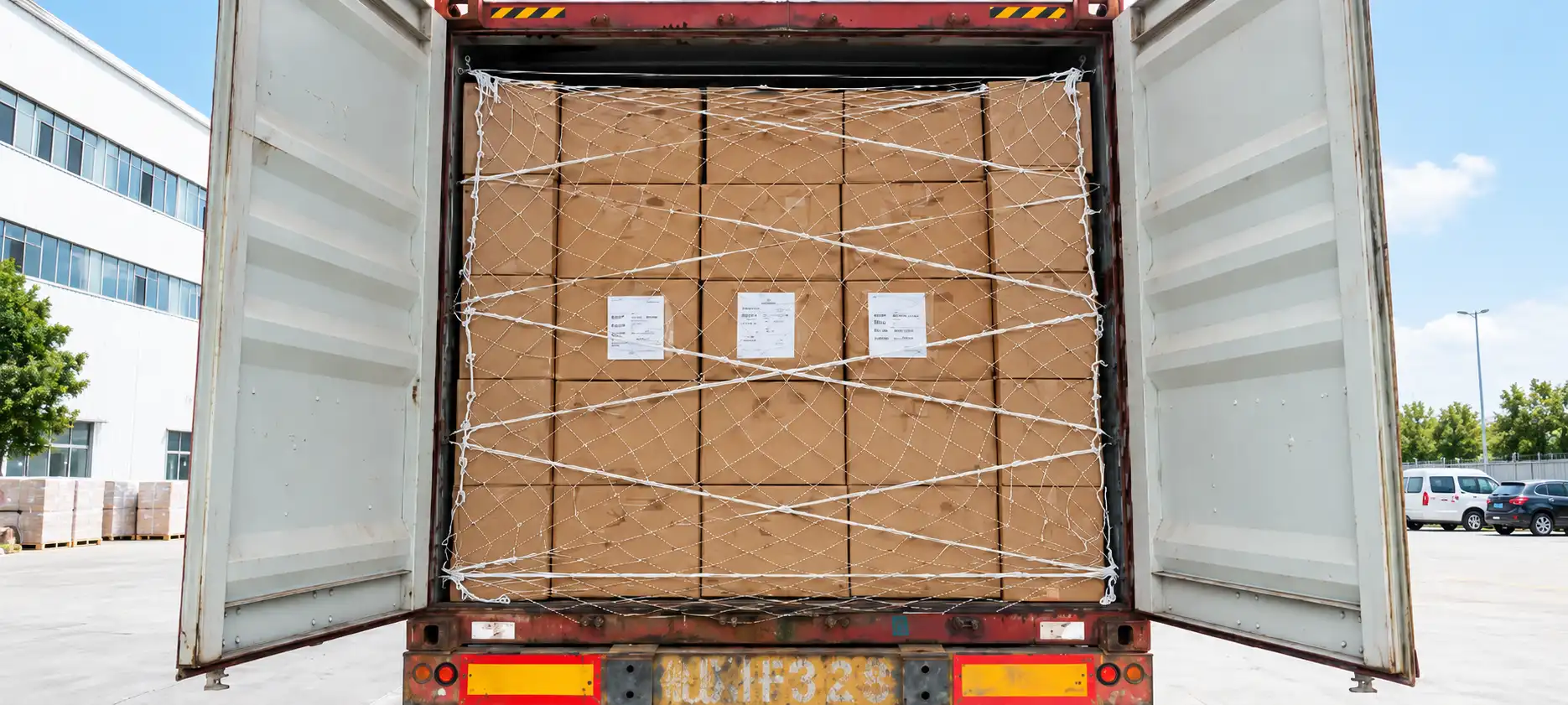
Soda Maker Container Loading Guide
Container loading is where quotation, packaging, inspection and shipping finally meet. For a home soda maker order, the buyer should not only ask whether the goods are ready. The better question is whether the carton data, CBM, loading quantity, carton marks and loading photos are clear before shipment.
This guide explains how importers can work with Cheersoda to plan soda maker loading for LCL, FCL and repeat orders, while keeping the page focused on loading execution instead of mixing it with trade terms or general importer advice.
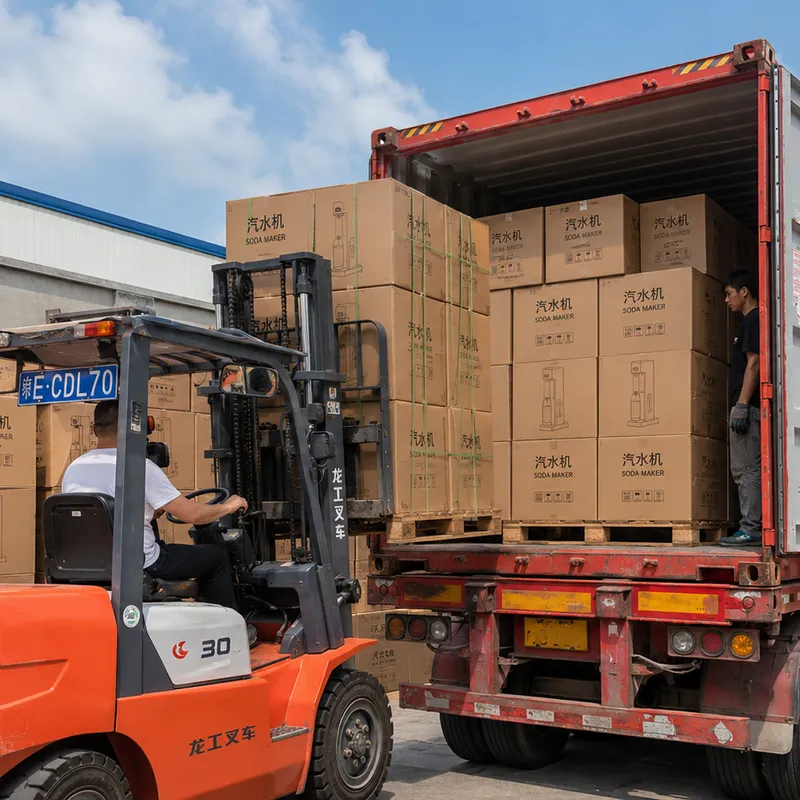
The practical goal of a loading plan
A good soda maker loading plan gives the buyer four things: predictable freight calculation, clear warehouse receiving, fewer carton disputes and better repeat-order control. It is especially important when the order includes retail color boxes, PET bottles, manuals, customized carton marks or mixed models.
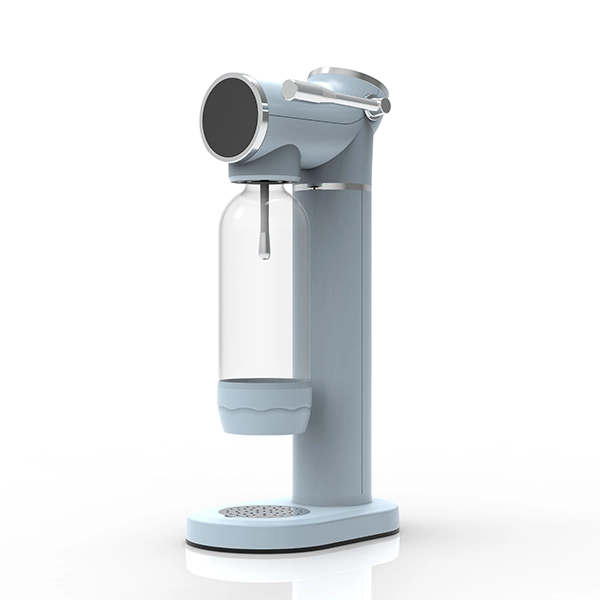
G720 — our proven plastic model for volume private-label programmes. MOQ 300 units.
See the G720 →What should be confirmed before loading
Size, weight and quantity
Carton dimensions, gross weight, net weight and quantity per carton should be confirmed before freight booking. For soda maker sets, the bottle count and inner packing can change the final carton data.
LCL, FCL or warehouse delivery
Different shipping plans need different attention. LCL shipments need clear marks and stronger handling protection. FCL shipments need loading sequence, carton stability and space planning.
Photos and loading records
Photos of carton marks, packed cartons, loading process and sealed container support buyer confidence. They also help the importer explain shipment status to local partners.
Container loading decisions and page boundaries
This article works as the loading guide inside the procurement cluster. It should link to the right support pages instead of trying to become every logistics page at once.
| Question from buyer | What to verify | What should be handled elsewhere | Best internal link |
|---|---|---|---|
| How many cartons and how much CBM? | Explain carton data, CBM logic and loading records. | Do not turn it into a general shipping price page. | FOB vs CIF vs DDP Guide |
| Will the carton survive shipment? | Show loading checks and carton condition before shipment. | Detailed carton tests and drop-test references belong elsewhere. | Soda Maker Packaging Guide |
| Does packaging change loading quantity? | Explain how box structure, PET bottle count and carton plan affect CBM. | Full color box and manual design should stay on packaging pages. | Packaging Guide |
| Can importers get a clear shipment plan? | Describe the loading data buyers should request before booking freight. | Importer business model and supplier selection are broader topics. | Soda Maker for Importers |
How CBM affects a soda maker order
CBM is not only a freight number. It is the result of your product set and packaging structure. A home soda maker with one PET bottle, a home soda maker with two PET bottles, and a private label set with a larger retail box can produce different carton sizes and different loading results.
Before a buyer compares freight, the carton data should be aligned with the actual packing method. Otherwise the quote may look clean at the beginning but change after packaging is finalized.
- Confirm model and set configuration before calculating CBM.
- Use final master carton size, not only estimated product size.
- Check whether the shipment is pure model or mixed model.
- Separate sample courier packing from bulk order packing.

What Changes the Loading Number
The reference table assumes one thing: a standard set, one machine with one 1L PET bottle, no cylinder, and a standard carton. Change any of those and the number moves. Four changes matter most.
Bottle count. A set with two PET bottles needs a larger retail box and a larger master carton, so fewer cartons fit the same container. Confirm the bottle quantity per set before any loading estimate — the estimate for a one-bottle set does not transfer to a two-bottle set.
Cylinders. The reference quantities exclude CO2 cylinders. Cylinders are packed and counted in their own cartons, separate from machines, so a machine-plus-cylinder order has two carton streams and a different total CBM. Never fold cylinder units into the machine loading number.
Pallets. Pallet loading takes container space that non-pallet loading does not, so the same order loads fewer units on pallets. Confirm pallet or non-pallet loading before the final calculation — it is a loading decision, not a detail to settle at the dock.
Mixed models. Each model has its own carton size, so a mixed-model load is calculated model by model, not averaged. A container shared by G15 and G720 does not load at either model’s reference number.
The rule behind all four: final loading is confirmed after packaging approval, never before. An estimate made before the box, bottle count, and carton plan are fixed will move — that is normal, and it is why the final loading plan is a separate confirmation step.
Loading proof buyers should request
For importers, loading proof is not decoration. It is practical evidence for shipment control, warehouse planning and after-sales communication.
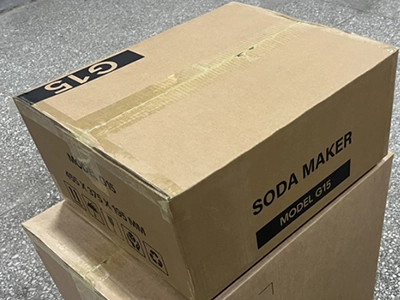 Carton information before freight booking
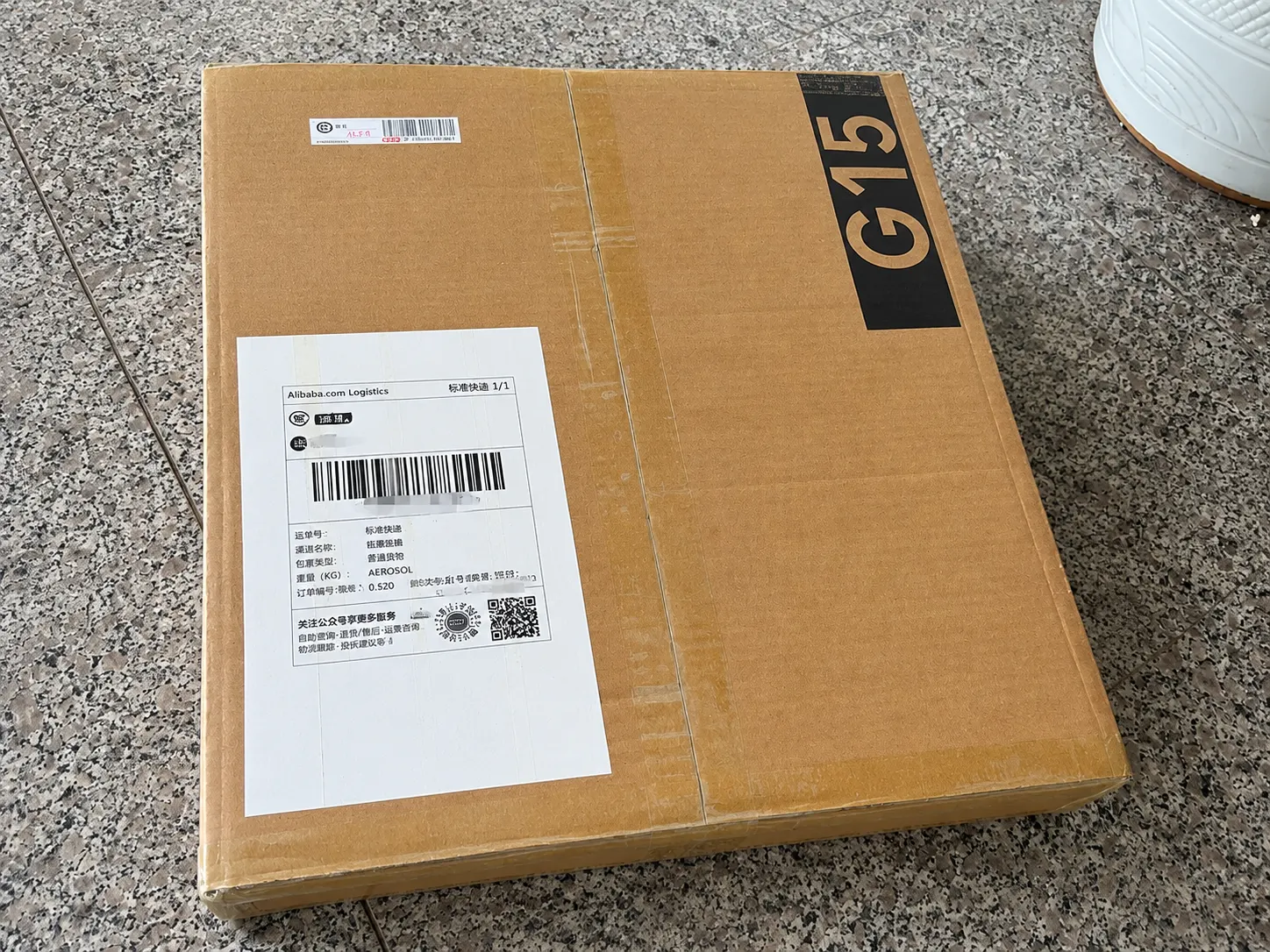 Outer carton mark for warehouse receiving
 Retail box structure affects final CBM
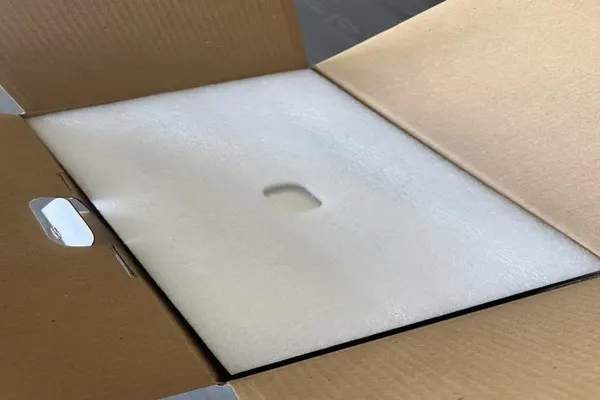 Inner protection before cartons are sealed
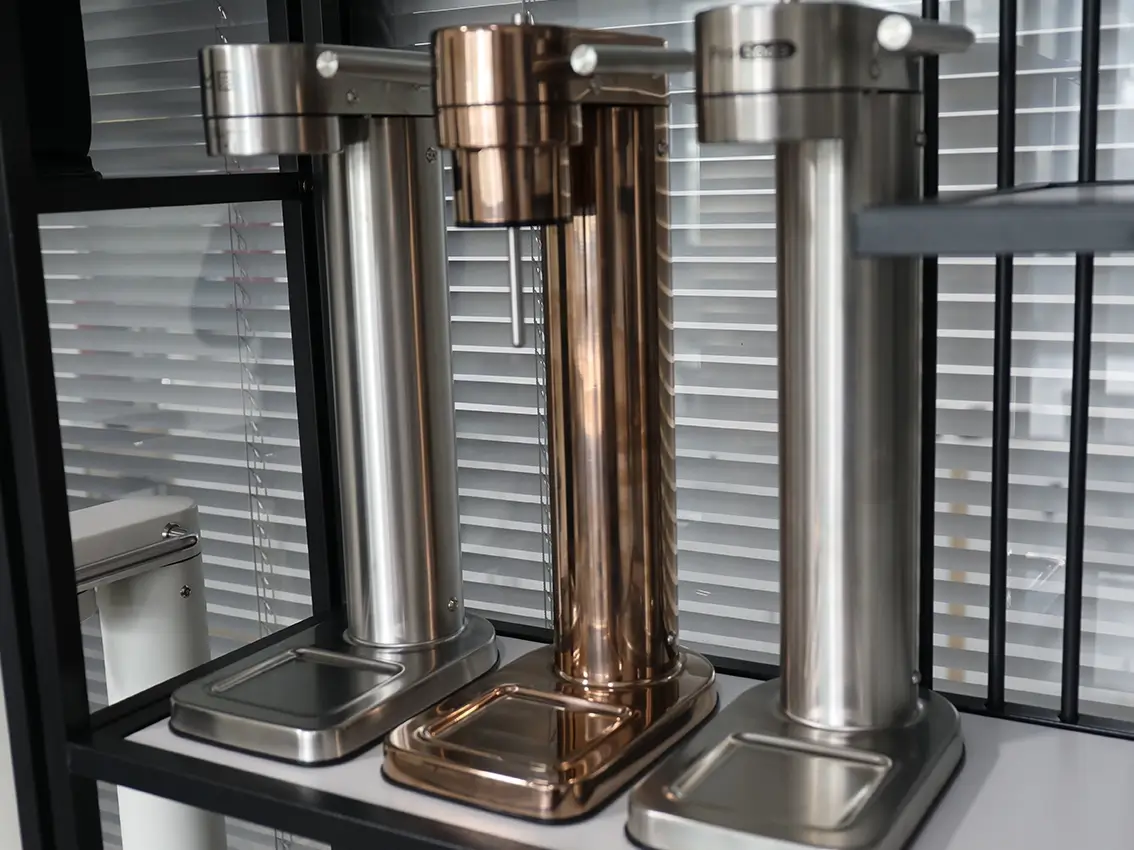 Product set configuration for carton planning
 Factory support behind packing and loading control
Loading workflow for soda maker import orders
Confirm product and packing method
Confirm model, color, PET bottle quantity, accessory set, retail box and master carton before calculating the final loading plan.
Prepare carton data
Check carton dimensions, gross weight, net weight, quantity per carton and estimated total CBM for the order.
Confirm carton mark
Align shipping mark, model number, quantity, destination reference and any warehouse label request before cartons are sealed.
Match shipment type
For LCL, focus on carton marks and handling protection. For FCL, focus on carton stacking, container space and loading sequence.
Take loading records
Use photos or short videos to record carton status, loading process and final sealed shipment when the order and shipping condition require it.
Save data for repeat orders
Keep final carton data and loading records for future reorders, especially when the buyer repeats the same private label packaging.
LCL and FCL need different attention
LCL shipments are handled together with other cargo, so carton marks and carton condition matter a lot. The importer should make sure every carton is easy to identify and the packing method can survive multiple handling points.
FCL shipments give more control over the container space, but they still need careful loading order and carton stability. If a buyer mixes models or packaging types, the loading record should make the quantity and carton grouping easy to understand.
When loading records are especially useful
- First order with a new importer
- Private label color box order
- Mixed model shipment
- DDP shipment to warehouse
- Distributor order with strict receiving rules
- Repeat order where carton data must stay consistent
Loading Records and Repeat Orders
The loading record’s second job is the repeat order. A first order needs the full proof set — carton data, marks, photos, container number — because nothing is confirmed yet. A repeat order with unchanged packaging reuses the saved record: same carton data, same marks, same receiving routine at the warehouse. That is why repeat loading is faster to book and smoother to receive — the data work is already done, for the same reason a repeat production order runs 30 days instead of 35–45.
What to save: final master carton size, gross and net weight, quantity per carton, total CBM, carton marks, loading photos, and the container number. Keep them with the order file, not in a chat thread — the next order, or the next person handling it, needs the same numbers.
When the repeat changes something — a new colour, a new box, a new bottle count — only the changed item re-enters confirmation, and the loading number is recalculated for that item. The unchanged models keep their saved data.
Videos for factory and shipment confidence
Use videos where buyers need to see that production, packing and shipment support are connected, not treated as separate promises.
Factory production and QC process
This video supports the buyer confidence section by showing the production and checking background behind export orders.
QC and pressure testing
This video fits the pre-shipment proof section because loading confidence starts with the product and carton check before shipment.
Reference Loading Data
Reference loading quantities for standard sets (machine with one 1L PET bottle, without CO2 cylinder), based on current export cartons. Use them for early freight planning; final loading is confirmed after packaging approval.
As an industry reference, usable internal volume is about 33 CBM for a 20GP, 67 CBM for a 40GP and 76 CBM for a 40HQ container. Mixed-model orders, added cylinders and private-label packaging change the result, so request a final loading plan for your confirmed configuration.
What to send when asking for loading data
A clear request helps Cheersoda return practical loading information instead of only a general freight answer.
The main importer landing page for buying route and supplier fit. Quality & Compliance
Product checks, quality records and documents to confirm for the selected home soda maker model. Packaging Guide
Retail box, inner protection, manual and carton mark planning. FOB CIF DDP Guide
Trade terms and freight responsibility for soda maker import orders. Import from China
Broader import process, documents and order preparation. Private Label Packaging
Packaging execution for private label soda maker projects. MOQ Guide for OEM Projects
Quantity planning for first and repeat orders. Payment Terms Guide
T/T stages and order confirmation for import orders. Sample Order Guide
Sample types, approval and the step before bulk loading.
FAQ
What is the main purpose of a soda maker container loading guide?
It helps importers understand carton data, CBM, loading records, carton marks and shipment preparation before the goods leave the factory or warehouse.
Can the loading quantity change after packaging is finalized?
Yes. If the retail box, bottle quantity, inner protection or master carton structure changes, the carton size and CBM may also change.
Should I ask for CBM before or after packaging confirmation?
You can ask for an estimate early, but final CBM should be checked after the packaging method and master carton data are confirmed.
Do I need loading photos for every order?
Not always. Loading photos are most useful for first orders, private label orders, mixed shipments, DDP deliveries and orders with strict warehouse receiving requirements.
Can carton marks be customized?
Yes, carton marks can usually be customized based on buyer, model, destination, warehouse rules and shipment documents, as long as the requirements are confirmed before mass packing.
Is this guide for commercial soda machines?
No. This guide is written for home soda maker import orders, including PET bottle set packing and retail or private label shipment planning.
How do I estimate how many units fit in a container?
Start from the reference table for standard sets, then adjust for bottle count, cylinders, pallets, and mixed models. Final loading is confirmed after packaging approval.
Do the reference quantities include CO2 cylinders?
No. The reference table covers standard sets — machine with one 1L PET bottle, without cylinders. Cylinders are packed in their own cartons and counted separately.
Does pallet loading change the quantity?
Yes. Pallets take container space, so the same order loads fewer units on pallets than without. Confirm pallet or non-pallet loading before the final calculation.
What loading data should I keep for repeat orders?
Final master carton size, gross and net weight, quantity per carton, total CBM, carton marks, loading photos, and the container number. Reusing saved data keeps warehouse receiving consistent.
Need carton data or loading records for a soda maker order?
Send the model, quantity, packing method, destination and shipping term. Cheersoda can help prepare practical loading information for quotation, freight booking and buyer confirmation.
- Carton dimensions and weight
- CBM and loading reference
- Carton mark confirmation
- LCL and FCL loading support
- Loading photos for suitable orders