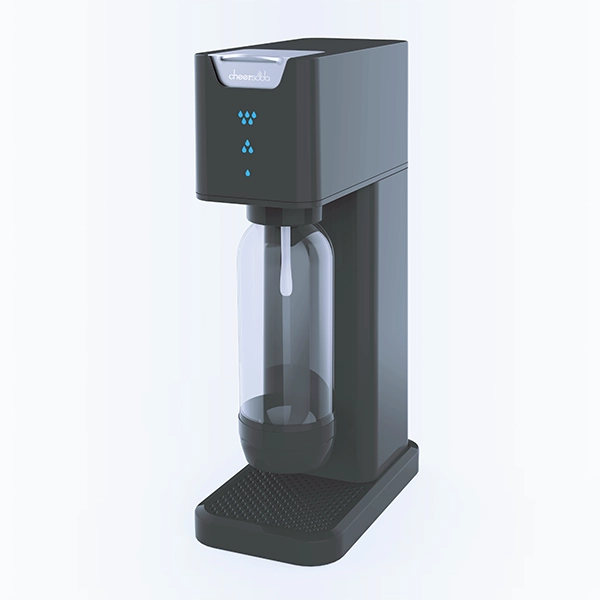
Seasonal or End-Cap Test
A simple model can support summer campaigns, home beverage promotions or a first supermarket category test. Keep the package clear, the bundle easy to explain and the customer service risk low.
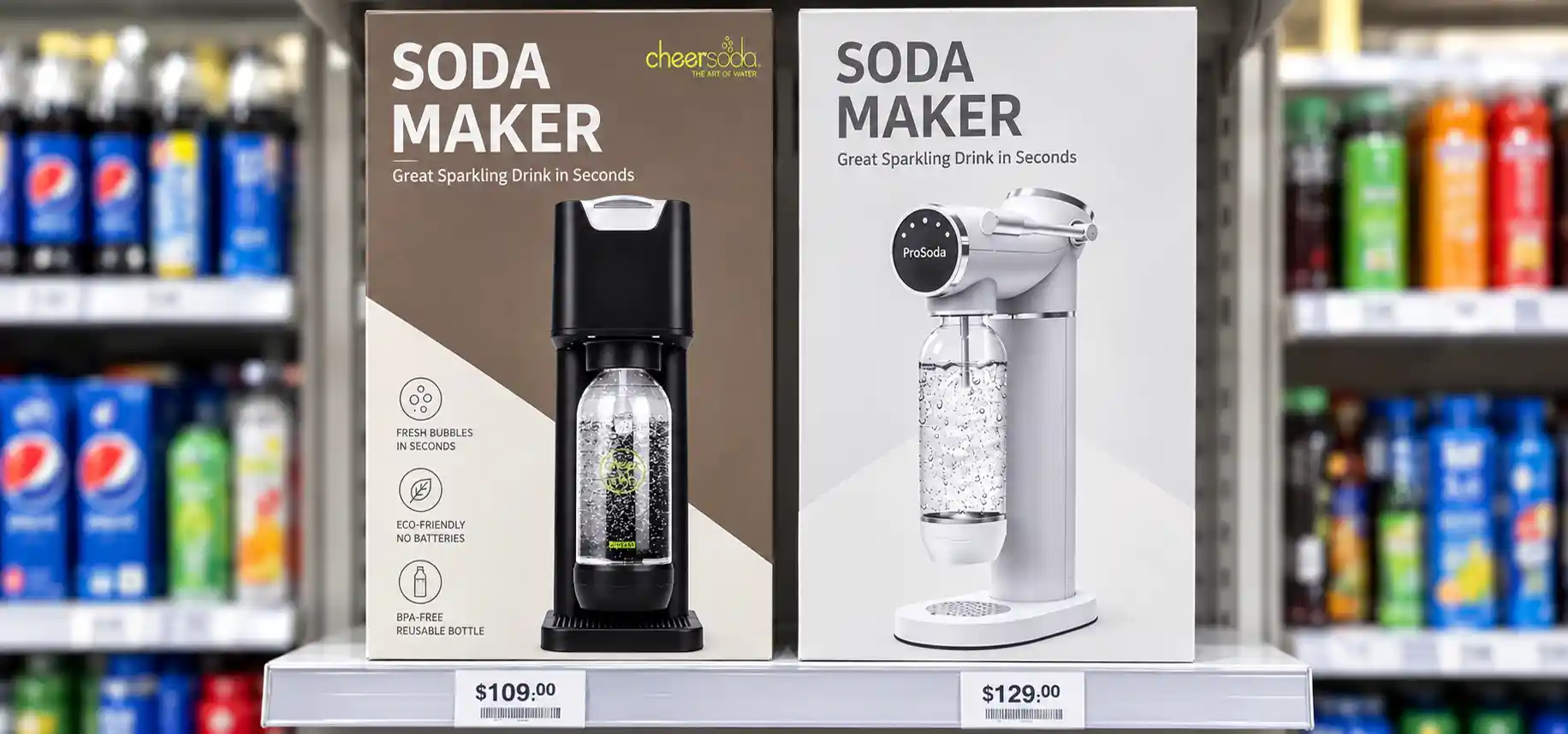
Plan a supermarket own-brand range with Cheersoda around tender requirements, batch consistency, barcode placement, inspection records and clear after-sales responsibilities.
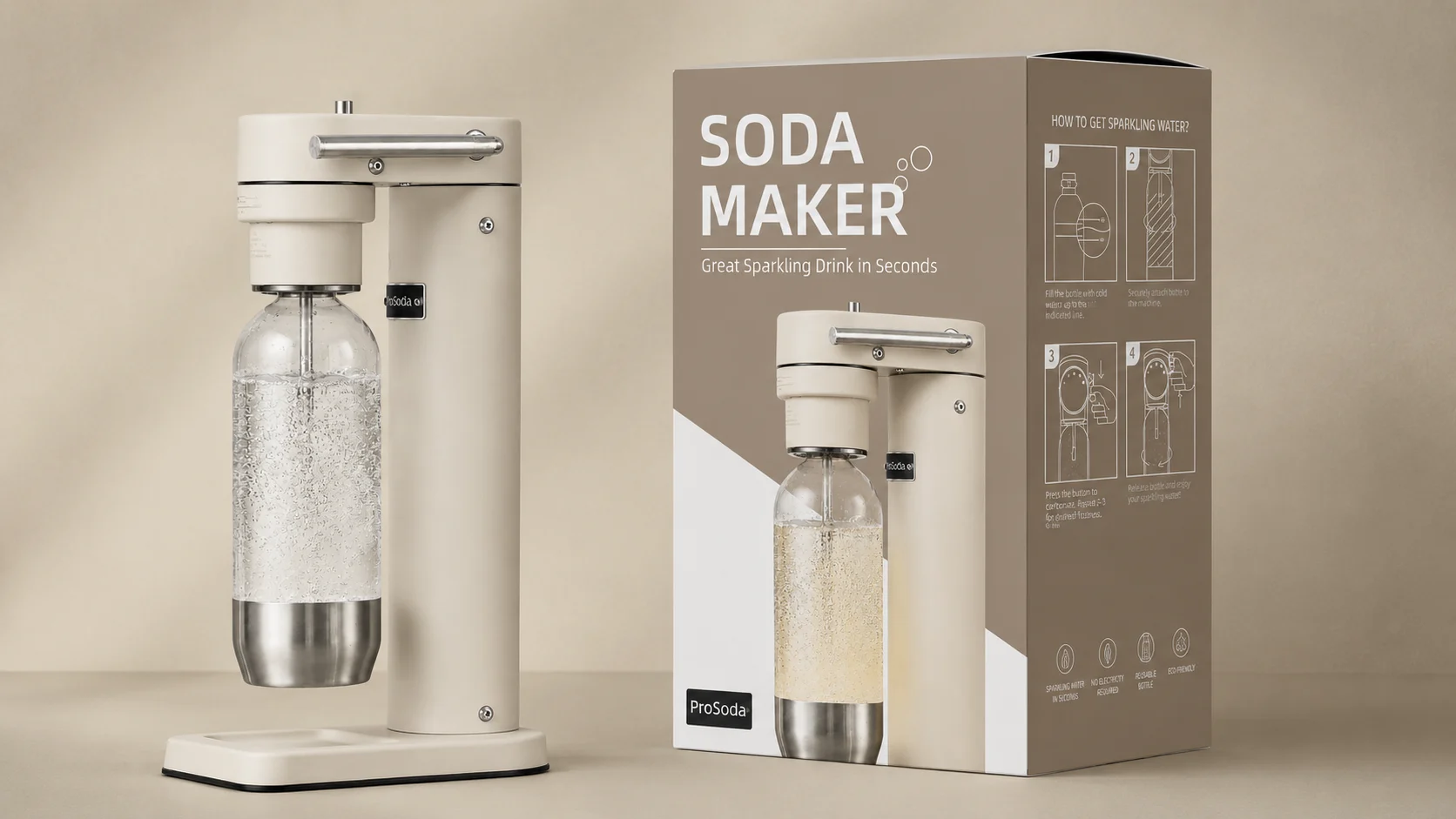
Supermarket private label sourcing is different from buying a generic promotional product. The buyer has to think about shelf presentation, scan code position, warehouse handling, returns, instruction language, bottle replacement questions and whether the supplier can keep approved files for repeat orders.
A home soda maker can work well in a grocery own-brand range when the model, packaging and service notes are planned together. If these details are handled late, the project may look fine in a sample room but create problems after the first shipment reaches stores.
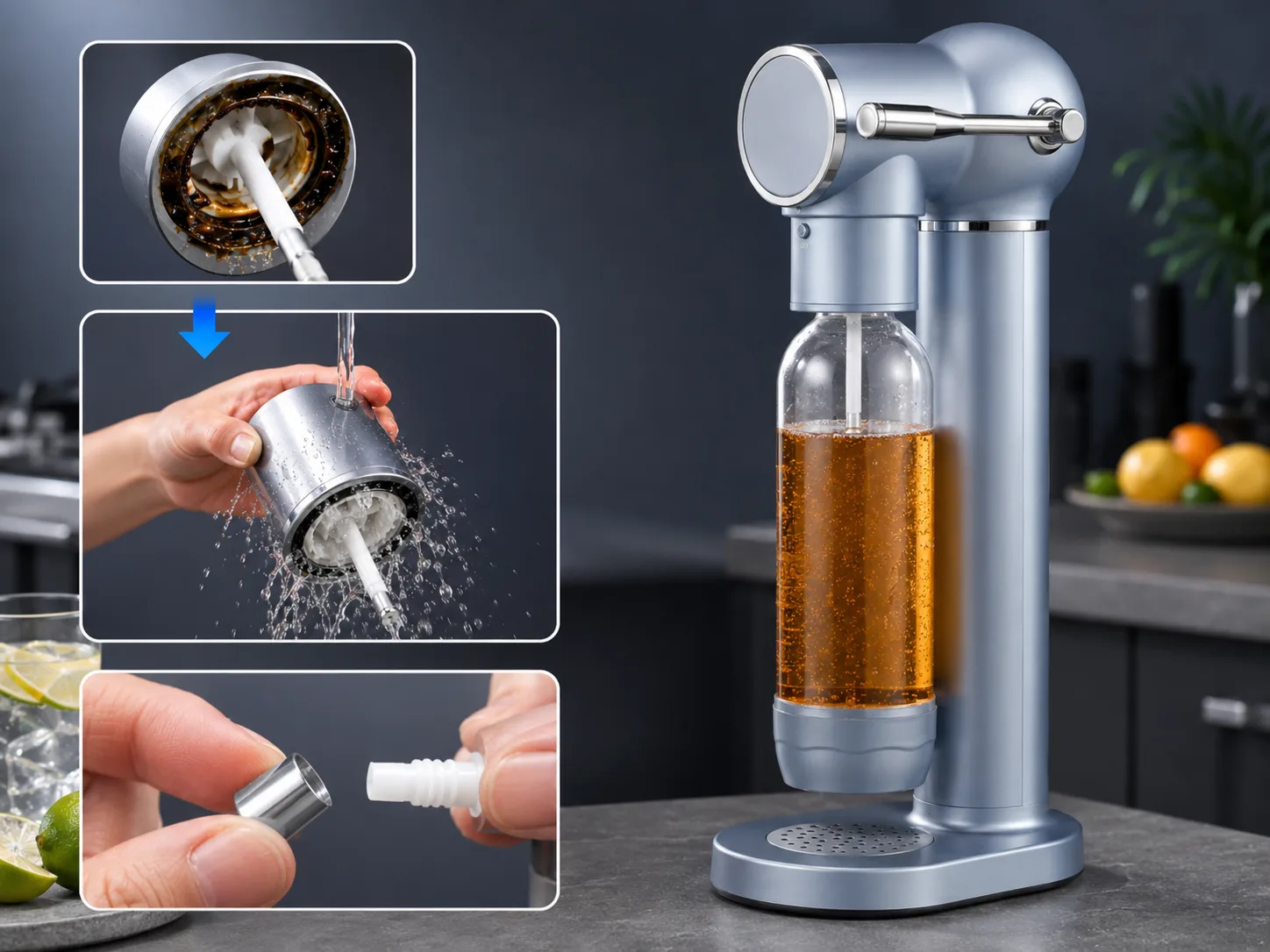
Supermarket buyers often need a clear SKU ladder. One soda maker can test the category, but a better private label plan separates promotion, regular shelf and upgrade roles.
A simple model can support summer campaigns, home beverage promotions or a first supermarket category test. Keep the package clear, the bundle easy to explain and the customer service risk low.
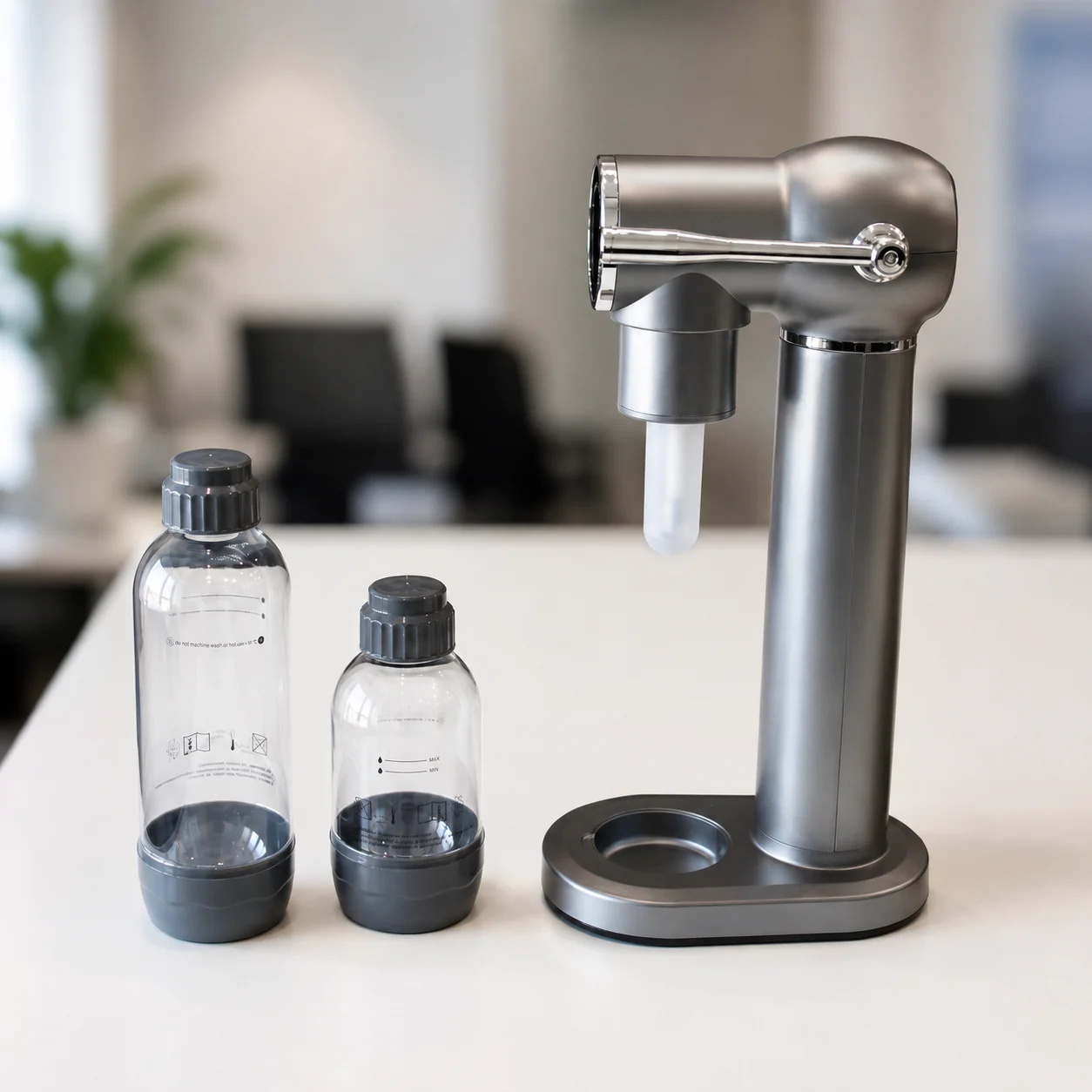
The main SKU should balance appearance, operation, bottle fit, packaging size and repeat-order stability. It should be clear enough for a category page, shelf card and customer support script.
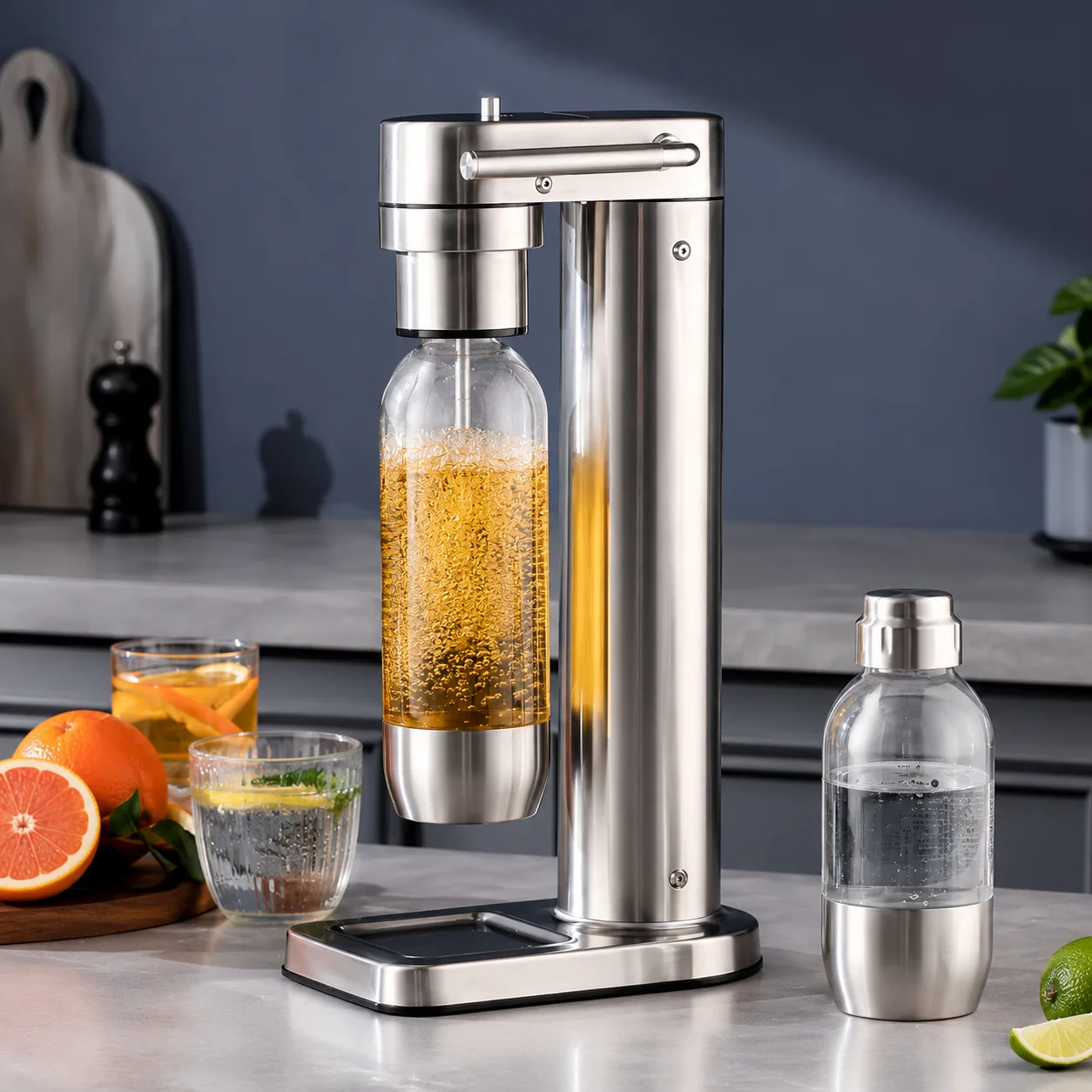
A higher-finish model can fit gift shelves, appliance corners or wholesale club bundles. The value story should connect finish, accessory set, packaging and customer use instead of relying only on appearance.
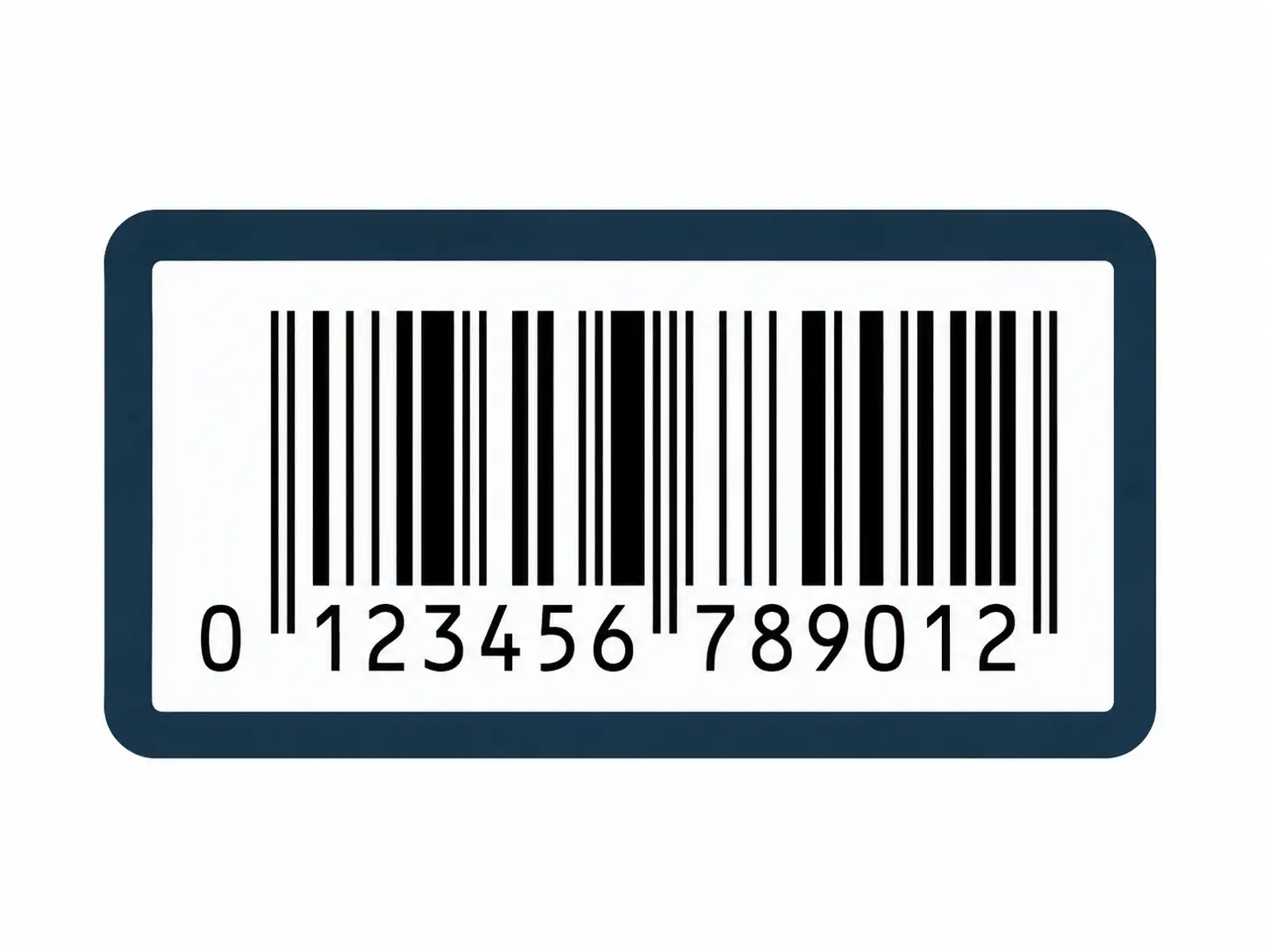
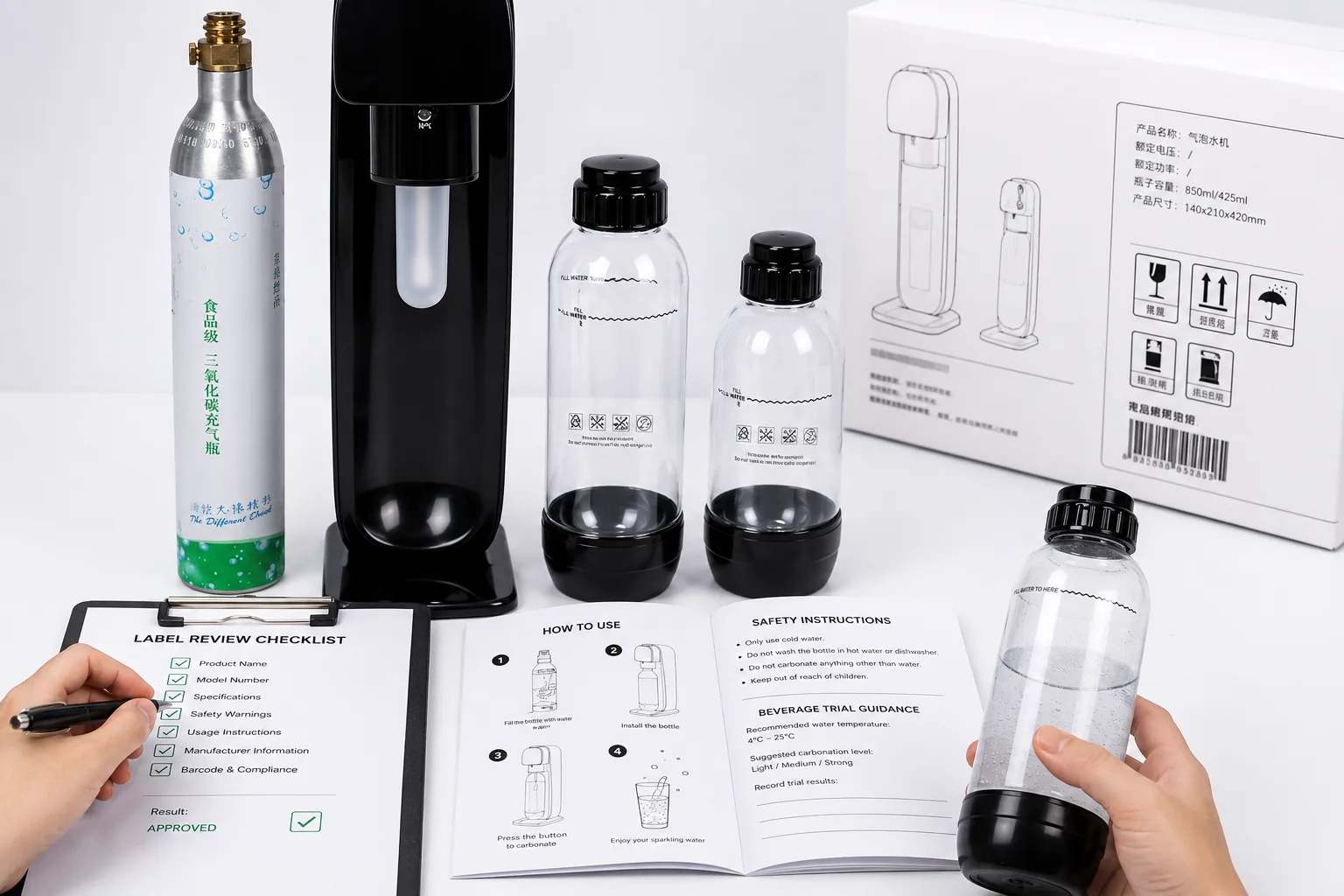
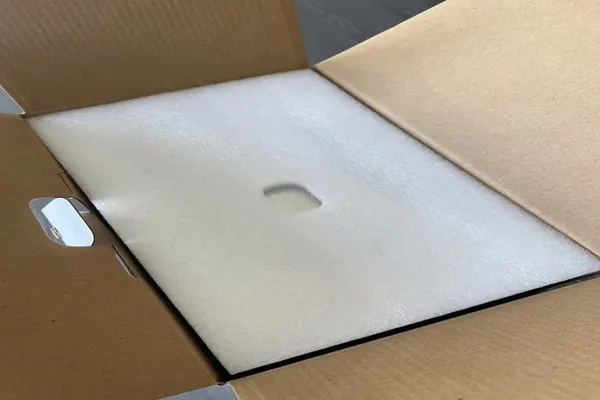
A supermarket soda maker needs packaging that works in three places at once: on the shelf, in the warehouse and at home after purchase. Cheersoda can help review the product photo, front-of-box message, warning label, barcode location, inner protection and carton marks before printing.
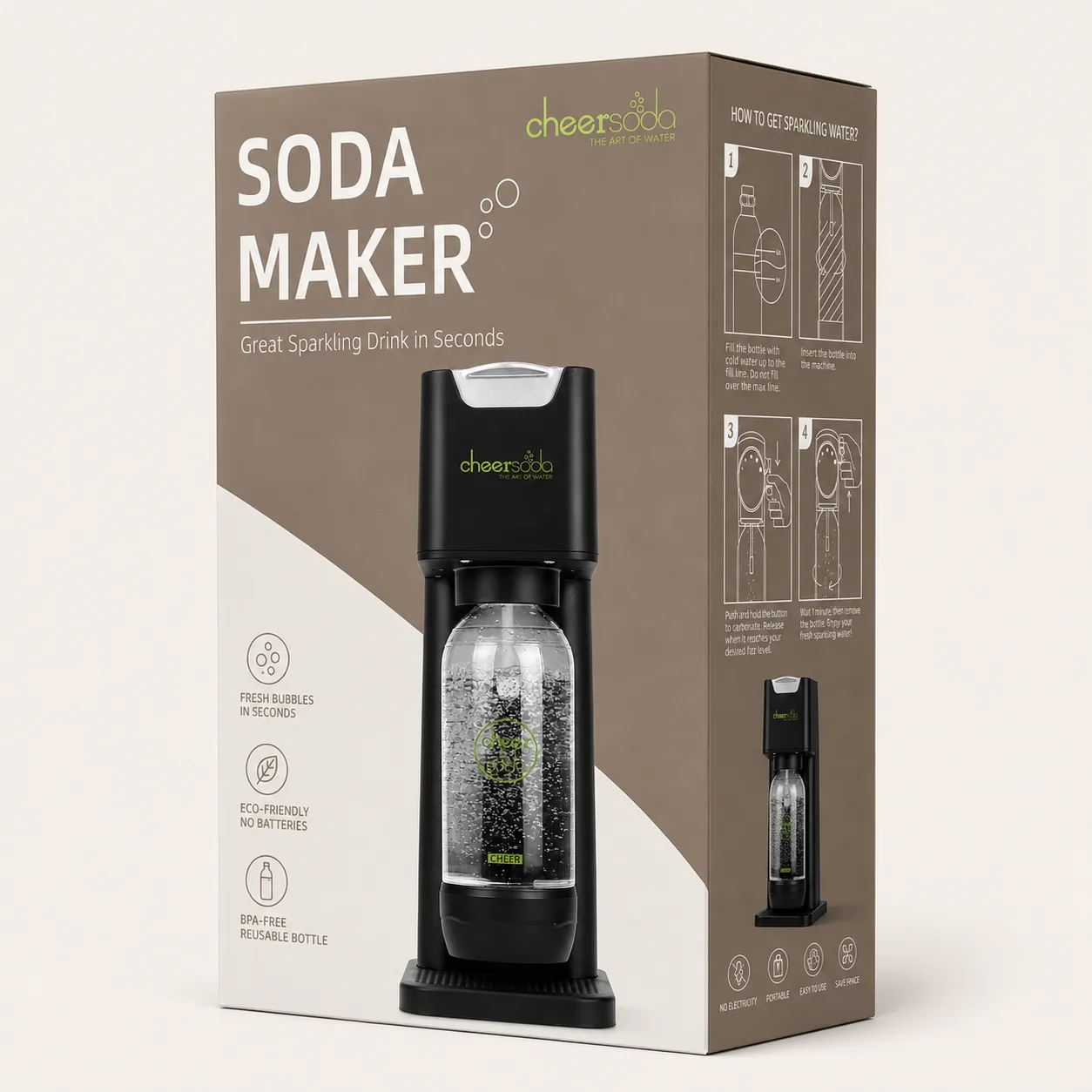
The best supermarket SKU is not always the model with the most features. It is the model that can be explained quickly, packed safely, scanned easily, supported by store teams and reordered without changing approved details.
| Decision Point | What to Review | Why It Matters for Supermarket Private Label |
|---|---|---|
| Body material | Plastic body, stainless steel look, visible finish and logo area. | Material should match the shelf role and avoid confusing the buyer about why one SKU costs more than another. |
| Bottle fit | Bottle installation, release action, cap type and extra bottle option. | Bottle questions often become store-level customer service questions after launch. |
| CO2 cylinder route | Target country, local refill habit, valve photo, thread type and warning language. | Cylinder mismatch can create returns even when the soda maker itself works well. |
| Box size | Retail box, inner tray, master carton, pallet handling and carton mark plan. | Supermarket teams need a pack that works for shelf, storage and warehouse handling. |
| Accessory bundle | Default bottle, optional extra bottle, manual, quick-start card and insert plan. | The bundle should lift perceived value without making the package hard to ship or explain. |
| Repeat-order control | Approved sample, Pantone reference, artwork file, barcode file and packing file. | Later orders should match the buyer-approved version, especially for own-brand programs. |
Before a supermarket buyer approves an own-brand soda maker, the internal team usually needs more than a product photo. They need sample evidence, packaging notes, carton data and a clear answer for store staff and customer service. Preparing these points early keeps the discussion practical.
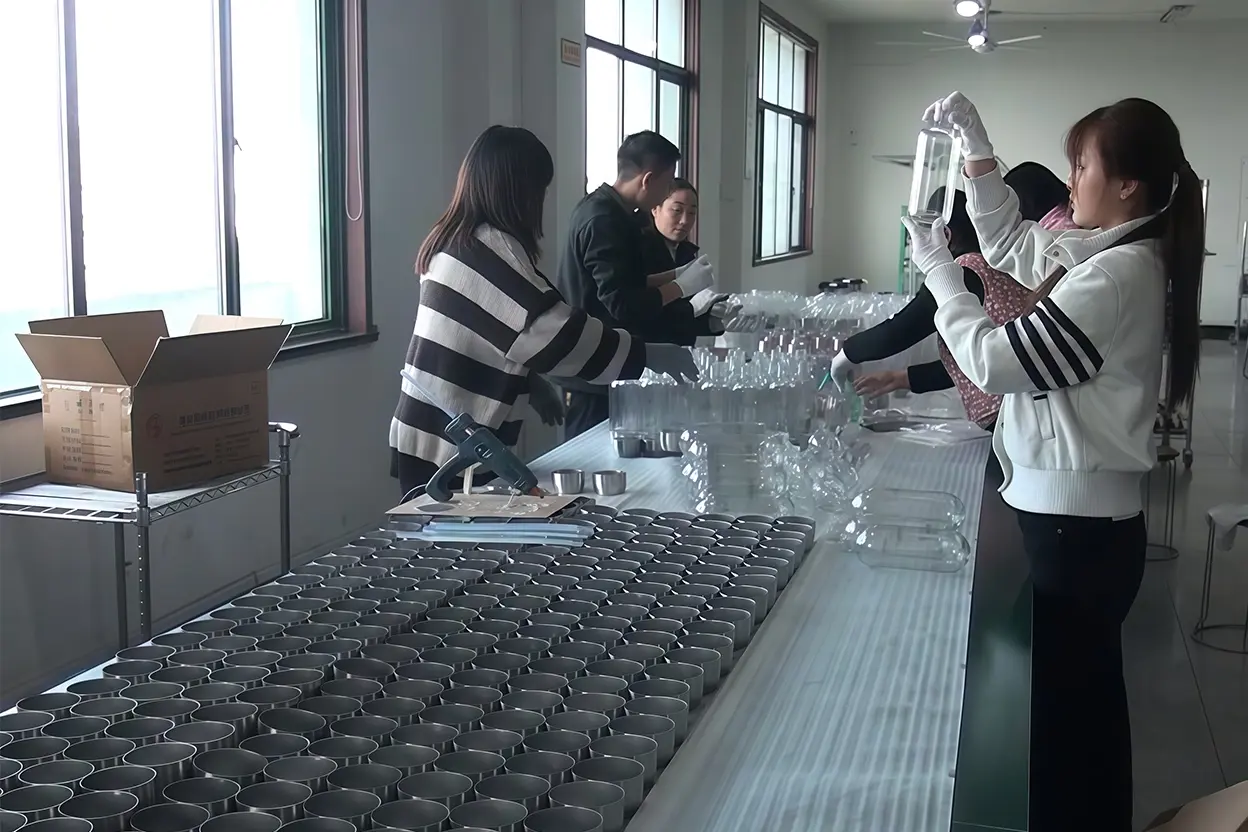
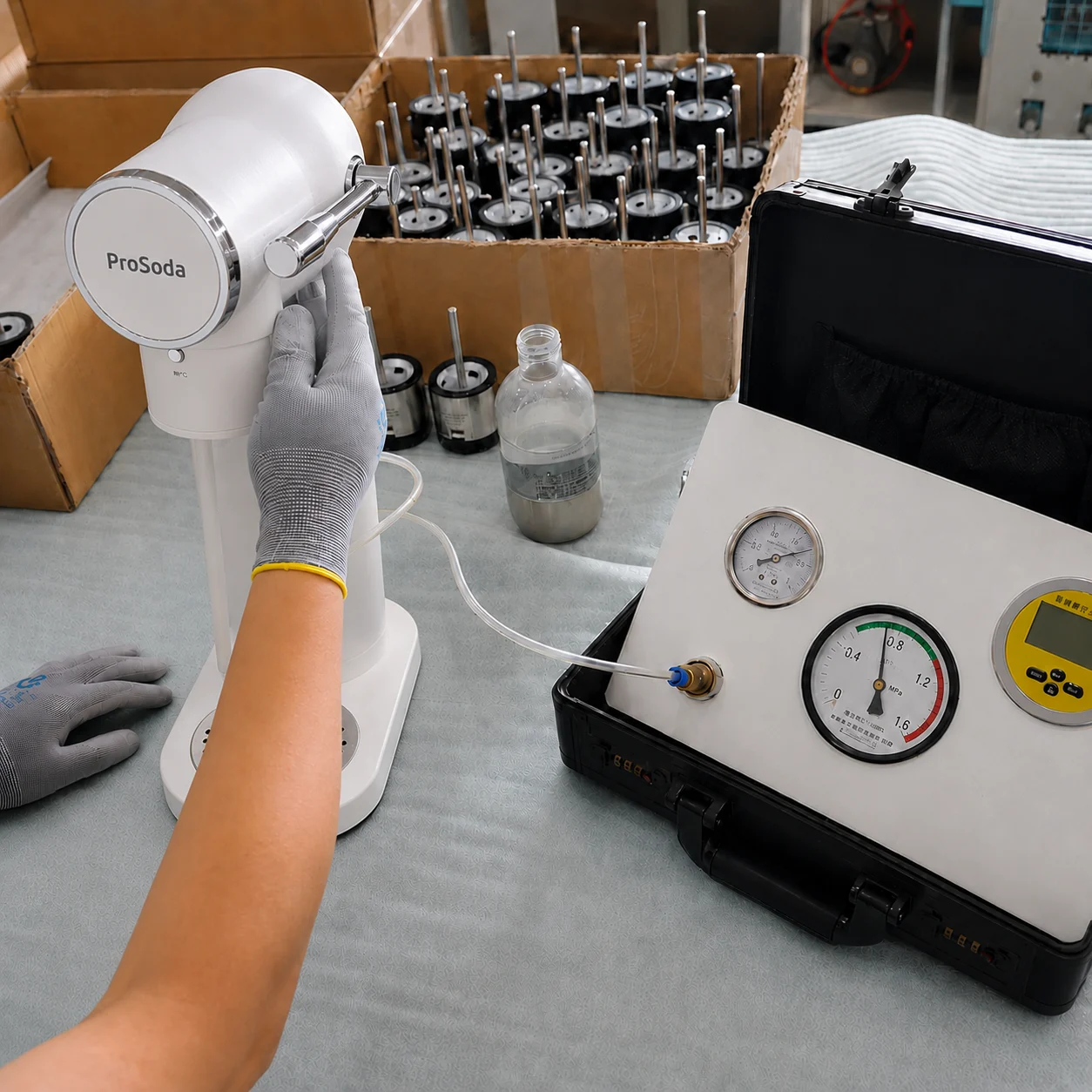
For supermarket approval, factory photos and process notes can help the buyer see that the project is not only a design file. Assembly evidence supports discussions around capacity, consistency and later repeat orders.
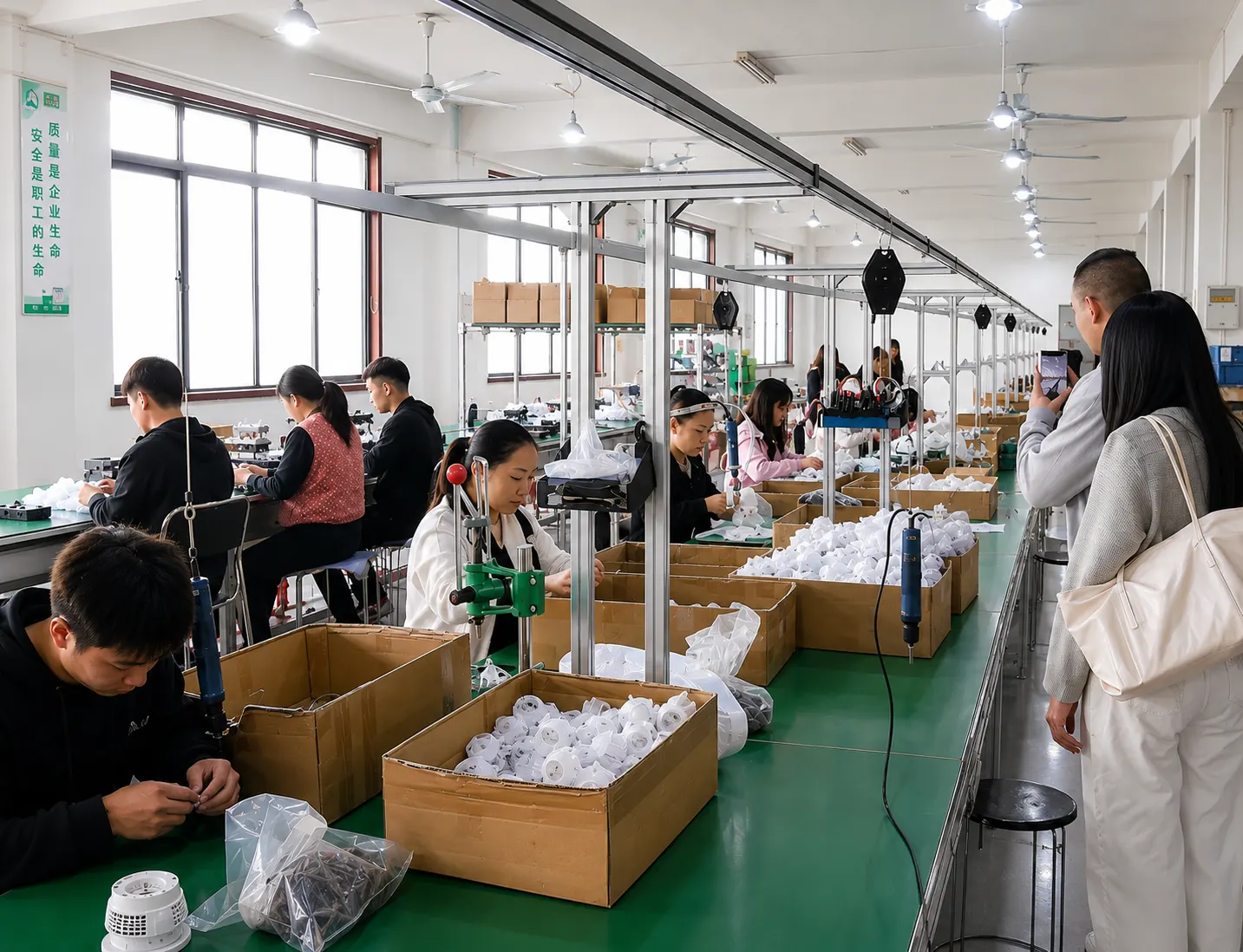
The buyer may ask how the machine, bottle and pressure-related parts are checked. A short QC note can cover assembly fit, bottle installation, leak-related review and final packing checks without turning the page into a factory audit page.
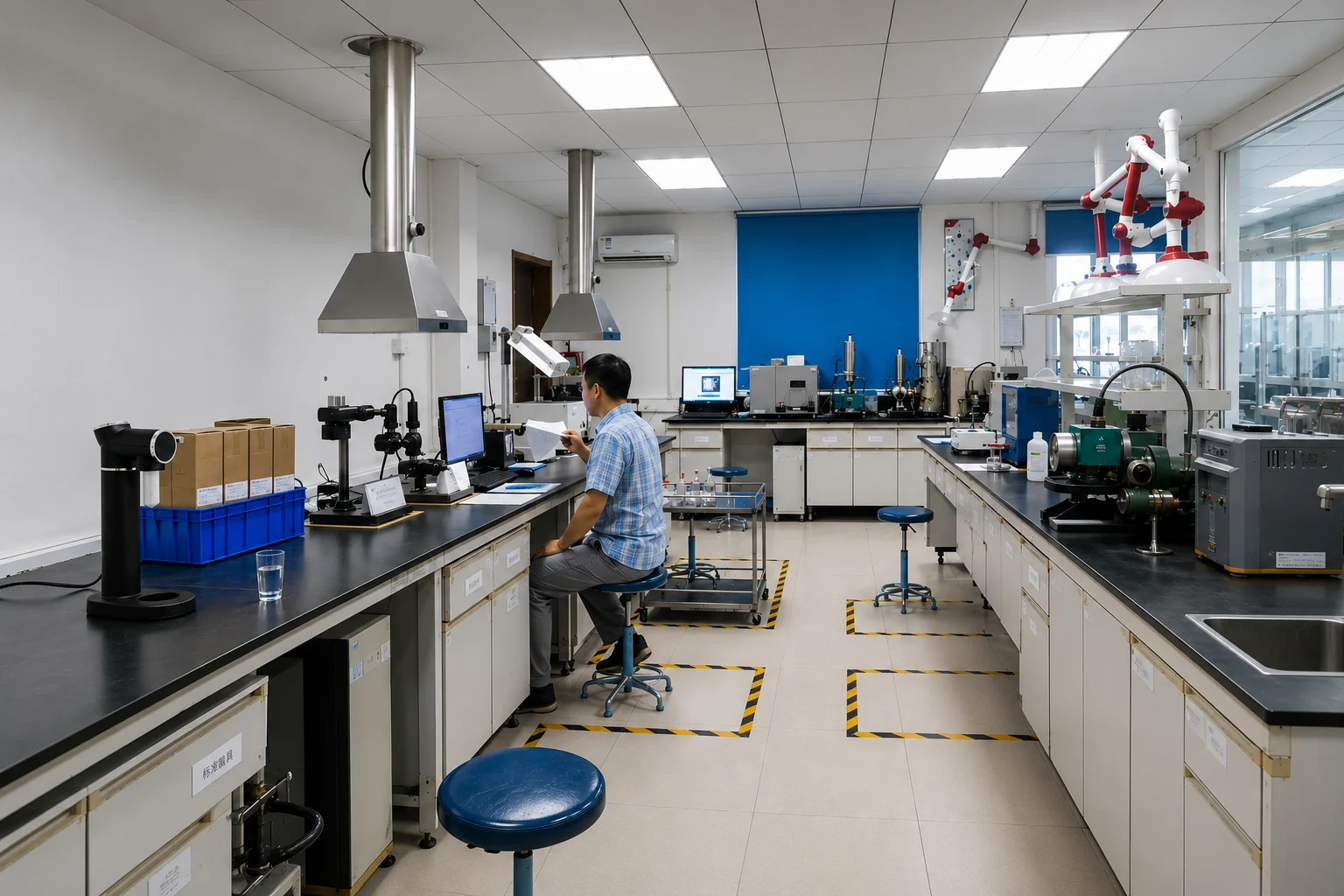
Before the buyer meeting, prepare the model, color, logo location, bottle bundle, box size, barcode file, manual language and carton mark plan. These details make the quote easier to compare internally.
Supermarket buyers sometimes focus on shelf appearance and packaging first. That is natural, but customer service risk often starts with the CO2 cylinder system. A shopper may buy the soda maker from your grocery chain, then expect local cylinder exchange or refill options to work without confusion.
Before locking the model, send the target country, cylinder type, valve photo if available, bottle bundle and any local safety label requirements. Cheersoda can review those details as part of the home soda maker project. This page only treats CO2 as compatibility support; it does not position CO2 refill equipment as the main product.
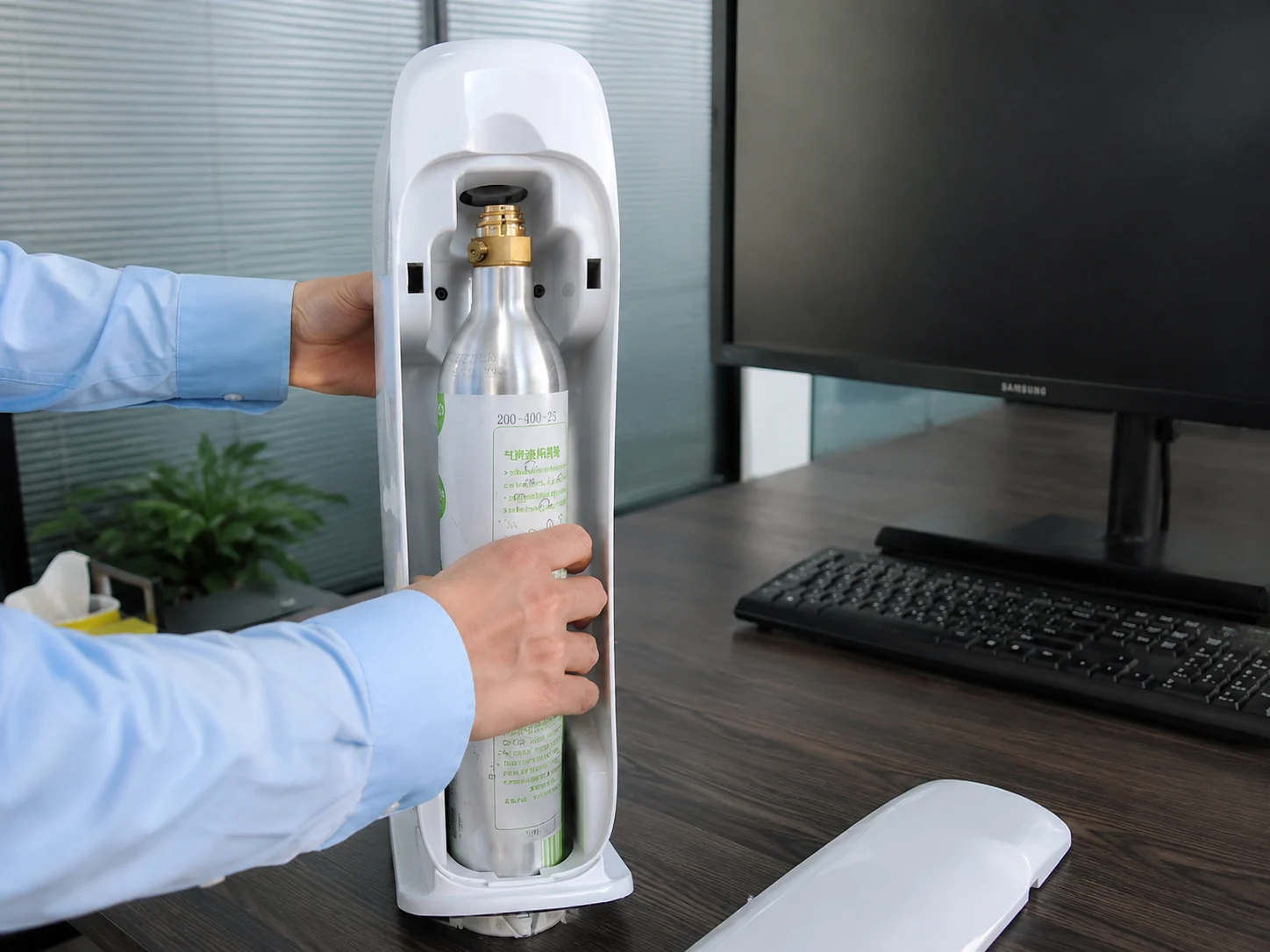
Check the cylinder route before final model approval.
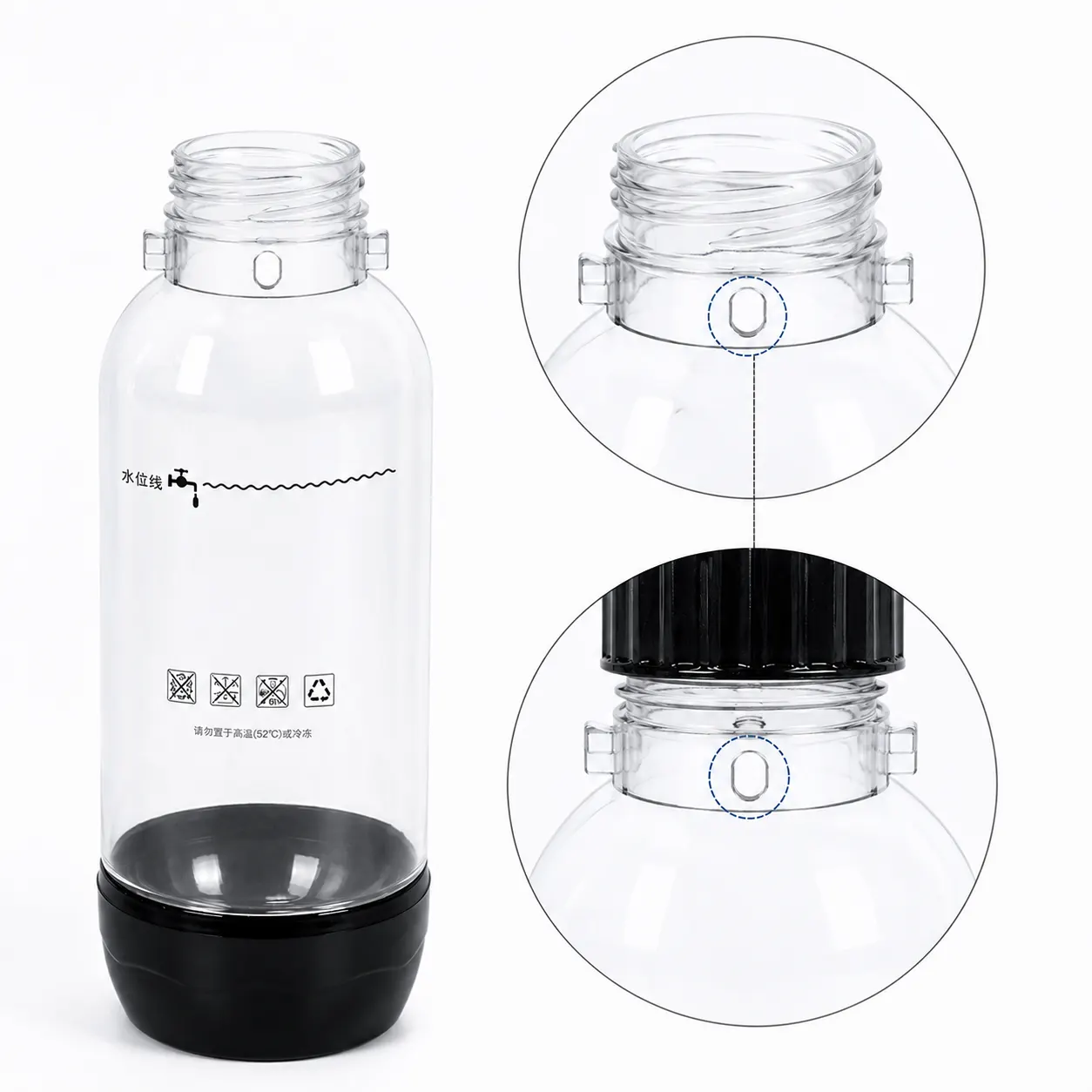
Confirm bottle use before sample approval.
Supermarket own-brand work needs clean records. The sample, package, barcode, manual and carton files should be reviewed before mass production and kept for later orders.
Share market, store format, shelf role and whether the product is seasonal or regular.
Compare model, bottle, accessory and packaging size against your own-brand plan.
Review color box, barcode, warning label, manual and carton marks before printing.
Check operation, finish, bottle fit, box structure and product presentation with a physical sample.
Use assembly and pressure-related checks to keep the order aligned with the approved sample.
Confirm inner protection, retail box, master carton and shipment preparation before release.
Keep approved color, logo, barcode and packing records for repeat orders.
Review reorder timing and any market feedback before the next production run.
This video is included as factory evidence for supermarket private label buyers. It supports the page with real production and quality context, but the main search intent remains supermarket own-brand home soda maker sourcing.
Use the video to review how a supplier thinks about assembly, bottle fit and pressure-related checks before packaging. For deeper factory pages, use the factory and quality links below.
Related guides: private label soda maker and customer case studies.
Answers for supermarket procurement teams and private label category managers planning a home soda maker line.
Yes. Cheersoda supports supermarket chains, grocery retailers, hypermarkets, wholesale clubs and regional retail groups that want to develop an own-brand home soda maker line.
The right model depends on shelf role, target market, packaging size, bottle bundle and expected reorder plan. A promotion SKU can test demand, a core SKU can support regular shelves, and an upgrade SKU can serve gift or club-store bundles.
Yes. Cheersoda can review front-of-box message, color box artwork, inner protection, manual layout, safety warning, carton mark and display needs for grocery channels.
Yes. Buyers can share EAN, UPC, SKU labels, carton marks and warehouse handling requirements. Cheersoda can reserve practical positions on retail boxes and master cartons before mass printing.
Yes. Samples help the buyer check appearance, operation, bottle fit, packaging protection, barcode position, manual language and shelf presentation before production files are locked.
The main checks are model fit, clear manual language, stable bottle installation, cylinder compatibility, packaging protection and repeat-order consistency. These points should be reviewed before the supermarket launch.
Yes. Cheersoda can review target country, cylinder standard, valve photo, thread type, bottle fit and safety language so the soda maker matches the local use case.
Send target country, store format, planned shelf role, first order quantity, preferred model, bottle bundle, packaging needs, barcode requirements, certificate expectations and sample timeline.
The starting reference is usually 300 units for standard private label planning. The final MOQ depends on model, packaging, color, barcode scope and the planned 20GP or 40HQ shipment.
Share the target market, store format, shelf role, first order quantity, model direction, bottle bundle, packaging needs, barcode requirements and sample timeline. Cheersoda will review it as a supermarket private label home soda maker project.