OEM/ODM Home Soda Maker Factory for importers, distributors, and private-label brands
OEM soda maker case studies from Cheersoda factory

Verified Soda Maker OEM Case Studies

Two documented OEM soda maker projects from our Qingdao factory — a German online brand that scaled a G15 line through mold modification and annual supply planning, and a Brazilian distributor that launched with public-mold models, local CO2 support and market protection. Both projects ran under our private label soda maker program.

1000 Pilot order units 2000 Repeat batch units 4000 Growth order units 100% Inspection before shipment

Project Data — First Two OEM Soda Maker Cases Buyers Can Review

Each case starts with the facts B2B buyers usually check first: market, quantity, product model, project result, and the evidence available for review.

Germany G15 OEM Growth Case

Germany G15 OEM soda maker project. An online brand upgraded from plastic soda makers to a more distinctive G15 metal line after patent review, selected mold modification, and sample approval.

  • Country: Germany
  • Quantity: 1,000 → 2,000 → 4,000 units
  • Model: G15 stainless steel soda maker
  • Project Result: Repeat orders, annual planning, exclusive cooperation
  • Evidence: Buyer visit, production videos, appearance inspection
Open Germany Case →

Brazil Distributor Launch Case

Brazil 1,000-unit OEM soda maker launch. A South American distributor entered the soda maker category with existing public molds, Portuguese documents, barcode support, and fast shipment preparation.

  • Country: Brazil
  • Quantity: 1,000-unit launch; 2,000 units annual repeat orders
  • Models: G720 and G15 soda maker lines
  • Project Result: Fast private-label launch with local distributor protection
  • Evidence: Factory meeting, packing proof, shipment preparation
Open Brazil Case →

About These Case Studies

To protect client privacy, channel strategy, contract terms, and exclusive distribution rights, we do not disclose company names, exact pricing, or private commercial documents. The details below are real project reviews, written to show manufacturing logic, sourcing decisions, quality control, and long-term cooperation structure.

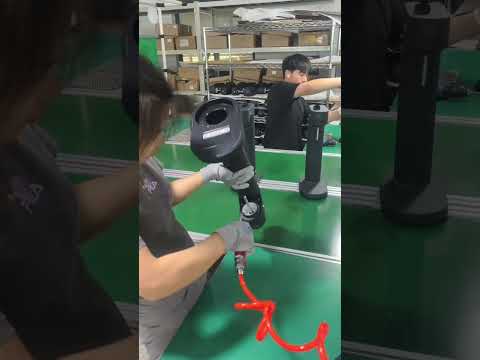
Updated production evidence from the latest G15 black repeat batch is included below, showing assembly, appearance inspection, and production line handling inside our Qingdao factory.

Read these two cases together with the buyer reviews page: the cases show how individual projects were structured, and the reviews show what buyers across 14+ countries reported after their orders landed. Cases explain the cooperation; reviews confirm the outcomes. → /buyer-reviews/

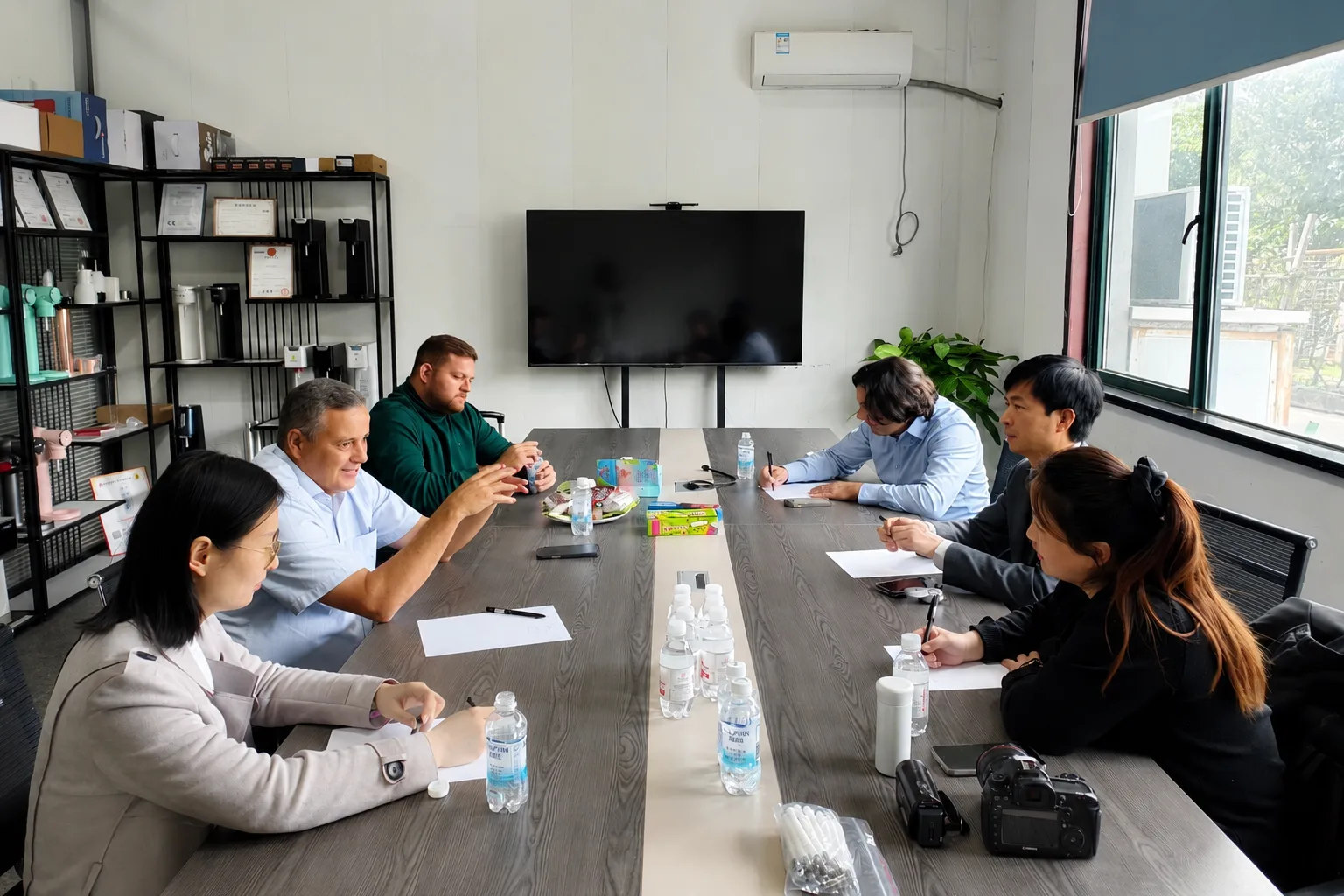
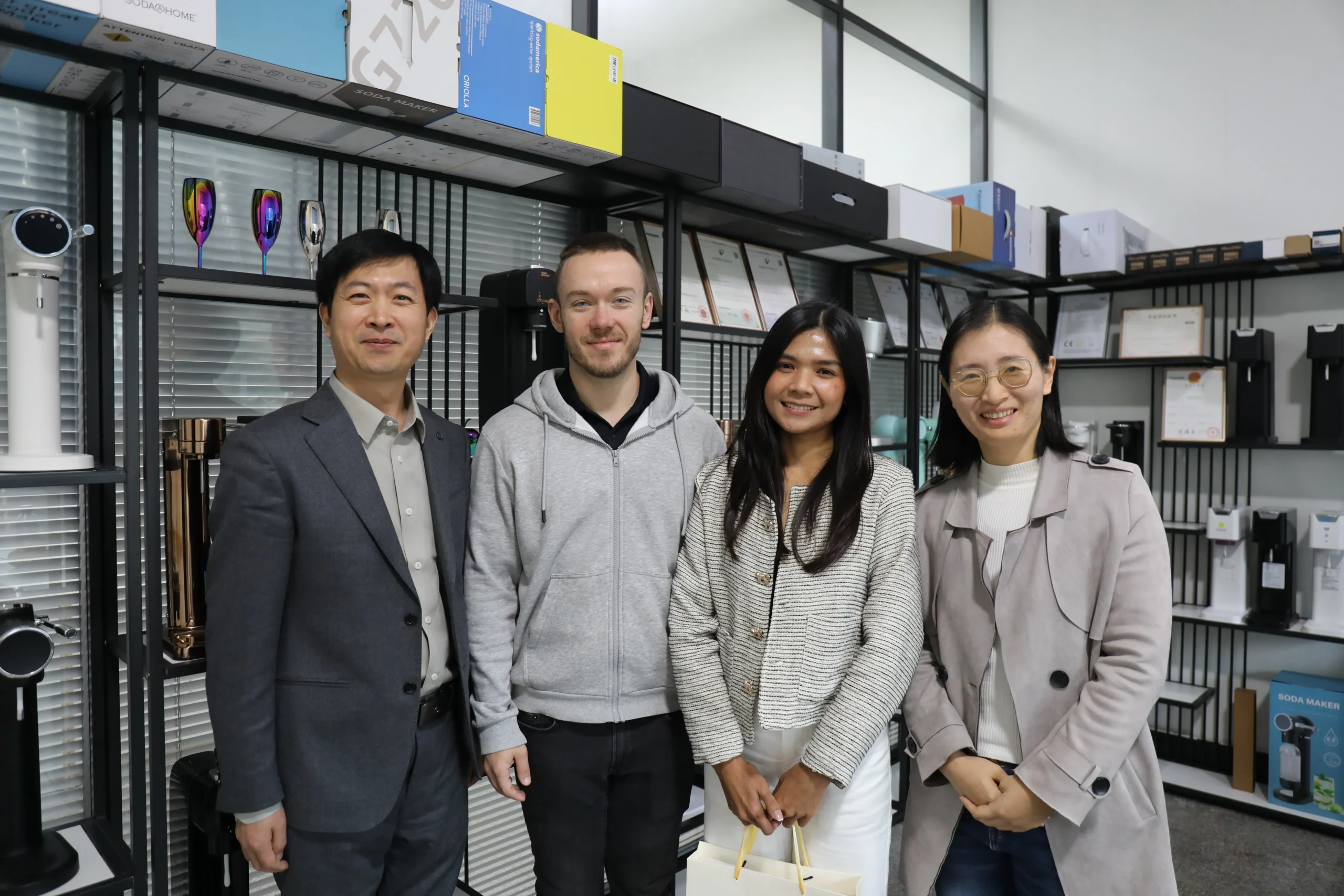
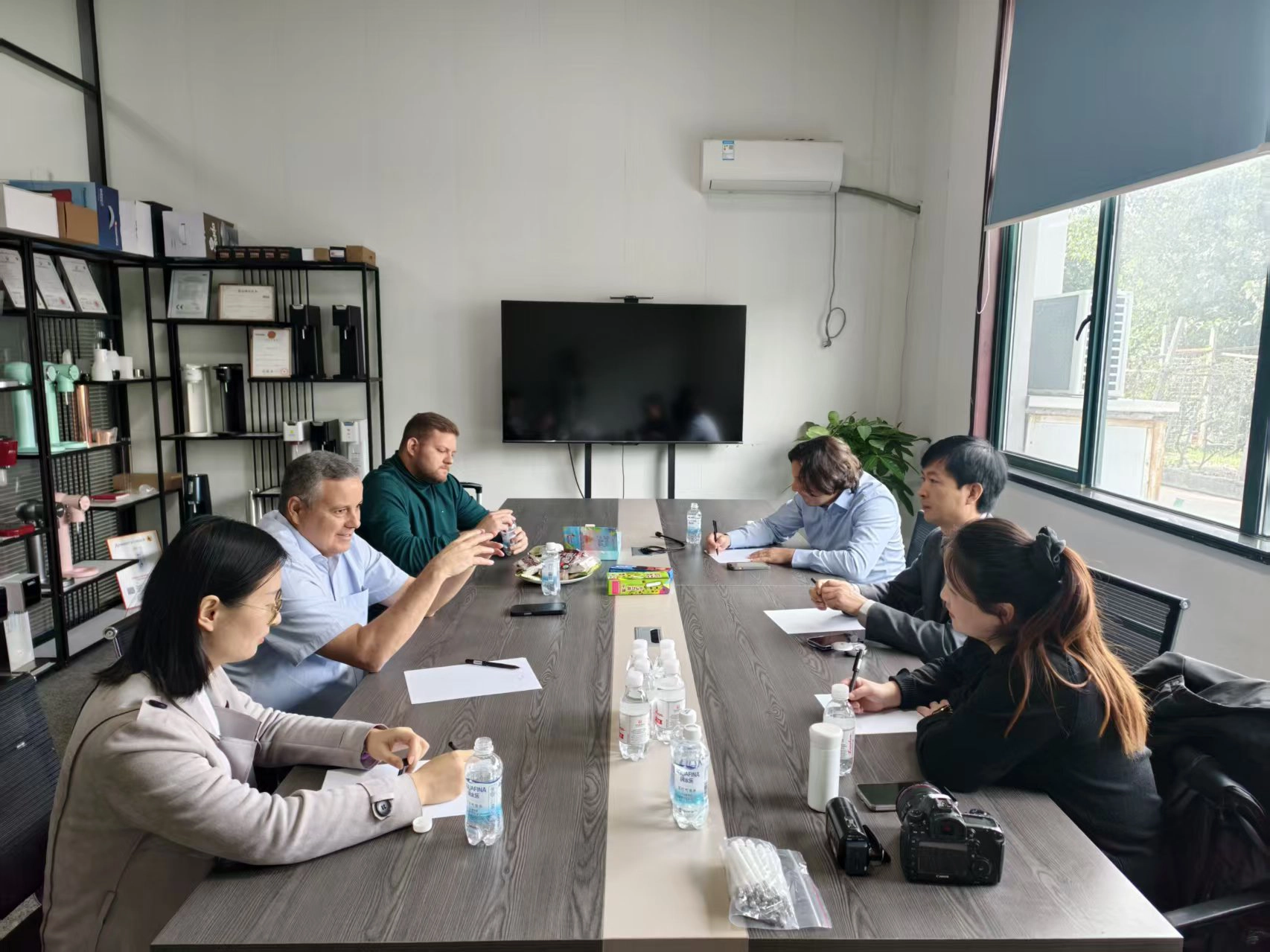
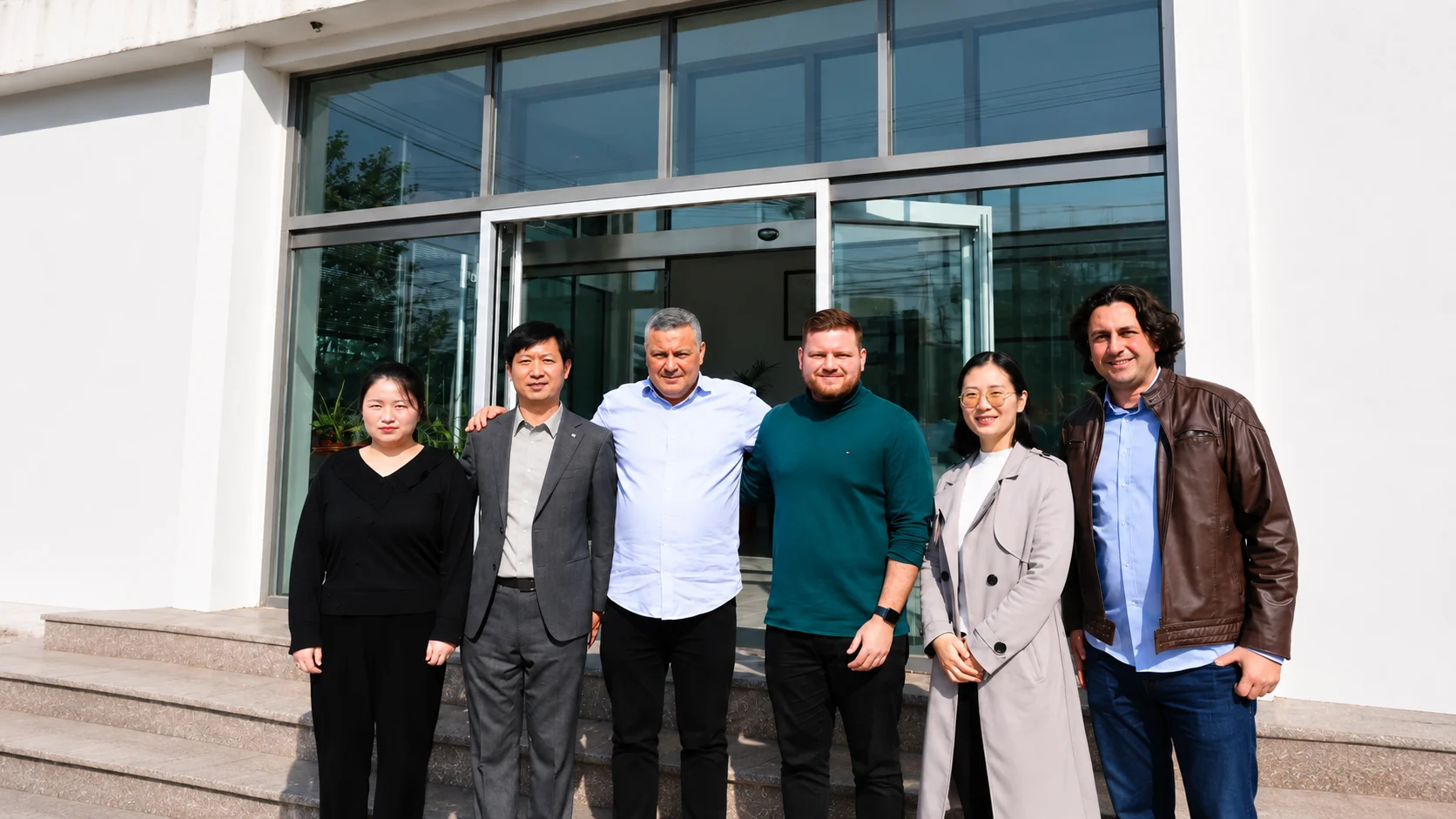
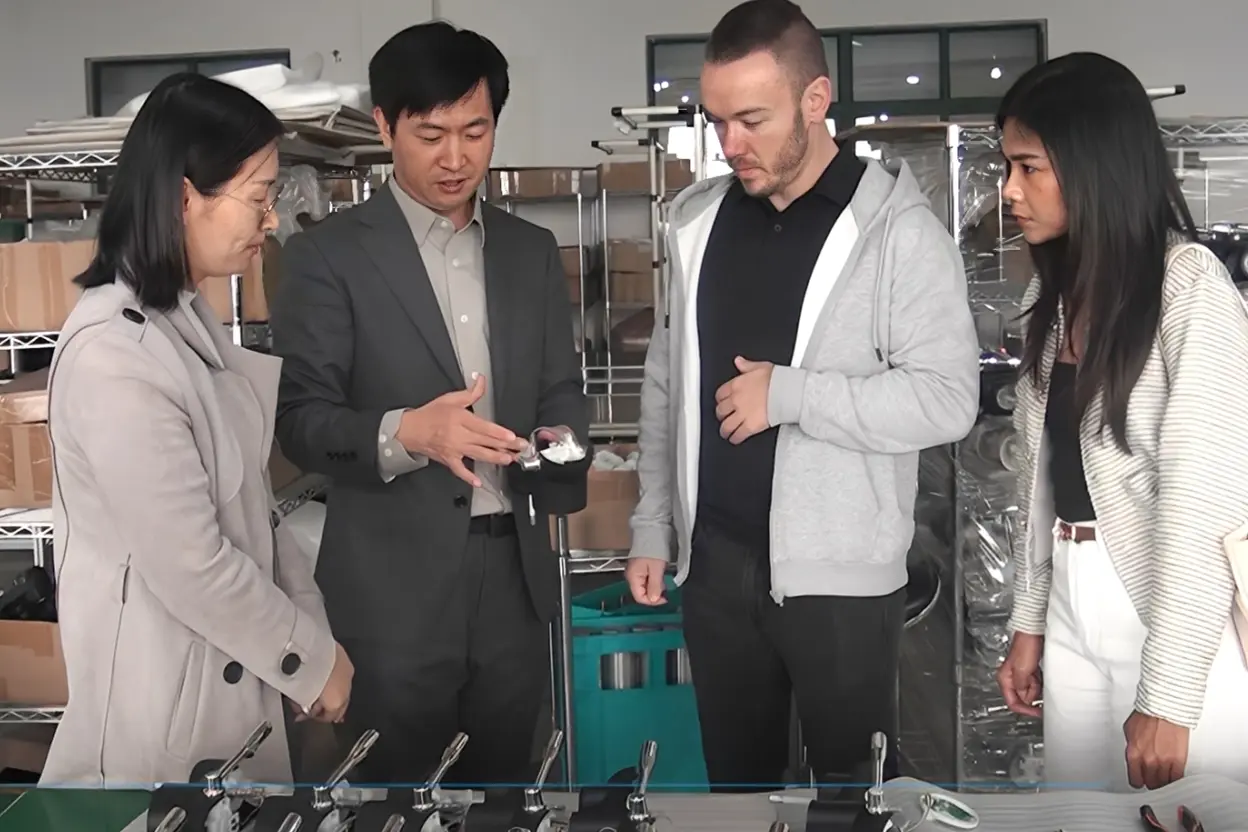
Germany private label G15 soda maker buyer visit and project review Brazil distributor meeting for private label soda maker project

Case Study 1 — Germany Online Brand with Mold Modification and Annual Supply Agreement

A Germany-based online brand came to us with a health-focused market position and careful product detail requirements. They needed a private label product that did not look like a common public listing, but they did not need the risk and timeline of a fully new development.

One step came before the tooling discussion: a patent review. The brand sold into the German market, where design and utility protection is actively enforced, so the base model and the planned modification scope were reviewed for the client's market before any mold work was funded. Only after that review cleared did the modification discussion become a tooling plan.

The client paid for partial mold modification based on our existing model. This kept the internal mechanical structure stable while allowing visual details, retail presentation, and packaging to match their online channel requirements. After sample approval, the first trial order was 1,000 units. Market feedback was stable, followed by 2,000 units and later 4,000 units within the cooperation cycle. The project moved from sample review to repeat production through clear quality checks and annual supply planning.

Why Partial Mold Modification Worked

The buyer needed a product that felt different enough for online branding, but they did not need a risky full development cycle. The solution was a controlled change on an existing platform.

  • • Time Control: Using an existing platform reduced development time compared with a new mold project.
  • • Brand Difference: The modified appearance helped the brand avoid selling a product that looked like a common public listing.
  • • Stable Mechanism: Core structure stayed stable, helping the project focus on finish, packaging, and inspection.
  • • Repeat Orders: Annual planning helped the buyer move from trial order to repeat production with clearer timing.

From Trial Order to Stable Repeat Production

  • 1,000-Unit Trial Order: The first order verified market acceptance, packaging details, inspection process, and buyer feedback from online channels.
  • 2,000-Unit Repeat Batch: After the trial order, the buyer increased order volume and kept the project within an annual supply plan.
  • 4,000-Unit Growth Order: With steady channel results, the project moved to a larger batch while keeping quality control and shipment preparation consistent.

How We Supported the German Online Channel

The client had high requirements for details, retail presentation, and repeat customer experience. The production plan focused on consistency before shipment.

  • • Unit-by-Unit Inspection Before Shipment: Each unit was checked for appearance, bottle locking, carbonation-related function, wet leak testing, packaging accuracy, and shipment readiness before release.
  • • Compliance and Packaging Review: The project required stable packaging, manual documents, carton labels, and food-contact material review for the client's market and online sales channel.
Germany private label soda maker project with mold modification

Production Evidence from the German G15 Soda Maker Order

Real assembly, appearance inspection, and production line records from a black G15 soda maker batch produced for a German private label project.

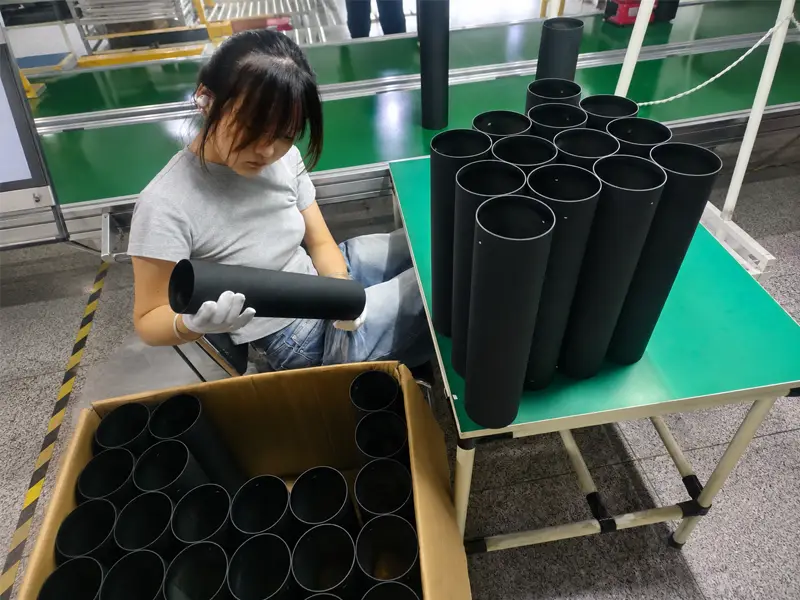
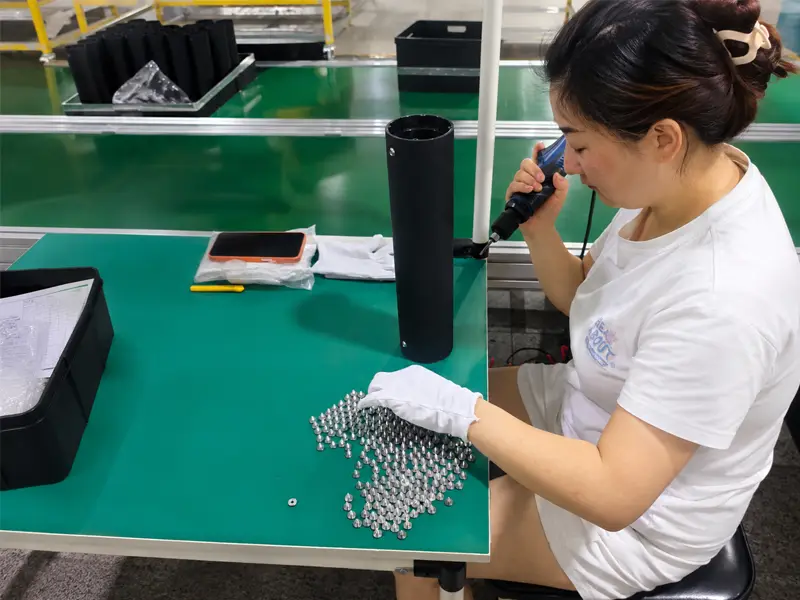
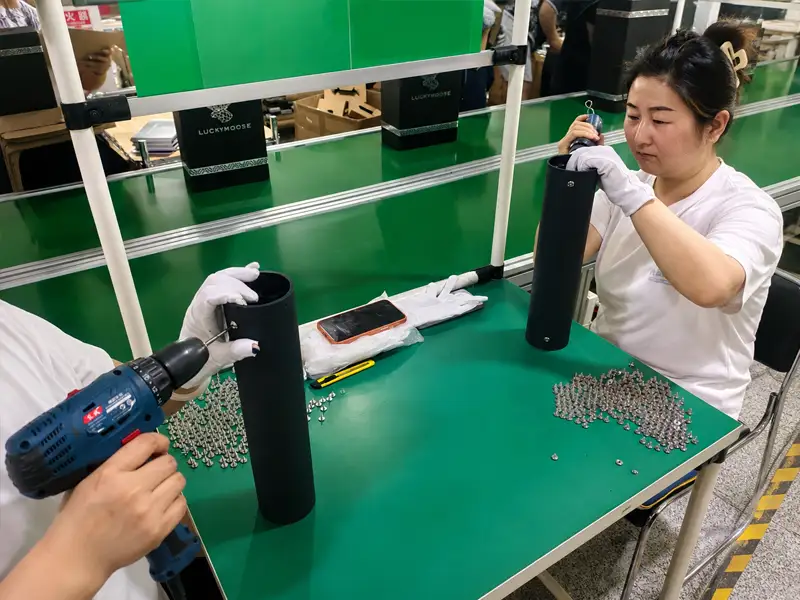
The German private label project has moved beyond a one-time sample order. The black G15 soda maker batch shown below was produced as part of the customer's repeat order plan. Our factory recorded the assembly line, black body inspection, screw fitting, appearance review, and production handling before the goods moved to packing preparation. For B2B buyers, these records show how a private label soda maker order is handled inside the factory: not only product selection, but also finish review, assembly control, batch consistency, and shipment preparation.

Thumbnail for G15 Black Soda Maker Assembly Video

G15 Black Soda Maker Assembly and Appearance Inspection

Assembly detail, screw fitting, and appearance inspection for a black G15 soda maker batch.

Watch Inspection Video
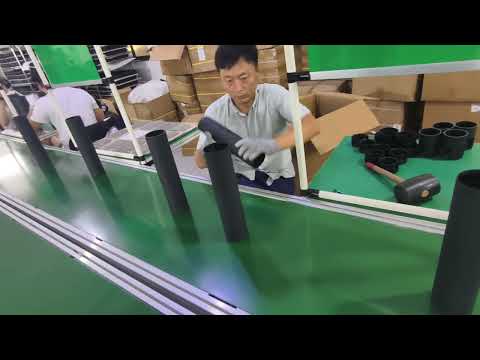
Thumbnail for G15 Stainless Steel Soda Maker Production Video

G15 Stainless Steel Soda Maker Production for German OEM Order

Factory production record for a G15 stainless steel soda maker order prepared for a German private label customer.

Watch Production Short
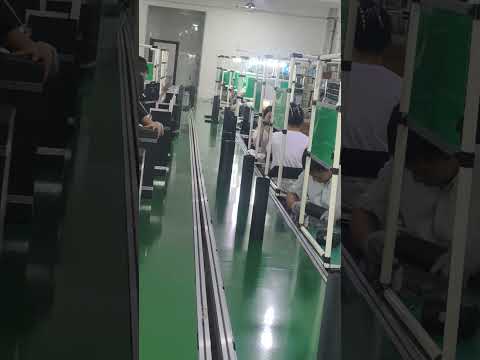
Thumbnail for G15 Black Soda Maker Assembly Line Video

G15 Black Soda Maker Assembly Line for Private Label Order

Assembly line footage showing how the black G15 batch was handled during production.

Watch Assembly Line
black G15 soda maker body appearance inspection for German OEM order
Black Body Appearance Inspection: Factory staff checks the black body finish before the parts move further into assembly and packing preparation.
G15 black soda maker screw assembly and fitting check
Screw Assembly and Fitting Check: Assembly workers review screw fixing, part alignment, and visible surface condition during the black G15 production process.
G15 black soda maker assembly line batch review for private label order
Assembly Line Batch Review: The black G15 batch is checked on the production line before moving to final packing preparation.

What This Production Record Proves

Evidence Type What Buyers Can Verify Why It Matters
Repeat Production The German project is already in repeat order production, not only sample discussion. Shows real market continuation and factory execution.
Assembly Record G15 black soda maker parts are assembled and checked at workstation level. Helps buyers understand how the order is handled before packing.
Appearance Inspection Black finish, visible surface, screws, and part fitting are reviewed during production. Reduces visible quality issues before shipment.
Batch Handling Multiple units are processed as a batch instead of single display samples. Shows real order production, not showroom-only content.
Private Label Protection Customer name, price, and order details are not disclosed. Protects importer and brand owner information.

Read the Full Germany G15 OEM Project

See how an experienced German online brand moved from plastic soda makers to a more distinctive G15 product line through patent review, mold modification, factory inspection, exclusive cooperation, and step-by-step order growth.

Open Germany Project →

Case Study 2 — Brazil Distributor Project Built from Canton Fair Meeting to Local Market Growth

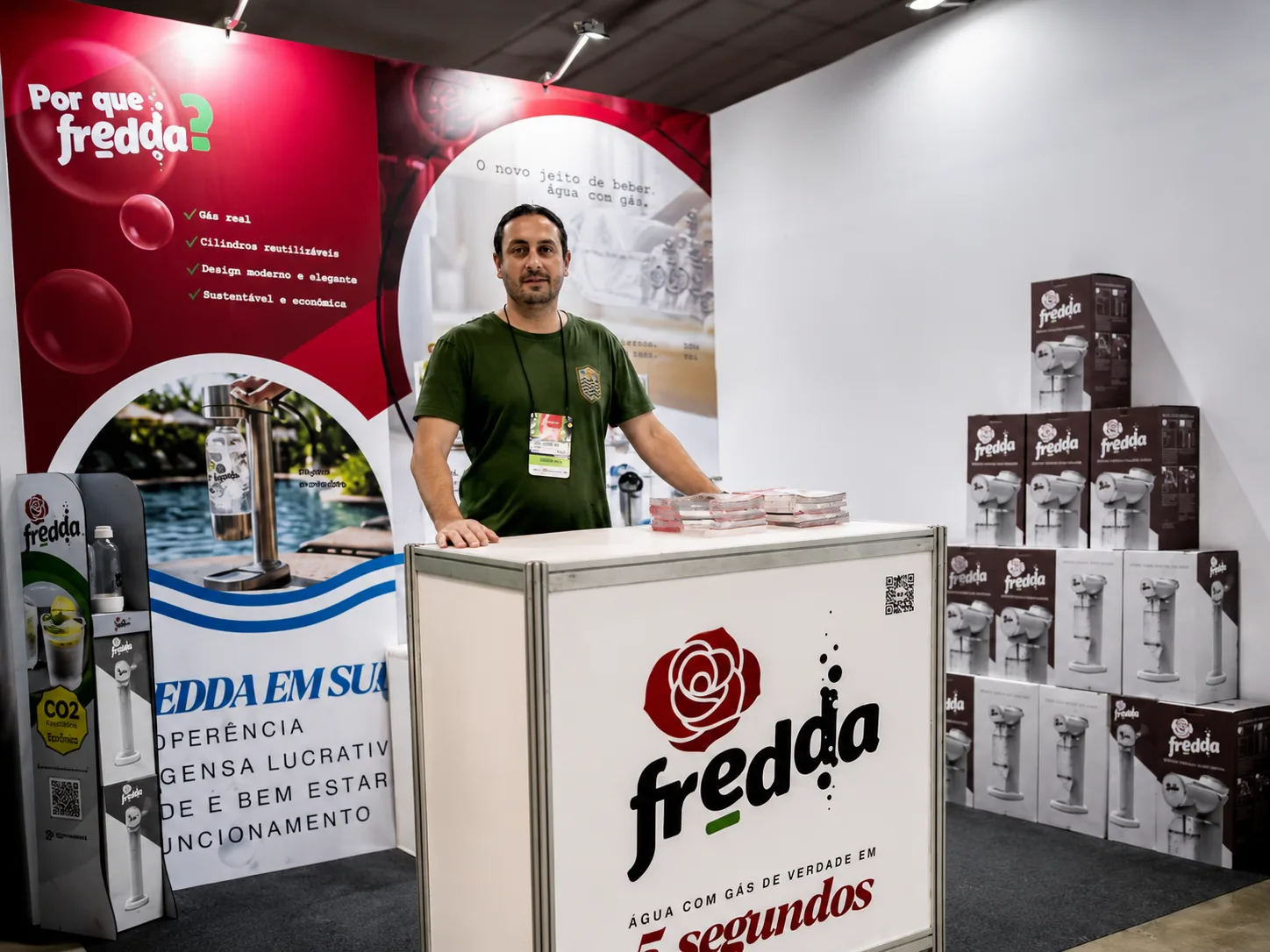
The Brazil client first met us at the Canton Fair. After the initial product discussion, they visited our Qingdao factory to review the production lines, sample room, packing process, and quality control details before placing the first order. The first order was 1,000 units using a public mold model. The client later signed an exclusive agreement for the local market. Instead of treating the project as a one-time shipment, they built a local business system around soda makers, gas filling support, exhibitions, and local promotion.

The launch model was the G720 public-mold machine; as the local business grew, the cooperation widened to the metal line in repeat cycles — the pattern the project data card above summarizes as G720 and G15 lines.

The client invested in a local CO2 filling setup in Brazil, which helped complete the business chain around the product. With fixed exhibition participation and field promotion, the product built stronger local recognition and repeat sales.

Why Public Mold Worked for the Distributor

The Brazil project needed fast market entry, manageable first order quantity, and a product that could connect with local CO2 service and regional sales development.

  • • Public Mold Entry: A ready model allowed the distributor to start with a 1,000-unit batch after factory review.
  • • Factory Visit: The buyer reviewed production, assembly, sample details, and packing before confirming cooperation.
  • • Local CO2 Chain: The local gas filling setup helped the distributor support product use after sale.
  • • Local Promotion: Exhibitions and field promotion helped the product build recognition in the Brazil market.

How We Protect Local Exclusive Partners

When an exclusive agreement is signed for a specific local market, we do not compete behind the distributor. If a local inquiry comes from the protected area, we introduce the inquiry to the authorized distributor for follow-up. This is important for distributors who invest in exhibitions, field promotion, gas filling infrastructure, customer service, and local brand reputation. A factory should not take the short-term order while damaging the partner who built the market.

Brazil soda maker distributor factory visit Brazil soda maker local exhibition and distributor promotion

Read the Full Brazil Distributor OEM Project

Review the documented 1,000-unit distributor project, including the standard-model decision, G720 and G15 Pro production, Portuguese product documents, customer branding, factory inspection records, retail packing, and shipment preparation.

Open Brazil Project →

Project Comparison — Two Different Paths, One Factory Cooperation Logic

The Germany project focused on brand detail and mold modification. The Brazil project focused on distributor rollout, public mold entry, and local business protection.

Project Area Germany Online Brand Brazil Distributor
Main channel Online sales channel with brand-focused product presentation. Local distribution, exhibitions, field promotion, and local service support.
Product route Partial mold modification on an existing platform. Public mold model for faster first order and local market entry.
First order 1,000 units after sample review and detail confirmation. 1,000 units after Canton Fair meeting and factory visit.
Growth logic Order volume increased through online sales feedback and annual planning. Sales grew through local CO2 chain, exhibitions, and distributor protection.
Factory support Sample adjustment, packaging review, inspection, repeat production planning. Factory visit, model confirmation, exclusive agreement support, shipment preparation.

Which Path Fits Your Project?

Most new projects we discuss follow one of these two routes — or start on one and move to the other. Use the comparison honestly; the right route is the one that matches your channel, not the one that sounds bigger.

Your Situation Route That Usually Fits Why First Step
You sell online and your listing must not look like everyone else's Mold modification on an existing platform (Germany route) Brand separation without a full new-development timeline or mechanism risk Sample review of the base model, then a modification scope discussion
You distribute locally and speed to market matters most Public mold (Brazil route) A ready model, a manageable first batch, and energy left for building the local market Factory visit or video review, then a first order on the standard model
You are entering the category for the first time Public mold first, modification later Validate demand on a proven model before investing in tooling changes First order on a standard model with your branding and packaging
You plan to invest in local promotion and service Either route, with market protection discussed early Protection is agreed per model and market, and it shapes which model to build the market on Raise the protection question in the first project discussion, not after launch

More Cooperation on Record

The two cases above are the fully documented ones. They are not the whole record:

  • • Uruguay — a 300-unit trial order of the G3 by a South American importer, taken through the trial route and validated in the local market before branded volume is discussed. The order moved through export packing and document coordination like any larger program, at first-order scale.
  • • Hong Kong — repeat export cooperation on running models, with packing and document coordination repeated on every cycle rather than renegotiated.
  • • The storefront record — verified orders from 14+ destination countries, with buyer feedback collected on the buyer reviews page → /buyer-reviews/. The cases are the deep stories; the reviews are the wide record.

How to Plan a Similar OEM Soda Maker Project

  • Confirm Market and Channel: Tell us whether you sell online, through distributors, through retailers, or through a local service chain.
  • Select Public Mold or Modification: Choose a faster public mold route or discuss partial mold modification when product appearance needs brand separation.
  • Review Sample and Production Plan: Review sample details, packaging, testing standards, documents, MOQ, lead time, and shipment preparation before bulk order.

Case Study Questions from B2B Buyers

Do you disclose customer names in case studies?
No. We protect client privacy, brand strategies, channel details, and supply chain information. These case studies use anonymized details while showing real project logic and factory capability.
Can buyers pay for partial mold modification?
Yes. Buyers can fund partial mold modification on existing soda maker platforms when they need brand differentiation without the full timeline of new product development.
What is the difference between public mold and modified mold?
A public mold is a ready-to-produce factory design for faster entry and lower starting cost. A modified mold changes parts of an existing platform for stronger brand distinction and requires additional tooling review.
Can a distributor sign an exclusive agreement?
Yes. Exclusive distribution can be discussed for specific markets or channels based on agreed volume targets, market development plans, and long-term cooperation.
How do you protect exclusive distributors?
Where a signed exclusive agreement applies, relevant local inquiries are routed to the authorized distributor for follow-up instead of being handled behind the distributor.
What quality checks are used before shipment?
Checks include appearance inspection, bottle locking checks, wet leak testing, pressure-related functional checks, packaging review, and shipment preparation review.
Can buyers visit the factory before placing an order?
Yes. B2B buyers can visit our Qingdao factory to review sample rooms, production lines, testing process, packing, and shipment preparation before order confirmation.
What information is needed to discuss a similar project?
Share the target market, model direction, first order quantity, mold requirement, channel type, packaging scope, and compliance requirements.
How long does each route usually take from first discussion to first shipment?
The public-mold route is the faster one: samples are ready in about 7 days, and a first order typically produces in 35–45 days once details are confirmed. Mold modification adds a tooling and sample-approval cycle before that production window, which is why the Germany project confirmed the modification scope and approved samples before its 1,000-unit first order.
Can my project stay confidential the same way?
Yes. The confidentiality you see in these two cases — no company names, no pricing, no private documents — is the standard treatment, not a special arrangement. Your project would be documented, if at all, only in the same anonymized form and only with the cooperation structure visible.
If a case already exists in my market, can you still work with me?
Possibly. Protection is agreed per model and per market, not as a blanket block on a country. A documented case in your market does not automatically close it — tell us the model and channel you are planning, and we will check the existing arrangements before discussing anything further.
Can I start on a public mold and modify later?
Yes — that sequence is common. Buyers validate demand on a ready model with their own branding and packaging first, then discuss partial mold modification on the same platform once the channel proves out. The Germany case shows the modification end of that path; the Brazil case shows the public-mold start.

Plan a Soda Maker OEM Project with a Factory Team

Share your target market, preferred model, mold requirement, and first-order plan — the team will reply with the route that fits and the next step.