
Germany Private Label Soda Maker Case
How an experienced German online brand moved from plastic soda makers to a more distinctive G15 product line through design review, mold modification, controlled production, and step-by-step order growth.
Note: The figures shown here describe the confirmed order progression of this specific project. They are not a sales forecast or guarantee for other brands.
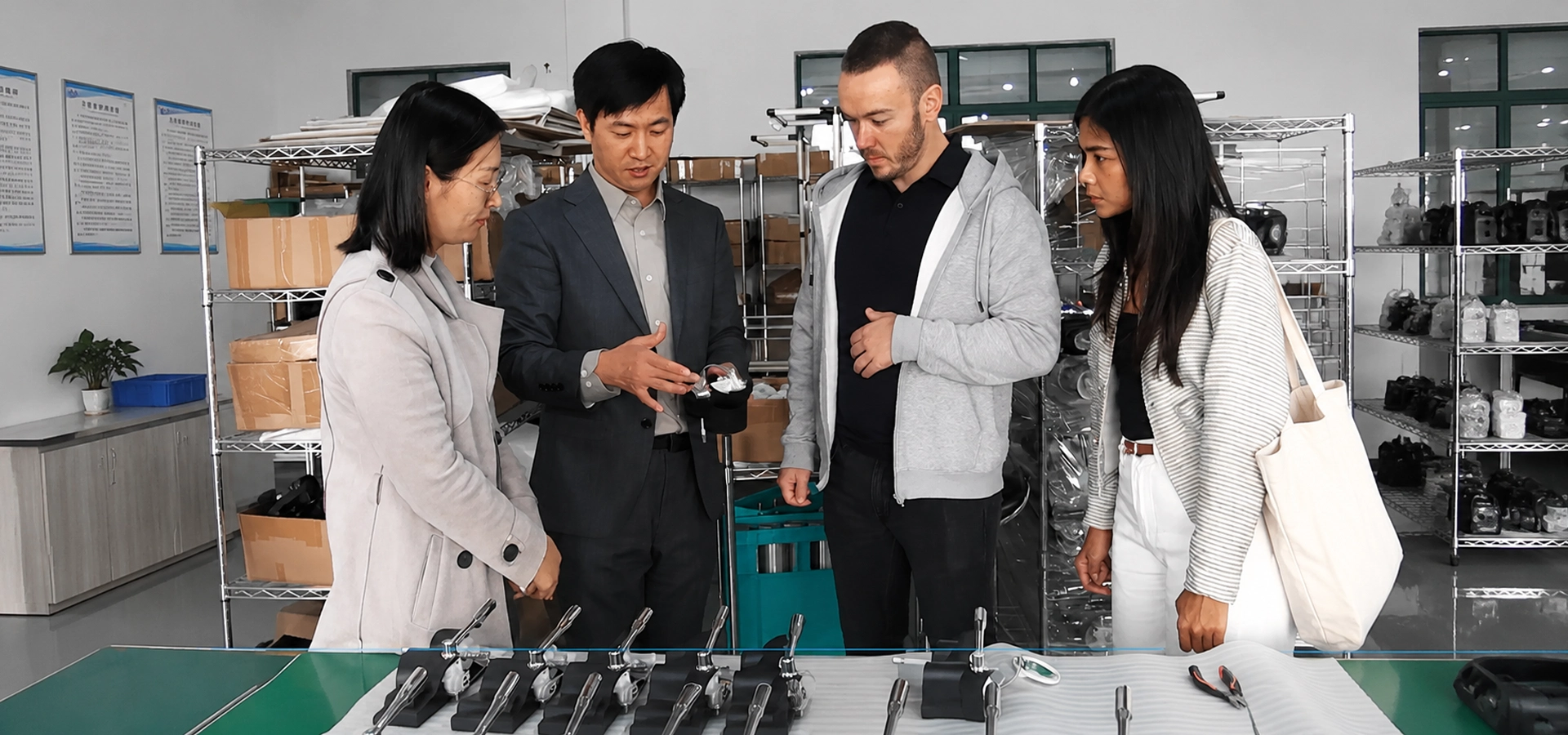
Reviewing product details and online presentation requirements.
An Experienced Online Seller Looking for a Higher-End Product Line
Before entering this project, the German customer already possessed a deep understanding of online product sales. They knew exactly how listing presentation, customer expectations, product photography, and brand positioning worked across Amazon and their own independent retail channels.
The customer had previously sold plastic soda maker products supplied by another company. While those products served an initial purpose, the customer was not searching for another basic machine to simply place in a catalogue. The primary goal was to build a product line that could stand apart from the plastic models already flooding online channels.
To achieve this, they needed a product with a stronger visual identity, a more refined product appearance, and better overall brand recognition. The new direction required a machine suitable for higher-end online positioning, giving the customer more control over the final design and presentation.
Choosing the G15 as the Development Platform
After reviewing various options, the customer selected the G15 soda maker as the foundation for further development. This decision was based on confirmed facts and visible product characteristics that aligned with their higher-end market strategy.
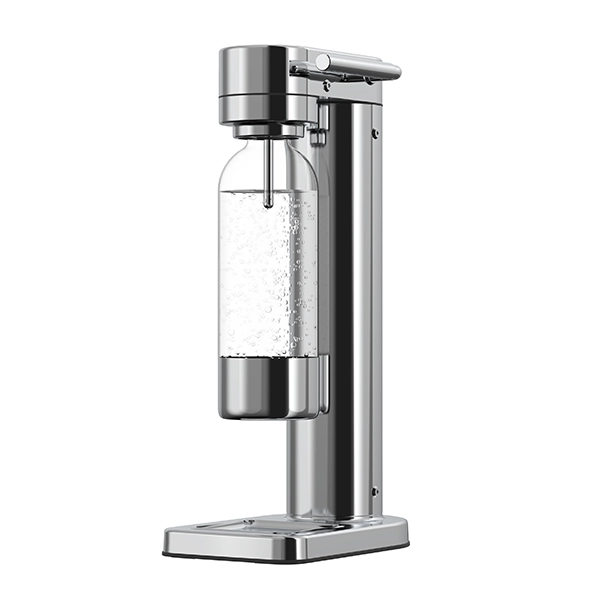
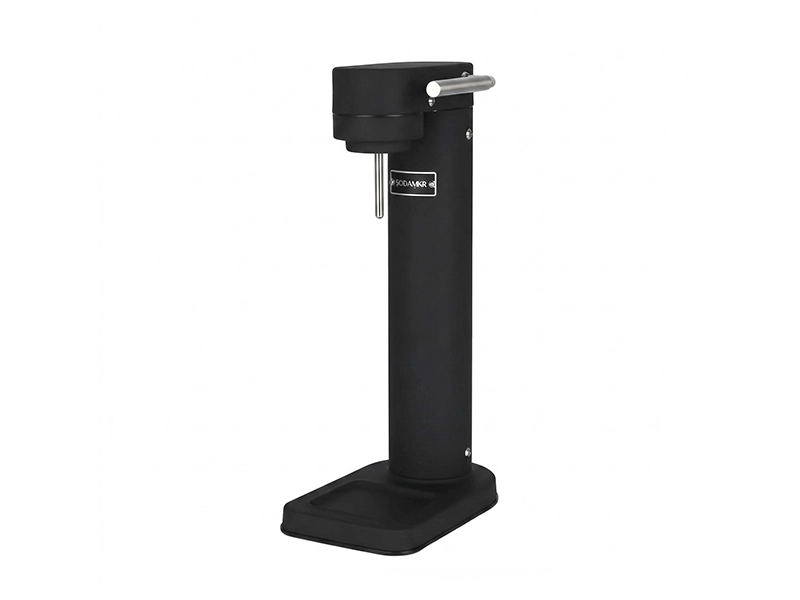
The G15 offered a distinctive stainless steel and metal product appearance, immediately separating it from standard plastic alternatives. This material choice provided the visible product details necessary for a more premium brand presentation.
Crucially, the G15 platform allowed for controlled appearance changes. It provided a solid engineering base while offering the flexibility required to adapt the exterior styling, making it highly compatible with the customer’s intended product direction.
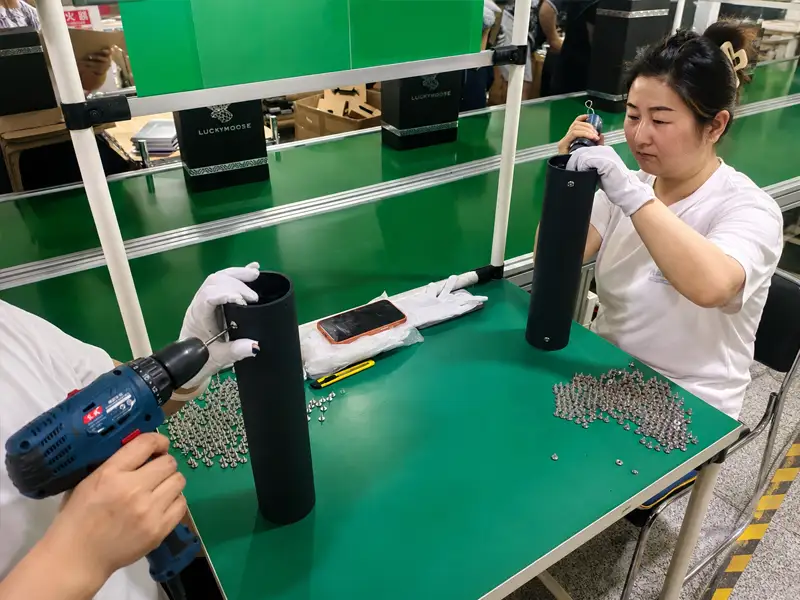
Engineering work and product housing preparation during the development phase.
Patent Review Before Mold Modification
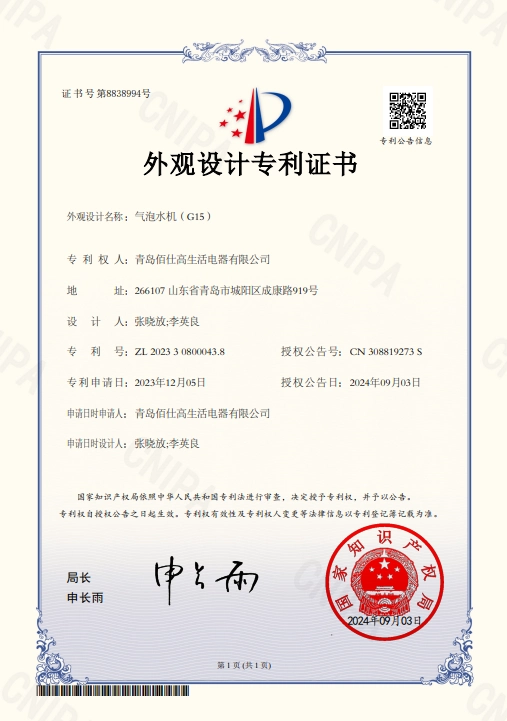
A structured sequence was followed to manage risk and ensure the project met the customer's specific requirements. Once the desired product direction was identified, the customer completed its own patent review before the design direction was formally approved.
Following this review, the customer confirmed the project direction and paid for modifications to the existing G15 mold. These adjustments to the product appearance and structural details were executed specifically to improve brand recognition for the German market.
Note: The patent review was carried out independently by the customer to reduce the risk of design conflict. This page describes the project sequence; it does not provide legal advice or represent a formal patent clearance document.
Building More Brand Recognition into the Product
The customer did not simply purchase an unchanged standard product off the shelf. To succeed in a competitive online retail space, the project focused heavily on appearance details, visual consistency, and recognizable product styling. Every decision regarding color, finish, and packaging presentation was made to ensure consistency between the physical machine and the customer’s online brand, optimizing the product for high-quality photography and customer unboxing.
Selected product details were reviewed and adjusted according to the approved project requirements.
A Long-Term Cooperation Framework
After the product direction and development work were confirmed, both parties signed an exclusive cooperation agreement for the agreed market or territory. This agreement was designed to practically support the customer’s market development and protect the structured cooperation relationship.
The practical value of this framework was immediate. It established clearer market responsibility and gave the customer more confidence when building the product line. By reducing uncertainty when investing in brand presentation and mold modifications, it created a more stable basis for repeat orders and improved coordination between sales forecasts and factory production.
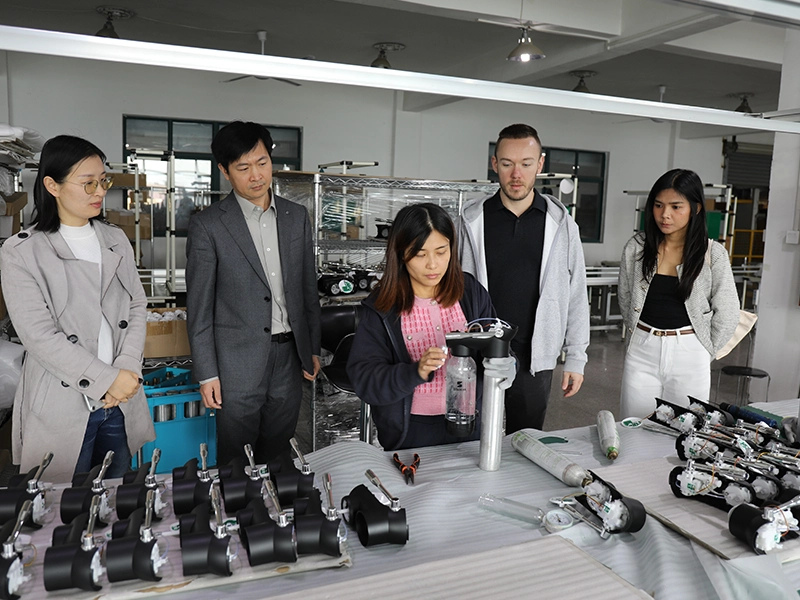
Project communication between the German customer and the Cheersoda factory team.
The Project Was Built Step by Step
Online product experience
The customer already understood Amazon and independent online retail before entering this project.
Product line expansion
The customer wanted to add a more distinctive product line beyond the plastic models it had previously sold.
Patent review and mold modification
The customer completed its own patent review and paid for modifications to the existing G15 mold.
Trial production
The first confirmed trial order was 1,000 units.
Repeat production
The order volume later increased to 2,000 units and then 4,000 units.
G15 Production for the German OEM Order
Production footage of the G15 soda maker prepared for a German OEM order.
The production footage gives buyers a direct view of the G15 being handled at the factory. It shows real production activity connected with the German project, demonstrating the transition from components to the final assembled machine.
Assembly Line Work for the Private-Label Order
G15 assembly-line footage from a private-label soda maker production project.
This footage captures product components being handled and assembly work at the production line. It highlights operator attention to fitting, the structured movement between workstations, and the careful product preparation required before final inspection.
Assembly and appearance inspection footage for the G15 soda maker.
Appearance Inspection Before Shipment
For an online brand, appearance is a critical part of the product experience. The machine must look consistent in product photos, on the sales page, and ultimately when it arrives with the end customer. The factory executes a structured appearance inspection checklist, which includes:
- Visible surface condition
- Color and finish consistency
- Housing alignment
- Checking for missing or loose parts
- Identification of visible marks
- External assembly condition
- Overall product presentation before packing
100% Water and Gas Testing for Every Soda Maker Head
Every soda maker head is tested with water and gas according to the confirmed factory inspection procedure before release from the production line. This functional testing phase is essential for verifying the internal mechanics that cannot be assessed through visual inspection alone.
The process is specifically used to check:
The People Behind the Project
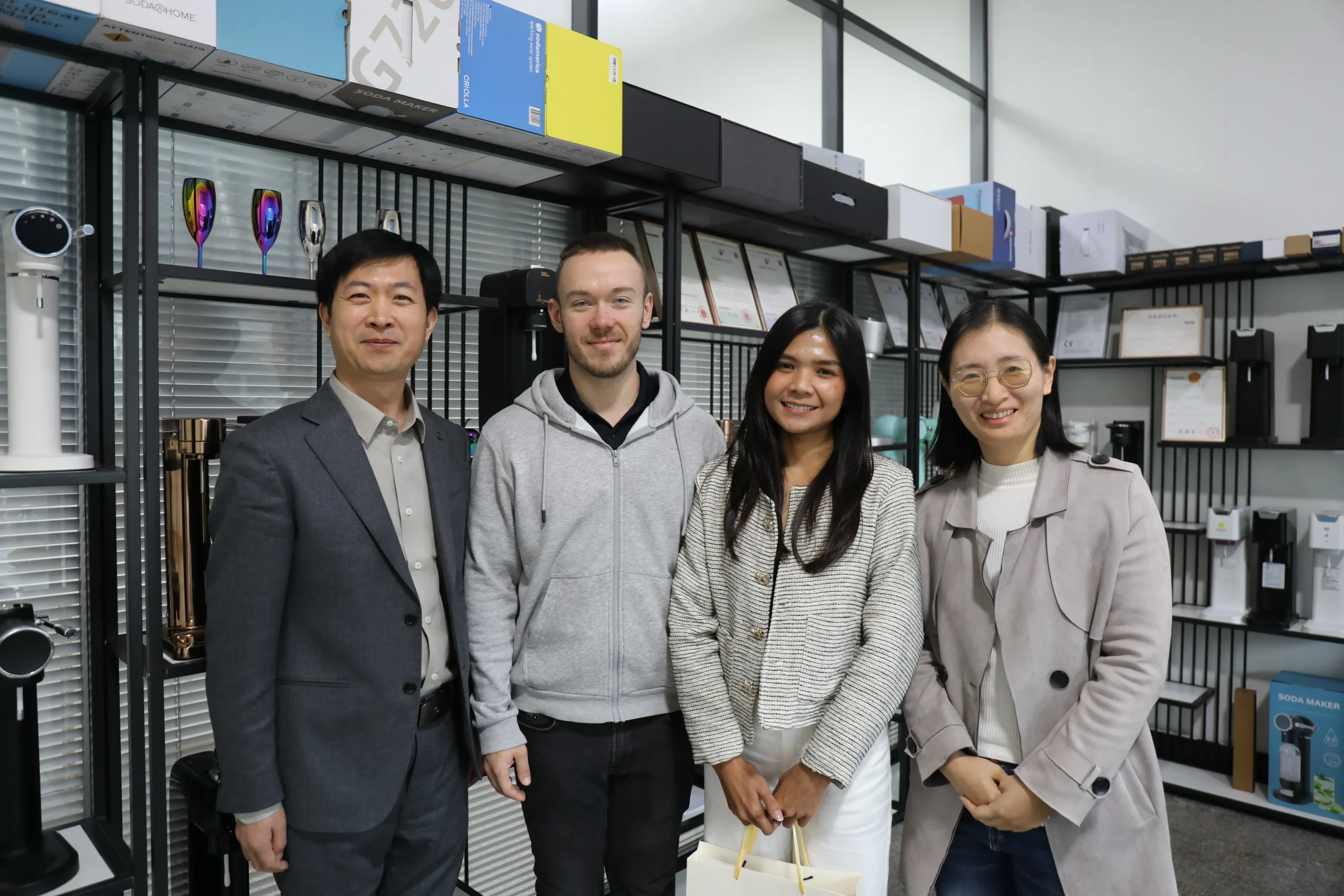
The German customer and Cheersoda team discussing the product project and next-stage cooperation. Direct discussion ensures that product and brand decisions are reviewed together, building a cooperation that extends beyond a simple catalogue transaction.
Preparing the G15 for the Customer’s Online Brand
The product configuration, packaging details, accessories, and order quantity were rigorously checked against the confirmed project requirements before shipment preparation. This step ensures the inventory matches the customer's warehouse and fulfillment expectations.
A Trial Order That Continued to Grow
The value of this project was not based on one large opening order. The customer first tested the product through its online sales channels, reviewed the product response, and then increased the order size step by step. The progression from 1,000 units to 2,000 units and later 4,000 units reflects a measured approach to product development and market operation.
What Supported the Long-Term Cooperation
Successful OEM projects rely on clear communication and practical steps. Five key factors drove this project forward.
Online Sales Expertise
The customer understood online product sales, listing dynamics, and consumer expectations.
Early Direction Alignment
The product direction and visual requirements were discussed thoroughly before mass production began.
Strategic Investment
The customer invested in mold modification to ensure the product stood out from standard models.
Staged Order Approach
The customer used a manageable staged order approach to test the market before scaling up.
Ongoing Factory Support
The factory continued to provide consistent production, assembly, and inspection support as volumes grew.
Lessons for Other Soda Maker Brands
-
1
Review the product design and visual identity before placing the first mass order.
-
2
Check whether an existing mold can be modified to save time while achieving differentiation.
-
3
Complete the customer’s own patent and design review before committing to development.
-
4
Treat appearance, packaging, and product photography as an integrated part of the product plan.
-
5
Start with a manageable market test before increasing production volumes.
Request a Project Review
Send us your target market, preferred model, estimated quantity, and branding requirements for a factory review.
Related guides: private label soda maker and quality and compliance.
For the wider market picture behind this project, see our guide to the top 10 soda maker brands in Germany.
Frequently Asked Questions About This Project
Did the German customer already have online sales experience?
Why did the customer want to develop a new product line?
Did the customer pay for mold changes?
Was the product developed from a completely new mold?
How did the order volume develop?
Can another brand request a similar G15 development project?
Planning a Similar German Market Project?
Tell us which model you are considering, how you plan to sell it, your estimated quantity, and the product details that matter to your brand. Our team can review the requirements with the factory and outline the next steps.
← View All Case Studies