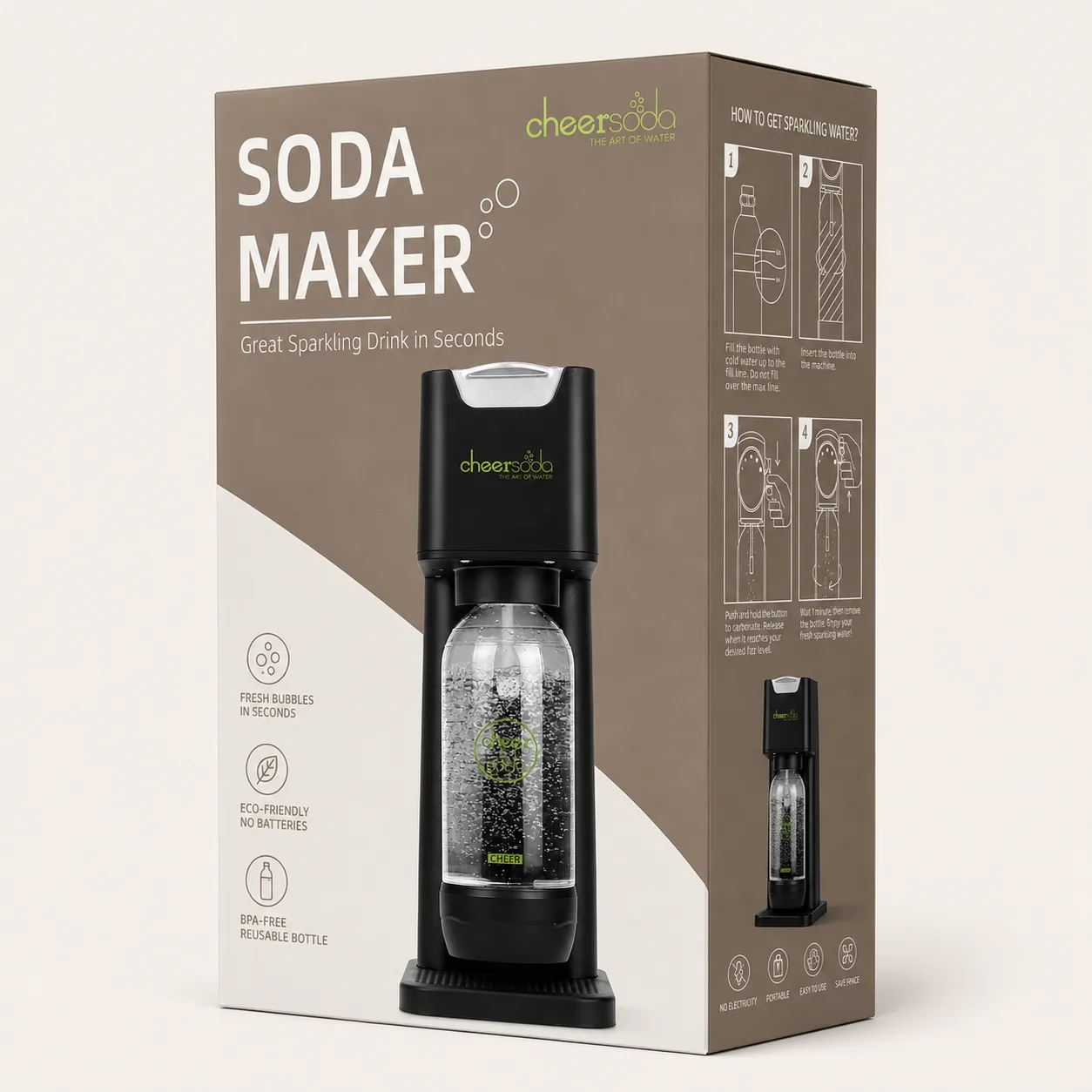
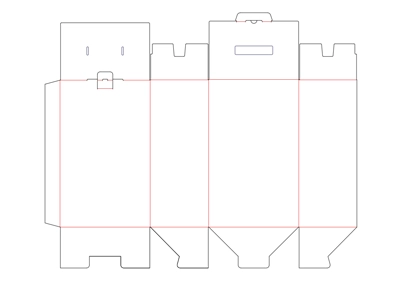
Retail Box Layout
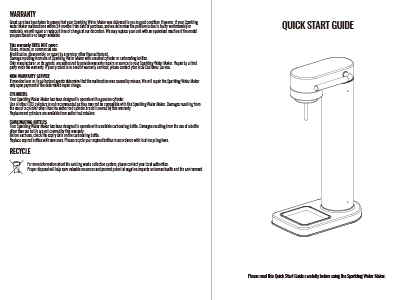
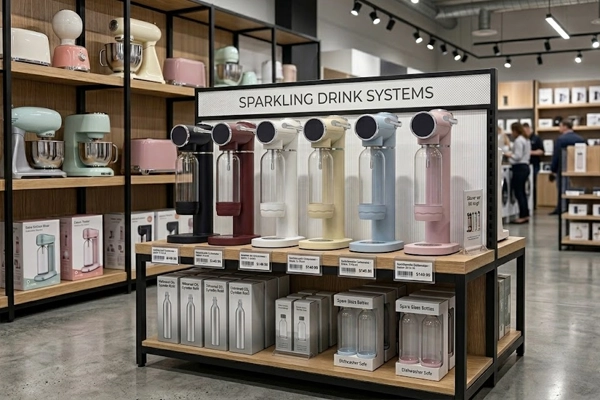
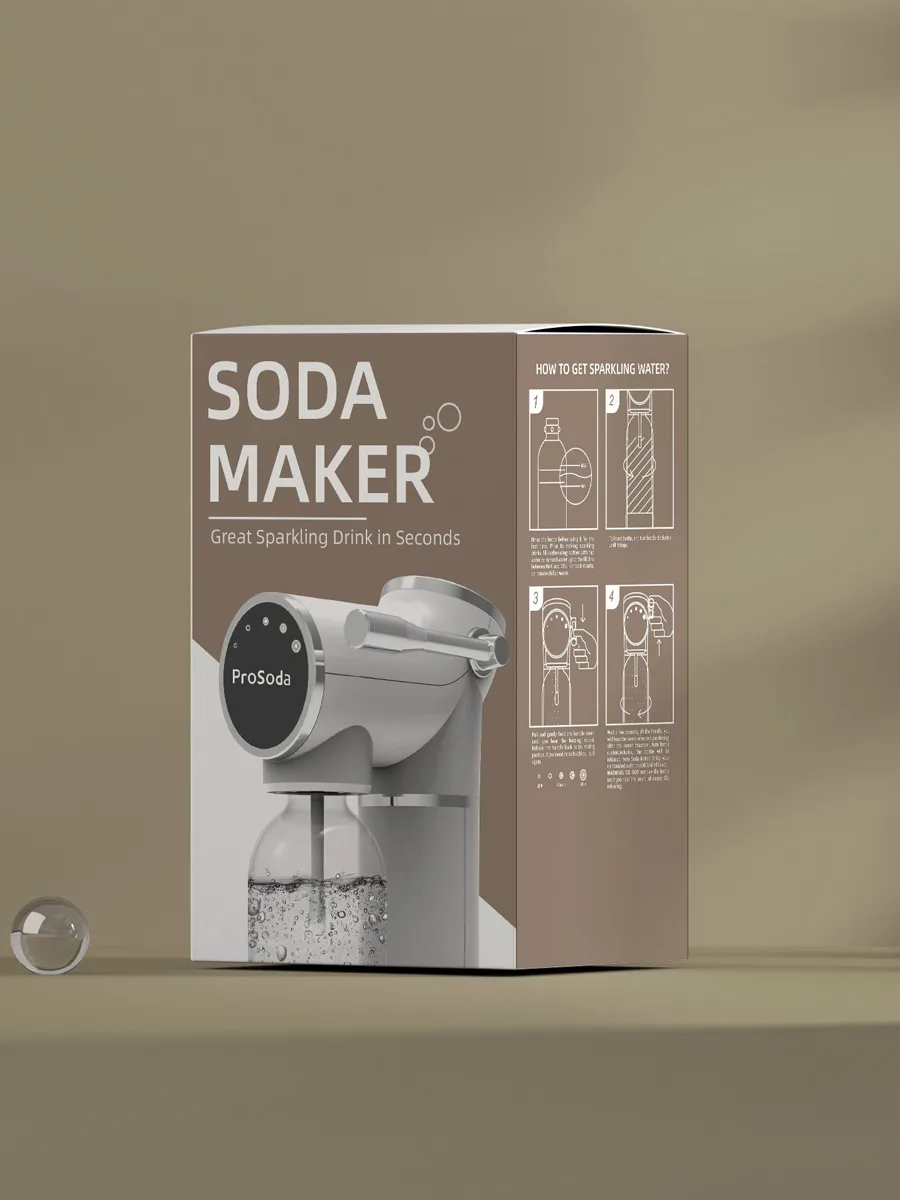
Box layout should be checked for product image, feature text, barcode area, warning text, and language version.
Cheersoda supports brand owners, importers, distributors, and retail teams that need private label soda makers with logo printing, custom packaging, instruction manuals, carton marks, barcode labels, sample review, bottle-set planning, and factory-side OEM production from Qingdao.
A private label soda maker is a soda maker produced by a factory and supplied under the buyer’s brand identity. For B2B projects, private label work usually includes brand logo placement, product color selection, color box design, instruction manual, barcode label, carton mark, accessory pack, bottle set, sample approval, and shipment preparation. It is different from buying an unbranded machine because every market-facing item must be reviewed before production.
Note: This page focuses on private label project items. For factory scale and production capability, visit Manufacturing Capability. For machine categories, visit Sparkling Water Maker OEM.
Key elements involved in converting a factory model into your branded product line.
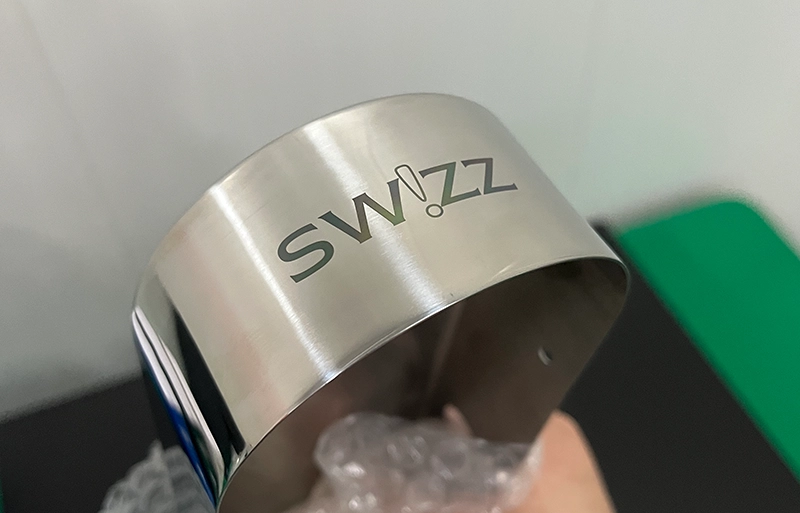
Confirmation of logo position on the machine body, logo file review, printing method, and physical sample confirmation.
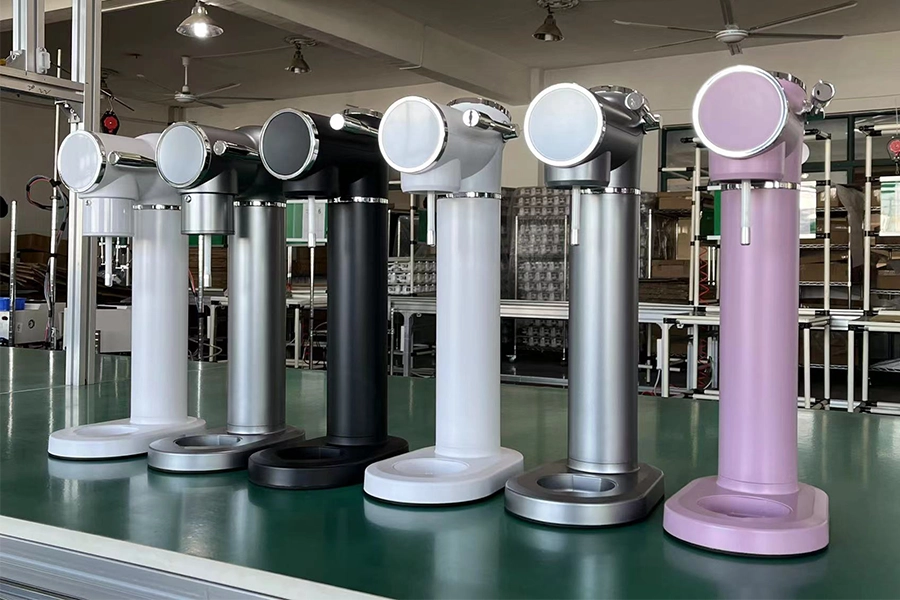
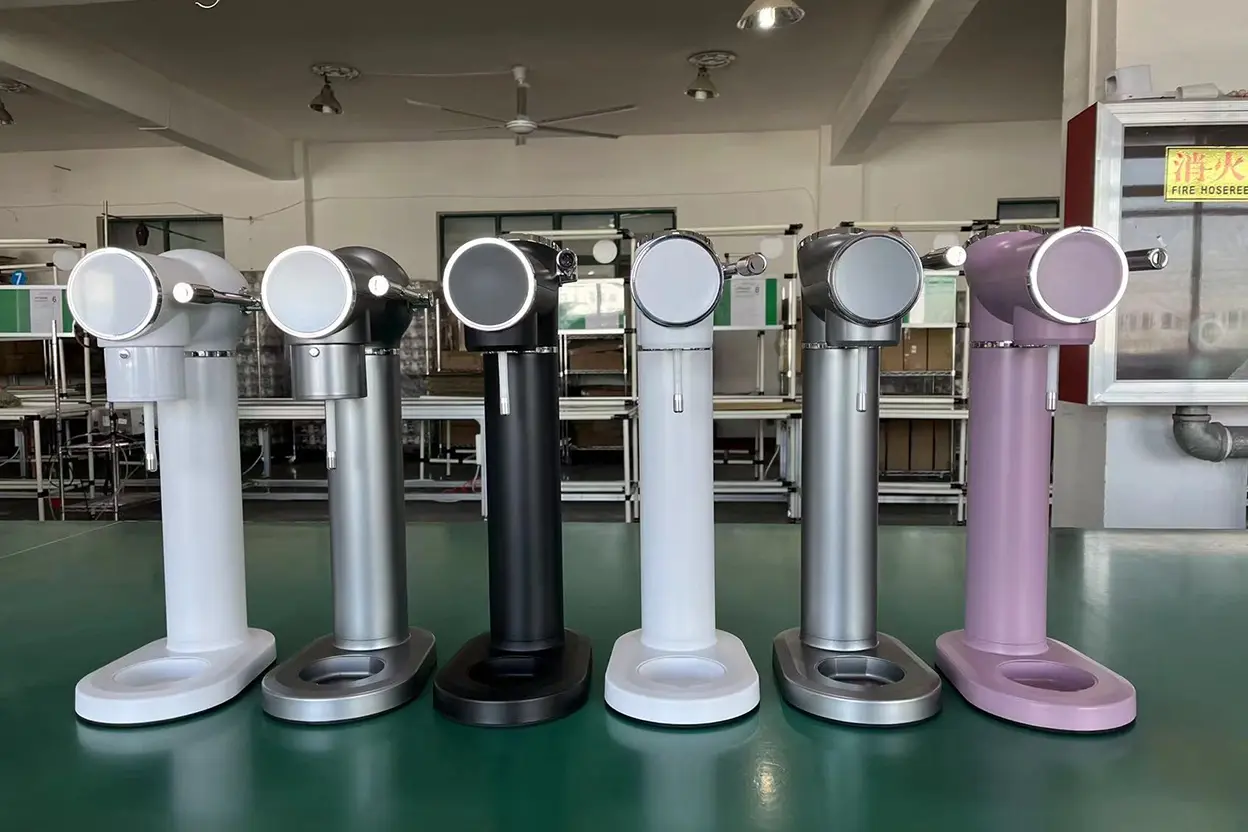
Selection from existing factory color options or project-based custom color matching using Pantone references.
Retail packaging layout coordination, including barcode area, safety warning text, and required market compliance documents.
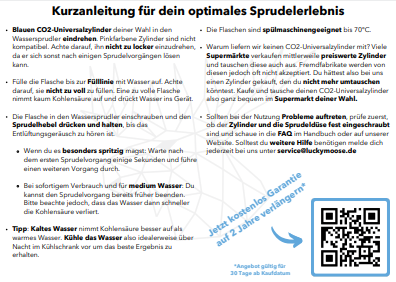
Target market language versions, clear operation steps, required safety wording, and packaging insert arrangement.
Outer master carton content, shipping marks, model reference numbers, barcode labels, and buyer logistical details.
Configuration of the bottle set, caps, user manual, spare parts (if applicable), and internal packaging arrangement.
Understanding the right manufacturing model for your business scale and project requirements.
Suitable for buyers who want to sell under their own brand using existing models, packaging, and controlled customization.
Suitable for buyers who need deeper customization, project-specific requirements, or brand-specific configuration.
Learn about OEM →Suitable for buyers who need factory design input, model selection, and full development support.
View Capabilities →Suitable for projects that need unique structure, mold investment, or exclusive design elements.
View Existing Models →Private label soda maker programs are usually used by importers, startup beverage brands, household appliance brands, online sellers, distributor networks, and retail chains that want to build a branded carbonation product line without starting from a blank engineering project.
By utilizing verified factory platforms, brands can focus on marketing and distribution while the manufacturer handles production stability, packaging execution, and quality control.
Before quotation, Cheersoda reviews the buyer’s market, expected order quantity, target machine model, bottle set, packaging level, certification request, shipping method, and launch schedule. This avoids wrong model matching, unclear packaging scope, or delays caused by missing artwork and documents.
Country, sales channel, language, compliance expectation.
Choose suitable soda maker models from existing product lineup.
Confirm logo, color, packaging, manual, carton, and accessory pack.
Check product appearance, packaging, bottle fit, and user-facing details.
Proceed after final approval of sample, artwork, and commercial terms.
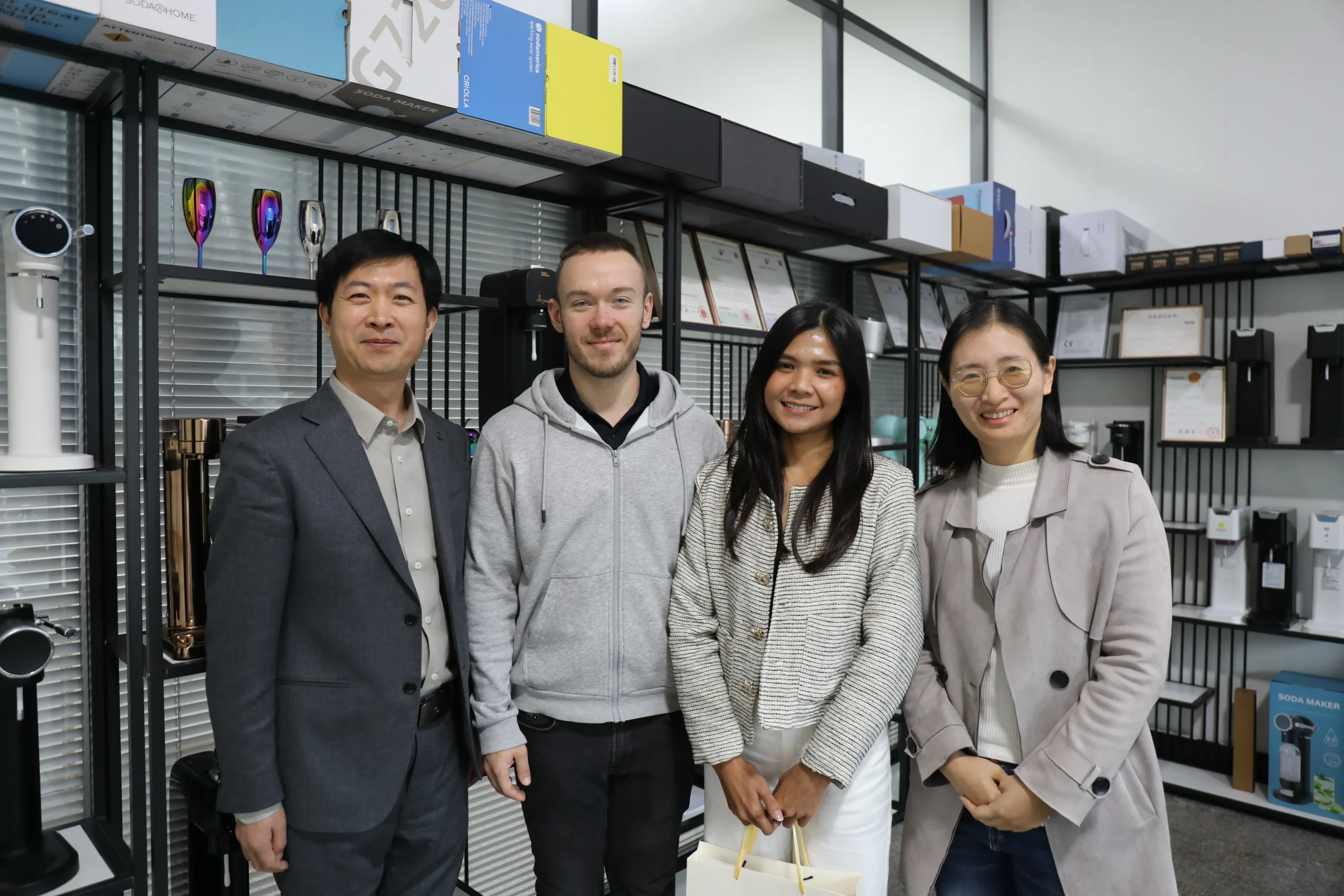
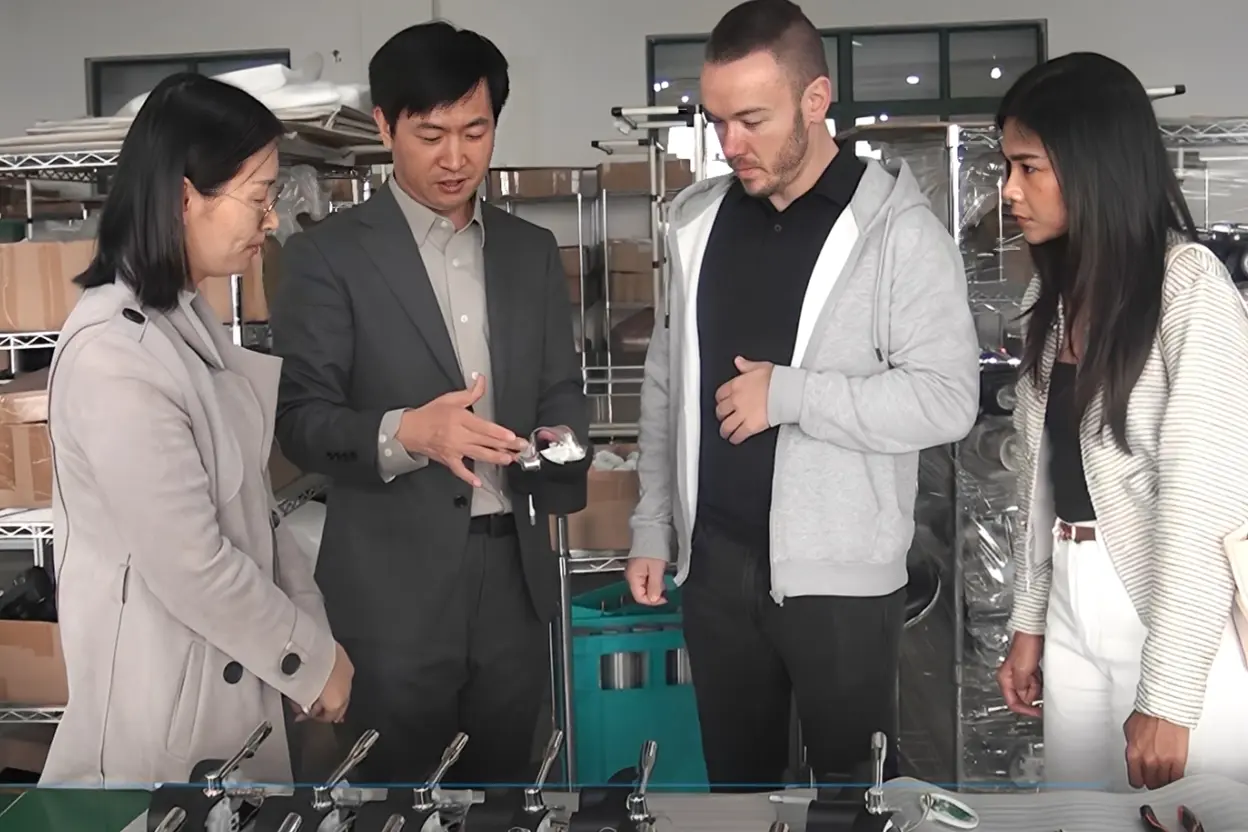
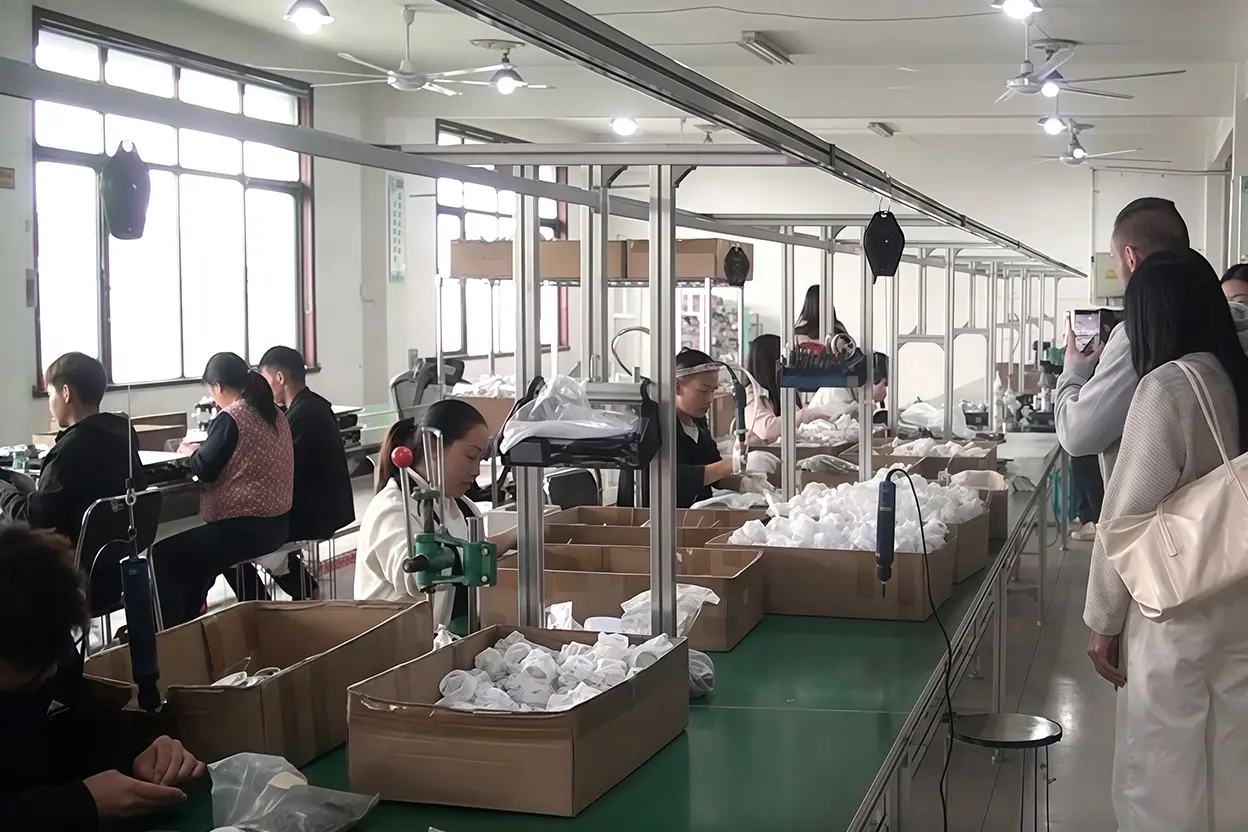
Before starting a private label project, buyers can review selected factory and production videos to understand the production environment and basic soda maker workflow.
| Custom Item | Common Options | Buyer Should Prepare |
|---|---|---|
| Brand logo | Product body, box, manual, carton | Vector logo file |
| Product color | Existing color or project color | Color reference or Pantone |
| Packaging | Color box, master carton, label | Box artwork or design direction |
| Manual | Language version and safety text | Target market language |
| Barcode | EAN, UPC, SKU label | Barcode file and placement |
| Bottle set | 500 ml / 1000 ml bottle options if applicable | Bottle plan and pack quantity |
| Accessory pack | Caps, manual, spare part pack | Accessory list |
| Carton mark | Shipping mark and outer carton text | Shipping requirements |
A private label soda maker quotation is not only the machine price. The final cost depends on branding method, packaging scope, bottle set, documentation, inspection, and shipment preparation. Confirming these items early helps avoid repeated artwork changes and last-minute packing delays.
| Cost Item | What It Covers | When It Changes |
|---|---|---|
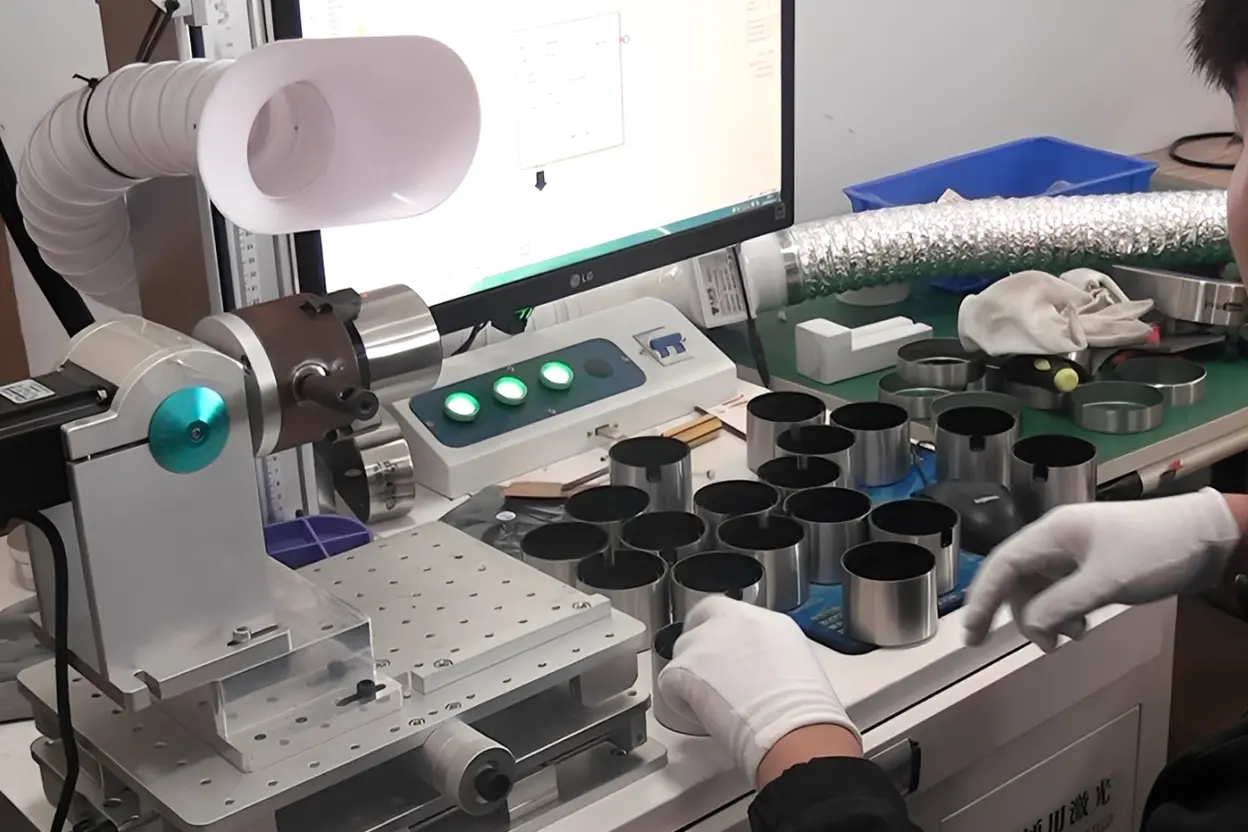
| Logo application | Silk-screen printing, laser marking, label position review | Different logo size, color, material, or multiple positions |
| Custom color | Body color, surface finish, sample comparison, production confirmation | Pantone match, painted finish, metallic texture, or small-batch color run |
| Color box | Retail box layout, printing file review, product photo, warning text | Full-color box, special paper, extra inserts, or market-specific wording |
| Instruction manual | Language version, safety notes, usage steps, warranty page | Multiple languages, local compliance wording, or buyer-provided translation |
| Barcode and SKU label | EAN/UPC barcode, SKU label, carton label, retailer information | Different retailers, mixed SKUs, Amazon/FBA preparation, or market relabeling |
| Carton mark | Master carton text, shipping mark, model number, quantity, gross weight | Different destination, distributor requirements, or mixed model shipment |
| Bottle set | 500 ml / 1000 ml bottle plan, cap, packaging structure | One bottle, two bottles, bottle color, spare bottle set, or retail bundle |
| Sample review | Pre-production sample, photos, function check, packaging confirmation | New artwork, new color, new label position, or buyer-requested revision |
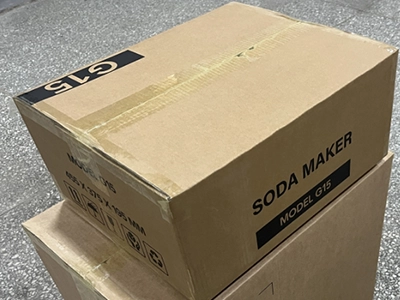
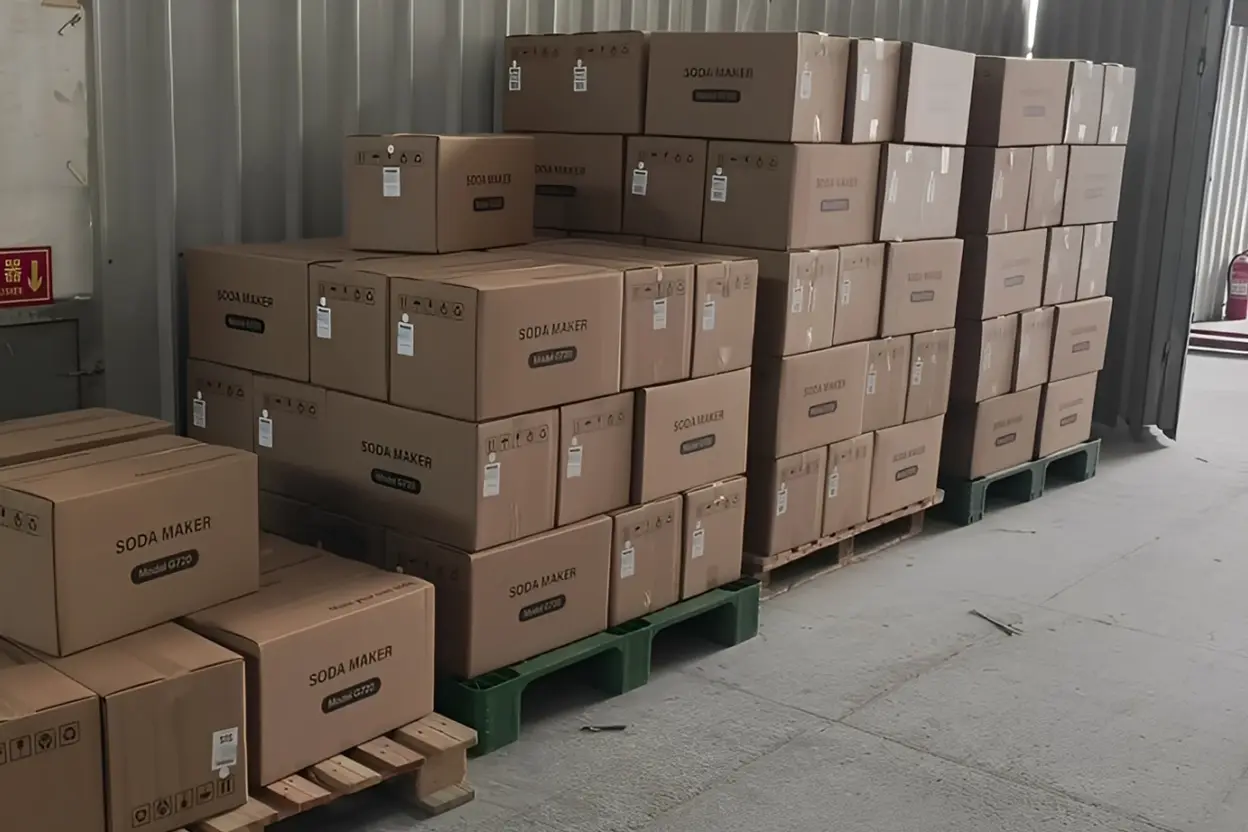
Packaging is often the most visible part of a private label soda maker project. Buyers should review box dimensions, product image, feature text, barcode position, safety warning, language version, carton quantity, and pallet or container loading requirements.
Cheersoda can work with buyer-supplied artwork or provide packaging structure information (die-lines) for the buyer’s designer to ensure a precise fit and professional retail presentation.
Private label packaging should be confirmed before bulk production. Buyers need to review color box layout, instruction manual, barcode area, carton mark, and shipment documents before the order moves forward.
Box layout should be checked for product image, feature text, barcode area, warning text, and language version.
Manual content should match the selected model, target language, operation steps, and packaging plan.
Carton information helps importers and distributors identify model, quantity, batch, and receiving details.
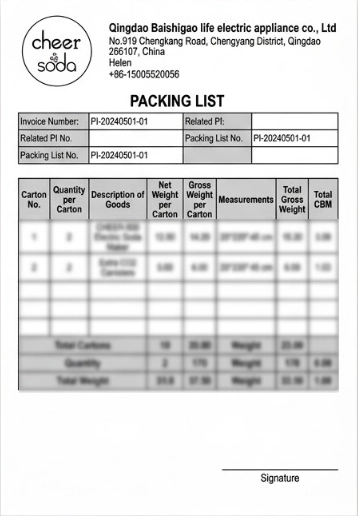
Packing list and shipment files are prepared according to confirmed order and packaging details.
Logo and color decisions should be confirmed before sample approval. A private label project can use existing model structures while adjusting visible brand elements. Buyers should not rely only on digital mockups; physical samples help review logo size, body color, surface finish, packaging color, and retail shelf appearance.
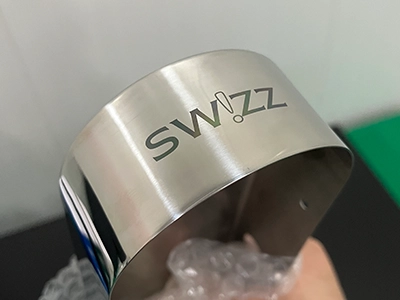
Private label buyers should confirm visible brand details before production. Logo position, body color, surface finish, and sample appearance should be reviewed with real photos or physical samples, not only digital mockups.
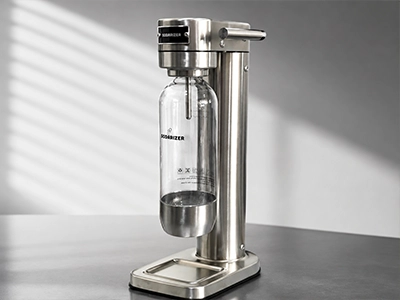
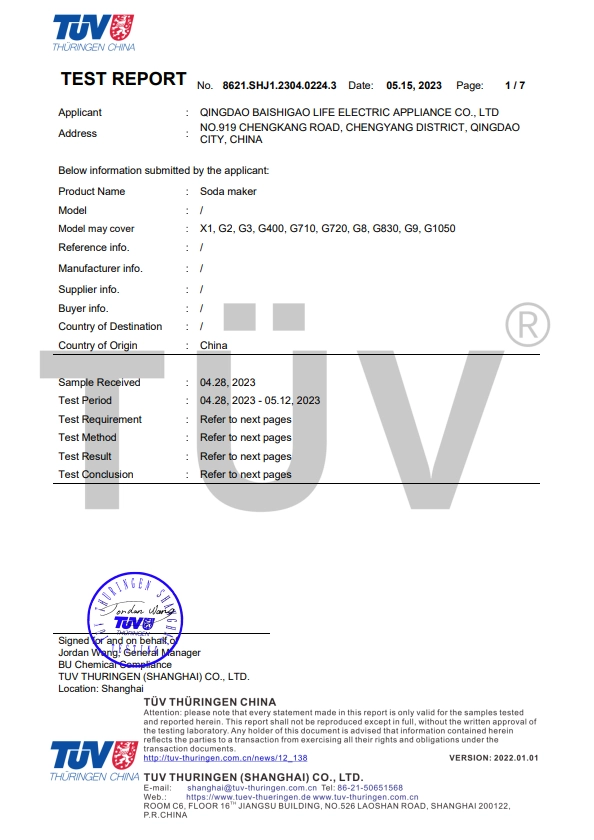
Logo placement should be checked on the actual product surface before sample approval.
Body color and surface finish should match the buyer’s brand direction and sales channel.
Visible details should be checked before packaging files and bulk production move forward.
Branding method depends on model structure, surface material, quantity, and buyer requirements.
Final branding details should be confirmed through sample review before production scheduling.
Discuss Private Label DetailsA private label soda maker project should confirm bottle type, bottle capacity, cap configuration, manual, and accessory pack before final quotation. Bottle planning affects packaging structure, carton size, shipment weight, and after-sales availability.
MOQ depends on the selected model, packaging level, color request, accessory pack, and customization depth. For simple logo and packaging projects, the review is faster. For special color, private tooling, or market-specific document requests, the timeline should be confirmed separately.
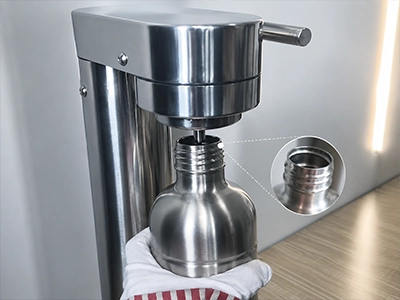
A private label project should not move into bulk production from artwork alone. Buyers usually review the physical sample, bottle fit, CO2 cylinder compatibility, operation, logo position, packaging layout, and available inspection records before confirming the order.
Check product surface, color, logo area, visible structure, and overall appearance.
Bottle fit should be reviewed before confirming bottle set and packaging structure.
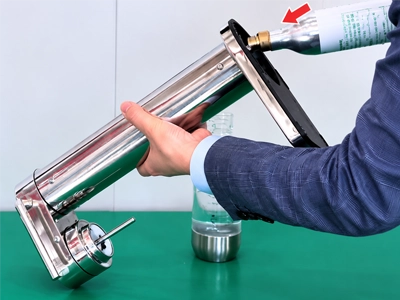
Cylinder compatibility depends on model, valve type, and destination market requirement.
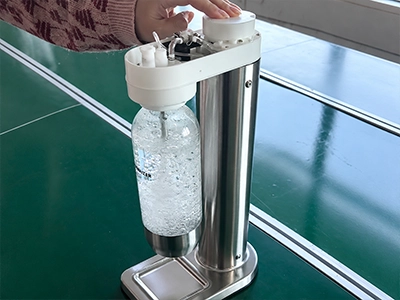
Operation review helps confirm user-facing details before manual and packaging approval.
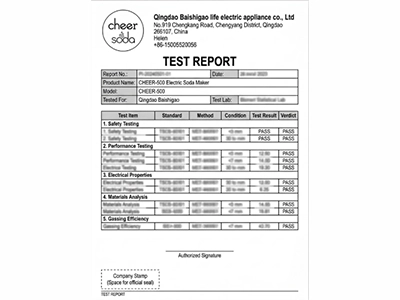
Available inspection records can be reviewed based on model, project, and order requirements.
Sample approval should confirm both product details and packaging details before production scheduling.
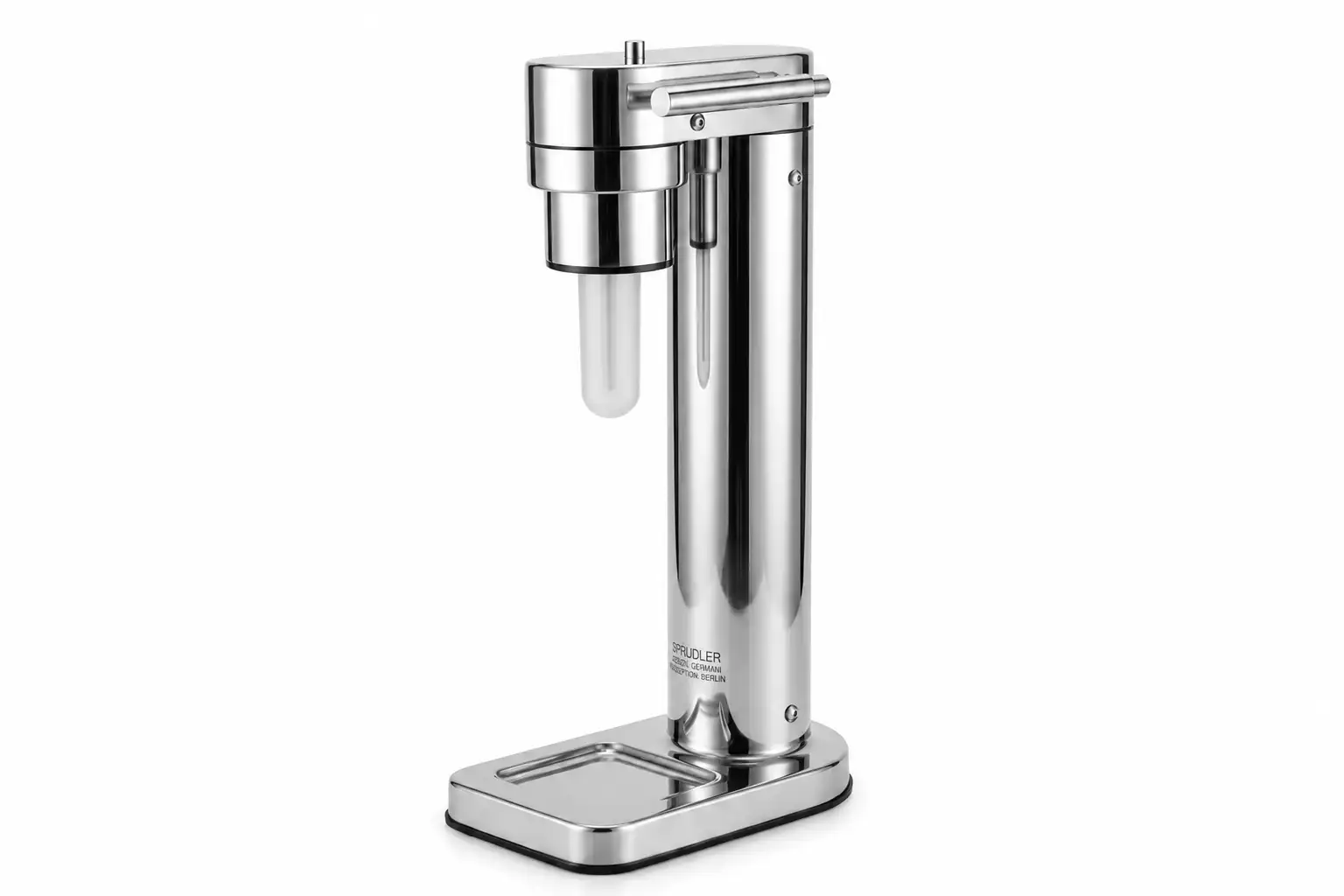
Request Sample ReviewMost private label projects can begin with existing soda maker models. Private tooling may be needed when the buyer wants a new shell design, unique product structure, exclusive appearance, special bottle connection, or long-term exclusive product line. Tooling requires separate cost, timeline, engineering review, and sample validation.
Review Manufacturing CapabilityPrivate label projects still require the same product and packaging review as standard B2B soda maker orders. Buyers should confirm target market requirements, label wording, material expectations, packaging claims, and document needs before production.
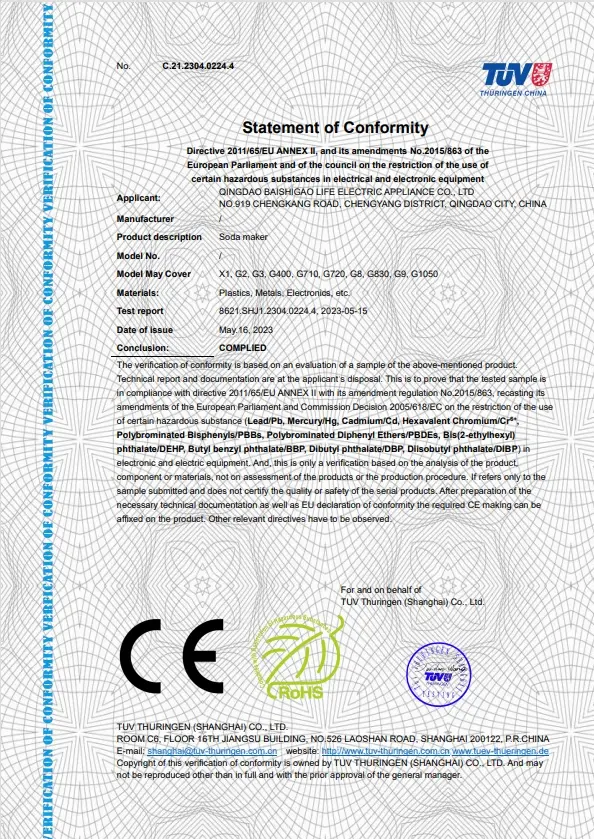
Review Quality & CompliancePrivate label packaging should not add compliance claims without document review. Buyers should confirm available files, material information, destination market requirements, and packaging wording before artwork approval. * Note: Document availability varies by model. We do not guarantee automatic compliance for all global certifications.
Used for food-contact material discussion where applicable.
Document review should be based on the selected model and project requirement.
Available files should be checked before adding claims to box, manual, or product listing.
Choose the suitable soda maker model for price level, retail channel, and target market.
Confirm logo position, machine color, bottle set, manual language, barcode, and carton mark.
Review sample appearance, operation, packaging artwork, and key project documents before bulk order.
Move into logo application, assembly, inspection, packing, and order documentation after approval.
Confirm packing photos, carton marks, loading details, and shipment documents before delivery.
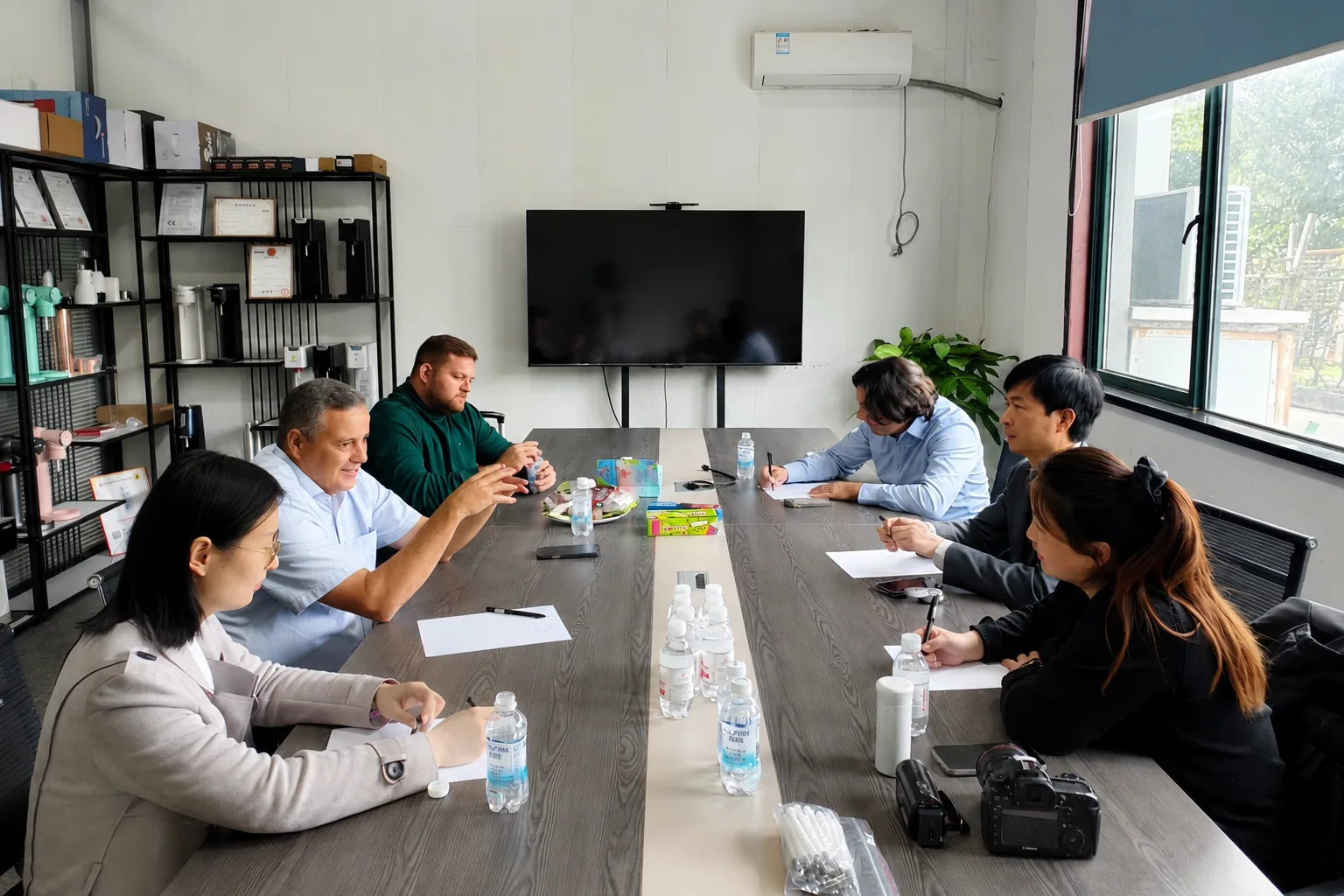
These two project entrances help buyers review how private label soda maker orders move from sample review to real production. Each case includes country, order quantity, model selection, project result, and evidence photos.
Germany
A German online brand moved from existing plastic models into a higher-end G15 product line. The buyer reviewed patent risk, paid for partial mold modification, confirmed brand details, and scaled through repeat orders after market validation.
Brazil
A South American distributor used mature public molds and a practical private label route to enter the soda maker category faster. The project focused on logo application, Portuguese documents, barcode planning, packing confirmation, and reliable delivery timing.
Avoid these common errors to ensure a smooth production and delivery schedule.
1. Starting packaging design before confirming model dimensions.
2. Assuming all soda maker bottles fit every model.
3. Sending low-resolution logo files.
4. Ignoring target market language and safety text.
5. Confirming carton marks too late.
6. Changing accessory pack after sample approval.
| Information Needed | Why It Matters |
|---|---|
| Target market | Affects language, label, documents, packaging text |
| Sales channel | Affects retail packaging and barcode needs |
| Preferred model | Affects MOQ, price, sample schedule |
| Brand logo | Needed for product and packaging mockup |
| Color request | Affects sample and production review |
| Packaging scope | Affects box, carton, and unit price |
| Bottle set | Affects carton size and bundle structure |
| Accessory pack | Affects BOM and user experience |
| Estimated quantity | Affects MOQ and production planning |
| Launch schedule | Affects sample and shipment timeline |
Tell us your target market, preferred soda maker model, logo and packaging scope, bottle set, estimated quantity, and launch schedule. Cheersoda will review the private label project details and respond with the next steps.