
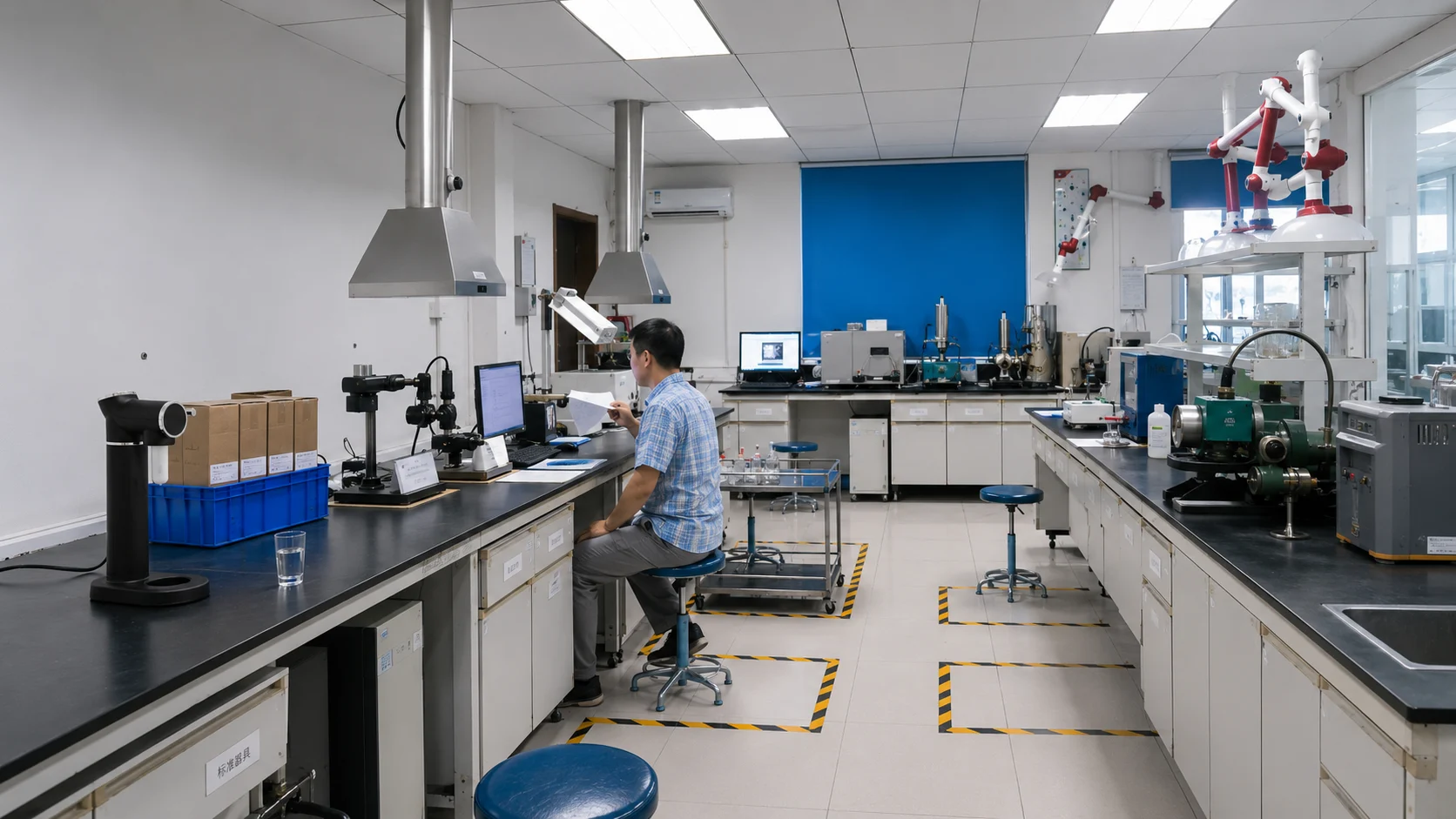
A reliable soda maker OEM lead time starts when the model, sample feedback, artwork, bottle set and order configuration are confirmed. Sample review, first-order production and repeat orders each have a different starting point, and artwork changes or missing specifications can extend the schedule.
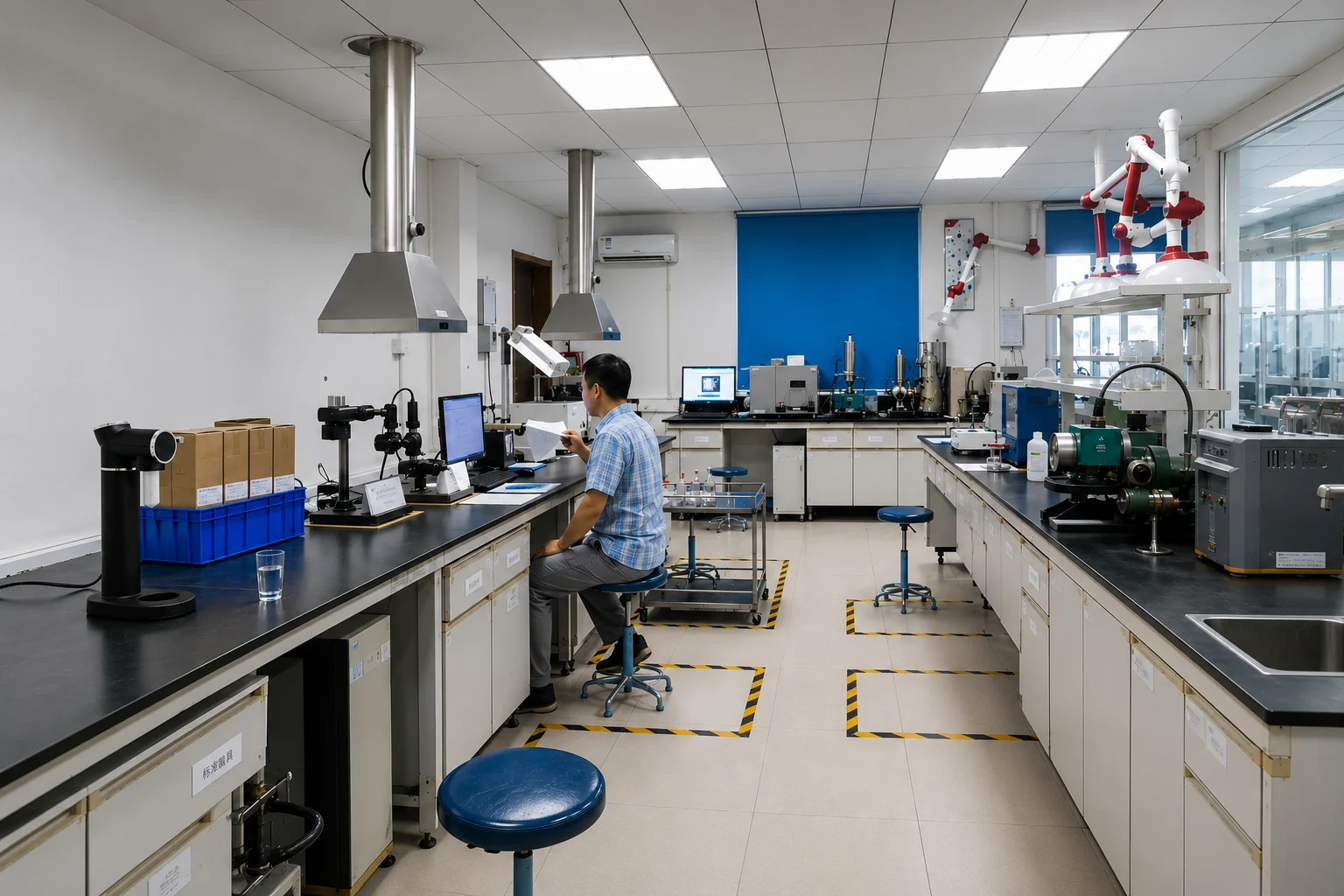
Factory note: A fast delivery promise is not useful if the project details are not ready. A realistic lead time should be based on confirmed samples, approved artwork, confirmed bottle set, clear packaging files, and a production schedule that leaves enough room for quality checks.
What Lead Time Means in an OEM Soda Maker Project
Lead time is the period between confirmed project details and shipment readiness. In casual sourcing conversations, buyers often use lead time to mean “how many days until the goods are ready.” In real OEM work, the clock should not start before the factory has enough confirmed information to plan the order.
A soda maker order is not only the machine body. It may include bottles, caps, accessories, color box, instruction manual, barcode label, carton mark, importer information, compliance document review, and pre-shipment photos or videos. If any of these items are not confirmed, the order can stop even when the main machine is available.
For this reason, a good lead time discussion should begin with the project scope. A standard model with simple branding can move faster. A private label soda maker with custom color, custom packaging, special accessory set, or private tooling needs more planning.
Typical OEM Soda Maker Timeline Overview
The timeline below is a planning reference, not a fixed promise. The final schedule depends on the selected model, season, material availability, order quantity, packaging scope, testing requirement, and buyer response speed.
| Stage | Main Work | What Buyers Should Prepare | Common Delay Point |
|---|---|---|---|
| Project review | Confirm model, market, order quantity, branding, bottle set, and packaging scope. | Target market, sales channel, preferred model, first order plan. | Buyer asks for price without clear configuration. |
| Sample review | Check appearance, operation, bottle fit, logo direction, and packaging concept. | Sample request, delivery address, key review points. | Sample feedback is delayed or changes are not clearly recorded. |
| Artwork approval | Review logo, color box, manual, labels, carton mark, and importer information. | Logo files, packaging text, barcode, manual language. | Artwork changes after printing material is prepared. |
| Material preparation | Prepare product parts, bottles, cartons, manuals, labels, and accessories. | Final specification and purchase order confirmation. | Special color or accessory items need extra sourcing time. |
| Production and testing | Assembly, bottle matching, wet leak testing, pressure-related checks, packing. | Confirmed inspection requirements and shipment plan. | Late changes to product, packaging, or quantity. |
| Shipment preparation | Final photos, carton marks, document list, loading preparation. | Forwarder contact, shipping marks, booking plan. | Documents or forwarder instructions arrive late. |
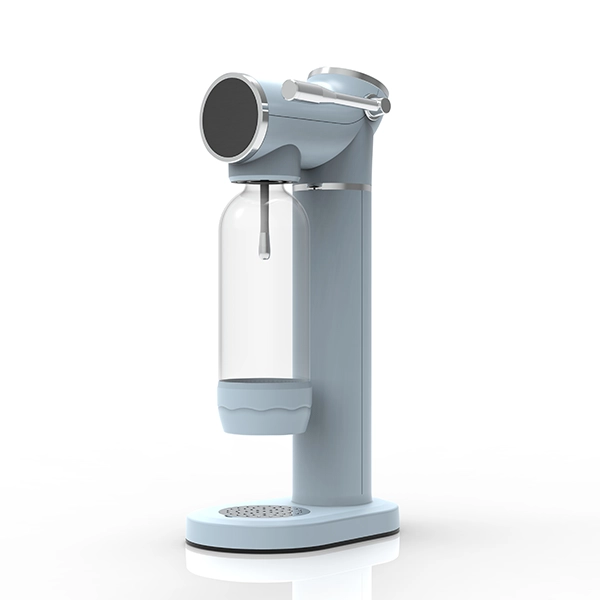
G720 — our proven plastic model for volume private-label programmes. MOQ 300 units.
See the G720 →Sample Review Stage: The Timeline Starts Before Production
Sample review is often the first real checkpoint in a soda maker OEM project. Buyers use the sample to confirm product appearance, operation, bottle locking feel, surface finish, carbonation behavior, accessory set, and packaging direction. This stage should not be treated as a formality.
A good sample review saves time later. If the buyer finds a problem only after mass production starts, the correction can affect materials, assembly, packaging, and delivery date. Sample feedback should be written clearly. It should include photos, marked points, expected changes, and a final decision on whether the project can move to the next stage.
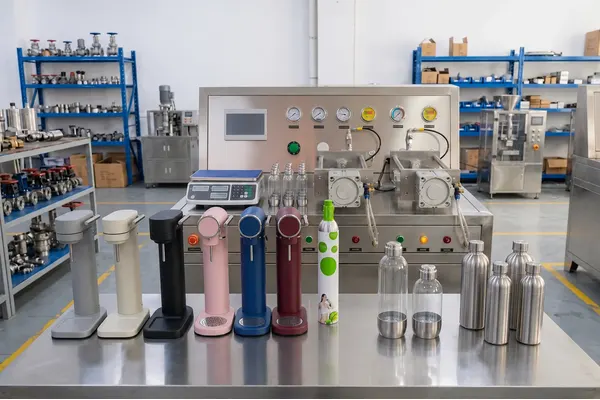
Sample Review Items
- Product appearance
- Bottle locking feel
- Carbonation operation
- Surface finish
- Accessory set
- Packaging direction
Buyer Feedback Should Include
- Approved points
- Required changes
- Marked photos
- Logo or color comments
- Manual language notes
- Final sample decision
Artwork and Packaging Approval Can Control the Whole Schedule
In many private label soda maker projects, the product is ready faster than the packaging files. Buyers often focus on the machine and leave packaging until later. This is risky because packaging is part of production, not a final decoration.
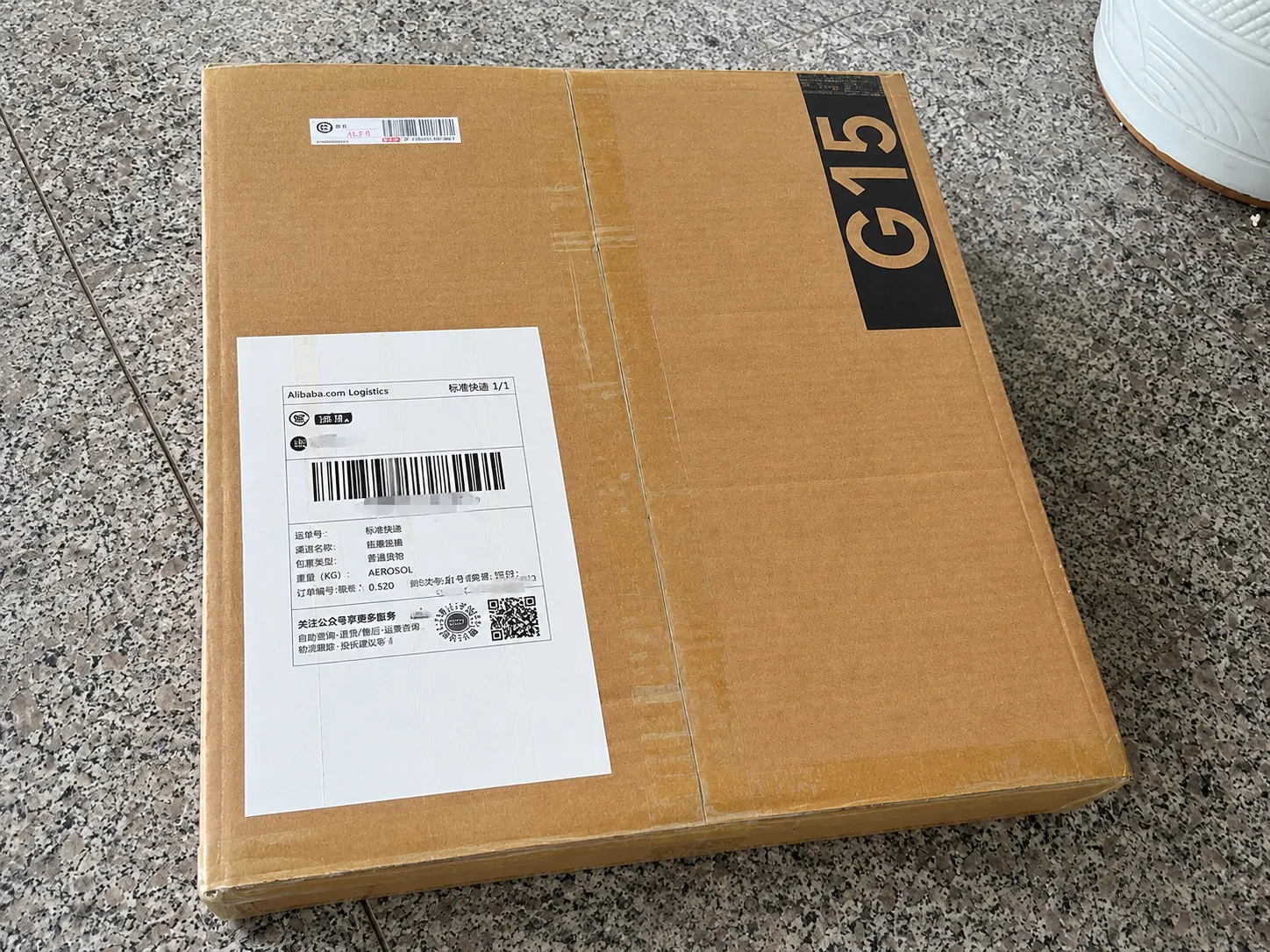
Color box artwork, instruction manual, barcode label, warning label, carton mark, SKU information, importer address, and product image all need review. If the buyer changes these files after printing material is prepared, the order may lose several days or more. If the packaging text affects compliance or local retail requirements, the delay can be longer.
Material Planning: Why Standard Models Move Faster
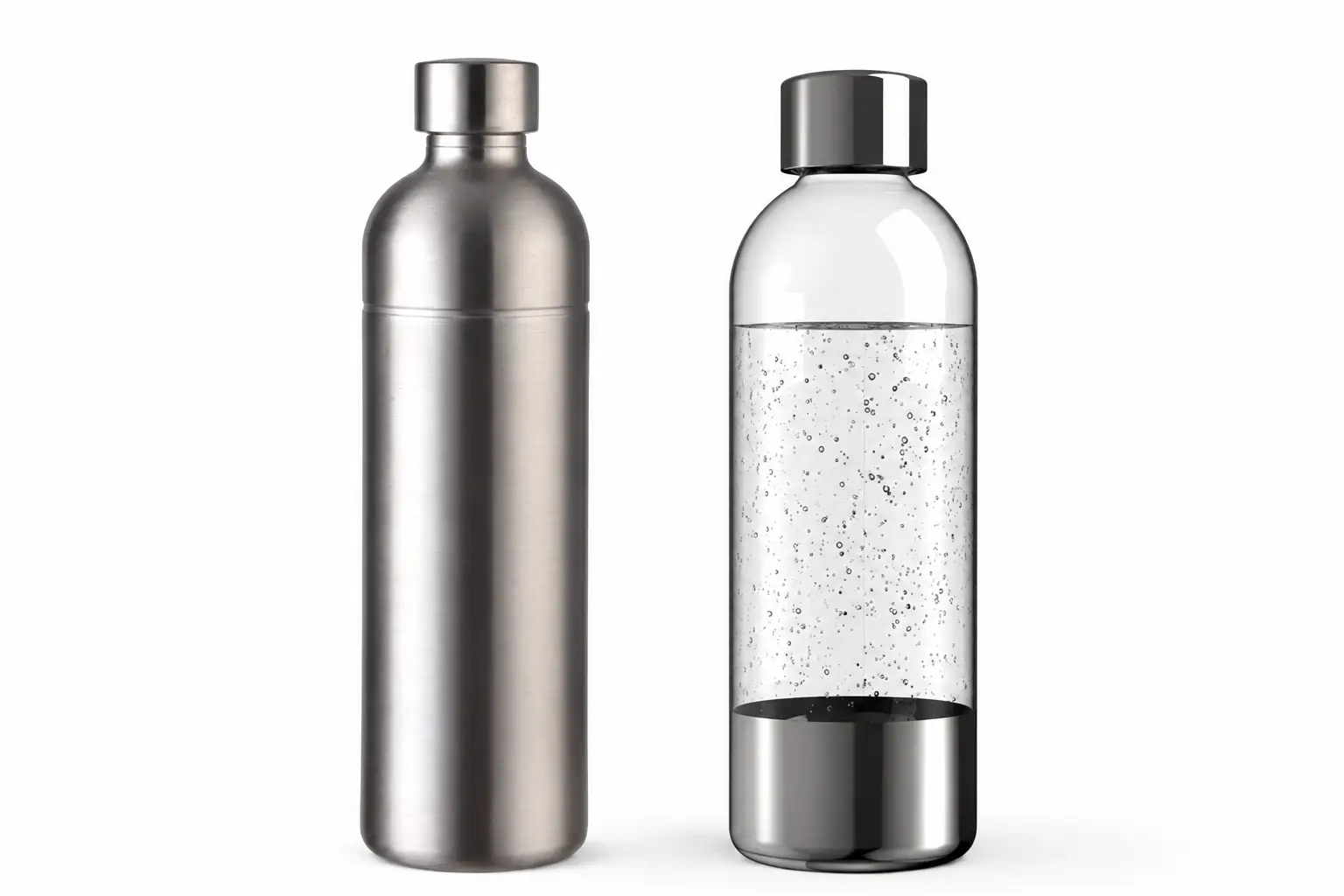
Standard models move faster because the factory has more predictable parts, molds, bottles, packing method, and inspection process. A standard body color, available bottle set, and approved packaging format can reduce uncertainty. Custom color, special surface treatment, new accessory pack, or private tooling requires more preparation.
For example, a buyer may ask for a special color that matches a brand book. This is possible in many projects, but it may require color confirmation, material preparation, and sample review. A buyer may also request a different bottle set or accessory arrangement. That can affect box size, inner protection, carton size, and container loading.
Lead time is not only factory assembly time. It also includes purchasing and preparing every item that will be shipped with the product.
Production Stage: What Happens After Details Are Confirmed
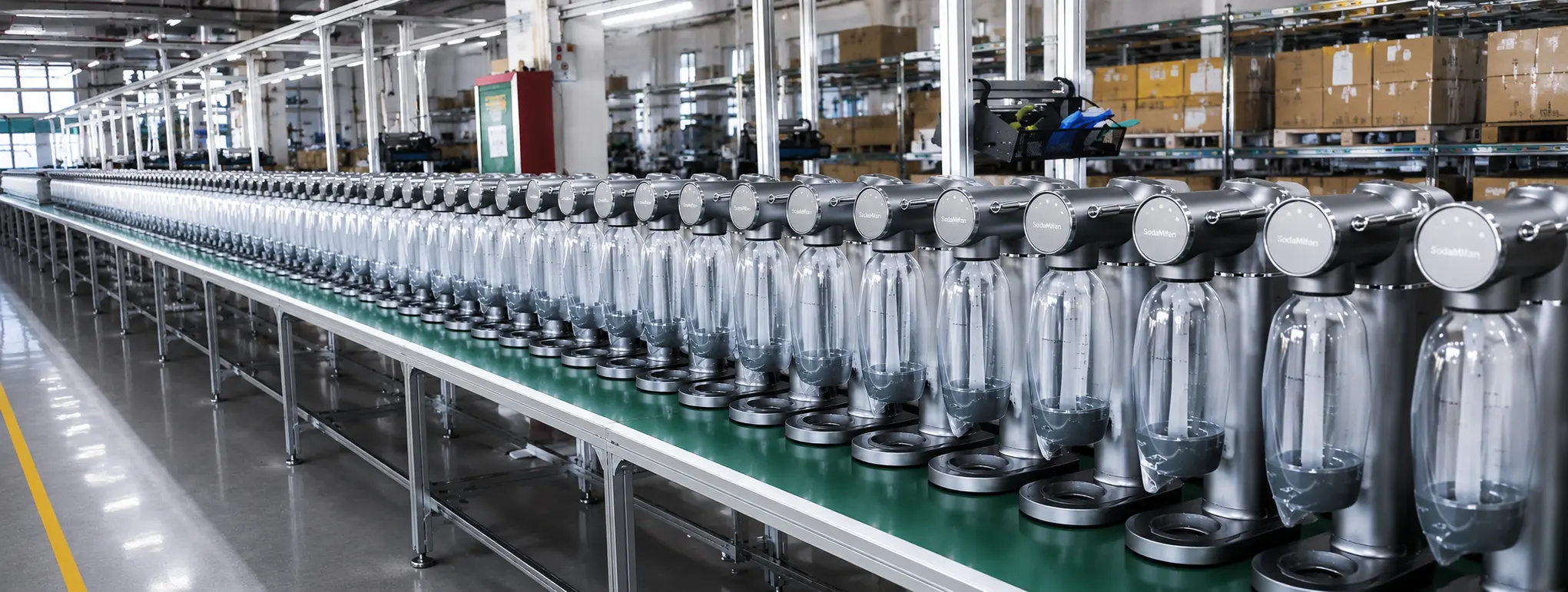
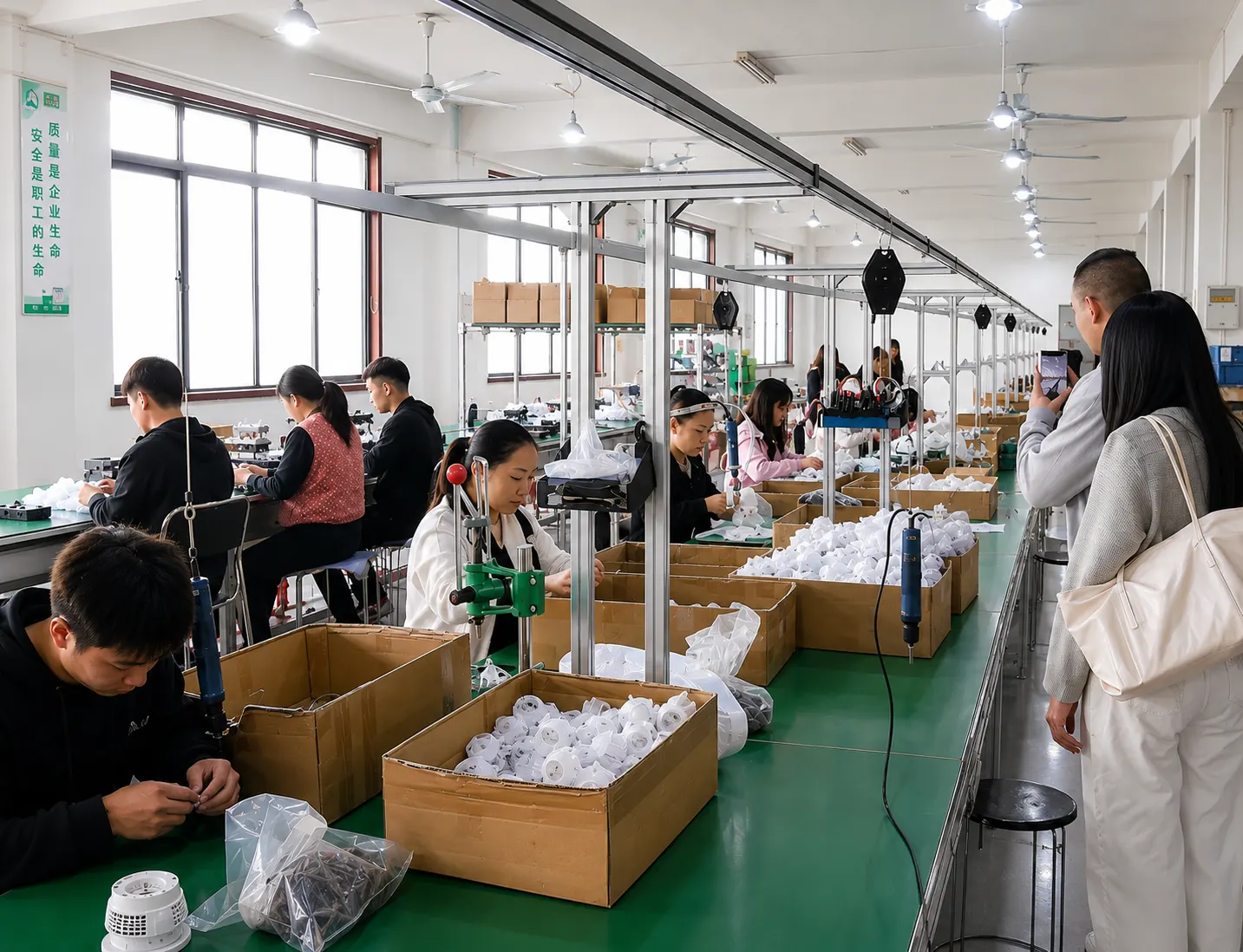
Once the model, quantity, branding, packaging, bottle set, and order details are confirmed, the factory can arrange production. For soda makers, production usually includes parts preparation, assembly, bottle matching, functional checks, appearance inspection, and packing.
A production schedule should also consider whether the order is a first private label batch or a repeat order.
Lead Time Reference by Order Type
| Stage | Timeline |
|---|---|
| Samples | 7 days |
| First order | 35-45 days |
| Repeat order | 30 days |
| Deposit | 30% by T/T |
A repeat order usually moves more smoothly because the factory and buyer already have confirmed packaging files, product configuration, and inspection expectations. A first order often needs more communication because many details are being fixed for the first time.
Pre-Production Confirmation
Confirm model, color, logo, bottle set, packaging files, manual, barcode label, carton mark, and order quantity. This is where many delays can be prevented.
Assembly and Line Control
Arrange product assembly, component matching, basic operation checks, and line-side review. The goal is stable output, not only fast output.
Packing and Final Review
Check finished product, accessory set, packaging, carton marks, and requested pre-shipment photos or videos before handover to shipment preparation.
Quality Control Should Be Built Into the Lead Time
A shorter lead time is not useful if quality checks are skipped. Soda makers involve gas pressure, water-contact parts, bottle fit, and user operation. Buyers should leave time for inspection, testing, and packaging review.
A practical quality review can include incoming parts inspection, housing appearance, bottle fit, assembly check, wet leak testing, pressure-related functional checks, final appearance review, and packaging inspection. For buyers who plan to sell through distributors or online channels, pre-shipment photos or videos are also useful.
Shipment Preparation: The Last Stage Still Needs Time
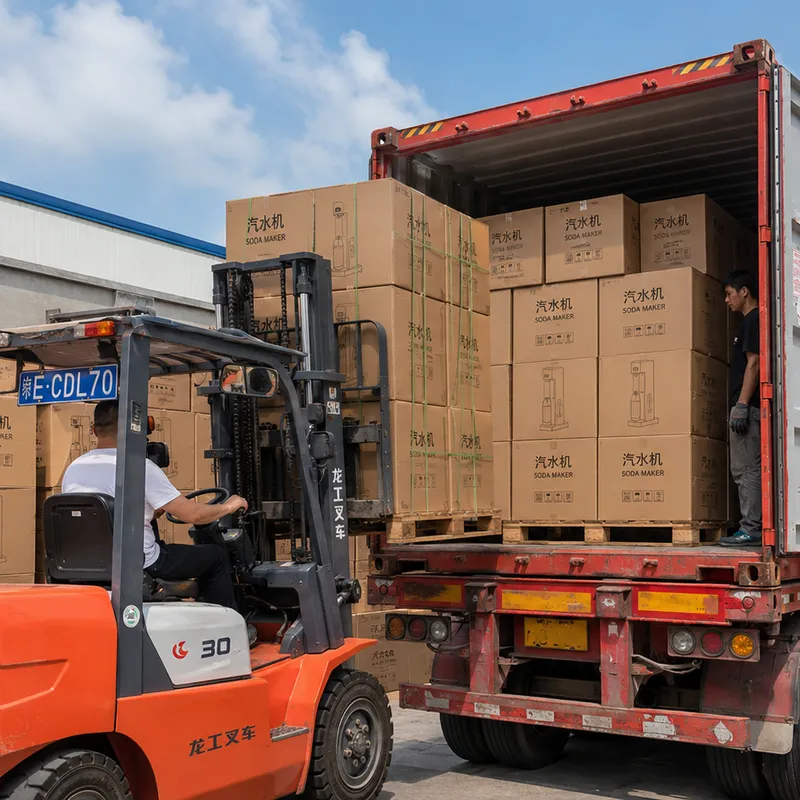
Some buyers think the order is finished when packing is completed. In practice, shipment preparation still needs attention. The factory may need to confirm carton marks, finished product photos, packaging photos, quantity details, document list, and loading preparation. The buyer may need to arrange a forwarder, booking plan, shipping instructions, and destination documents.
If the buyer changes carton mark or shipping instructions at the last moment, the order can be delayed even when goods are ready. For this reason, shipping marks and logistics contact should be confirmed before the final packing stage.
Common Reasons OEM Soda Maker Orders Are Delayed
Most delays are not caused by one big problem. They usually come from several small details that were not confirmed early. A good factory and buyer should discuss these details before production starts.
- Late sample feedback
- Unclear logo file
- Packaging text changes
- Manual language not ready
- Barcode label missing
- Deposit or order confirmation delayed
- Custom color approval
- Special bottle set
- Accessory change
- Private tooling work
- Extra testing requirement
- Holiday or peak season schedule
Buyer Checklist Before Asking for Lead Time
Buyers can get a better timeline by sending a complete project brief. If the factory receives only “please quote best price and fastest delivery,” it has to guess too much. A clear project brief reduces back-and-forth and helps the factory check the schedule honestly.
| Information to Send | Why It Matters | Useful Related Page |
|---|---|---|
| Target market and sales channel | Different markets may need different manuals, labels, and document references. | Quality & Compliance |
| Preferred model and quantity | The factory needs to check model availability, material planning, and production schedule. | Models |
| Logo and packaging scope | Private label work affects artwork approval, material preparation, and production lead time. | Private Label Soda Maker |
| Bottle and accessory set | Bottle set affects packaging, carton size, and shipment preparation. | Soda Maker Bottles |
| Shipment deadline | The factory can check whether sample review, production, testing, and packing can fit the launch plan. | Contact Factory |
How to Shorten Lead Time Without Creating Risk
Lead time can often be improved, but only in practical ways. The safest way to move faster is to reduce uncertainty, not to skip important steps. Buyers who need a quick launch should use an existing model, confirm a standard color, keep the first packaging version simple, and prepare artwork before placing the order.
- Use an existing soda maker model for the first order.
- Choose a standard color before trying a custom color run.
- Prepare logo, box text, barcode, and manual language early.
- Confirm bottle set and accessory pack before packaging design.
- Approve the sample before discussing mass production dates.
- Keep carton mark and shipping instructions ready before packing.
- Plan repeat orders earlier if the product is selling well.
Practical recommendation: If you are launching a new private label soda maker, do not combine every customization in the first order. Start with a stable model, clear packaging, confirmed bottle set, and reliable inspection process. After the first market feedback, use repeat orders to improve color, accessory mix, and retail presentation.
Related Pages for Lead Time Planning
Lead time is connected to the full OEM process. Buyers can review these pages before requesting a production schedule:
- OEM Soda Maker Manufacturer for factory-direct project support.
- Private Label Soda Maker for branding and packaging requirements.
- Manufacturing Capability for production and factory process review.
- Quality & Compliance for testing and document references.
- Soda Maker Bottles for bottle set planning.
FAQ
How long does an OEM soda maker project take?
Lead time depends on the selected model, sample status, logo method, packaging files, bottle set, material availability, production schedule, quality checks, and shipment preparation. A standard project is usually faster than a custom color or private tooling project.
What causes delays in soda maker OEM orders?
Common delay points include late artwork approval, unclear bottle set, custom color confirmation, missing manual language, document changes, delayed deposit, holiday schedules, and changes after sample approval.
Can lead time be shortened?
Lead time can often be shortened by using an existing model, standard color, approved packaging files, available bottle set, clear purchase order, and early sample confirmation. Deep customization and private tooling usually require more time.
When should buyers confirm packaging files?
Packaging files should be confirmed before production starts. Color box artwork, manual language, barcode label, carton mark, and importer information can delay the order if they are changed after materials are prepared.
Is a repeat order faster than the first order?
A repeat order is often smoother because the model, packaging files, bottle set, and inspection requirements have already been confirmed. It can still be affected by material availability, order quantity, holidays, and shipping plans.
Need a Realistic Production Timeline?
Cheersoda can review your model choice, branding scope, packaging files, bottle set, order quantity, and launch schedule before giving a practical OEM soda maker lead time estimate.
Related guides: sample order guide, payment terms guide and container loading guide.