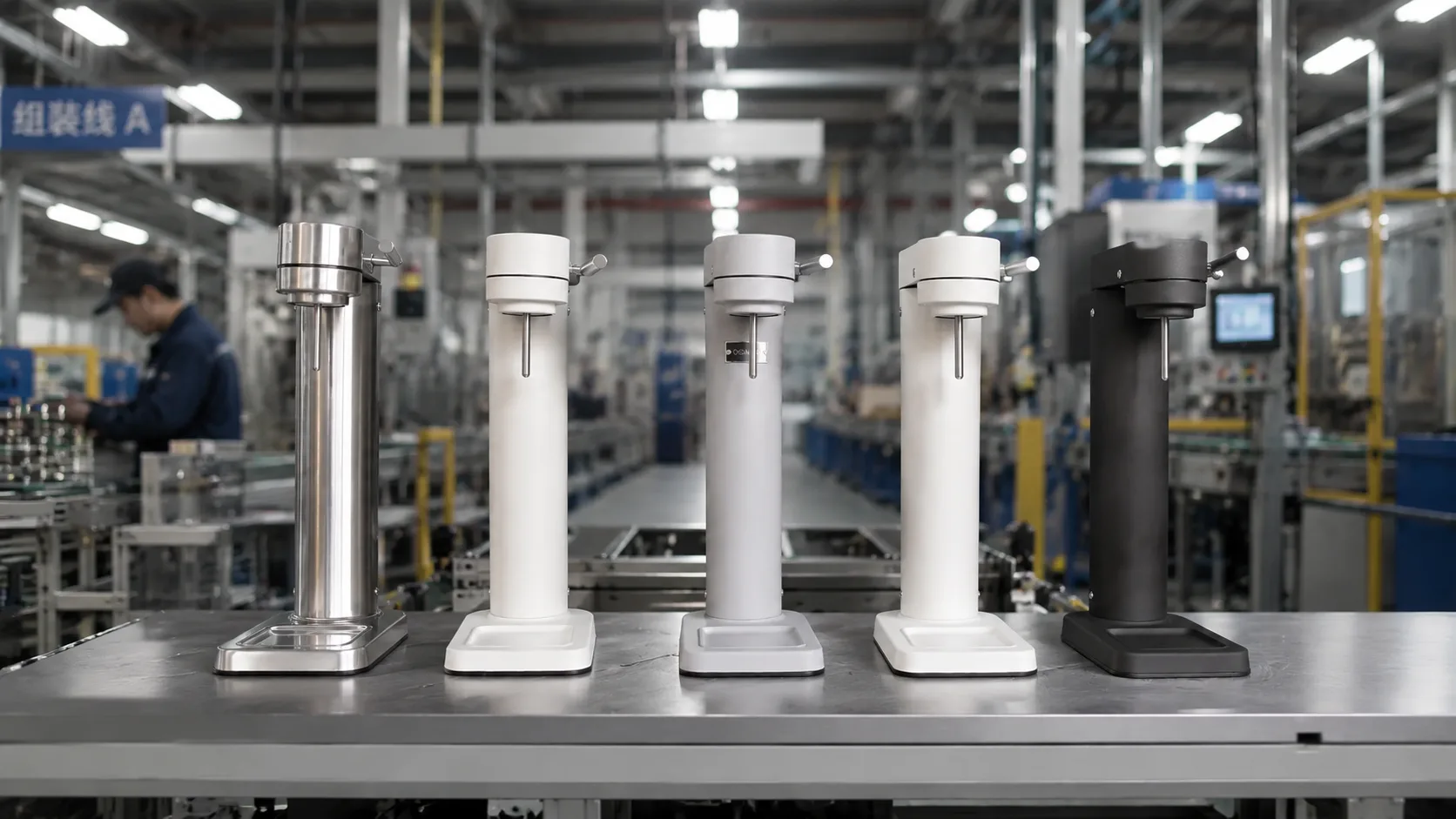
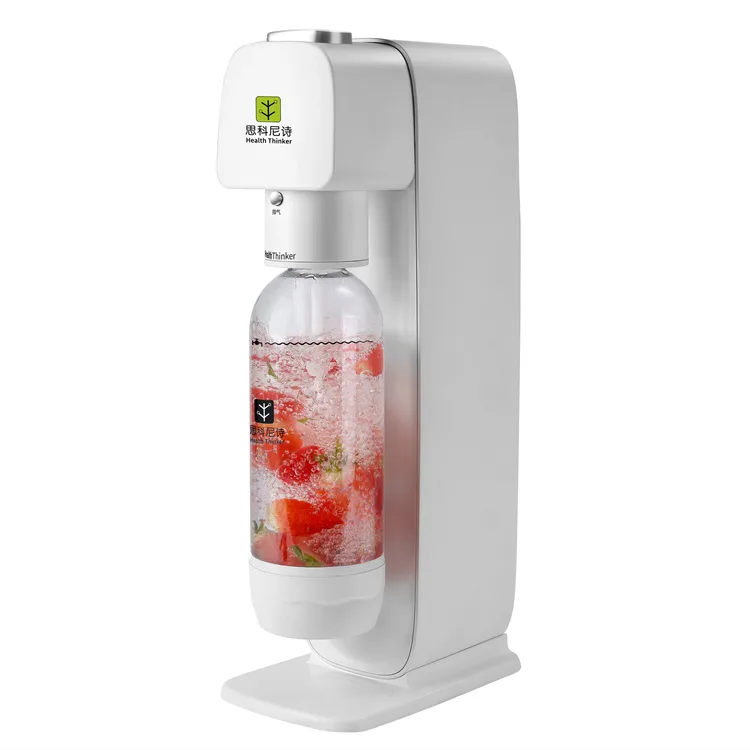
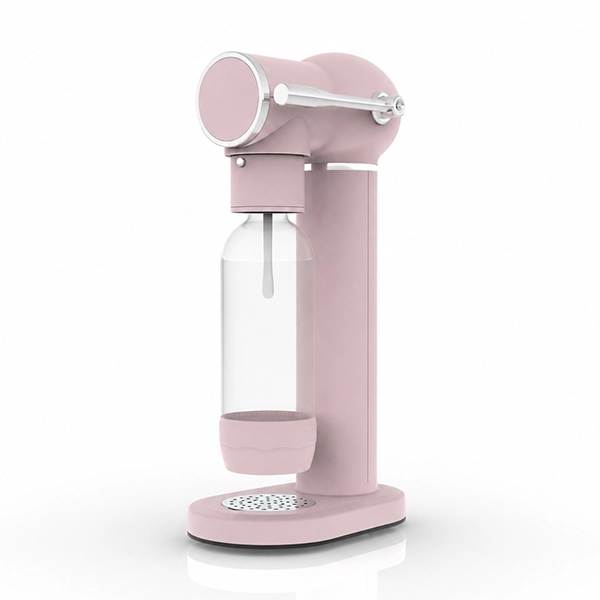
OEM/ODM Home Soda Maker Factoryfor importers, distributors, and private-label brands
Menu
Direct manufacturer pricing.
Retail & DTC Brands
Soda Maker OEM for Retail Brands
Plan a retail-ready soda maker range with Cheersoda around clear SKU roles, shelf packaging, model selection and a practical launch sequence. We can review samples, packaging files and channel requirements before production.
A retail launch needs more than just picking a machine. We advise our partners to clarify these project details so the final product matches shelf expectations.
Target Retail Price
Determine your shelf price range to guide whether we select cost-sensitive entry models or premium stainless steel units.
Visual Positioning
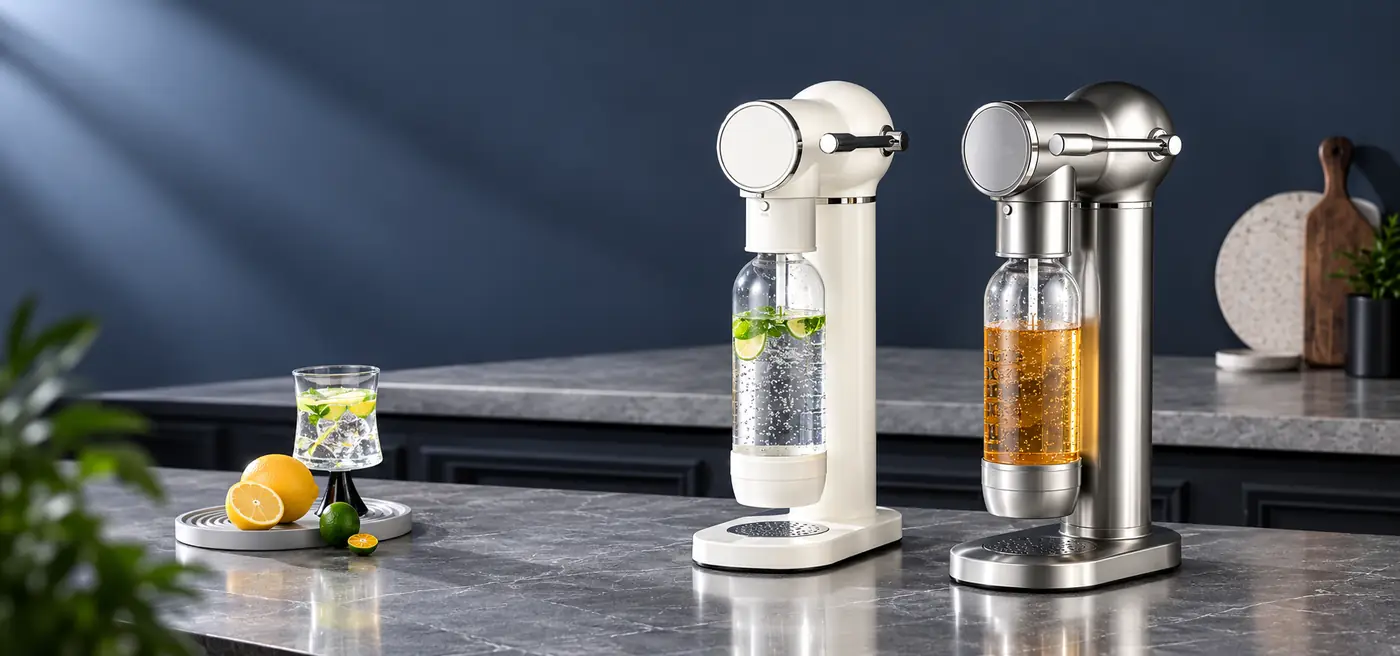
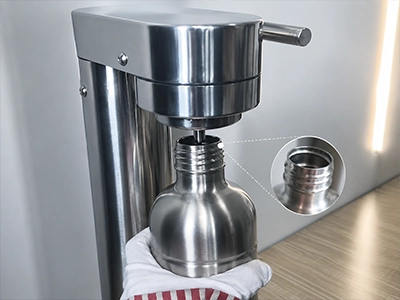
Decide between clean plastic bodies or stainless steel models that fit your existing brand aesthetic.
Packaging Style
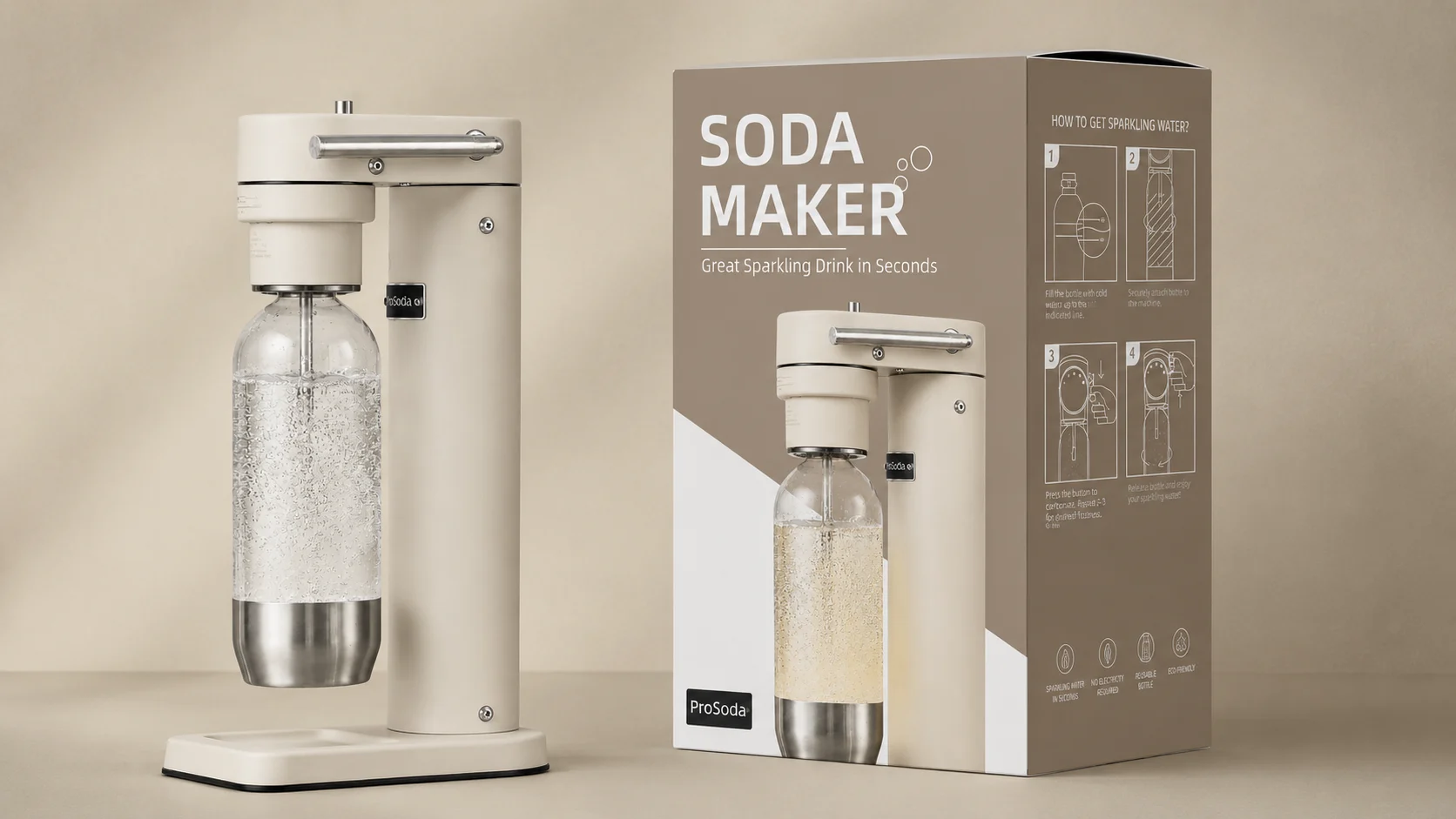
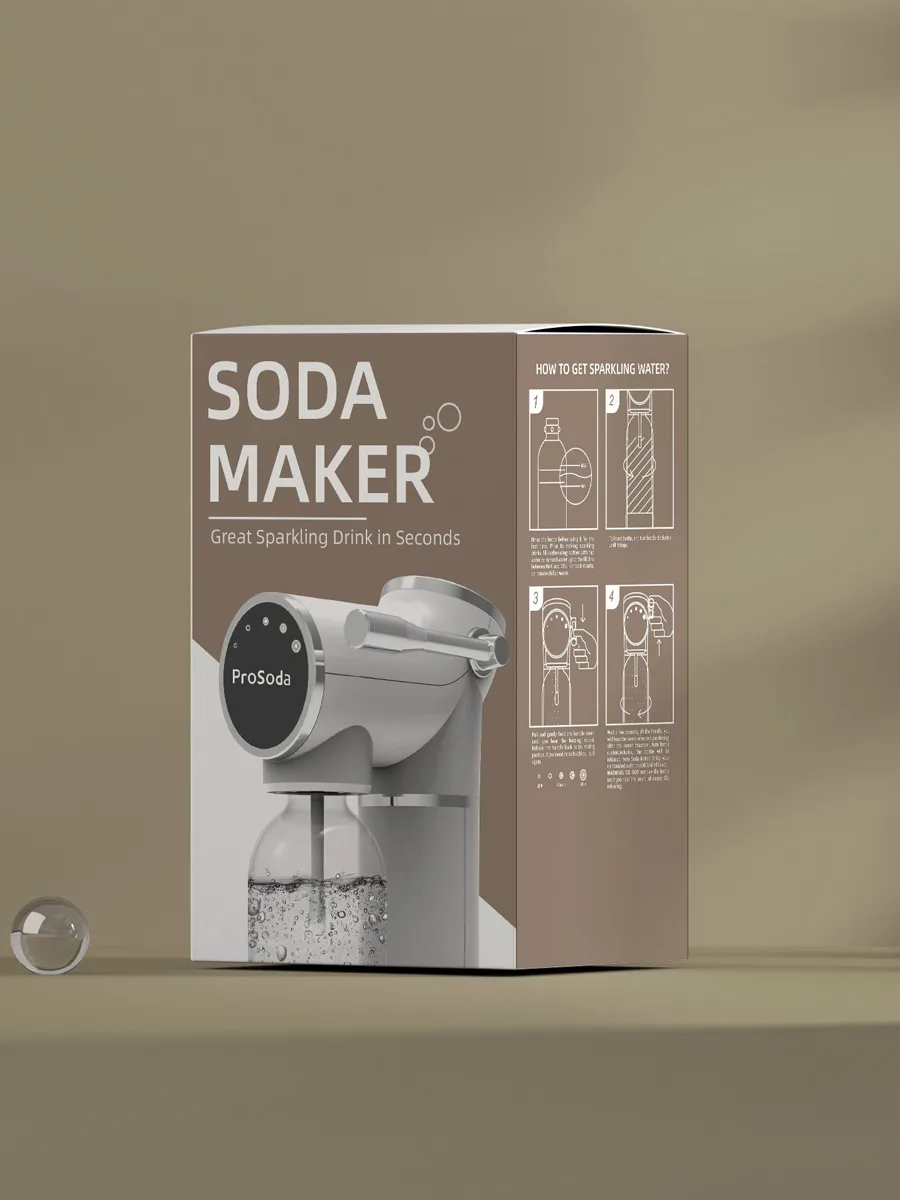
Will it be sold on a retail shelf (color box), shipped via e-commerce (drop-test mailer), or presented as a premium gift?
Bottle & Accessories
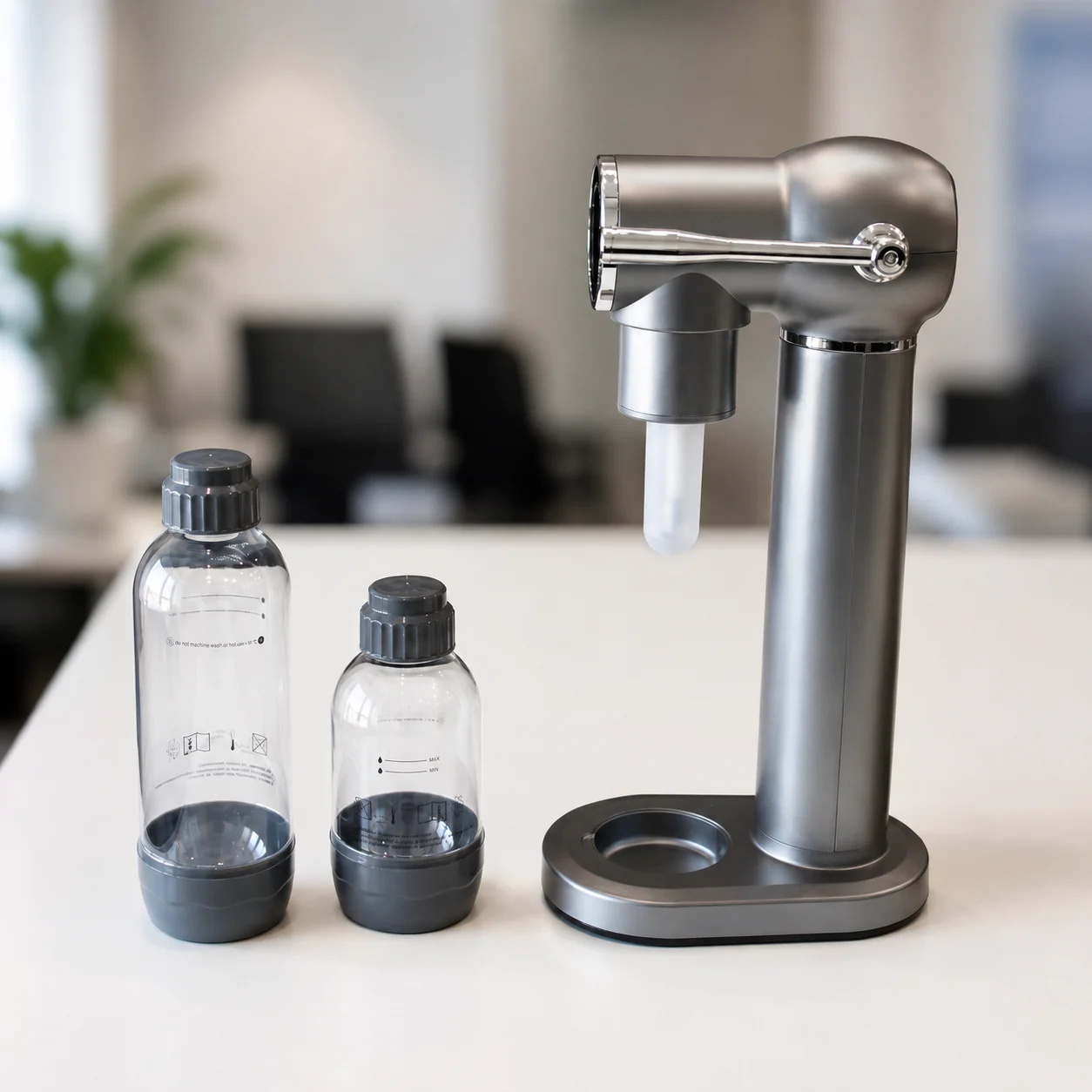
Plan the bundle: standard PET bottles, stainless steel accents, or specific accessory combinations for added retail value.
Cylinder Compatibility
Confirm local CO2 cylinder standards (screw or quick-connect) so consumers can easily access refills in your region.
Compliance & Manuals
Prepare for multi-language user manuals, warning labels, and necessary compliance documents required by your retail partners.
Shelf-Ready Model Selection
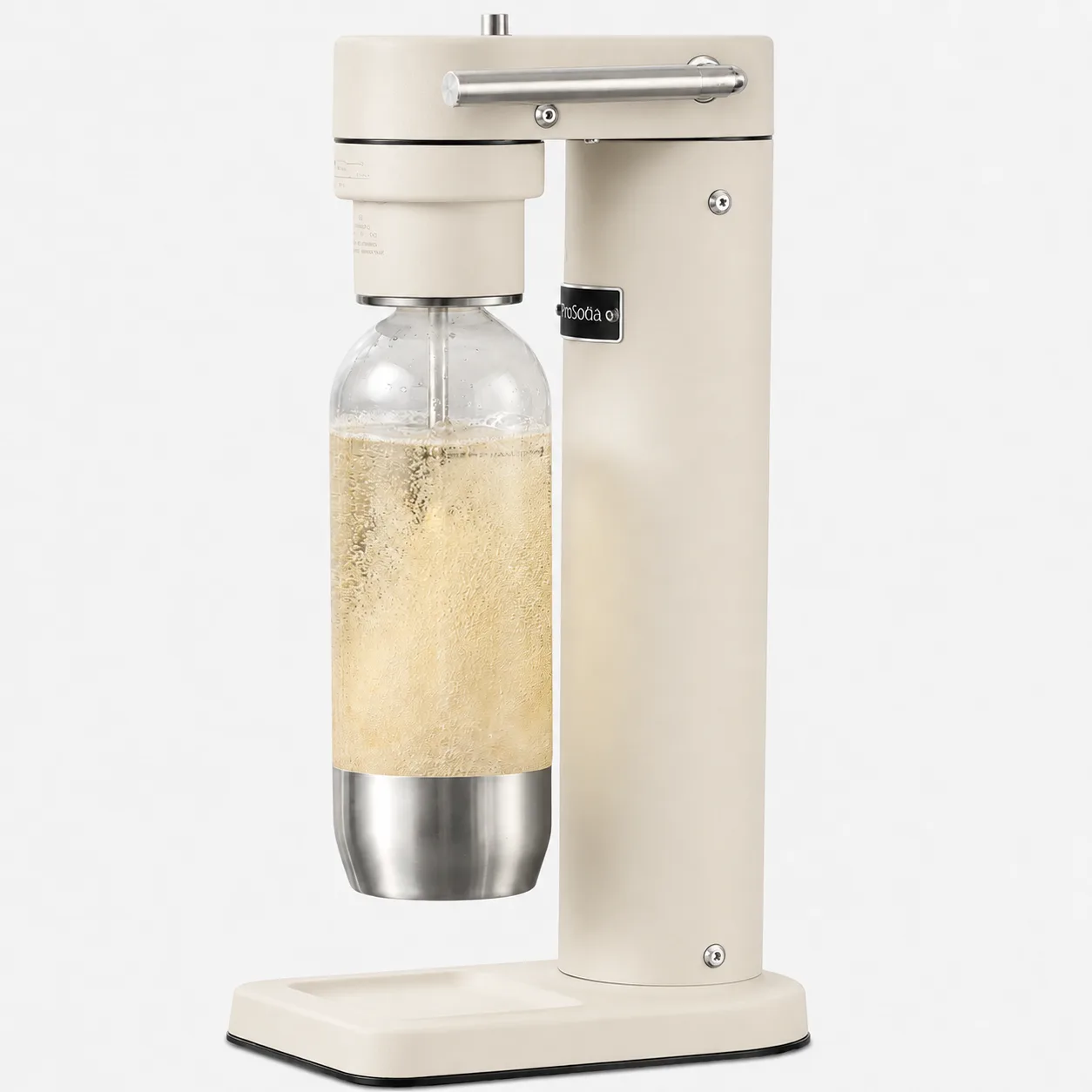
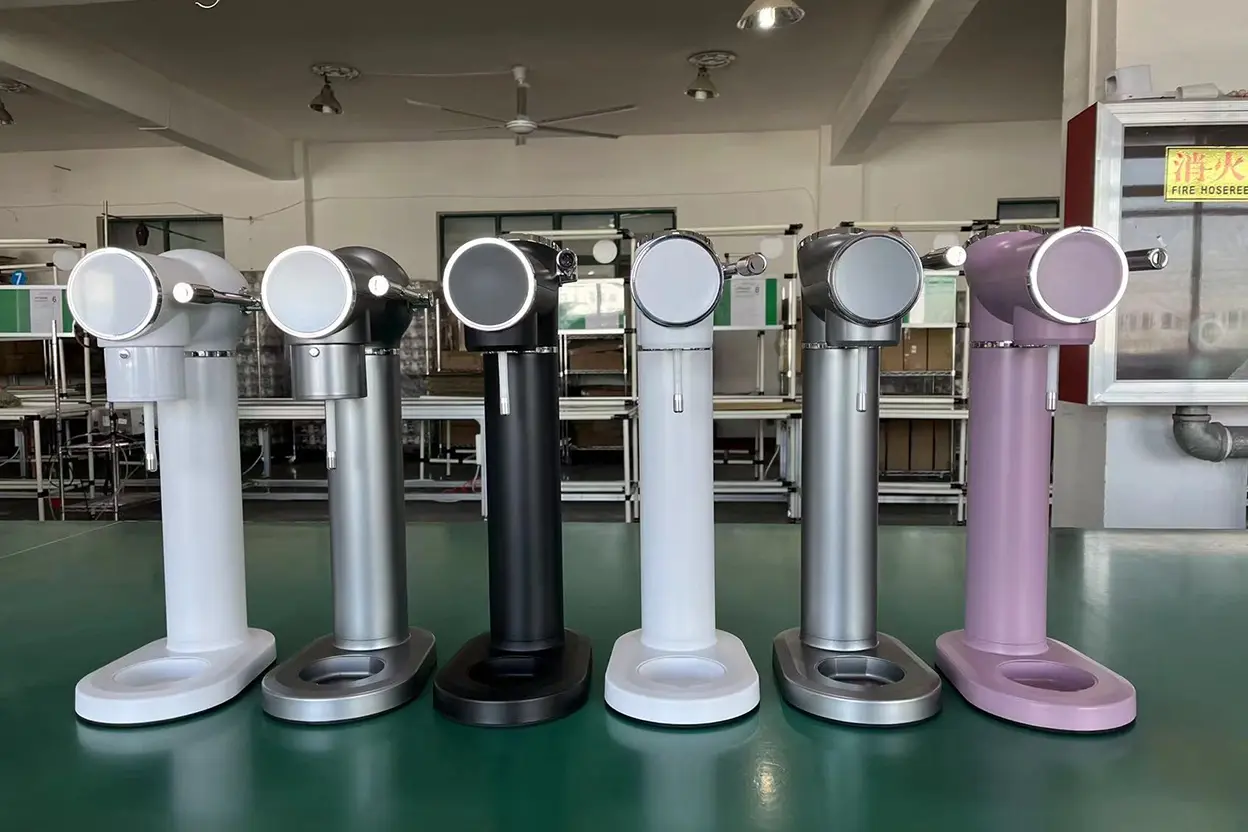
We do not just list specifications; we align models with your retail strategy. Models such as X1, G3, G8, G9, G720, G830, and G15 can be reviewed based on your target price, channel, and brand positioning.
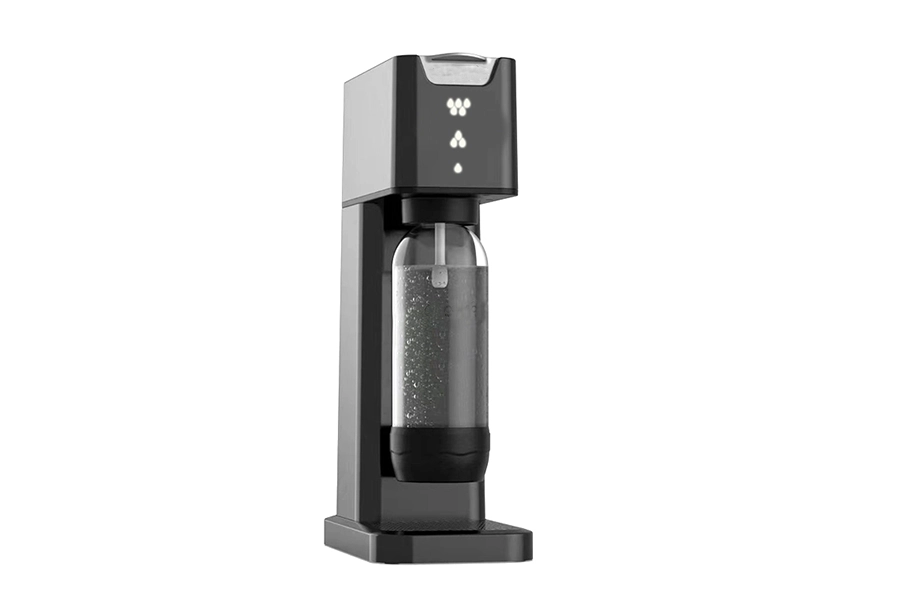
Practical, lightweight models ideal for fast-moving e-commerce and promotional retail channels.
Balanced Value
Mid-Range Private Label
Better finishes, complete packaging options, suited for core brand building and online stores.
High-End Appeal
Premium Retail Line
Stainless steel appearance, strong shelf presence, suitable for high-end kitchenware and gift channels.
Bundle Focus
Accessory-Driven Line
Machine plus extra bottles and cylinder compatibility support to drive higher average order value.
Line Planning
Build a Retail Soda Maker Line, Not Just One SKU
Retail brands usually need a product line that makes sense across price points, sales channels, and customer expectations. A single machine can test the market, but a cleaner line structure helps buyers compare options and helps your team plan packaging, accessories, and reorder strategy.
Starter SKU
Market Test Model
Use a practical home soda maker with clear packaging, simple color choices, and a manageable accessory set. This works well when the brand needs to test demand through Shopify, Amazon, or a first retail partner.
Core SKU
Main Retail Line
Choose a model with stronger shelf presence, stable bottle fit, and enough surface area for branding. This SKU should carry the brand's main sales volume and stay easy for customer service teams to explain.
Upgrade SKU
Gift or Premium Option
A stainless steel or higher-finish model can support gift channels, appliance retailers, or brand campaigns where appearance matters as much as function. It should explain why the higher price exists.
How Cheersoda Helps With Line Decisions
We compare model body style, bottle configuration, accessory plan, packaging space, logo placement, and target channel before suggesting a line structure. The goal is not to push every model into one project; the goal is to avoid overlap between SKUs and keep the buyer's offer easy to understand.
For new brands, we usually suggest starting with fewer SKUs and clearer differences. Once sales data improves, the line can expand into color variants, bundle versions, replacement bottle packs, and seasonal gift packaging without creating a confusing catalog.
Channel Fit
Different Retail Channels Need Different Soda Maker Details
A DTC launch, Amazon listing, offline shelf program, and gift channel do not judge the same product details in the same way. The focus is retail brand decisions, while import paperwork and distributor territory planning belong to their dedicated pages.
DTC Website
DTC buyers need strong product photos, clear usage copy, simple bundle logic, and packaging that feels branded when the customer opens the box at home.
Amazon and Marketplaces
Marketplace buyers care about image clarity, return risk, carton protection, manual quality, replacement bottle availability, and whether the product explanation reduces support messages.
Retail Shelves
Offline retail needs box-front selling points, compact carton size, barcode placement, local language warnings, and a machine design that can be understood quickly on the shelf.
Gift and Lifestyle Channels
Gift channels need better surface finish, cleaner accessories, stronger unboxing presentation, and a product story that fits kitchens, wellness routines, or beverage lifestyle categories.
Branding and Packaging That Matter in Retail
A great machine will fail in retail if the packaging doesn't sell or survive shipping. We work closely with brands to turn private label requirements into production-ready packaging, labeling, and sample checks.
Visual Identity & Compliance
Precise logo placement, Pantone color matching, barcode/SKU label areas, and required multi-language warning labels.
Retail & E-commerce Boxes
Box front selling points, lifestyle image suggestions, and structured inner protection designed for e-commerce delivery drop tests. Learn about packaging.
User Experience
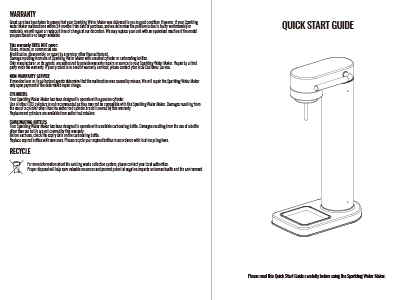
Clear user manuals, quick start guides, and bottle-use reminders to reduce after-sales questions and improve customer satisfaction.
Avoiding Common Retail Launch Risks
Sourcing a generic product often leads to retail failure. Here is how Cheersoda protects your brand reputation.
Risk: Choosing solely by price
A cheap machine may look fine in photos but feels flimsy on the shelf, leading to high return rates.
Cheersoda Solution:
Strategic model matching based on channel expectations and hands-on sample confirmation before orders.
Risk: Packaging fails shipping
Beautiful retail boxes often lack the inner structure to survive courier networks for DTC brands.
Cheersoda Solution:
Packaging structure review and shipment packing design based on e-commerce drop-test requirements.
Risk: Unclear user manuals
Poorly translated or vague manuals increase customer frustration and after-sales support tickets.
Cheersoda Solution:
Provision of clear, multi-language quick start templates and pre-production manual confirmation.
Risk: No spare parts plan
Selling machines without planning for replacement bottles or seals damages long-term brand trust.
Cheersoda Solution:
Spare parts planning and accessory supply for long-term retail partners.
Important: CO2 Cylinder Compatibility for Retail
Retail customers care deeply about where to get CO2 refills. Brand owners must confirm local cylinder standards before launching. We help review valve types and machine compatibility so your product works with cylinders available in your target market.
Read our compatibility guide.
Sample Review Process for Retail Brands
A sample is not just a machine; it is the confirmation of your retail sales plan. See full sample guide.
1
Share Positioning
Provide target channel and brand positioning details.
2
Select Model
Choose the machine and bottle/accessory set.
3
Confirm Branding
Define color, logo placement, and packaging direction.
4
Review Sample
Test function, appearance, and packaging quality.
5
Finalize Order
Confirm bulk order details before mass production starts.
Retail Assets
What a Retail Brand Should Prepare Before Launch
A retail soda maker project moves faster when the buyer prepares brand and channel information before asking for a final quote. This also helps the factory avoid quoting the wrong packaging, wrong bottle set, or wrong compliance route.
Cheersoda can support the product side, but the brand side still needs clear decisions from the buyer: target market, retail price band, sales channel, brand tone, box language, warranty plan, accessory bundle, and whether the first order is for market testing or ongoing retail supply.
Recommended Buyer Asset Checklist
1
Brand logo files, Pantone color reference, and any existing packaging or style guide.
2
Target country, sales channel, expected retail price range, and first order planning quantity.
3
Preferred soda maker model direction: entry, core retail, stainless steel, or accessory-focused bundle.
4
Packaging language, barcode/SKU plan, manual language, warning label requirements, and carton mark rules.
5
CO2 cylinder standard or local refill plan, especially for markets where customers already use a known cylinder system.
Sample Approval
Sample Review Points for Retail Brand Buyers
The sample stage should check the real selling version, not only a bare machine. For retail brands, the approval should include product feel, packaging, user instructions, accessory fit, and the first impression a buyer gets when opening the box.
Appearance and Finish
Check body color, surface texture, visible seams, button feel, logo position, and whether the model looks consistent with your brand category.
Carbonation Use Feel
Review the carbonation button, bottle locking feel, stability on the countertop, and whether first-time users can understand the operation quickly.
Bottle and Accessory Match
Confirm PET bottle style, cap fit, bottle quantity, spare seal planning, and whether accessory packs match the selling bundle.
Retail Box Structure
Review box front hierarchy, inner protection, insert structure, carton strength, barcode area, and whether the packaging can survive the chosen sales channel.
Manual and Labels
Check manual language, quick-start steps, safety reminders, bottle-use notes, warning labels, and any retail partner labeling requirements.
Production Readiness
Confirm approved sample details, inspection points, spare parts plan, carton information, and the change list before mass production starts. For the full OEM process behind these steps, see our OEM soda maker manufacturer page.
How the Retail Brand Range Fits the Cheersoda Site
Retail brand range
Helps retail and DTC brands plan a home soda maker product line, product positioning, packaging direction, and sample review points.
Private label page
Should go deeper into logo, color, tooling, artwork, and customization details. Use the private-label page when you need detailed logo, color, tooling or artwork decisions.
Importer page
Should handle import process, documents, trade terms, and shipment planning. Importer pages cover documents, trade terms and shipment planning.
Distributor page
Should focus on channel coverage, repeat supply, regional stock, and partner support. Distributor pages cover channel coverage, repeat supply and regional stock.
Factory Proof for Retail Brand Buyers
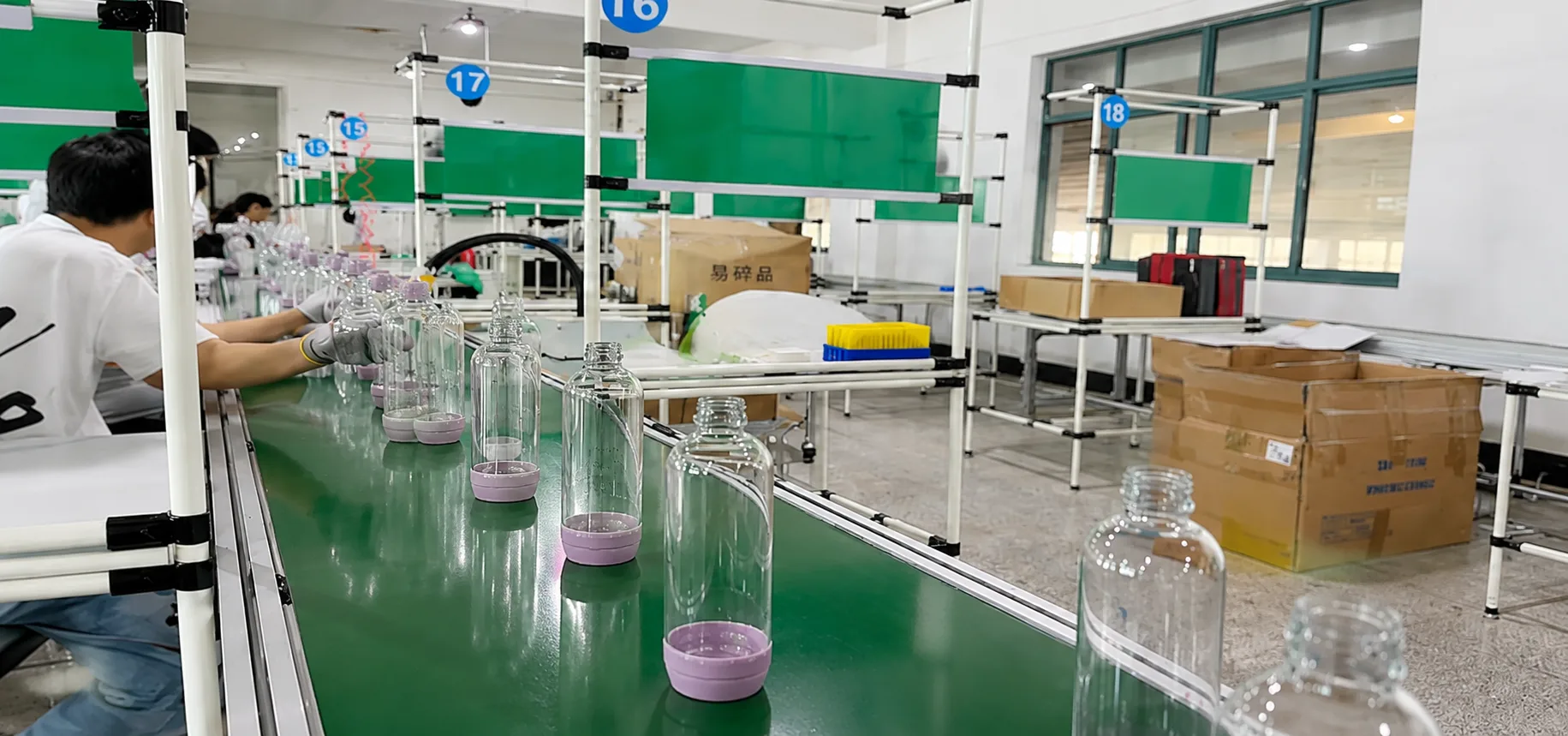
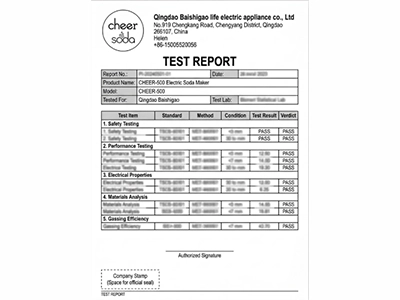
Consistent quality is a basic requirement for retail buyers. Our factory operations and compliance checks help make sure every batch meets the agreed standard.
Strict carbonation function and leakage checks
Bottle fit and pressure-related parts testing
Surface finish and packaging inspection
Batch traceability and spare parts support
Retail Brand Inquiry Checklist
To help us provide an accurate quote and project proposal, please prepare the following information when contacting us.
Target Market & ChannelWhere will it be sold?
Expected Order QuantityInitial and repeat forecasts
Preferred Model StylePlastic, stainless, or specific series
Target Retail PriceHelps us align the configuration
Plan After-Sales Support Before the First Shipment
For retail brands, the first shipment is only the start. A soda maker line also needs spare parts thinking, replacement bottle planning, carton record control, batch traceability, and clear communication when the brand prepares a reorder.
This is one reason we keep the retail brand page separate from a general product page. The buyer is not just asking what the machine is; they are asking whether the product can stay stable across multiple purchase cycles.
Spare Parts
Plan seals, bottle caps, key user-facing parts, and possible after-sales support items before retail launch.
Replacement Bottles
Decide whether bottles are included only with the machine or sold later as accessory packs.
Batch Records
Keep approved sample records, packaging files, carton marks, and inspection points aligned for repeat orders.
Reorder Control
Review any color, packaging, accessory, or manual change before repeating production.
Common questions from retail brands planning their soda maker product line.
Can Cheersoda manufacture soda makers for my retail brand?
Yes, Cheersoda specializes in OEM and private label manufacturing for retail brands, DTC sellers, and home appliance companies. We help configure the machine, packaging, and accessories to match your brand positioning.
What is the best soda maker model for a new retail brand?
It depends on your target retail price and channel. For entry-level e-commerce, practical lightweight models work best. For premium gift or boutique retail, stainless steel models with high-end finishes are recommended.
Can I customize the color, logo and packaging?
Yes. We support custom Pantone color matching, logo printing (silk screen, pad printing, or metal badges), and retail packaging design including manuals and master cartons.
Can you help with retail packaging design requirements?
While you provide the artwork, we supply the die-cut templates and advise on structural integrity (drop tests for e-commerce), barcode placement, and required warning labels for retail shelves.
Do you support small trial orders for retail brands?
MOQ depends on the specific model, customization depth, and packaging requirements. Cheersoda's standard MOQ is 300 units. We understand retail brands need to test the market and can discuss realistic initial order quantities for long-term partnerships.
Can I order samples before confirming mass production?
Yes, a sample review is a recommended step before mass production. We provide functional and appearance samples so you can check the product against your retail standard.
Do you provide bottles and accessories with the soda maker?
Yes, we can bundle PET bottles, stainless steel bottles, or specific accessories based on your project requirements. The exact configuration is confirmed during the sample phase.
How do retail brands handle CO2 cylinder compatibility?
We review your target market and check whether the soda maker valve matches standard local CO2 cylinders (e.g., screw-in or quick-connect) so your customers can find refills more easily.
Do you sell directly to consumers?
No, Cheersoda is a strictly B2B manufacturer. We do not sell single units to end consumers, ensuring we do not compete with our retail brand partners.
Can Cheersoda help with long-term repeat orders?
Yes, we provide batch traceability, consistent quality control, and spare parts planning to support stable supply and after-sales service for ongoing retail operations.
Will the product look different from every other soda maker online?
This depends on model selection, surface finish, color planning, logo placement, packaging design, and product photography direction. For a new retail brand, small but visible differences often matter more than complex tooling changes at the beginning.
Will customers understand how to use the soda maker?
Retail buyers should review the manual, quick-start card, bottle reminders, CO2 cylinder explanation, and packaging copy. A product that is easy to explain usually receives fewer basic support questions after launch.
Can the same product line support later expansion?
A good retail line leaves room for new colors, bundles, seasonal packaging, replacement bottle packs, and a higher-end model. The first launch should not block future retail growth or force the brand to restart from a completely different machine structure.
Ready to Plan a Shelf-Ready Soda Maker Line?
Send your target market, channel, model preference, quantity, and packaging idea. Cheersoda will help review a suitable OEM soda maker plan for your brand.
sales@customsodamaker.com
+86 15005520056
No. 919 Chengkang Road, Chengyang District, Qingdao City, Shandong, China