Bottle does not seat or lock correctly
Check the bottle collar, base, cap, guide or locking interface. Send a side photo of the bottle installed on the machine and a close photo of the contact area. Capacity alone is not enough to confirm fit.

Source replacement parts by model and revision. Review the service BOM, seals, failure records and batch requirements before confirming a repeat order.
A reliable spare parts supplier provides specific replacement components designed to maintain or repair existing carbonation machines. The supply scope typically includes confirmed valve assemblies, pressure relief components, food-grade seals, connectors, bottle caps, bases, and in-box accessories tailored to specific models.
Because carbonation systems operate under pressure, parts are rarely universal. The actual available inventory depends entirely on the machine model, interface type, material requirements, and after-sales purpose. Buyers must submit the exact model number, detailed photos, old-part dimensions, target batch quantities, and destination market requirements. Only after reviewing these details can a supplier confirm the physical fit, appropriate material compliance, and suitable batch packaging methods for your replacement program.
Review our primary supply categories for B2B replacement and accessory planning. Every category requires specific technical confirmation before production or packing.
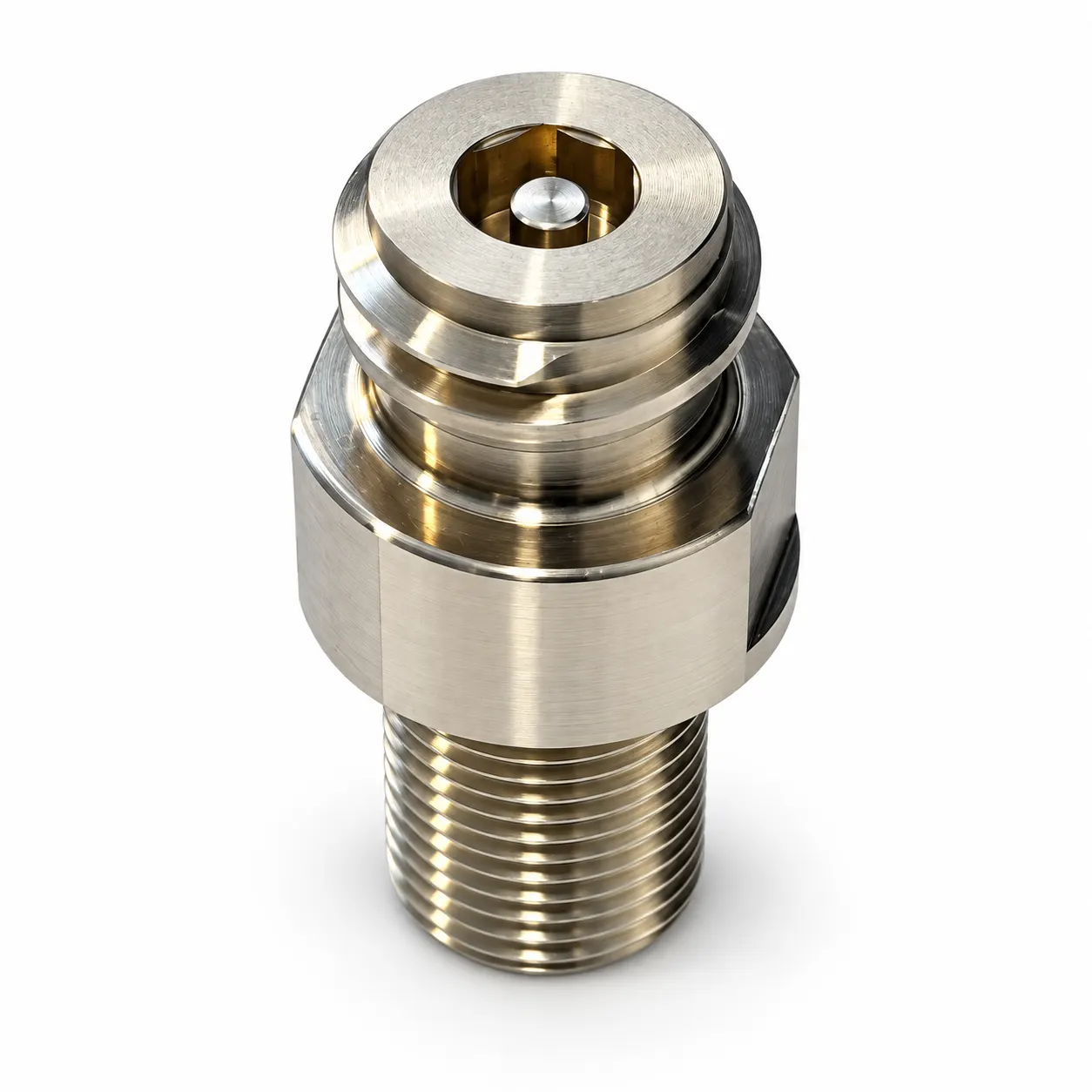
Carbonation and pressure relief components for internal mechanics.
Typical use: Core functional repair.
Buyer confirmation: Valve type, thread specification, pressure boundary, and target machine model.
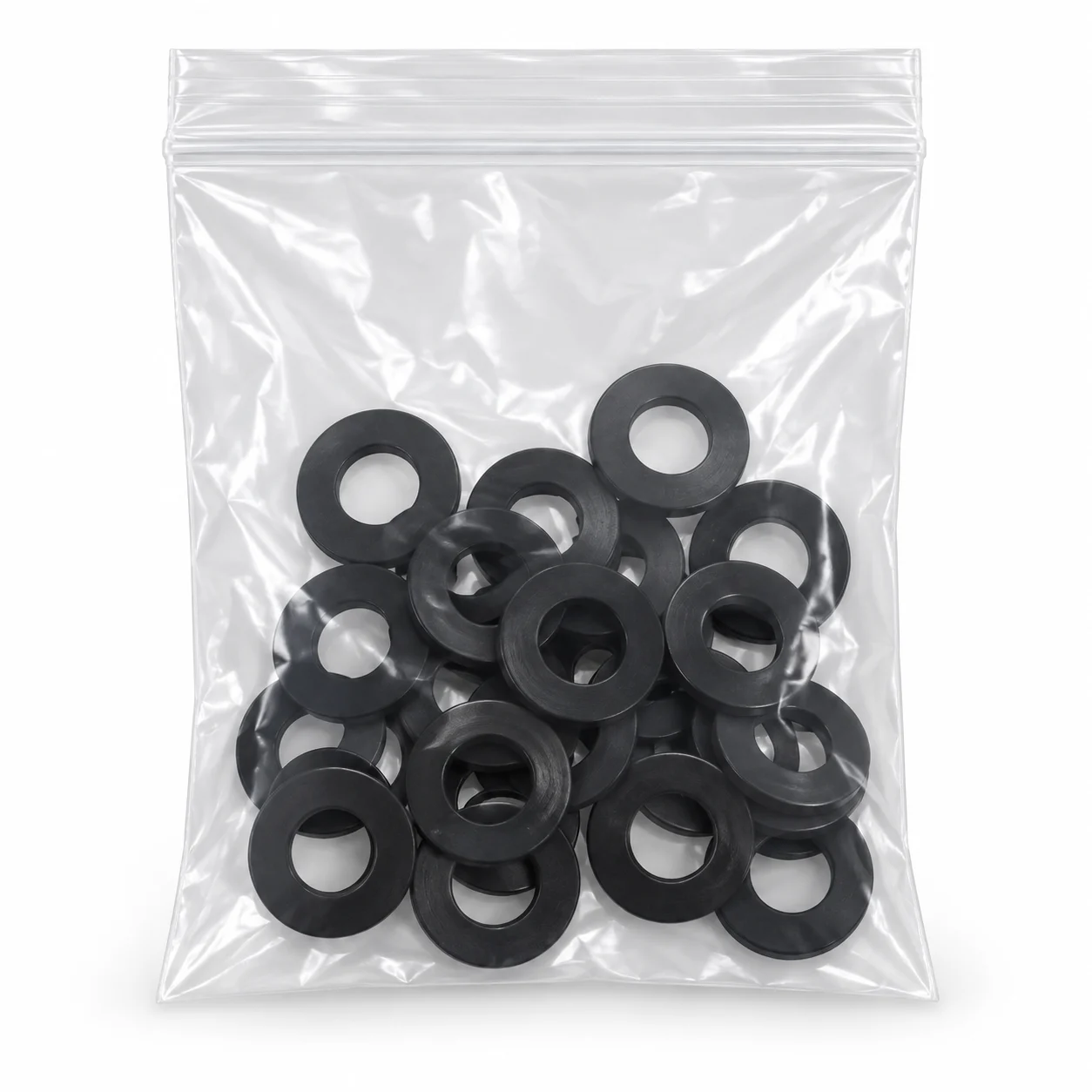
Elastomer components designed for pressure containment and leak prevention.
Typical use: Wear replacement and maintenance.
Buyer confirmation: Material grade, cross-section dimensions, pressure rating, and food-contact requirements.
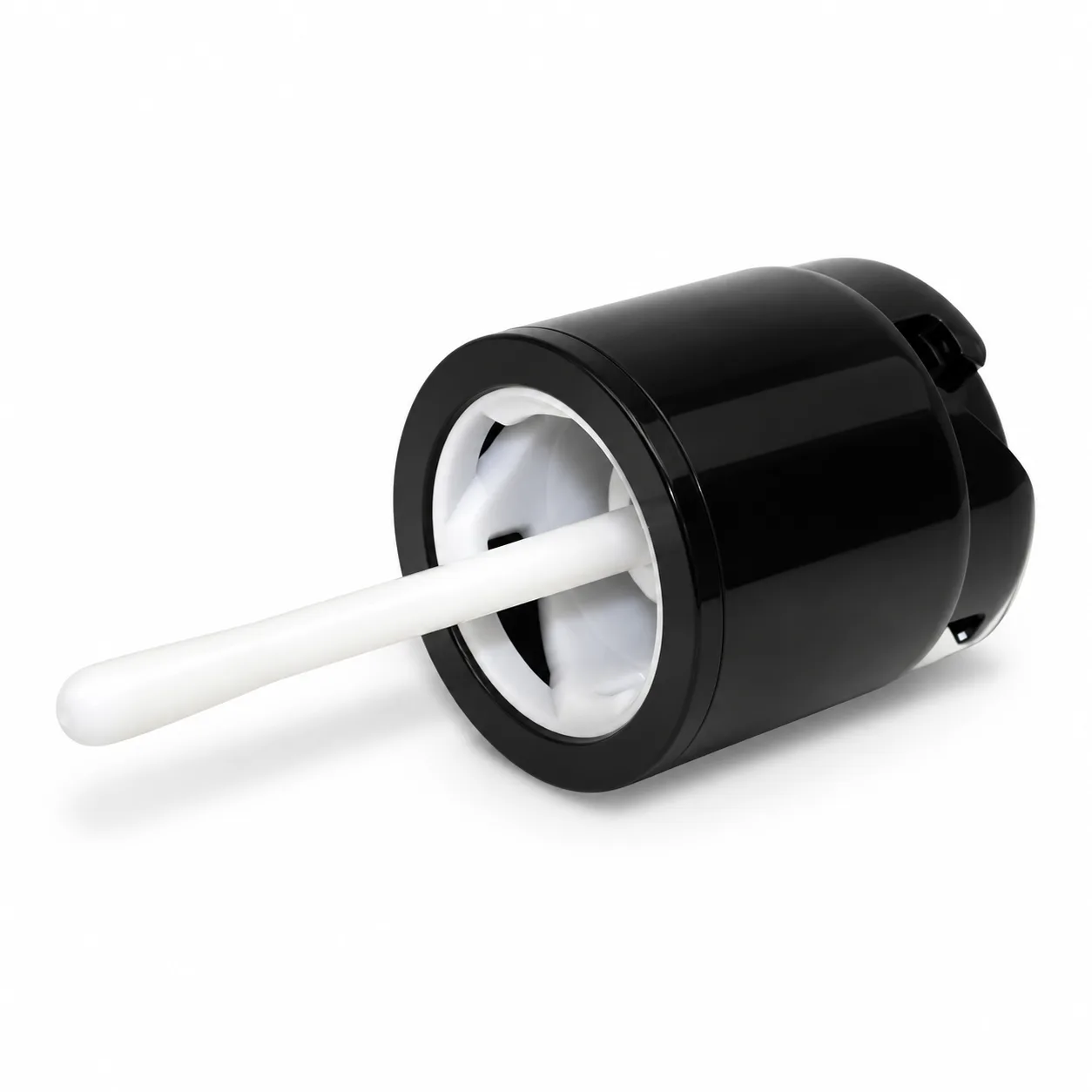
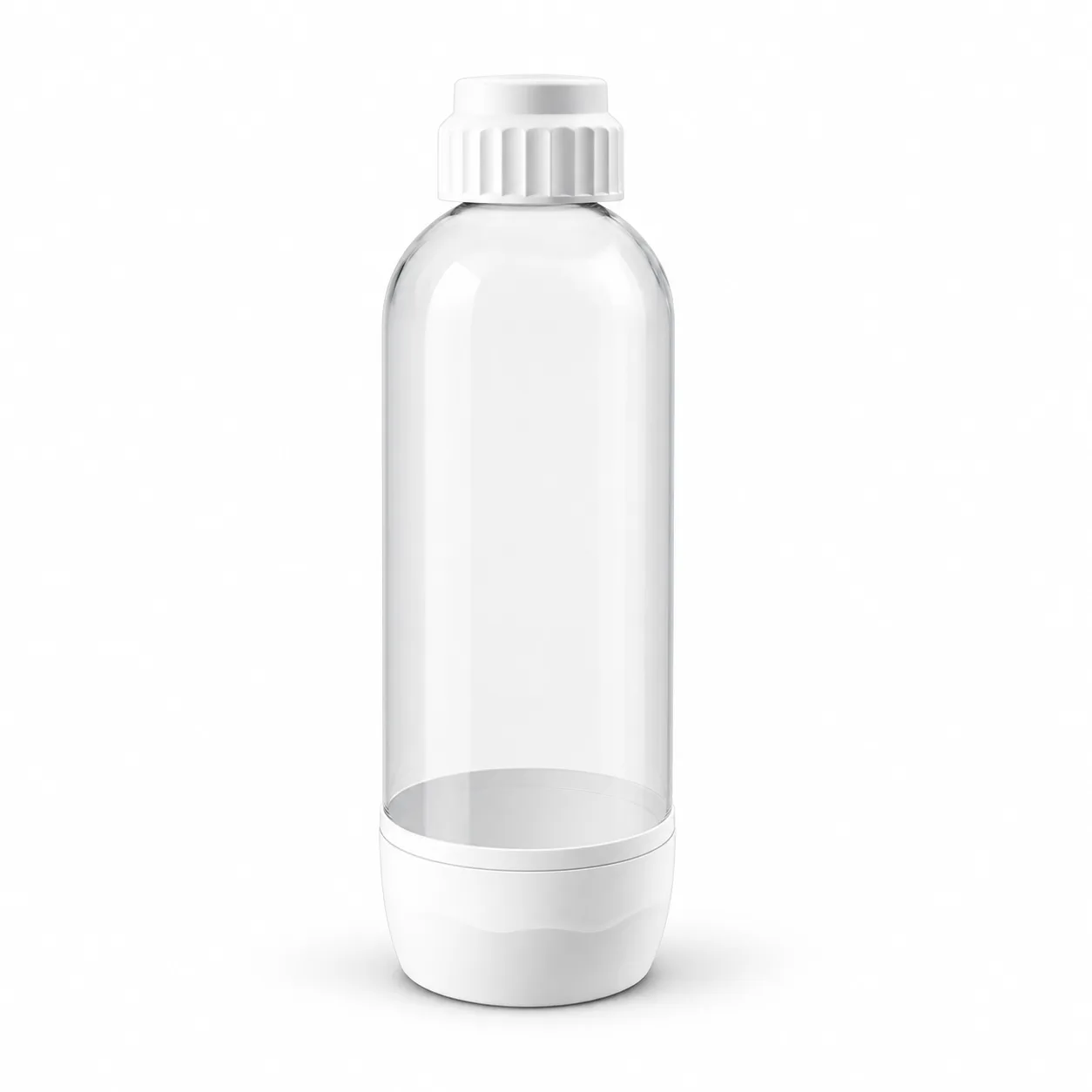
Bottom covers, top caps, and alignment structures for carbonation bottles.
Typical use: Accessory bundles and bottle refurbishment.
Buyer confirmation: Bottle shape, volume, thread pitch, or snap-fit structure details.
Internal routing elements for gas flow between the cylinder and valve.
Typical use: Deep internal repair.
Buyer confirmation: Inner diameter, outer diameter, length, and specific connection method.
User-facing operational controls and housing attachments.
Typical use: Cosmetic repair and mechanism fixing.
Buyer confirmation: Color matching, surface finish, mounting structure, and production version.
Supplementary items intended to be packed with the main replacement part.
Typical use: Complete kit creation for end-users or technicians.
Buyer confirmation: Instruction language, barcode formatting, kit quantity, and after-sales channel.
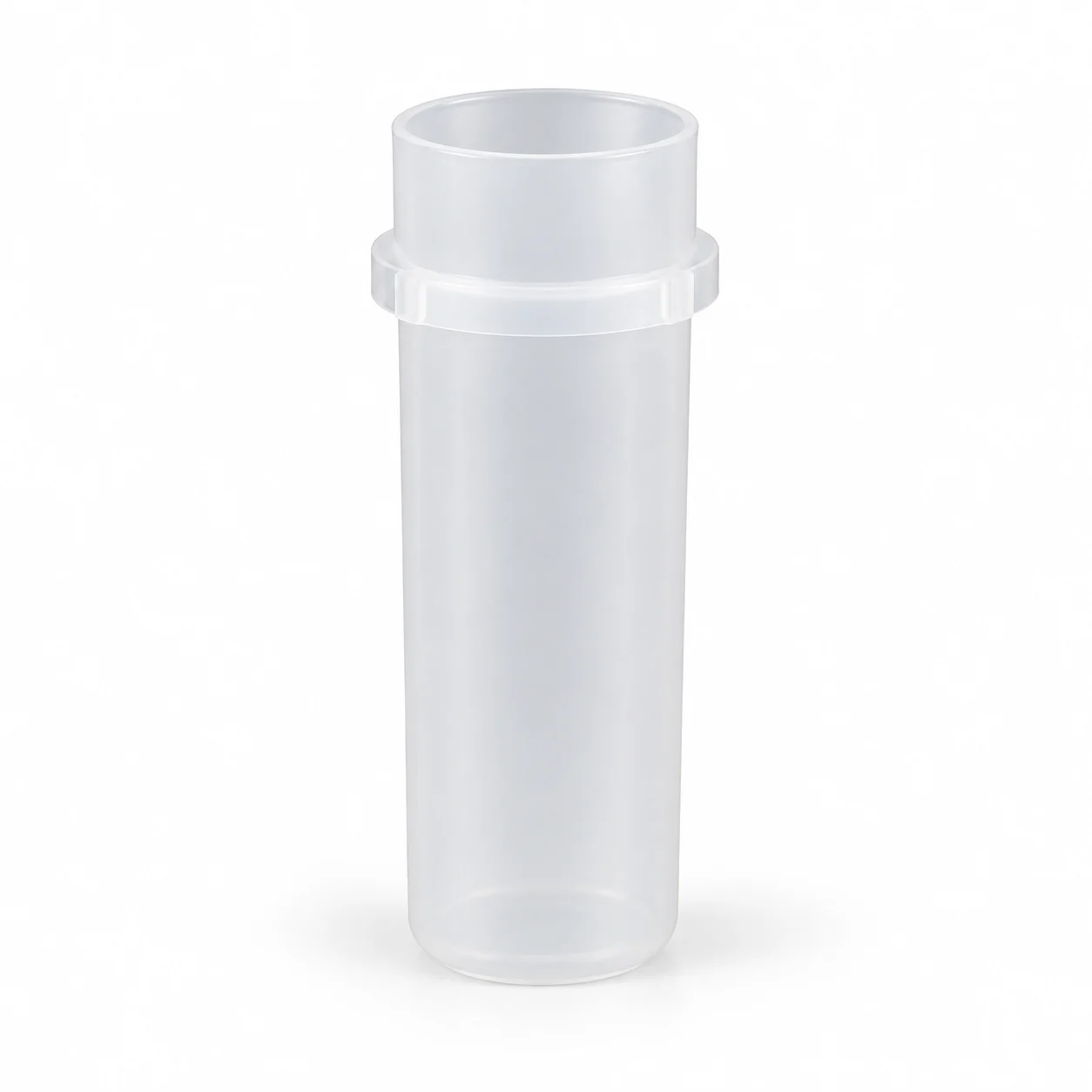
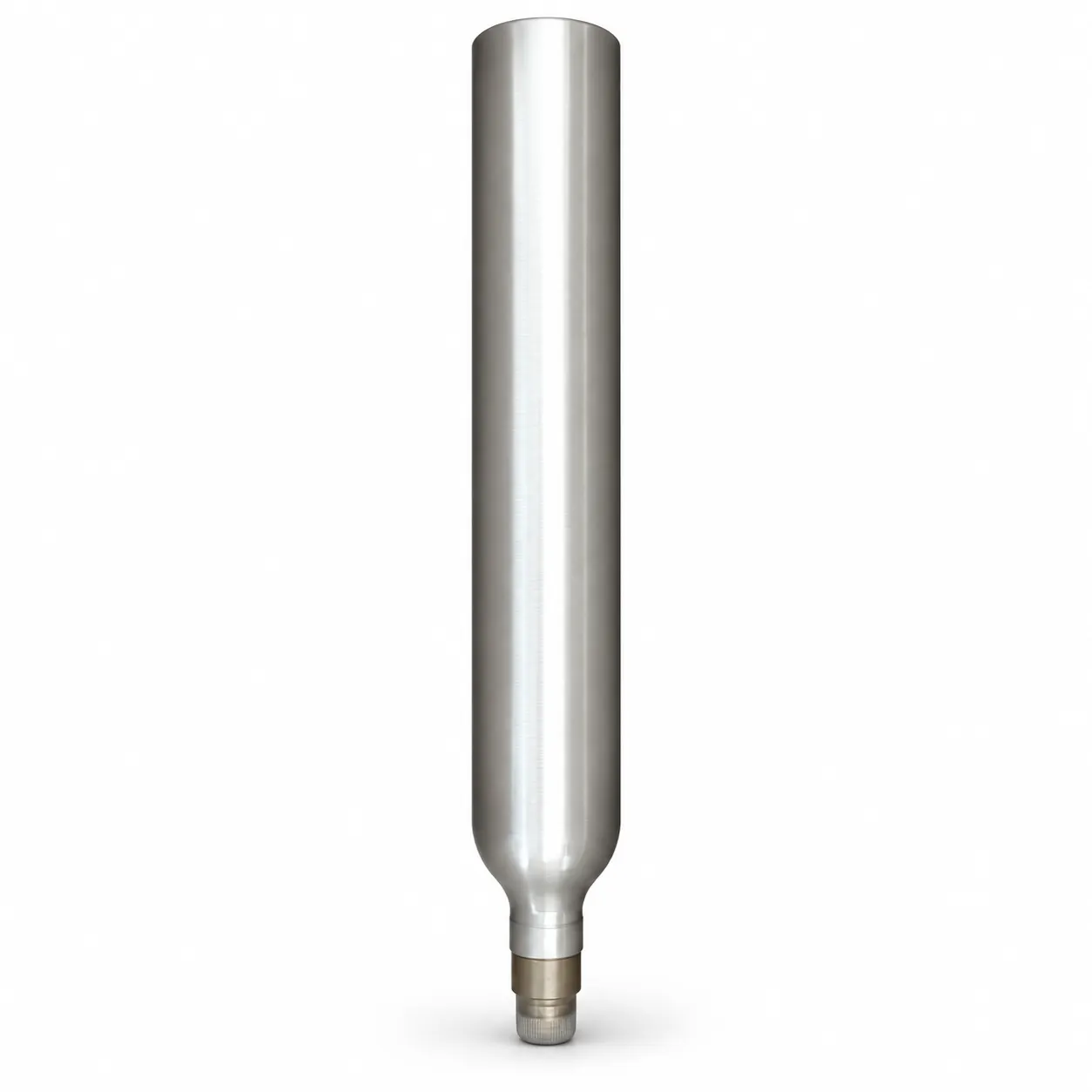
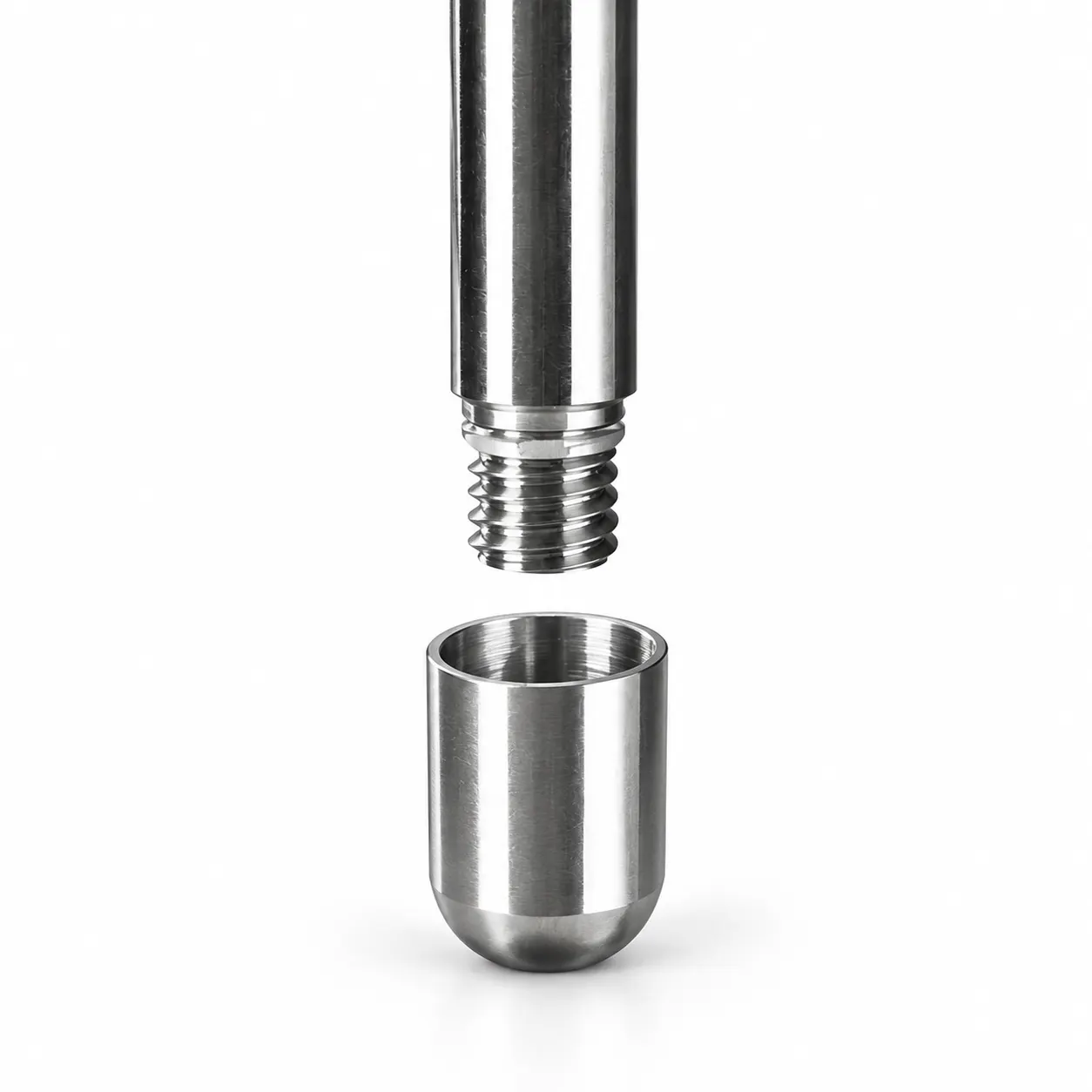
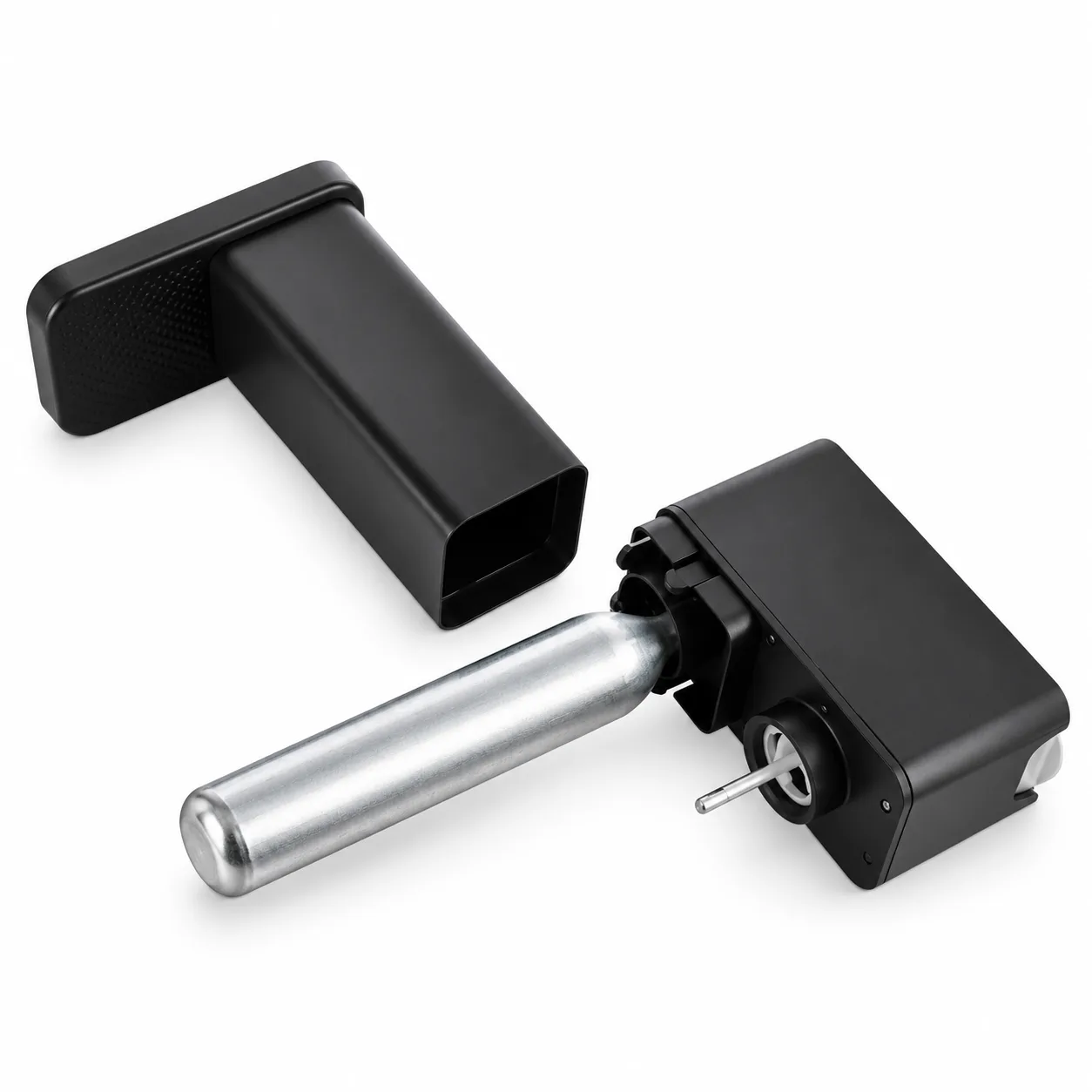
Procurement risk is controlled through a strict verification process. We do not assume universal fit. Every request goes through engineering evaluation to ensure the replacement component matches your specific machine version.
Buyer sends the exact soda maker model number, clear photos of the old part, and the intended B2B application.
Our engineering team checks the mechanical interface, dimensions, specified material, and assembly position against technical records.
The supplier confirms whether an existing standard part fits, if a minor revision is required, or if new tooling is needed.
A physical sample or first article is provided and reviewed by the buyer to verify form, fit, and function before batch packing.
The approved part number, agreed quantity, labeling format, and replacement instructions are permanently recorded for consistent repeat orders.
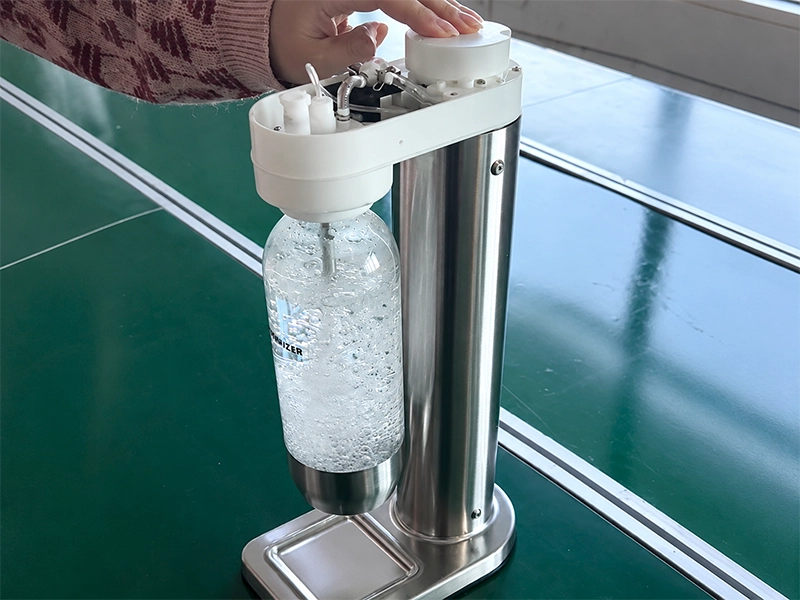
Providing comprehensive information upfront accelerates the evaluation process. Note that when photos are insufficient for dimensional analysis, final compatibility must be confirmed through physical samples or technical drawings.
We structure our component supply to support different business models, ensuring parts are delivered in the correct format for their intended use.
When launching a new private-label soda maker, brands strategically include essential spare parts—such as replacement bottle caps, base components, extra food-grade seals, and instructional inserts—into the initial production run. By planning these accessory bundles alongside the main machine assembly, brands significantly reduce post-launch logistics confusion and ensure consumers have immediate access to necessary maintenance items, improving the overall product experience and brand reliability.
Importers and national brands establish structured replacement kits based on the specific machine models they have already sold into the market. This program categorizes inventory into high-frequency consumable wear items (like O-rings and gaskets) versus long-term structural components (like valves and levers). By maintaining a traceable supply of accurate, model-specific parts, importers can fulfill warranty claims efficiently and support their localized repair centers without compatibility guesswork.
Regional wholesale distributors plan their service stock based on geographic demand, historical machine sales, and seasonal requirements. Effective service stock management requires strict separation of components; different valve iterations or bottle fitments are never mixed in bulk packaging. We support distributors by providing clearly labeled, batch-packed inventory that aligns with their internal SKU systems, ensuring local technicians receive the exact component needed for swift field repairs.
Proper organization is critical for B2B supply. We structure spare parts by approved part number, model family, and requested quantity per bag or box.
Specific details such as UPC/EAN barcodes, language inserts, exact carton marks, and container loading quantities can be planned and confirmed during the quotation phase based on your documented requirements.
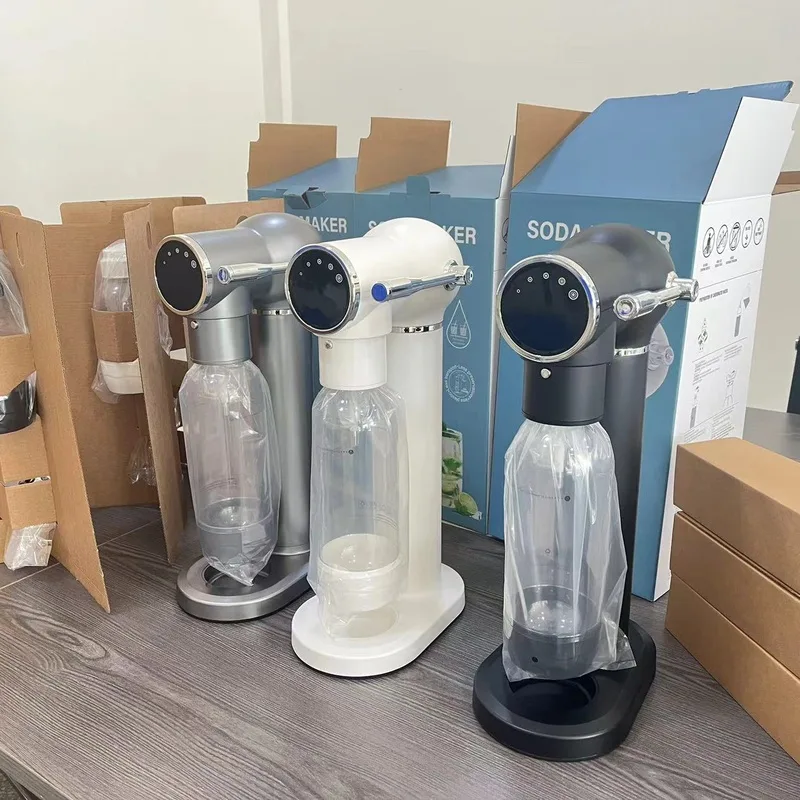
We implement factory-level processes to verify that replacement components meet the agreed specifications before they are shipped to your facility.
Note: Specific pressure, leakage, food-contact, or regulatory certification tests are only provided when corresponding parts and authentic records exist for your exact order.
Factory evidence
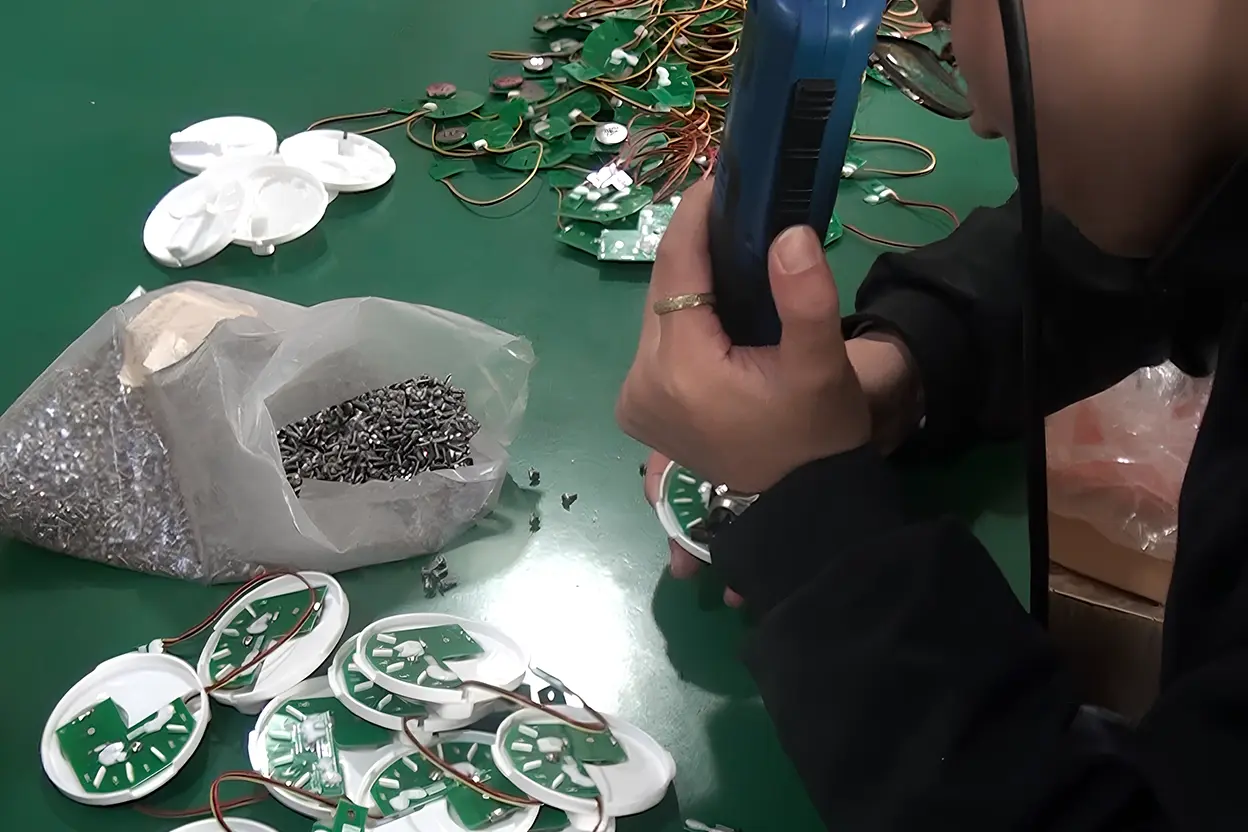
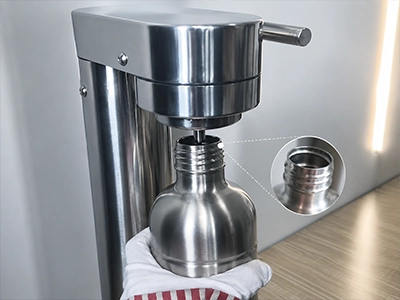
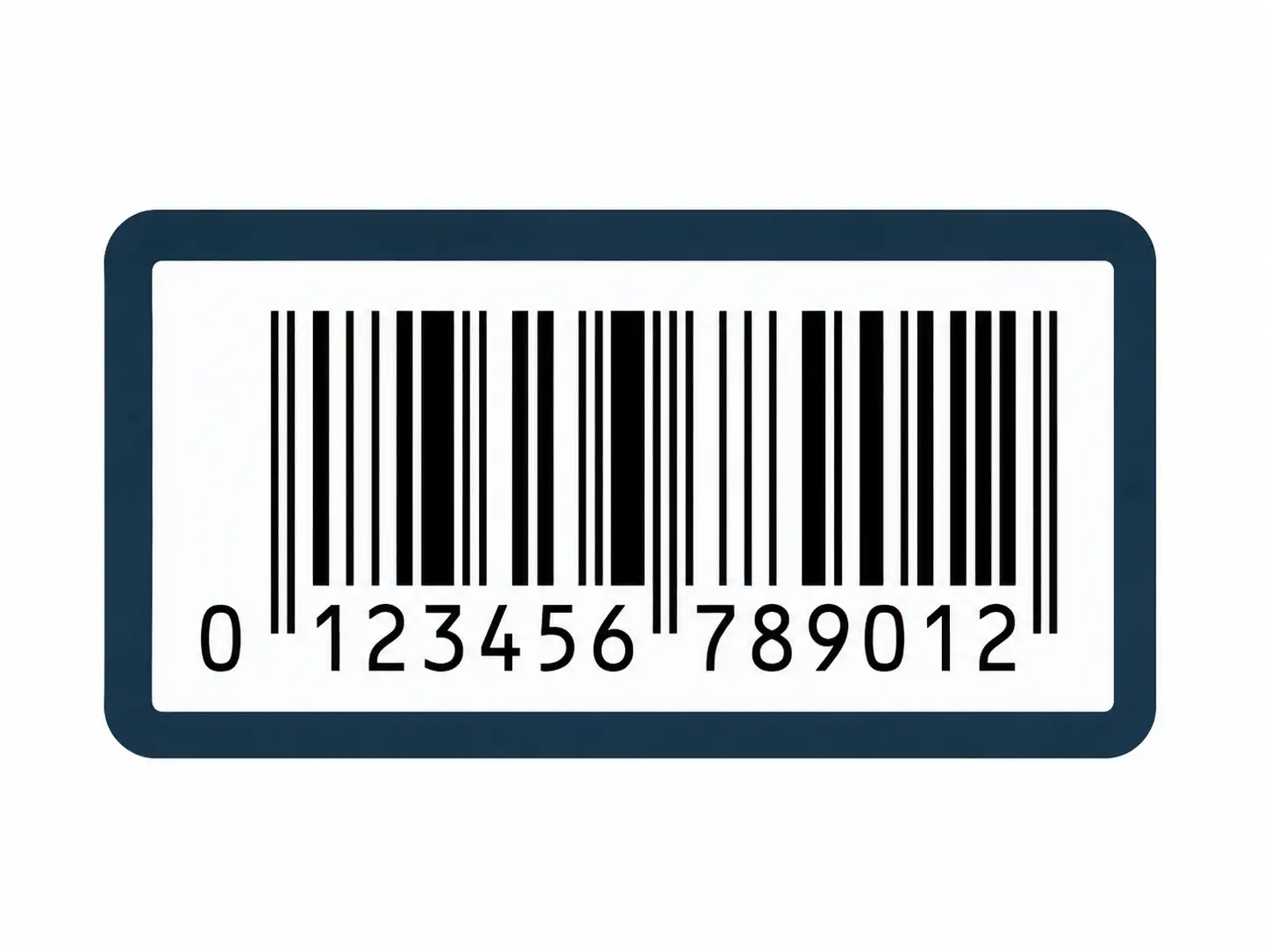
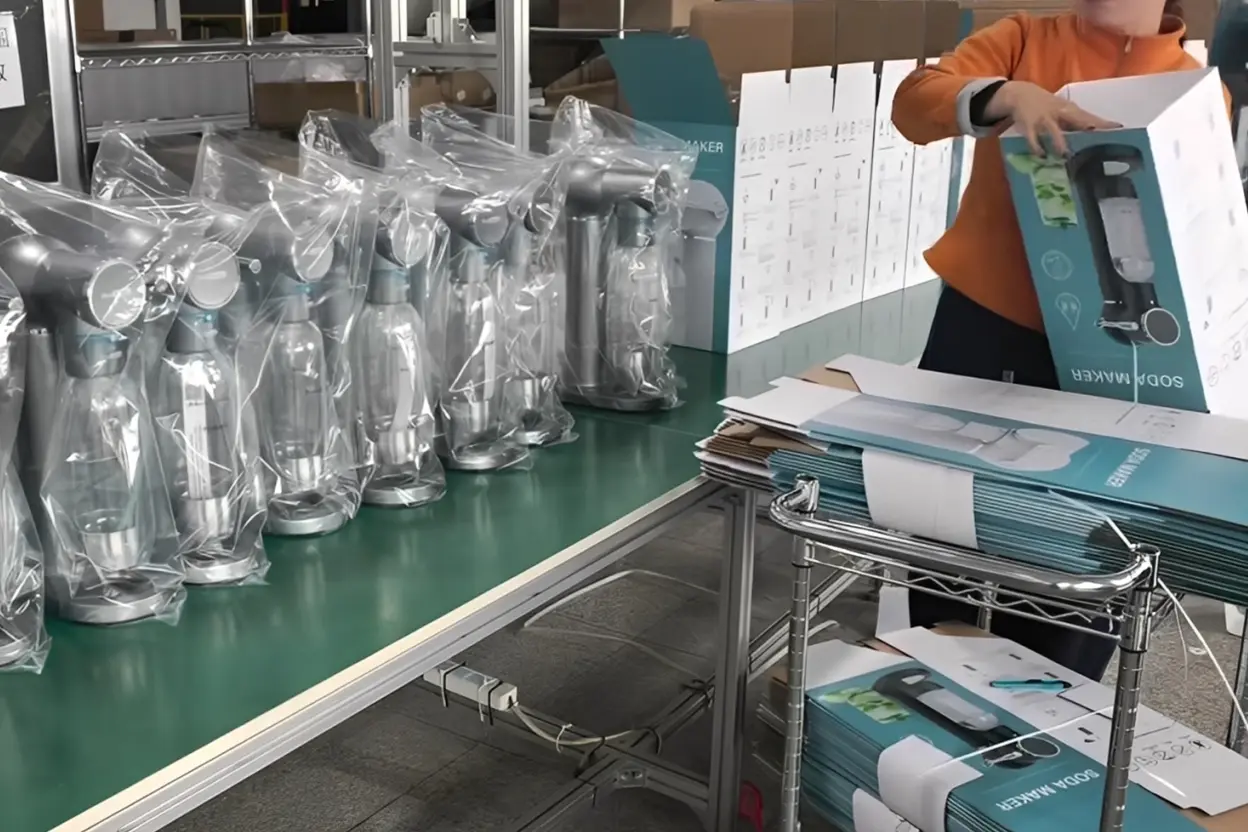
Replacement parts are reviewed against the machine version, interface, dimensions and packing reference before a repeat order is prepared. The images below show related assembly, identification and packing operations; the final part fit is confirmed against the buyer's sample or drawing.
Video evidence
This factory video provides context for how soda maker components move through assembly and packing. It does not replace model-specific approval: buyers should still send part photos, dimensions and the target quantity for a formal compatibility review.
Buyer decision guide
A replacement part is not selected by name alone. The same description can refer to different threads, dimensions, materials or machine revisions. Use the table below to decide what information should be confirmed before a sample or production request is issued.
| Buyer situation | Recommended route | Information to confirm |
|---|---|---|
| A part must replace a failed installed component | Existing-part matching | Model version, photos, dimensions, interface and failure symptom |
| A distributor wants a service-stock kit | Approved replacement pack | Part list, units per kit, model coverage, labeling and replenishment quantity |
| A private-label brand needs branded inserts | Retail or service packaging review | Language, barcode, artwork, warning copy and pack-out sequence |
| The original part is unavailable | Engineering revision review | Drawing or sample, material requirement, clearance and test criteria |
The symptom-to-part table is a starting point for a technical review, not a diagnosis. A leak, loose connection or difficult bottle fit can come from assembly position, wear, an incorrect replacement or a different model revision. Confirm the actual cause before approving a large replacement quantity.
Check the bottle collar, base, cap, guide or locking interface. Send a side photo of the bottle installed on the machine and a close photo of the contact area. Capacity alone is not enough to confirm fit.
Check the seal, gasket, O-ring, connector and valve seating surface. The review should record where the leak appears, whether the part is new or used, and whether the issue follows the component when moved to another approved sample.
Check the external operating part, pin, spring, fastening point and internal linkage. A photo of the complete mechanism is more useful than a request for a generic replacement handle.
Check the part number, model family, revision record and outer-carton label. Separate similar-looking components by approved reference instead of relying only on appearance or color.
Repeat-order control
A repeat order becomes easier when the approved sample and its packing reference are treated as the baseline. Keep the model family, part number, revision, material, color, quantity per pack and inspection notes together. This reduces the risk of sending a visually similar item that fits a different machine version.
For service programs, the same record can support spare-stock planning, distributor instructions and replacement inquiries. If a component changes, record the reason and request a new approval before mixing revisions in one shipment.
Before requesting a quotation, prepare the following information. A complete request usually receives a more useful compatibility answer than a message that only says “need soda maker parts”.
Model, version, existing part number and production period.
Installed-part photos, removed-part photos and a simple measurement reference.
Sample quantity, first batch quantity and expected repeat demand.
Target market, material requirements, labeling and packing preference.
Successful replacement component procurement relies not just on knowing the part name, but on accurately verifying the machine model, version, interface, material, quantity, and packaging records. By submitting your exact technical data for engineering review, you ensure that your after-sales network and private-label bundles receive reliable, consistent supply.
Related guides: soda maker valve and connector supplier, soda maker bottles, CO2 cylinder compatibility guide and contact us.
Share the model, part photos, quantity and target market. Compatibility and packing details are confirmed during project review.