
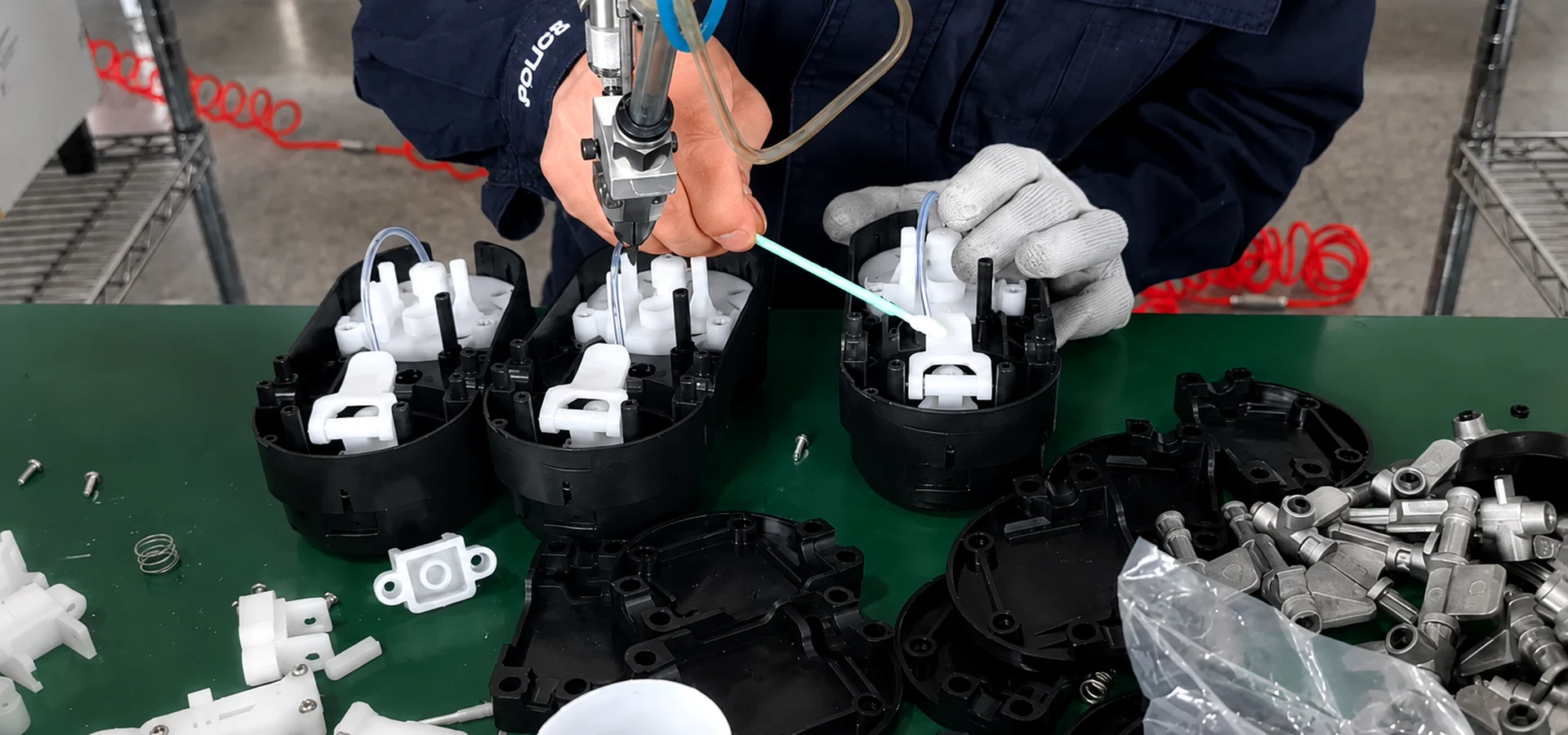
Soda Maker Valves and Connectors for OEM Components
Source soda maker valves and connectors with drawing review, mating-surface checks, seals, revision records and sample approval. We define bottle-side claw-lock parts separately from cylinder quick-connect interfaces, and confirm compatibility from drawings and physical samples before production.
- Component and interface review
- Threaded and quick-connect evaluation
- Sample-based compatibility checking
- OEM and after-sales replacement support
Soda Maker Valve and Connector Components
We supply specific components based on technical drawings and physical samples. Not every soda maker model uses the same component structure. Final parts depend on the machine design and approved configuration.
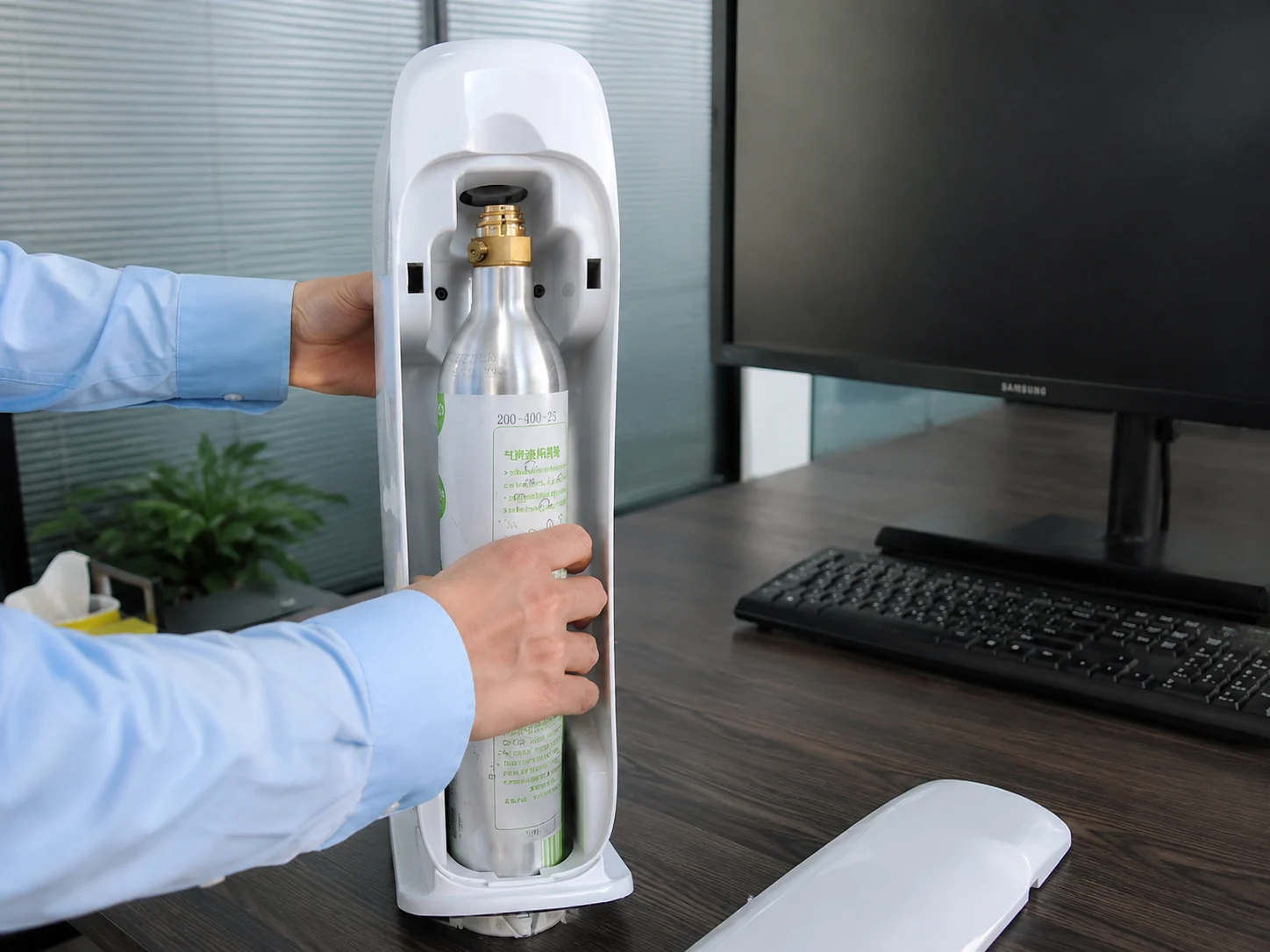
CO2 inlet connector
Function: Connects the gas cylinder to the machine's internal routing.
Confirm: Thread pitch, pin length, and sealing gasket depth.
Use: OEM assembly and CO2 cylinder compatibility guide updates.
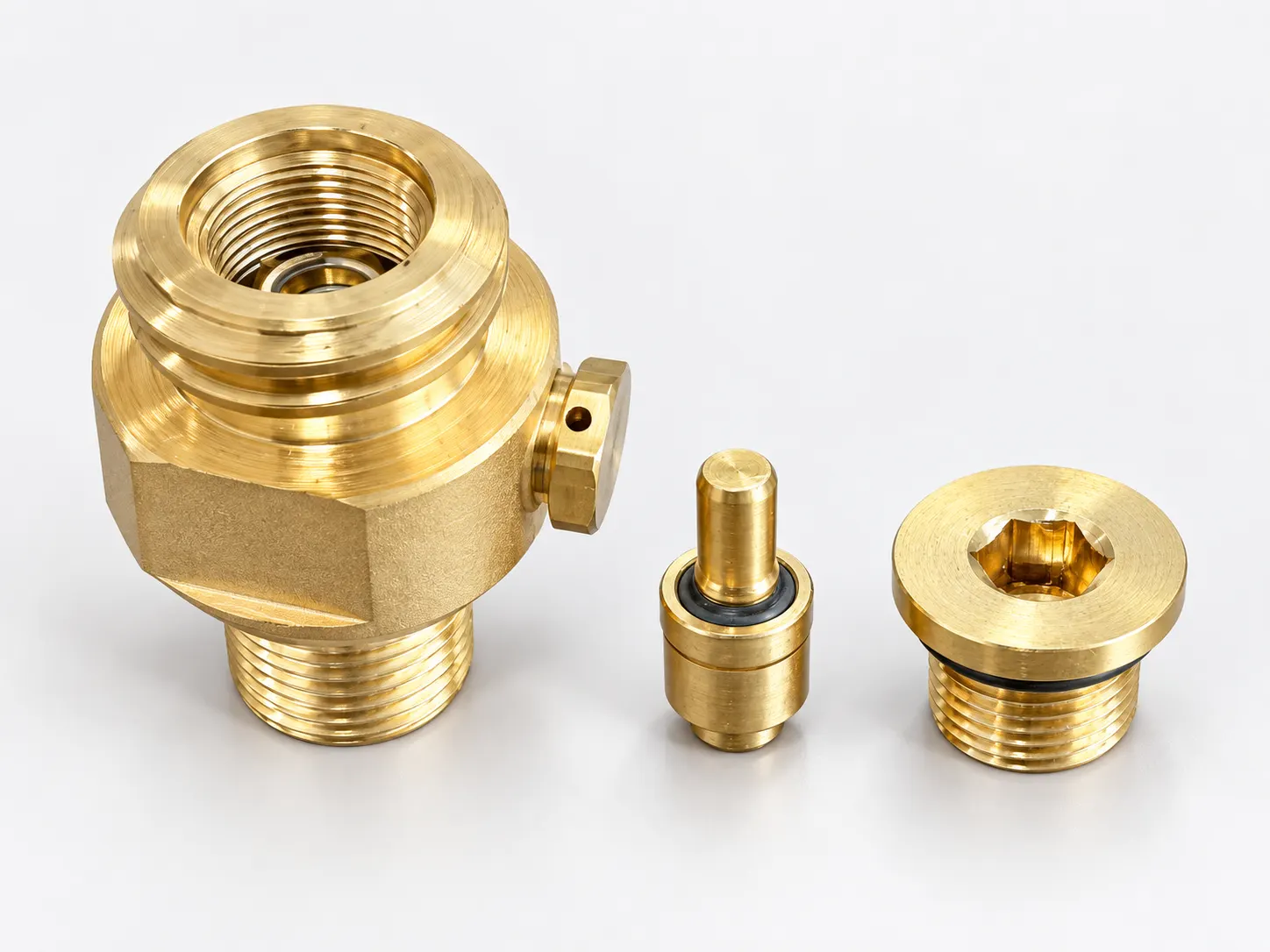
Carbonation valve
Function: Regulates the flow of CO2 into the water bottle.
Confirm: Flow rate, pressure rating, and activation mechanism.
Use: Core machine production and major repair centers.
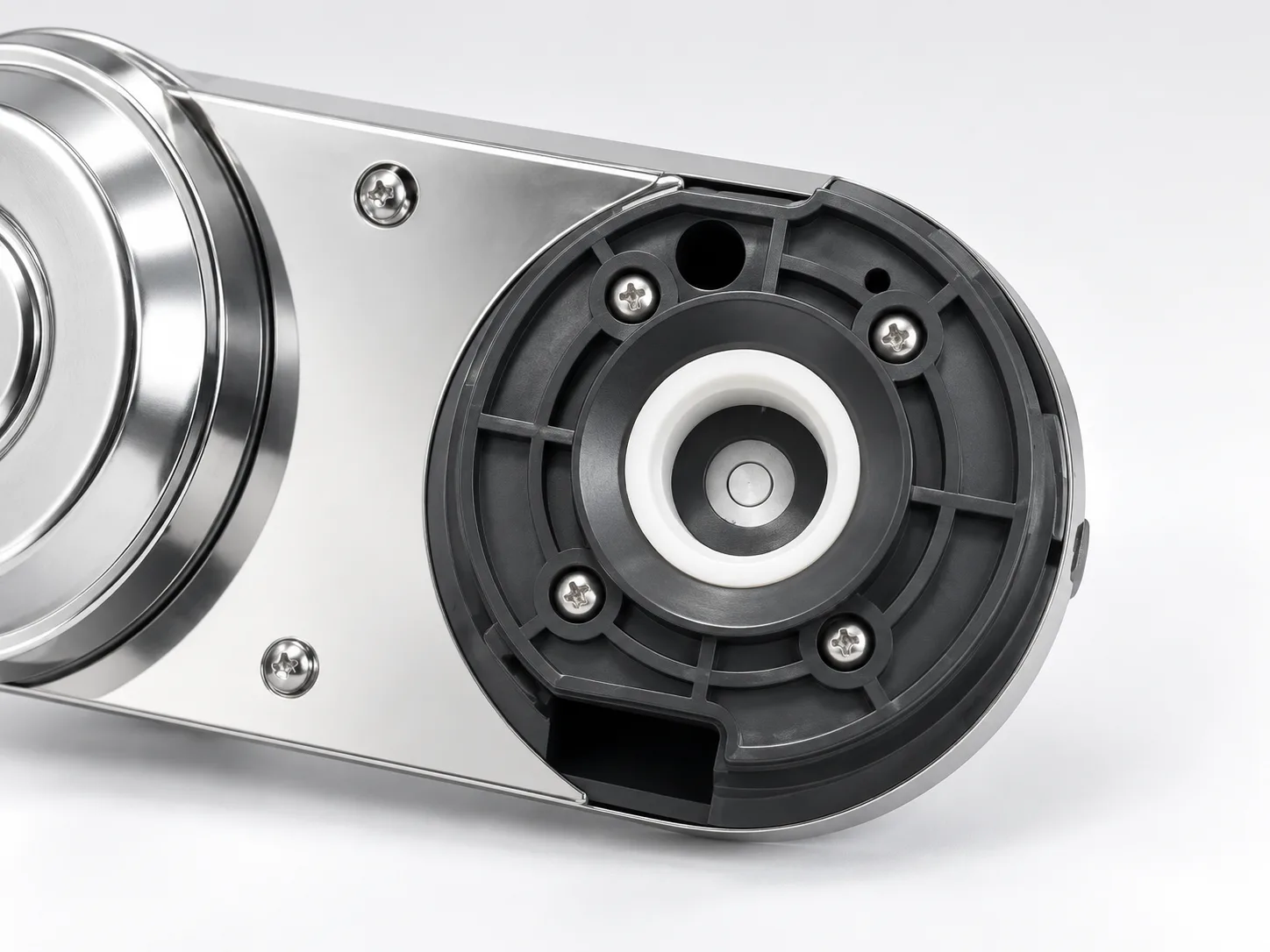
Bottle-side connector
Function: Secures the bottle during the carbonation process.
Confirm: Thread or collar geometry, locking depth.
Use: Adapting to new bottle designs or regional preferences.
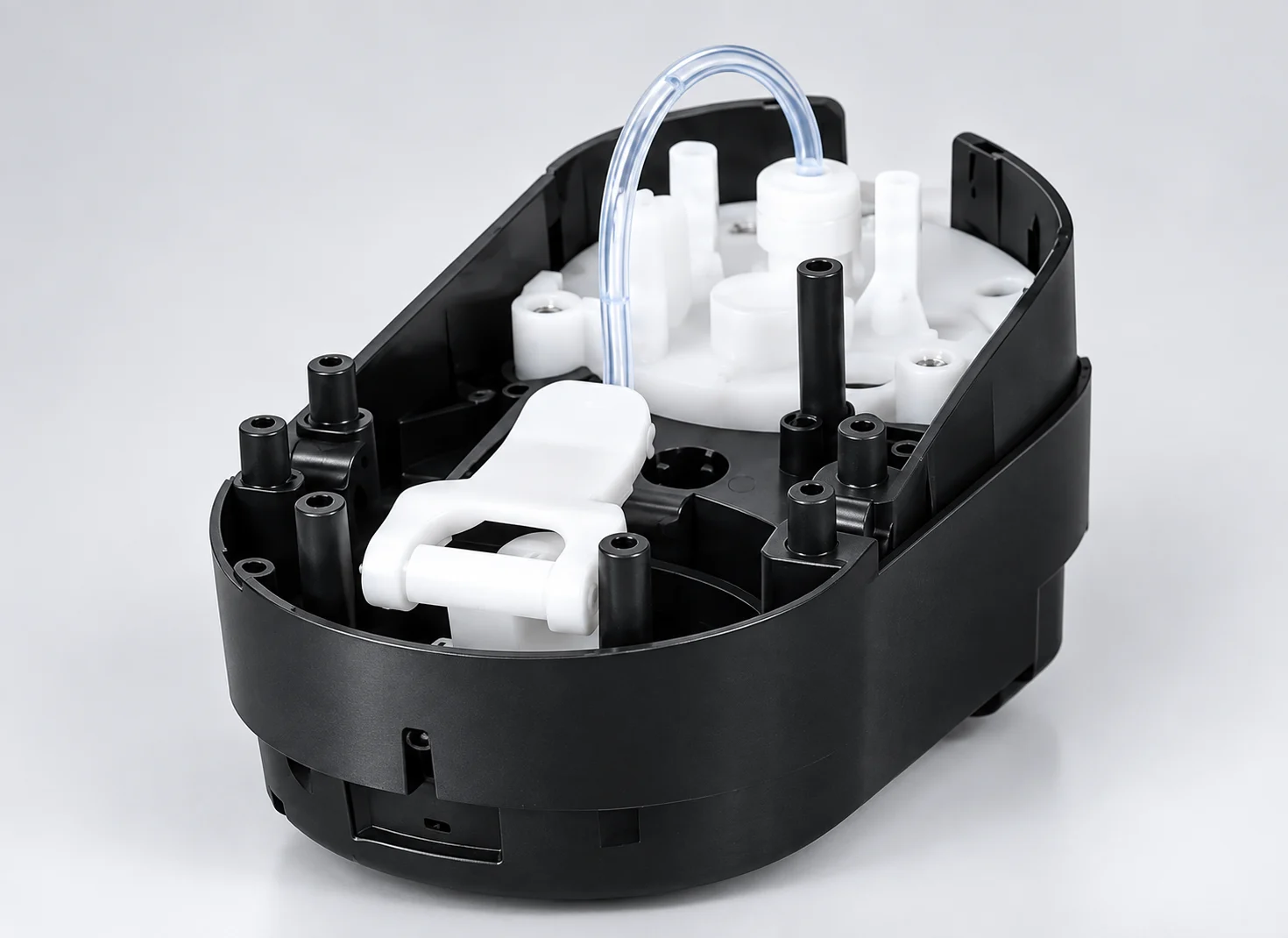
Pressure-release valve
Function: Vents excess gas safely before bottle removal.
Confirm: Release threshold, spring tension, and exhaust path.
Use: Safety compliance and mechanism upgrades.
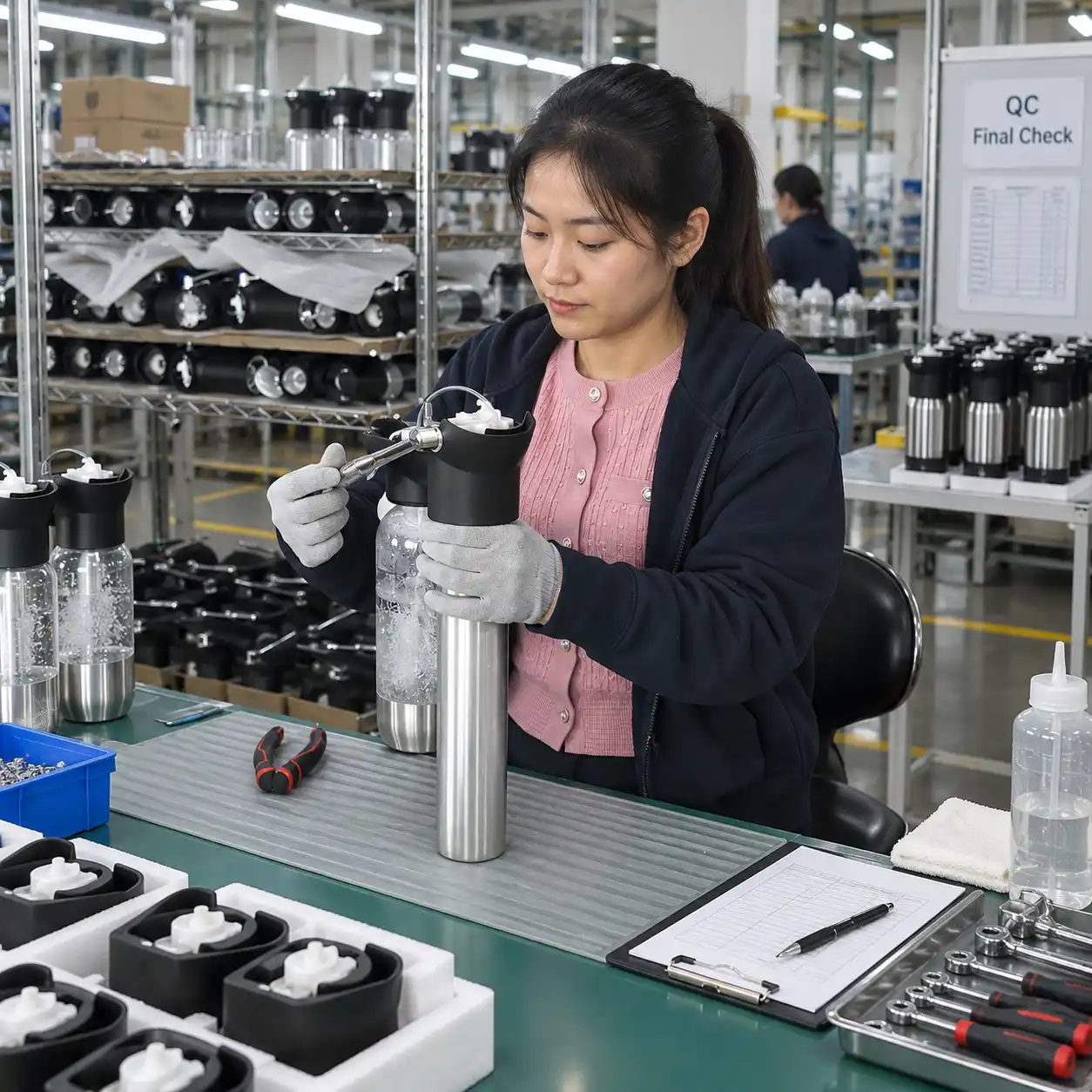
Check valve
Function: Prevents water from flowing back into the gas lines.
Confirm: Opening pressure and internal seal material.
Use: Internal circuitry protection during OEM assembly.
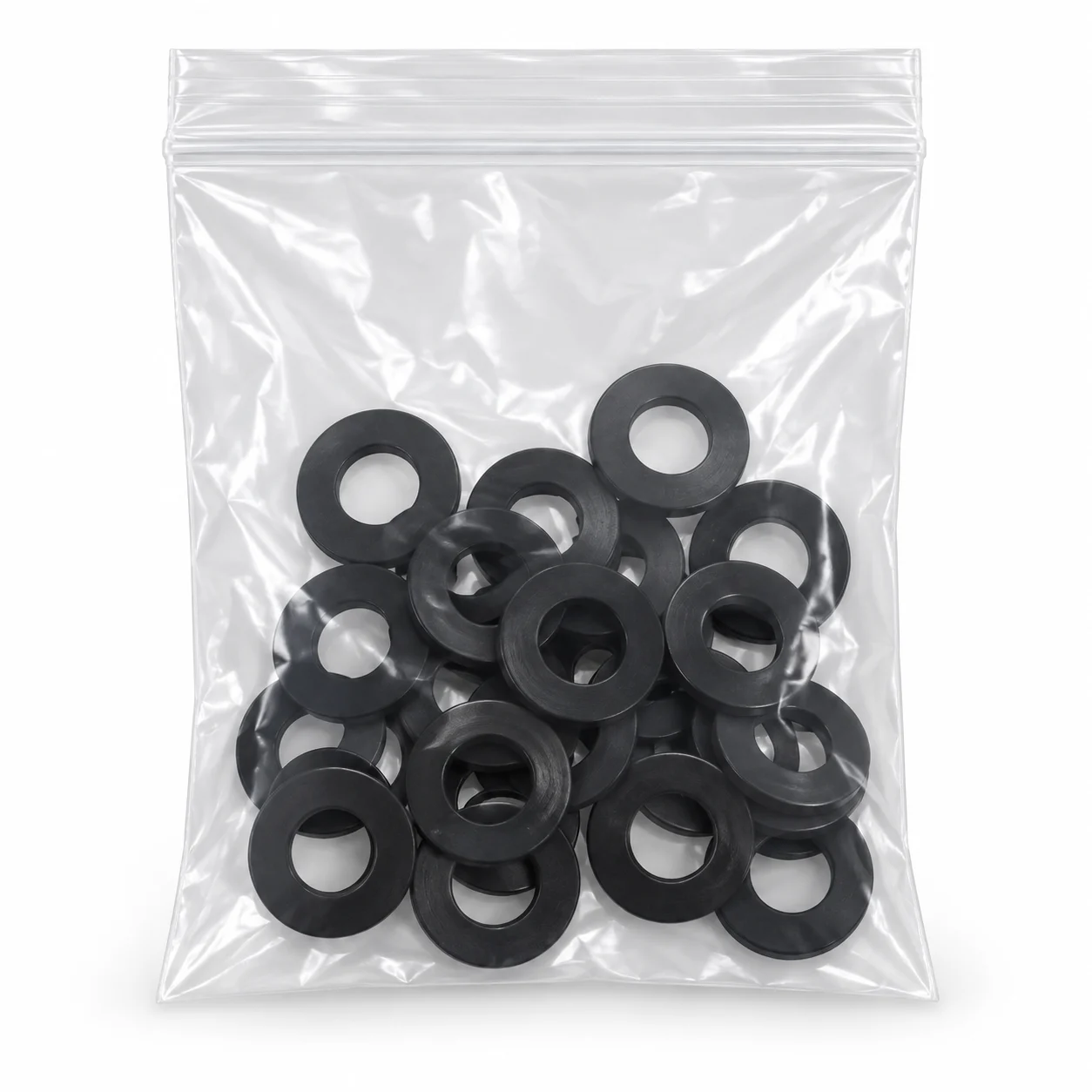
Seal, gasket and O-ring
Function: Maintains an airtight environment under pressure.
Confirm: Inner/outer diameter, thickness, and material compound.
Use: Routine maintenance and soda maker spare-parts supplier inventory.
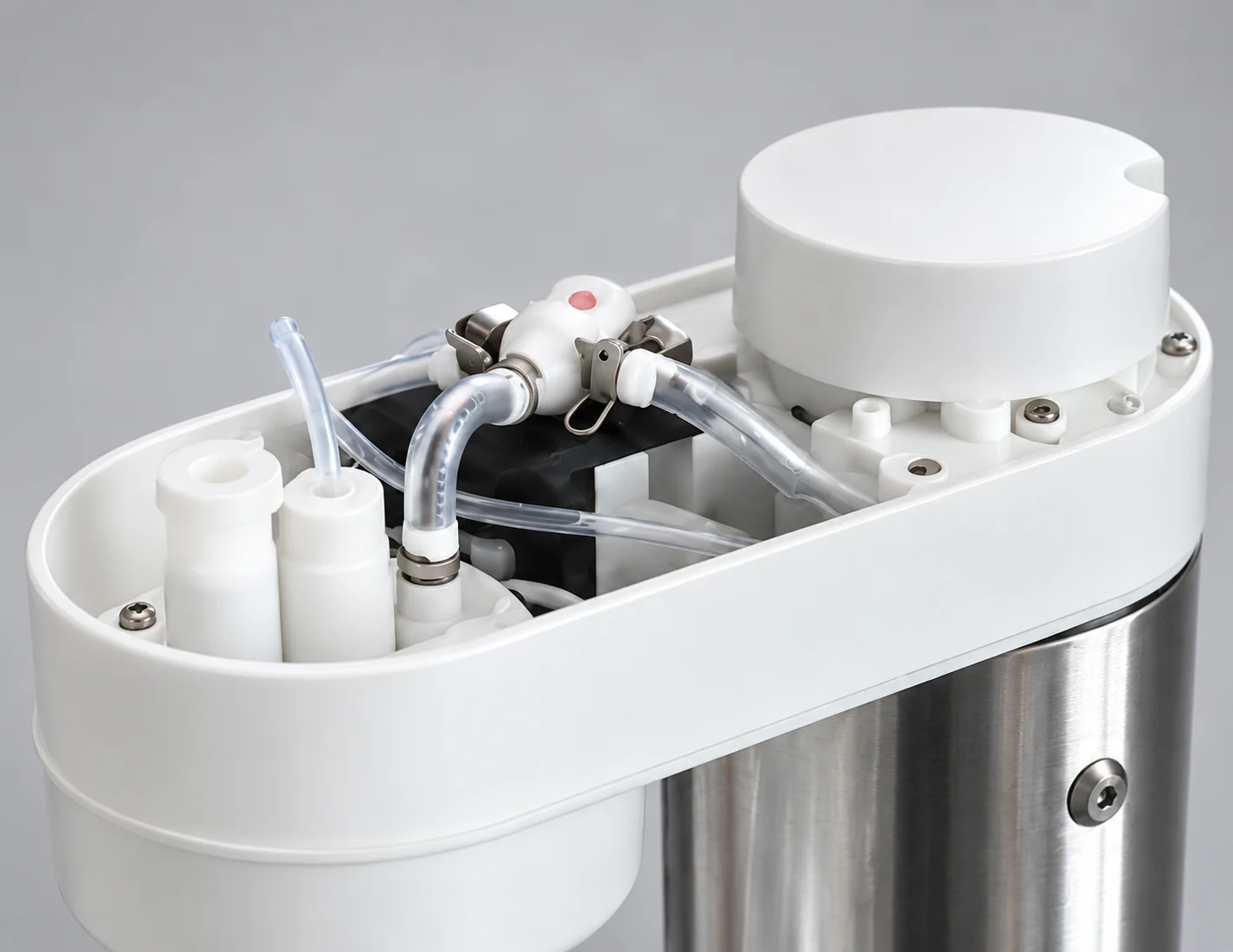
Tube, hose and fitting
Function: Routes gas between the inlet, valve, and nozzle.
Confirm: Wall thickness, pressure rating, and fitting style.
Use: Custom internal layouts for private-label designs.
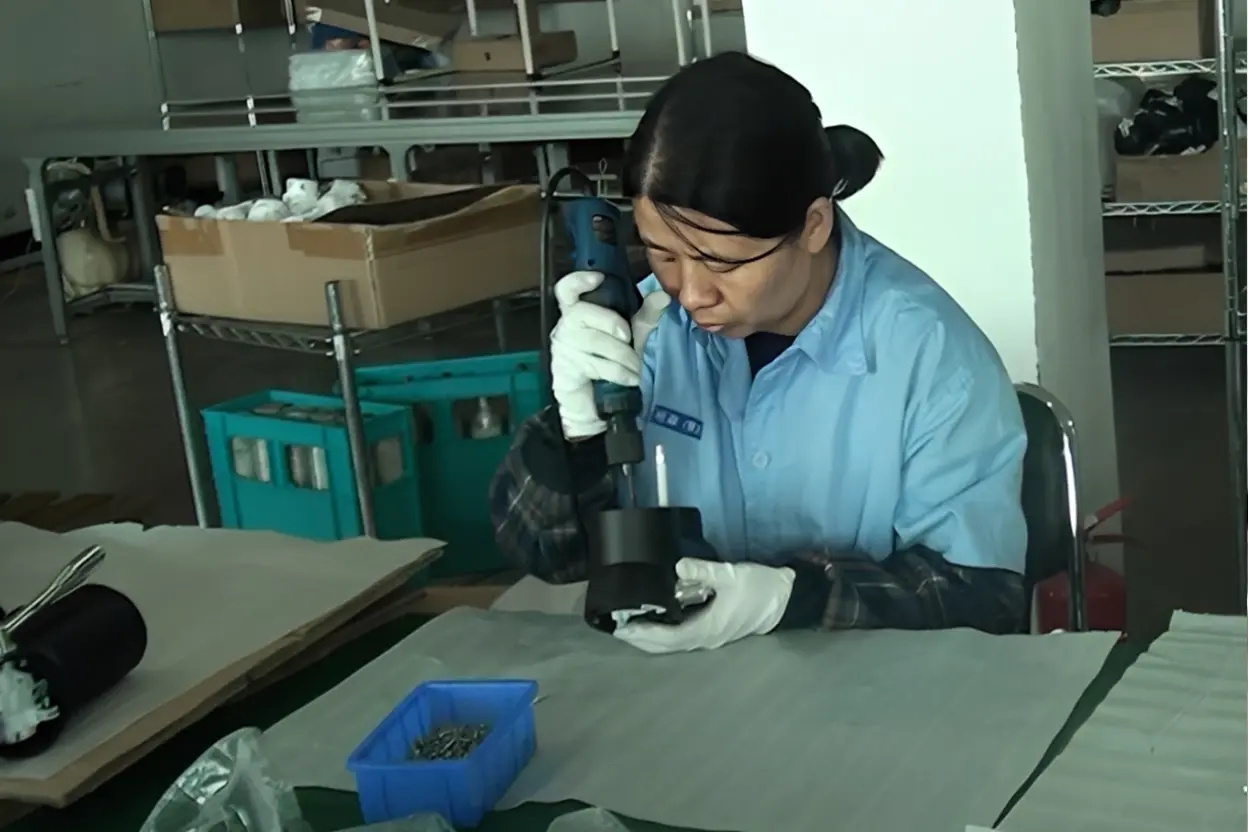
Replacement service kit
Function: Bundles commonly worn components for field repair.
Confirm: Included part numbers and revision history.
Use: After-sales service teams and distributor support.
Global Cylinder Valve Systems
We engineer our soda makers to support various regional and proprietary gas cylinder connections. Below is a comparison of the primary valve configurations used worldwide.
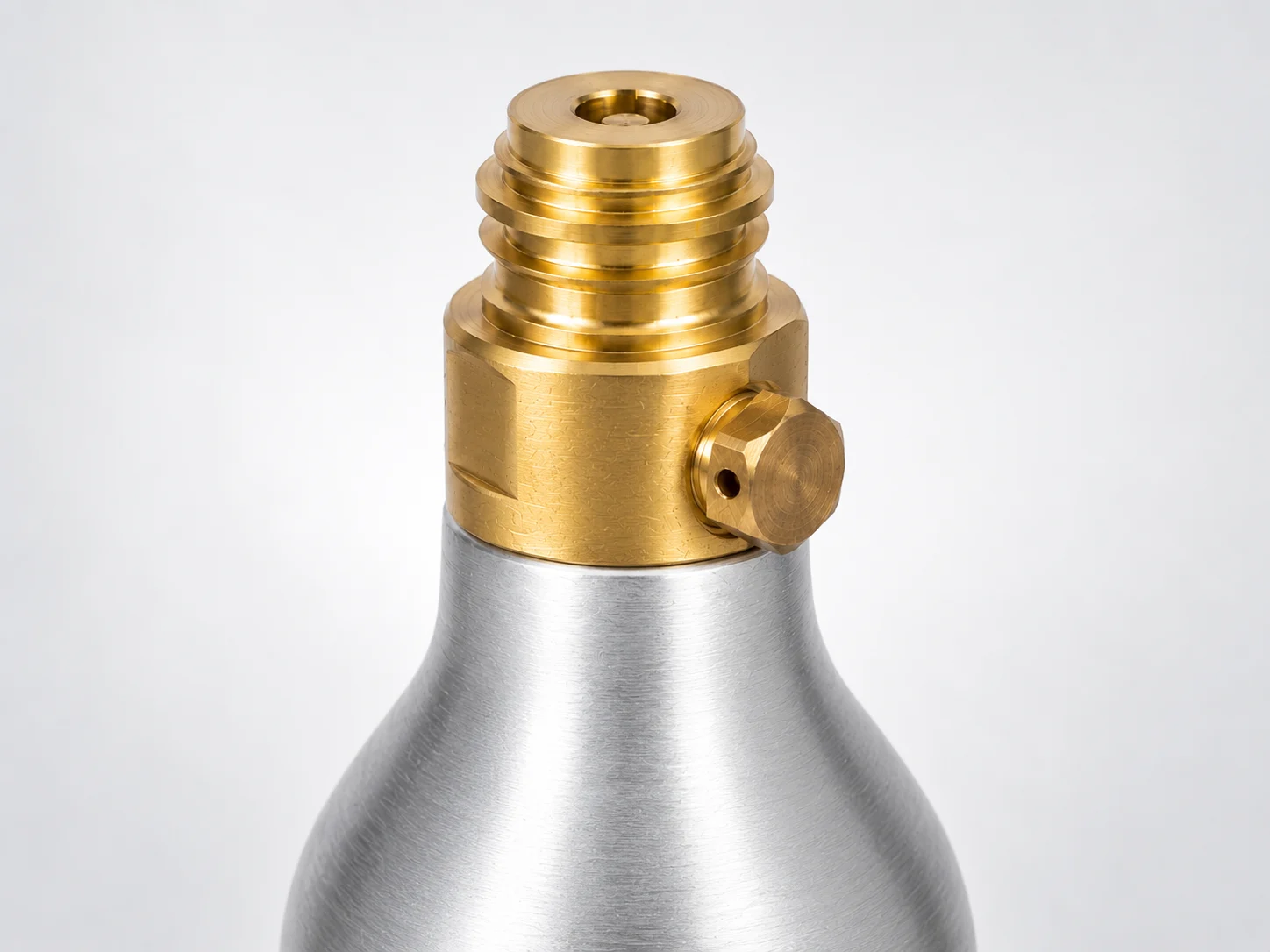
International Standard (TR21-4)
The most widely adopted trapezoidal thread profile globally. Used by the majority of classic screw-in cylinder systems across Europe, North America, and Asia.
Connection: Standard screw-in thread
Application: Universal classic OEM models
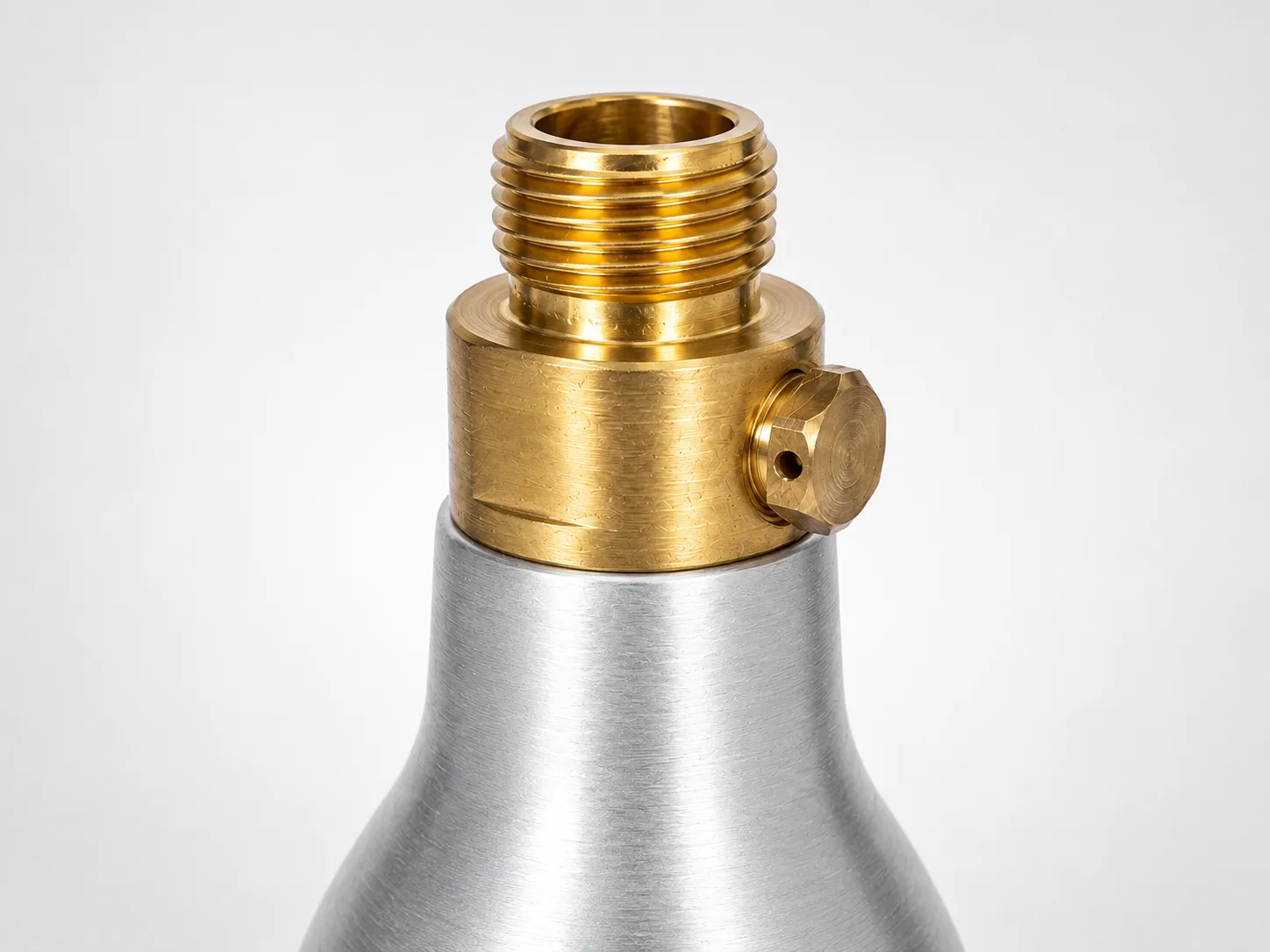
Australian Standard
Specifically engineered with distinct pin depths and thread pitches to meet strict regional gas regulations and safety compliance in the Australia and New Zealand markets.
Connection: Regional specific thread
Application: AU/NZ market configurations
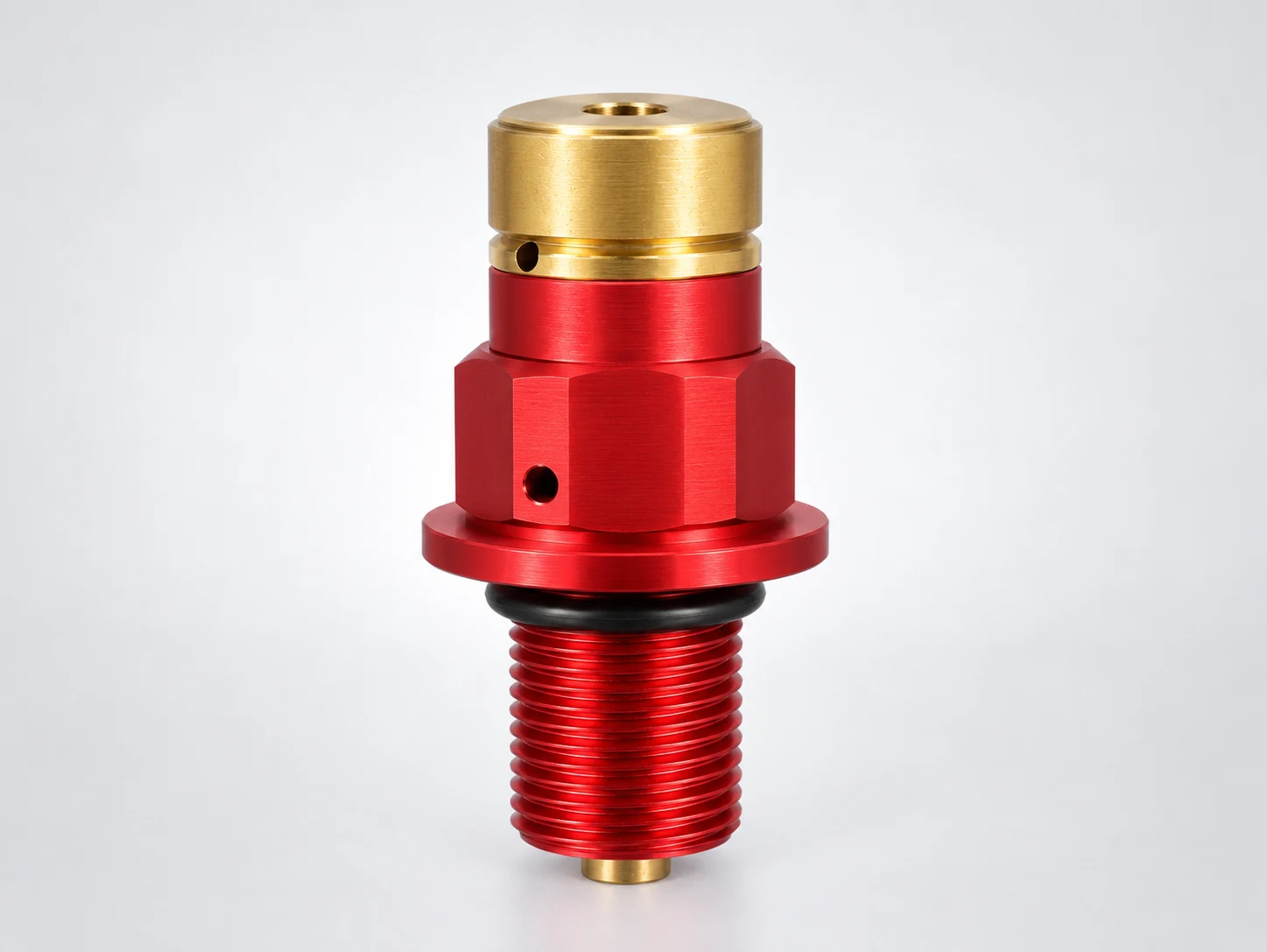
Quick Connect System
A modern, threadless snap-lock mechanism (compatible with pink cylinder standards). Designed for premium convenience, allowing rapid, one-handed cylinder replacement.
Connection: Snap-lock push mechanism
Application: Modern premium ODM designs
Threaded and Quick-Connect Interfaces
A threaded connector and a quick-connect connector must not be treated as interchangeable without an approved drawing and physical sample test. We evaluate both systems to ensure proper alignment.
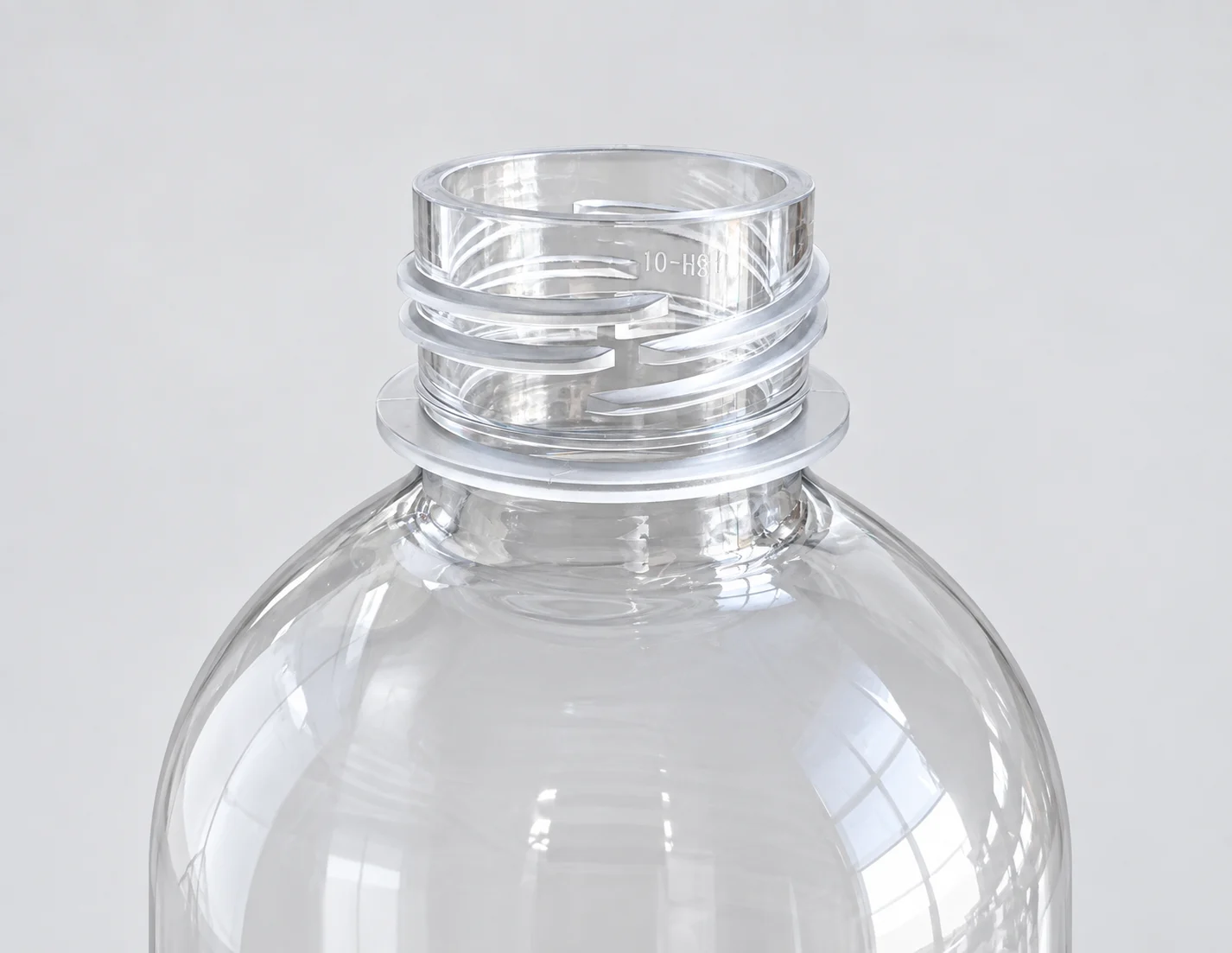
Threaded Connector
- • Thread profile: Must match the mating surface exactly.
- • Thread pitch: Checked if specifications are available.
- • Start position: Influences the final resting angle of the bottle.
- • Tightening direction: Standard right-hand or specific left-hand requirements.
- • Sealing surface: Flat gasket or conical fit evaluation.
- • Removal direction: Clearance needed for unthreading.
- • Interface location: Bottle or machine-side interface verification.
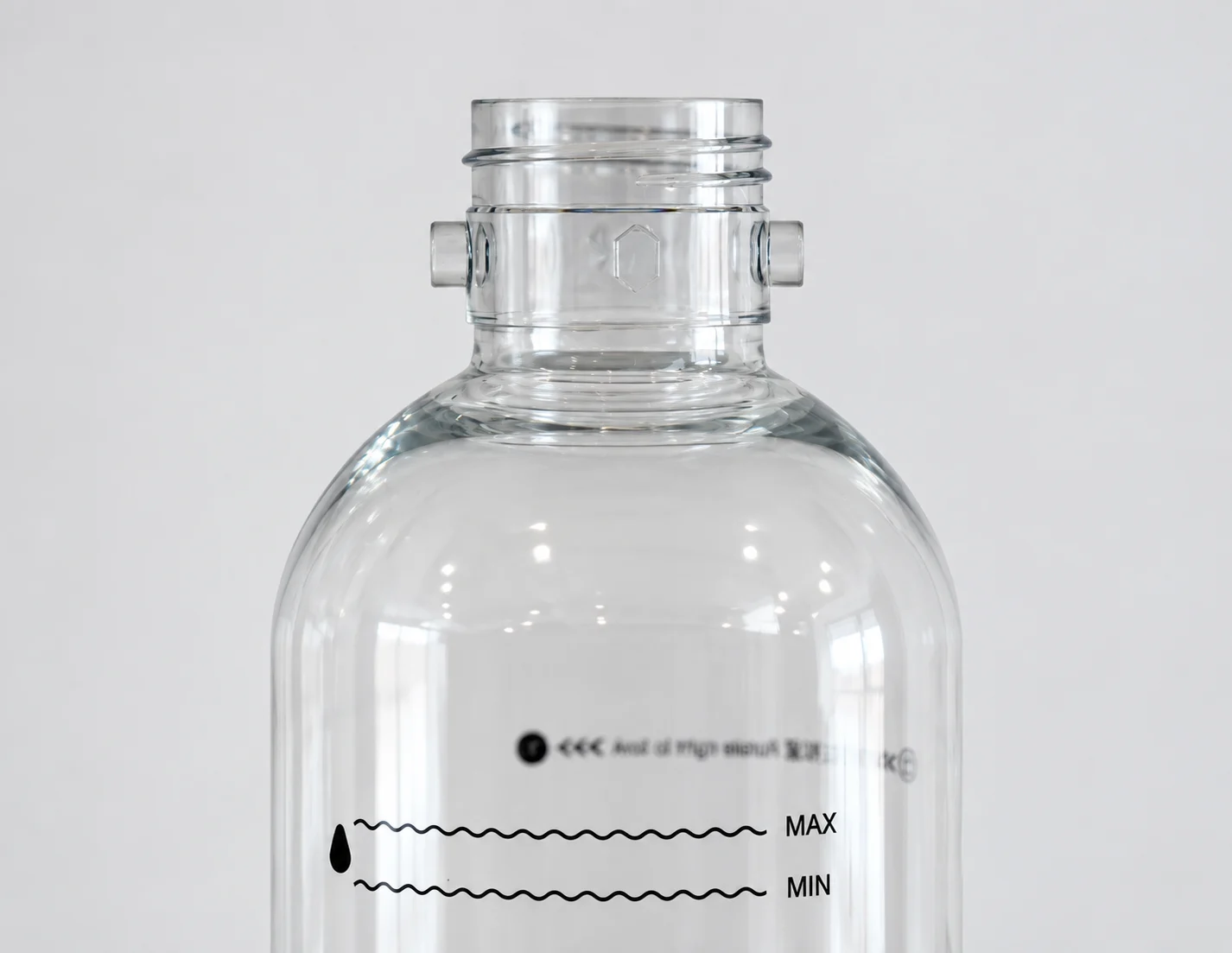
Quick-Connect or Claw-Lock Connector
- • Collar geometry: Width and angle of the retention lip.
- • Insertion depth: Distance required to clear the locking mechanism.
- • Locking point: Where the claws or pins engage.
- • Release movement: Push, pull, or tilt action required.
- • Seal compression: Force needed to create an airtight state.
- • Machine-side clearance: Space required for the mechanism to operate.
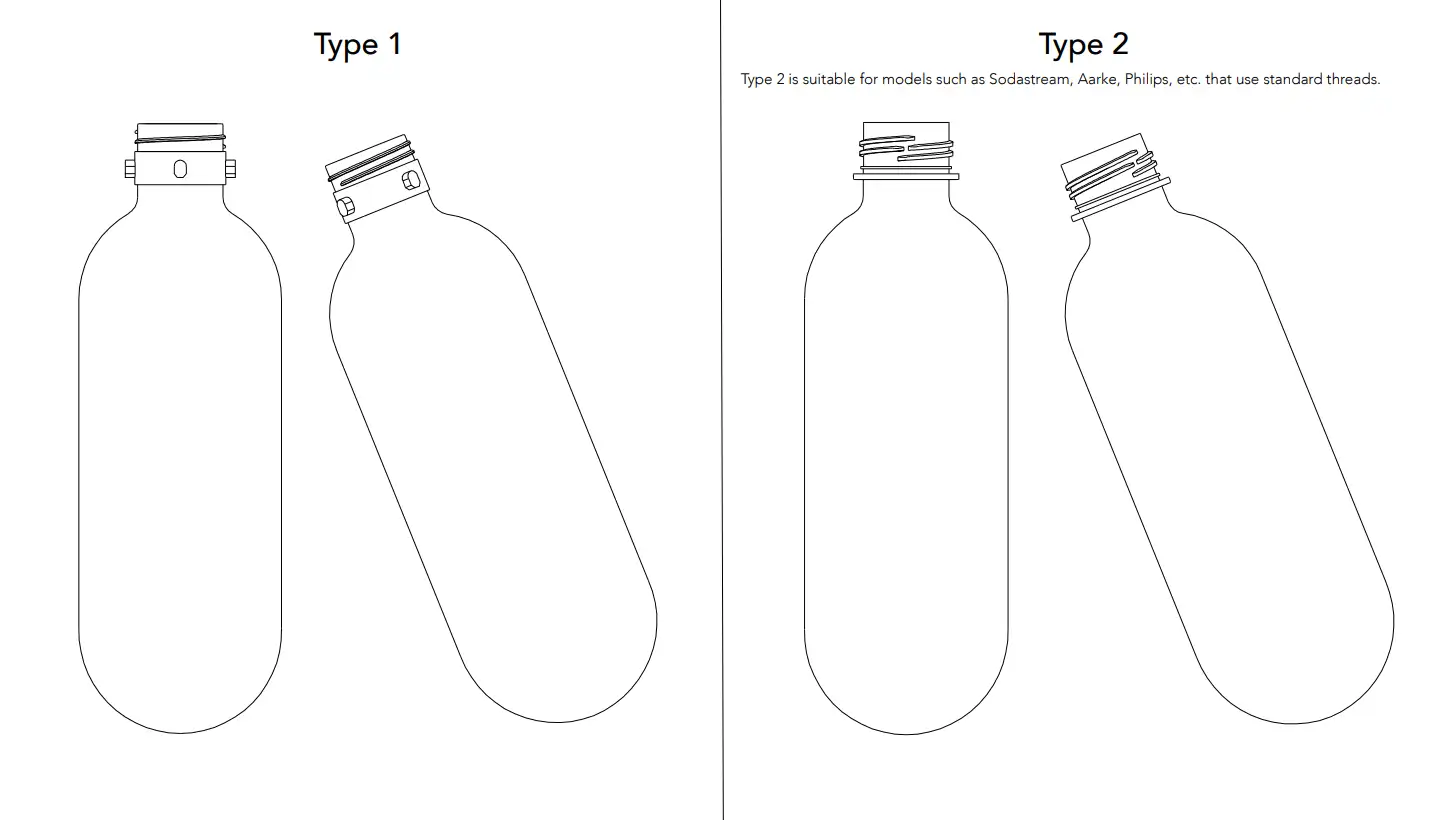
How We Review Valve and Connector Compatibility
We use a systematic approach to verify parts before mass production. We do not offer instant compatibility confirmation based on a single photograph.
Submit Information
Buyer sends machine model, component part numbers, and clear interface information.
Engineering Review
Engineering reviews interface photos, critical dimensions, and available technical drawings.
Structure Identification
The threaded, quick-connect or claw-lock structure is accurately identified and measured.
Material Verification
Material, seal composition, and installation clearance requirements are carefully checked.
Sample Testing
A matched sample is reviewed, installed, and tested to confirm physical compatibility.
Revision Recording
The approved revision is recorded in our system before any batch production begins.
Engineering note
Valve and Connector Sourcing: What the Interface Actually Controls
A soda maker valve connector is the working boundary between the CO2 cylinder, the machine gas path and the service procedure. The visible thread or collar is only one part of the interface. The cylinder-side connection, sealing surface, actuator or pin, retention feature and available clearance must all work together. This is why a connector that looks similar in a product photo can still fail during assembly or replacement.
For a threaded interface, review the thread form, pitch, engagement length, shoulder position, seal seat and the way the valve opens when the cylinder is installed. For a quick-connect or claw-lock interface, review the insertion path, collar geometry, locking points, release clearance and the actuator that opens the cylinder valve. These systems are different mechanical solutions; a threaded part should not be presented as a drop-in replacement for a quick-connect assembly without a complete redesign and validation.
A practical B2B review normally follows five steps: identify the exact machine revision; collect a drawing, clear interface photographs and an existing component or sample; record the critical dimensions and seal locations; install a matched sample in the intended machine and cylinder setup; then freeze the approved revision before the production order. Leak, flow and functional checks should follow the buyer's approved test method and the requirements of the destination market. No universal fit should be promised from a brand name alone.
For an accurate quotation, send the machine model, current valve or connector part number, interface type, target quantity, destination market, expected replacement use and any packing or marking requirement. If the part is for an after-sales kit, include the affected production revision so the replacement assembly does not mix with an earlier design. Our CO2 cylinder compatibility guide covers the broader selection process, while the CO2 cylinder and carbonator accessories page covers accessory-pack scope.
Applications for OEM and After-Sales Programs
Our component supply chain supports various stages of a product's lifecycle, from initial soda maker manufacturing capability planning to end-user support.
New soda maker development
Sourcing valves and connectors during the R&D phase to ensure gas routing fits the proposed housing design.
Private-label product launch
Selecting established connector structures to reduce tooling costs while maintaining a unique exterior aesthetic.
Existing model replacement parts
Procuring exact match components for older machines where the original supplier has discontinued production.
Distributor service stock
Building localized inventory of critical wear items like O-rings and pressure-release valves to reduce repair times.
After-sales repair kits
Packaging specific valves, seals, and fittings into pre-assembled service kits for authorized repair centers.
Model revision replacement
Updating internal connectors to address field-reported issues while maintaining compatibility with user accessories.
Materials, Seals and Component Records
Component durability relies on proper material selection. We discuss food-contact plastic components, engineering plastics, stainless steel parts, and metal fittings where confirmed by the drawing. For airtight performance, we evaluate silicone or rubber sealing components, gaskets, and O-rings.
Material selection depends on the final component, contact condition, temperature, cleaning method and target-market requirements.
Buyers need to confirm:
- Material declaration
- Food-contact requirements
- Corrosion resistance
- Seal compatibility
- Cleaning limitations
- Replacement life
- Drawing revision
For external bottle components and material selection, refer to our soda maker bottle materials guide.
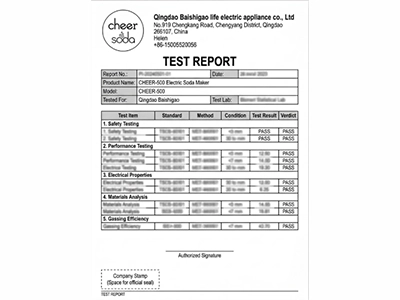
Quality Checks Before Shipment
We structure our soda maker quality and compliance testing around executable checks. Exact parameters are recorded against the approved drawing.
- Dimensional inspection
- Visual inspection
- Interface fit
- Seal inspection
- Connector locking
- Valve operation
- Leak check
- Repeated installation and removal
- Pressure-release sequence
- Packaging protection
- Batch and revision records
Why Sample Approval Matters
When completing a soda maker supplier audit checklist, physical sample confirmation is a critical step.
- Similar appearance does not prove compatibility.
- A small dimensional difference can affect sealing.
- A different thread or collar can prevent locking.
- The approved sample should be kept with the drawing and purchase order.
- Replacement parts must use the correct revision.
Frequently Asked Questions About Soda Maker Valves and Connectors
Technical answers for buyers sourcing OEM and replacement components.
What is a soda maker valve?
What is the difference between a valve and a connector?
Can a threaded connector fit a quick-connect soda maker?
How do I confirm CO2 connector compatibility?
What causes leakage around a soda maker connector?
Should the seal or O-ring be replaced with the valve?
Can one connector fit several soda maker brands?
What information is needed for a replacement-part quotation?
How are valve and connector revisions controlled?
What should be checked before mass production?
Do valve components require market-specific documents?
Can I request a sample before placing a bulk order?
What to Send for a Valve or Connector Quote
To ensure an accurate assessment, please gather the following information before contacting our team.
Send Your Valve or Connector Requirement
To request an OEM valve and connector review, please provide your machine model, current valve or connector photos, threaded or quick-connect interface details, target quantity, destination market, and clarify if this is a replacement or new project requirement.