Minimum order quantity is one of the first questions in a soda maker OEM project, but it is rarely a single fixed number. For importers, distributors, and private label buyers, the real issue is not only whether a factory can accept a small order. The important question is what level of customization, packaging, testing, and production control can be supported at that order size. Cheersoda’s standard MOQ is 300 units. Samples are reviewed and charged separately, and they do not count toward the 300-unit minimum.
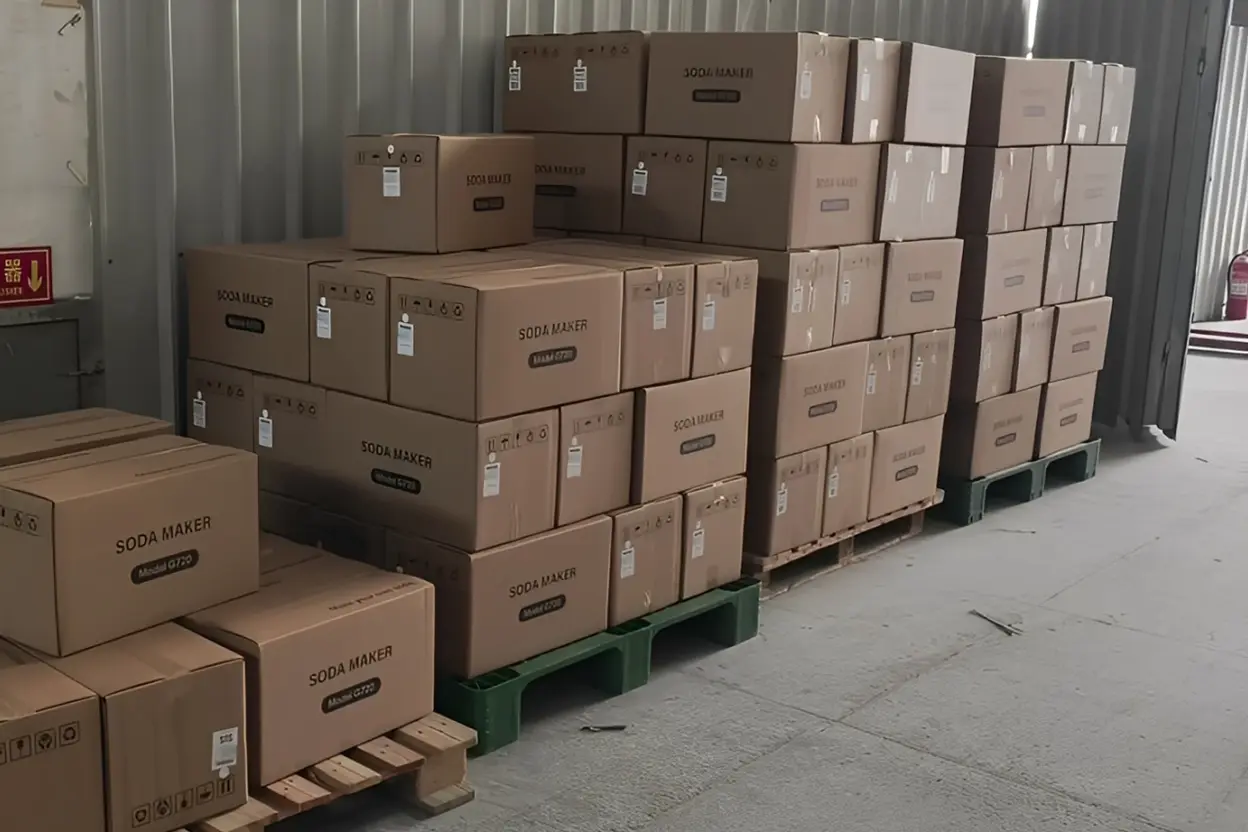
Factory note: A low MOQ is not automatically a better deal. If the order quantity is too small for custom colors, printed packaging, stable material purchasing, or repeatable quality checks, the project may look cheap at the beginning but become difficult to scale later.
- What MOQ means in soda maker OEM projects
- What counts toward the 300-unit MOQ
- Why factories set MOQ
- Common MOQ levels by project type
- MOQ by model: one standard across the range
- What raises the MOQ
- What can lower the starting quantity
- Sample, pilot order, and mass production
- MOQ, lead times and payment terms together
- Buyer checklist before asking MOQ
- How to discuss MOQ with a factory
- FAQ
What MOQ Means in Soda Maker OEM Projects
MOQ means minimum order quantity. In a soda maker OEM project, it is the smallest production quantity that makes sense for the factory and the buyer under a specific configuration. The number can change when the buyer changes the model, body color, logo method, packaging design, bottle set, manual language, carton mark, or testing requirement.
For a standard model with simple branding, the starting point may be more flexible. For a private label soda maker with custom color, logo printing, custom color box, manual, barcode label, and export document review, the order needs enough volume to cover material purchasing, production setup, packaging preparation, and inspection work.
This is why serious buyers should not ask only, “What is your lowest MOQ?” A better question is, “What MOQ supports my exact branding, packaging, bottle set, and launch schedule?”
What Counts Toward the 300-Unit MOQ
The 300-unit minimum counts production machines. It does not count samples: samples are reviewed and charged separately, and the first-order stage runs from sample confirmation, not from the sample request. Where a specification changes after approval, the revised stage runs from the re-confirmation of the change, not from the change request — so a late change moves the clock even when the quantity stays at 300.
Bottle sets and accessory packs follow a different rule. No separate MOQ is stated for bottles or spare parts on their own; their quantities are confirmed at quotation together with the machine order, not borrowed from the 300-unit machine minimum. A buyer planning a retail program should therefore confirm three numbers separately at quotation: the machine quantity from 300 units, the bottle configuration, and the accessory scope.
Why Soda Maker Factories Set MOQ
A soda maker is not a loose accessory that can be packed one by one without planning. The product involves molded parts, pressure-related components, bottle fit, assembly steps, packaging materials, instruction documents, and final checks. MOQ exists because each of these steps has setup work.
Material Purchasing
Plastic parts, metal parts, bottles, cartons, manuals, labels, and accessories often have their own supplier-side minimums. A factory cannot always buy enough material for only a few finished sets.
Production Setup
Assembly lines, inspection steps, packing areas, and production staff need setup time. Very small quantities can consume the same preparation time as a larger pilot batch.
Branding and Packaging
Logo application, color box printing, manual printing, barcode labels, and carton marks require file review and material preparation before production starts.
Quality Control
Bottle matching, water leak testing, pressure-related checks, visual inspection, and packaging review are more useful when the order size supports a repeatable process.
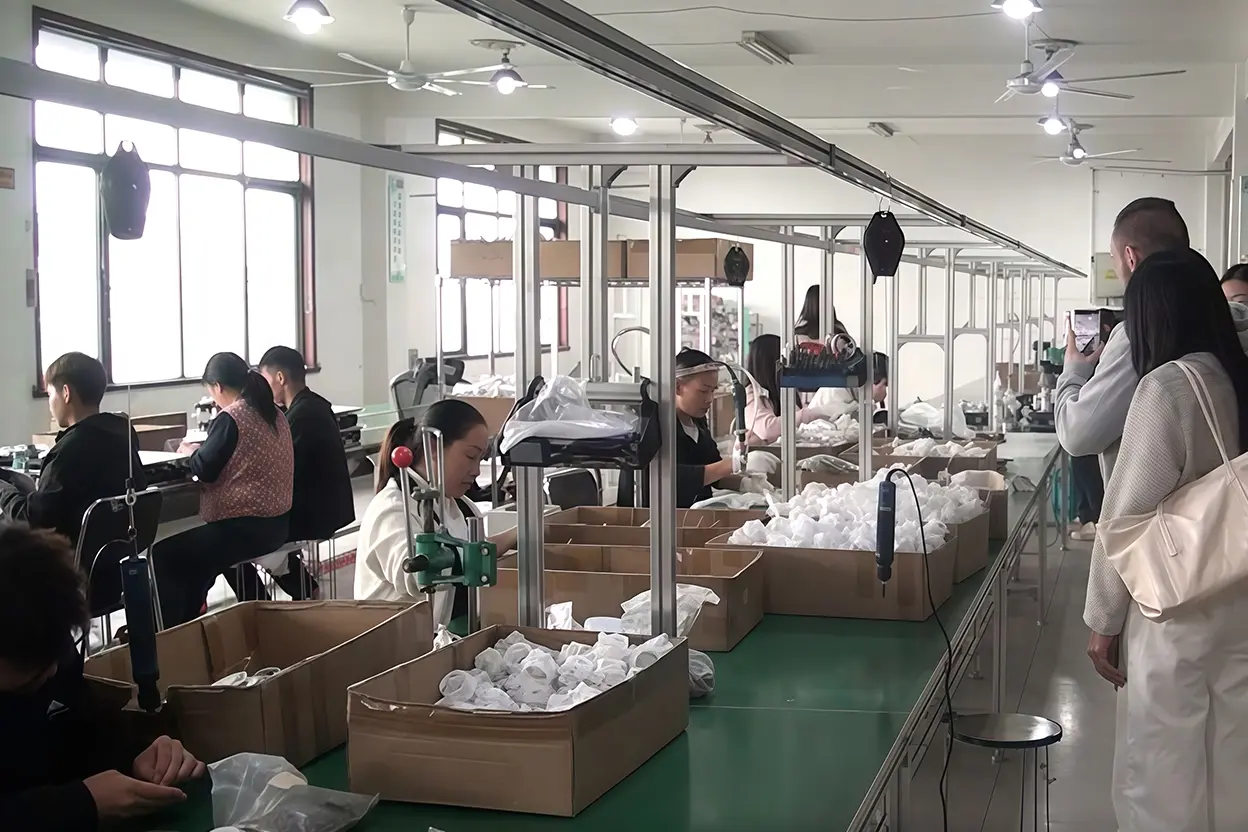
MOQ is only one part of the production picture. Our OEM manufacturing guide for private label buyers shows how sampling, customization and mass production are organized behind these numbers.
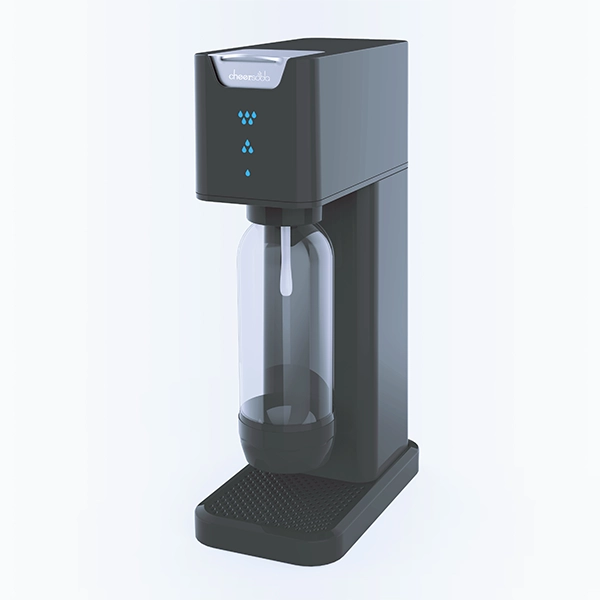
G3 — fully mechanical with a CR123A-powered LED. No plug-in power, no electrical certification burden. MOQ 300 units.
See the G3 →Common MOQ Levels by Project Type
The following table is not a promise for every model or every season. It is a practical way to understand how factories think about MOQ. The final quantity should be confirmed by model, customization scope, material availability, packaging plan, and production schedule.
| Project Type | Typical Purpose | Customization Level | MOQ Logic |
|---|---|---|---|
| Sample order | Check operation, appearance, bottle fit, and basic quality. | No real customization, or only simple reference discussion. | Usually small, because it is for evaluation rather than production. |
| Market test order | Test sales channel, product feedback, and local demand. | Existing model, standard color, limited branding, simple packaging. | Can be more flexible if materials and packaging are available. |
| Private label starter order | Launch a branded soda maker with logo, packaging, and manual. | Logo, color box, manual, barcode label, carton mark. | Usually needs a practical batch quantity because packaging and branding materials must be prepared. |
| Custom color order | Match brand identity or retail shelf strategy. | Body color, bottle color, packaging color system. | Higher MOQ is common because color matching and material control need stable volume. |
| Private tooling or ODM project | Develop a more exclusive product line. | Structure change, new housing, mold work, repeated engineering review. | Requires the highest commitment because tooling and development cost must be justified. |
MOQ by Model: One Standard Across the Range
The 300-unit minimum applies across the range — G3, G9, G8, G720, G830, G15, G15 Pro, and X1 all start from the same minimum. What changes between models is not the minimum itself but the customization that sits on top of it: actuation, material, head design, and bottle set. A buyer comparing models should therefore compare platforms first and treat the MOQ as settled, then confirm the model-specific details that affect the order.
Two model-specific quantities are worth confirming early. On the G15 platform, matte black is the stocked spray finish, while matte graphite runs from a 300-unit minimum — a graphite line should be planned at or above that quantity rather than split across two finishes. Printed colour boxes start at 300 boxes, which lines up with a 300-unit first order; a smaller box run is a separate question to settle at quotation. The models page lists the full range, and the G720 and G15 pages carry the per-model detail.
What Raises the MOQ for Soda Maker Orders
MOQ increases when the project becomes less standard. A factory can usually be more flexible when the buyer accepts an existing model, existing color, simple logo method, and standard packaging. The quantity becomes harder to reduce when the buyer needs special materials, exclusive color, custom printing, special bottle set, or private tooling.
- Custom body color or Pantone color matching
- Logo printing or logo plate requiring setup
- Custom color box printing
- Custom instruction manual language
- Barcode labels, SKU labels, and carton marks
- Special bottle set or accessory pack
- Private tooling or structure changes
- Additional third-party testing or market-specific document work
- Rush production schedule
- Non-standard packing method
What Can Lower the Starting Quantity
A lower starting quantity is more realistic when the buyer keeps the first project simple. This does not mean the product has to look generic forever. It means the buyer can test the model, market, and factory cooperation before investing in deeper customization.
- Use an existing model
- Choose standard body color
- Start with a simple logo method
- Use standard bottle set
- Keep packaging structure unchanged
- New housing design
- Private tooling
- Special surface treatment
- Full custom accessory pack
- Multiple SKU color runs at launch
For buyers who want to build a private label product step by step, it is usually better to confirm a stable model first, then improve packaging, color strategy, accessory mix, and retail presentation after the first market feedback.
Sample, Pilot Order, and Mass Production
A smart MOQ plan separates three stages: sample review, pilot order, and mass production. Each stage has a different purpose. Mixing them together often creates confusion between buyer and factory.
Sample Review
The sample stage checks the product itself. Buyers should review appearance, bottle locking feel, carbonation operation, surface finish, accessory set, and packaging direction. This stage is not meant to solve final retail packaging or full compliance documentation.
Pilot Order
The pilot order checks whether the product, packaging, and factory communication can support a real sales test. Buyers can collect customer feedback, check local logistics, evaluate defect reports, and prepare for repeat order planning.
Mass Production
Mass production should begin after the model, logo, packaging files, bottle set, manual language, carton mark, and quality review process are confirmed. At this stage, MOQ should support stable material purchasing and repeatable inspection.
How Packaging Affects Soda Maker MOQ
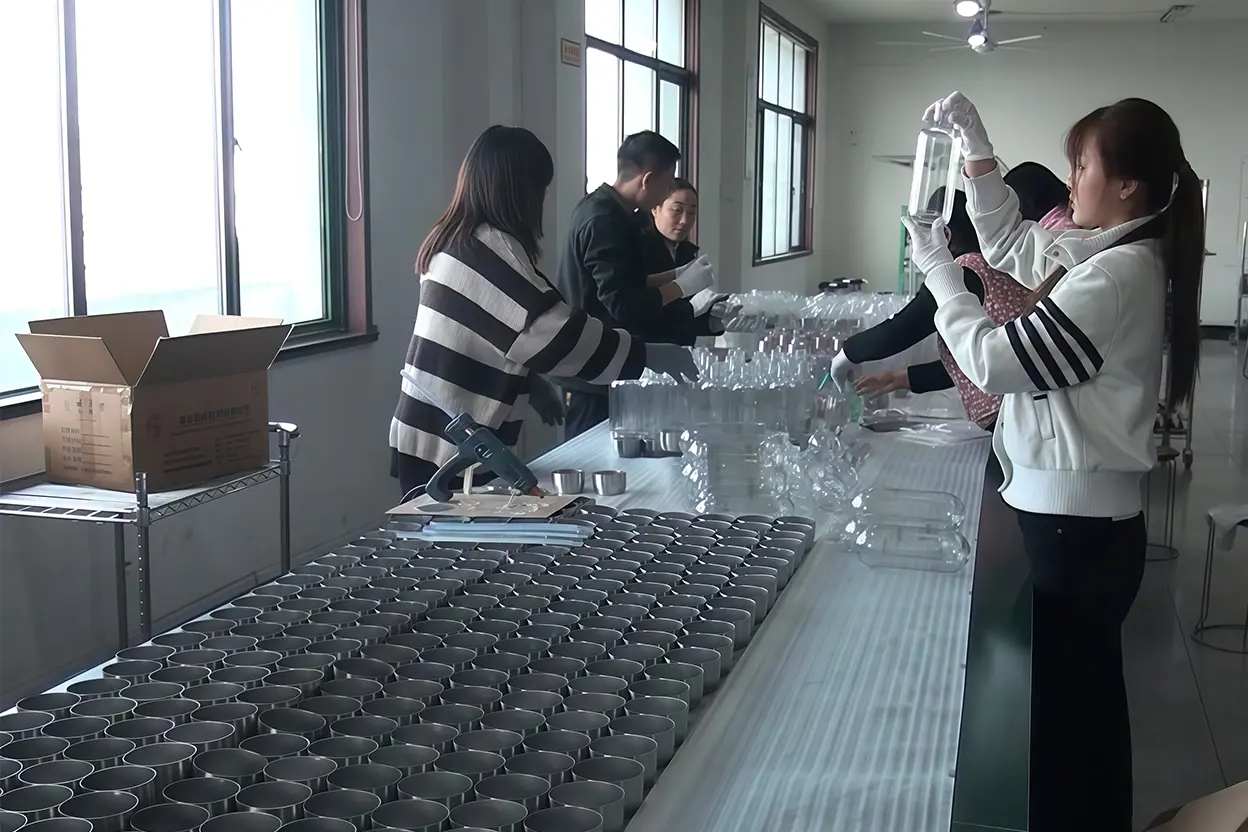
Packaging is one of the biggest reasons MOQ changes. A buyer may think the product is unchanged, but a custom color box, manual, warning label, barcode label, and carton mark all require file review, printing, and material coordination.
If the buyer wants retail-ready private label packaging, the factory needs enough quantity to make packaging production practical. If the buyer only needs a neutral sample or a small market test, simpler packaging may be a better first step.
One printed-packaging number lines up neatly with the machine minimum: printed colour boxes start at 300 boxes. A 300-unit first order and a 300-box print run therefore move together, and the box artwork, manual language, and carton marks approved at sample stage are the files that go to print. Where a buyer wants a smaller box run or a split across two box designs, that is a separate question to settle at quotation, before the artwork is finalized.
How Quality Control Affects MOQ
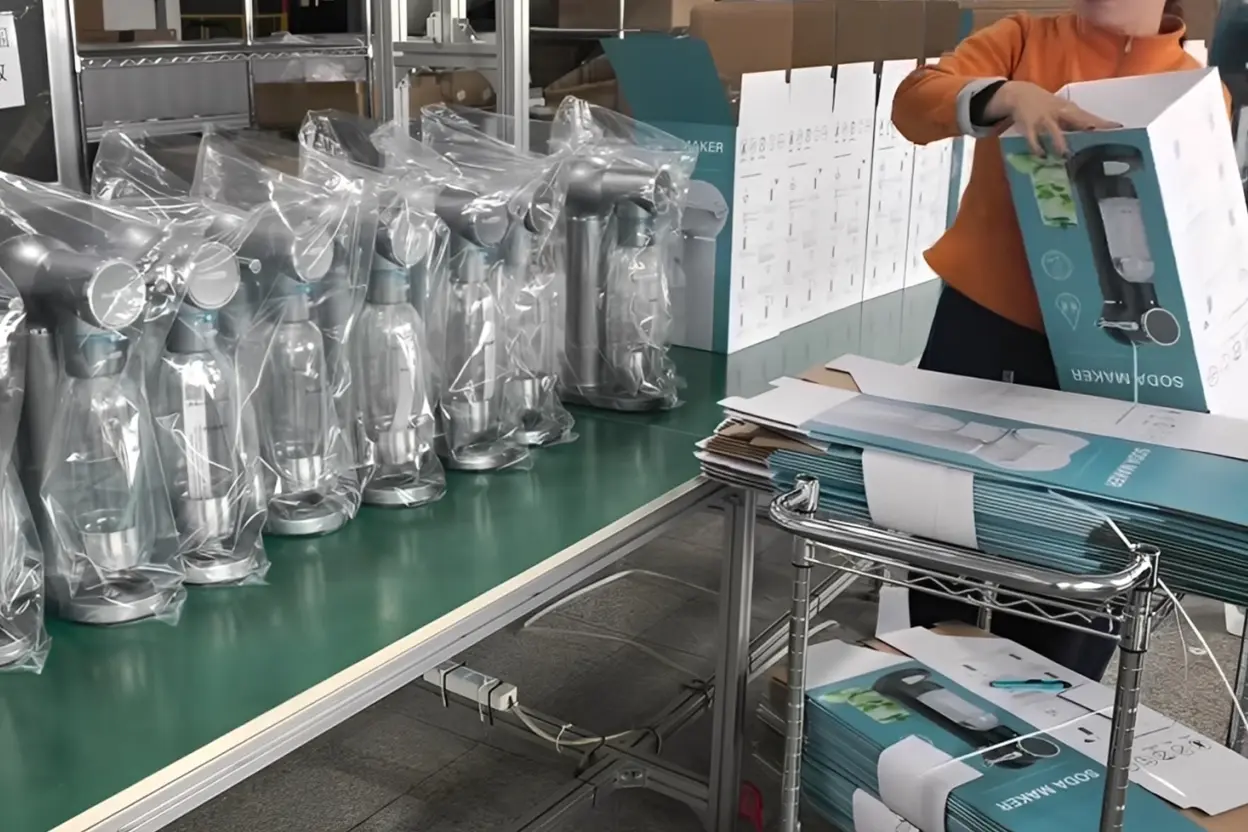
MOQ is also connected to quality control. A very small order may be easier to make, but it does not always prove whether the factory can repeat the same quality in a real production run. For soda makers, repeatability matters because the product uses gas pressure, water-contact parts, bottle fit, and user operation.
Buyers should ask how the factory checks the selected model during production. Useful review points include incoming parts, plastic housing, bottle fit, assembly, wet leak testing, pressure-related functional checks, final appearance, packaging inspection, and pre-shipment photo or video confirmation.
MOQ, Lead Times and Payment Terms Together
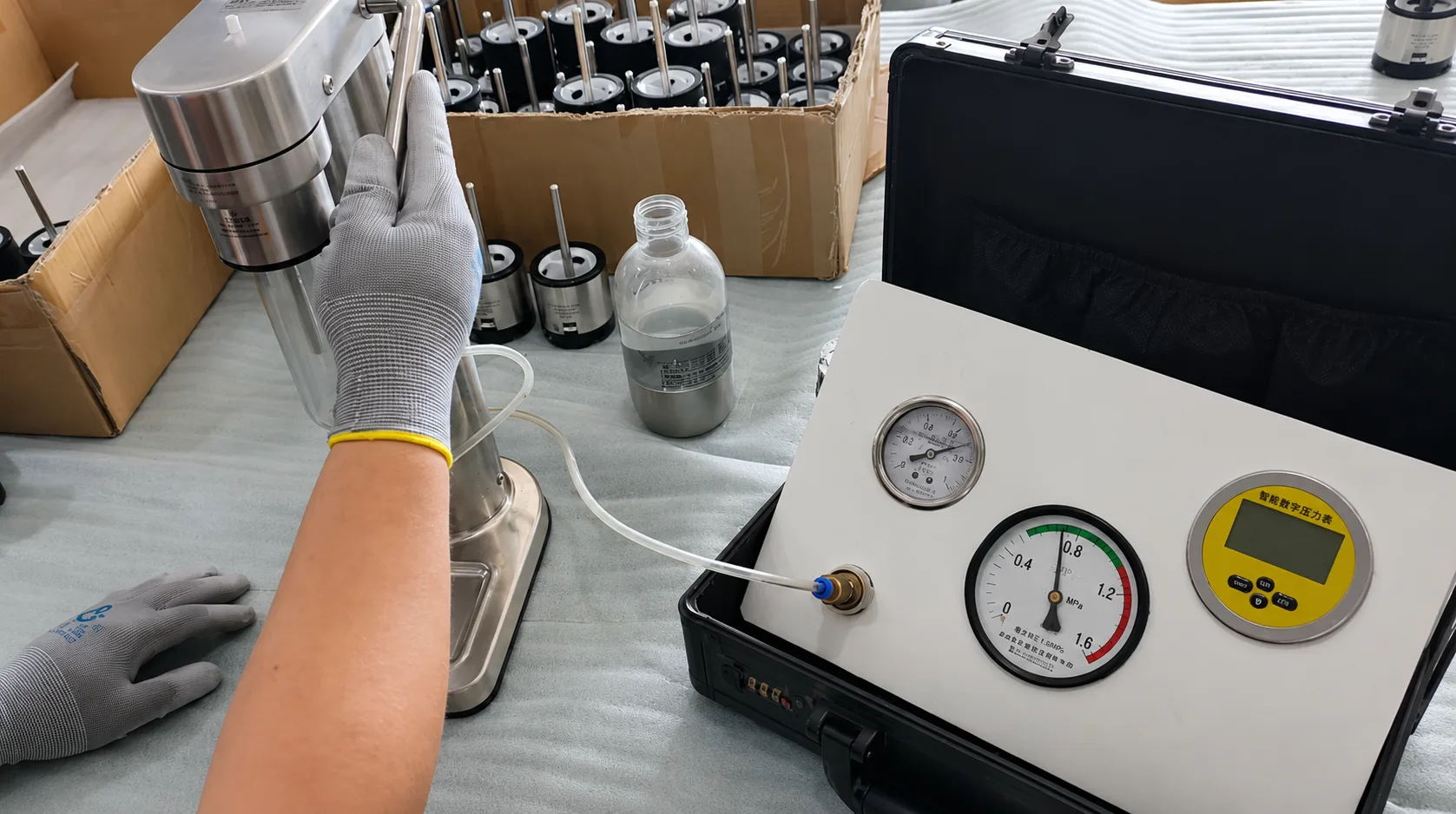
MOQ, lead time, and payment terms are agreed as one package, not three separate answers. The standard stages are sample 7 days, first order 35–45 days, and repeat order 30 days, and the first-order stage runs from sample confirmation. An order quantity agreed before the sample is approved therefore has no firm clock yet — the clock starts when the sample, the colour, and the box are all signed off.
Payment is by T/T only, with a 30% deposit and the balance before shipment. That structure is why the quantity discussion and the sample discussion belong together: the deposit commits a quantity, and the sample approval commits the specification that quantity will be built to. The payment terms guide and the FOB, CIF and DDP guide set out the commercial terms that sit around the MOQ.
Buyer Checklist Before Asking for MOQ
The fastest way to get a useful MOQ answer is to send a clear project brief. If the buyer only asks for “best price and lowest MOQ,” the factory has to guess the model, packaging, branding, bottle set, and document needs. That usually creates a vague answer.
- Target market
- Buyer type
- Sales channel
- Expected launch date
- First order goal
- Preferred model
- Logo requirement
- Body color
- Bottle set
- Color box and manual needs
- First order quantity from 300 units
- Sample approval status
- Specification freeze status
- Colour box print run from 300 boxes
- Target ship window
How to Discuss MOQ With a Soda Maker Factory
MOQ discussion should be practical. A good factory will not simply push the buyer to order more without reason. It should explain which parts of the project are flexible and which parts require a stable quantity.
Buyers can ask the factory to separate the quotation into stages: sample cost, first trial order, private label starter order, and repeat order. This makes it easier to understand what changes when the order quantity increases.
- Ask which models support a lower starting quantity.
- Ask what changes if you use standard color instead of custom color.
- Ask whether packaging can start simple and upgrade later.
- Ask which bottle and accessory set is already available.
- Ask what inspection photos or videos can be provided before shipment.
- Ask how repeat orders can improve pricing and customization options.
- Ask whether samples count toward the MOQ — they do not; samples are reviewed separately.
- Ask what the print run is for colour boxes — printed boxes start at 300 boxes.
- Ask how a specification change restarts the clock — the revised stage runs from re-confirmation of the change.
Practical recommendation: If you are launching a new soda maker brand, do not start with the most complicated version of the project. Confirm the model, sample quality, bottle set, and sales channel first. Then use the next order to improve color, packaging, accessories, and market-specific documents.
Related Pages for MOQ Planning
MOQ planning is connected to several parts of a soda maker OEM project. Buyers can review these pages before sending a quotation request:
- OEM Soda Maker Manufacturer for factory-direct OEM project support.
- Private Label Soda Maker for branding and packaging options.
- Soda Maker Bottles for 500 ml and 1000 ml bottle planning.
- Manufacturing Capability for production and factory process review.
- Quality & Compliance for testing and document references.
- Soda Maker Sample Order Guide for sample steps and approval checks.
- Soda Maker Packaging Guide for color box, manual and carton planning.
- Soda Maker Models for the full 8-model range and per-model detail.
- G720 Soda Maker for the volume plastic lever platform.
- Soda Maker Payment Terms Guide for T/T stages around the MOQ.
- Soda Maker FOB, CIF and DDP Guide for the trade terms behind the order.
- CO2 Cylinder and Carbonator Accessories for bottle and accessory planning.
- Soda Maker Spare Parts Supplier for service-team supply after launch.
FAQ
What is the MOQ for a soda maker OEM project?
The MOQ depends on the selected model, branding scope, color requirement, packaging design, bottle set, and production schedule. Sample orders can be small, while real private label production usually needs a practical batch quantity for stable purchasing, setup, testing, and packaging.
Can buyers start with a low MOQ soda maker order?
A lower starting order may be possible when the buyer uses an existing model, standard color, simple logo method, and available packaging. Deep customization, special colors, private tooling, and fully customized packaging usually require a higher MOQ.
Why does private label packaging affect MOQ?
Private label packaging affects MOQ because color box printing, manual printing, barcode labels, carton marks, artwork proofing, and packaging material purchasing usually require minimum production runs.
Should I ask for the lowest MOQ first?
It is better to ask for the lowest practical MOQ for your exact project. A very low MOQ may remove important branding, packaging, or inspection requirements, which can make the order less useful for a real market launch.
How can buyers reduce risk before a large soda maker order?
Buyers can reduce risk by confirming samples, reviewing packaging files, checking bottle and accessory sets, approving pre-production details, and requesting pre-shipment photos or videos before scaling the order.
Do samples count toward the MOQ?
No. Samples are reviewed and charged separately. The 300-unit minimum counts production machines, and the first-order stage runs from sample confirmation.
Is the MOQ the same for every model?
Yes. The 300-unit minimum applies across the range. What changes between models is the customization on top of it, such as the G15 matte graphite finish, which runs from a 300-unit minimum.
Is there a separate MOQ for bottles or spare parts?
No separate MOQ is stated for bottles or spare parts on their own. Their quantities are confirmed at quotation together with the machine order.
What happens to the timeline if I change a specification after approval?
The revised stage runs from the re-confirmation of the change, not from the change request. A late change moves the clock even when the order quantity stays the same.
What payment terms apply to a first MOQ order?
Payment is by T/T only, with a 30% deposit and the balance before shipment.
Need a Practical MOQ Plan?
Cheersoda can review your target market, model choice, branding scope, bottle set, packaging needs, and launch schedule before recommending a practical starting quantity for your soda maker OEM project.
Related guides: OEM cost breakdown.