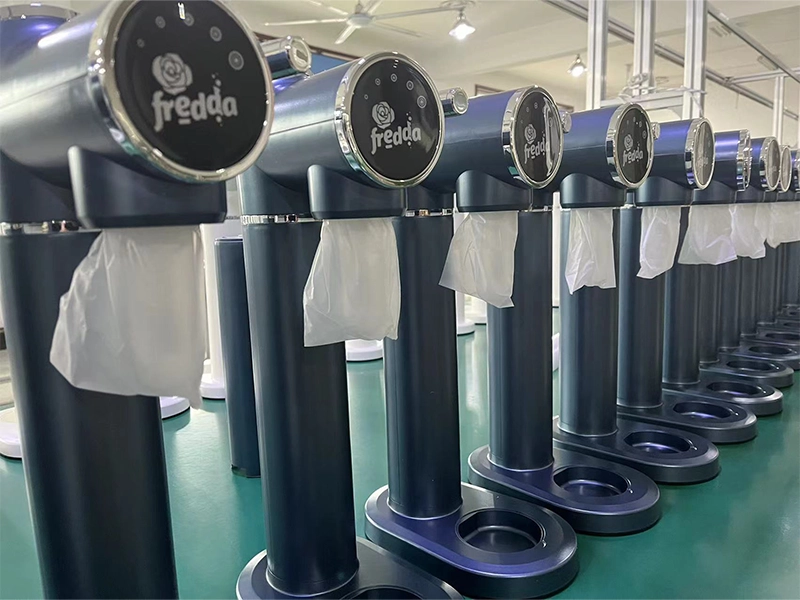
Soda maker OEM manufacturing is the process of turning a buyer’s market requirement into a finished soda maker product with agreed model selection, branding, packaging, quality checks, and shipment preparation. For importers, distributors, appliance brands, and retail buyers, the goal is not only to find a soda maker factory, but to control the full project path from sample review to mass production.
- What soda maker OEM manufacturing includes
- Define the target market
- Select the right soda maker platform
- Confirm OEM branding requirements
- Review bottles and accessories
- Discuss private tooling
- Request samples
- Confirm quality control
- Review compliance documents
- Prepare packaging
- Confirm pre-shipment review
- FAQ
Factory note: A useful OEM discussion starts with the buyer’s sales channel, target market, expected quantity, branding scope, bottle set, packaging format, and compliance document needs. Price matters, but a private label soda maker project can fail if these details are not confirmed before sampling.
What Soda Maker OEM Manufacturing Includes
Soda maker OEM manufacturing covers the practical work between product selection and shipment. A buyer may start with an existing soda maker platform and then request private label changes such as logo placement, product color, bottle set, manual language, color box artwork, barcode label, carton mark, and document support.
The project may also include sample approval, production planning, quality control, packaging review, and pre-shipment photo or video confirmation. If the project requires custom housing or exclusive model development, buyers should review the factory’s OEM soda maker manufacturer capability and manufacturing capability before discussing cost.
Common OEM Items
- Brand logo
- Product color
- Color box design
- Instruction manual
- Carton mark
- Barcode label
Project Matching Items
- Bottle set
- Accessory pack
- Market documents
- Packaging structure
- Pre-shipment photos or videos
- Shipment preparation
Define the Target Market Before Choosing a Model
Many soda maker sourcing problems begin with unclear market positioning. A model that works for one sales channel may not be suitable for another. Before asking for a quotation, buyers should decide whether the product is intended for retail shelves, online marketplaces, distributor channels, supermarket programs, gift sets, or brand-owned stores.
The target market affects the product configuration, packaging style, bottle set, document requirements, and price structure. For example, a private label buyer selling through online channels may care more about product photography, carton protection, and after-sales clarity. A retail buyer may focus on color box presentation, barcode labels, display information, and repeated batch consistency.
| Buyer Question | Why It Matters | Factory Review Point |
|---|---|---|
| Which country or region will the soda maker be sold in? | Different markets may require different document references, manuals, packaging text, and importer information. | Confirm document scope and packaging language before sample order. |
| Is the product for online sales, retail shelves, or distributor channels? | Sales channel affects box design, carton strength, product images, and accessory arrangement. | Review packaging structure before artwork approval. |
| Is the project a trial order or long-term private label line? | Trial orders usually need lower risk; long-term projects may justify tooling or deeper customization. | Separate fast-launch OEM work from ODM development work. |
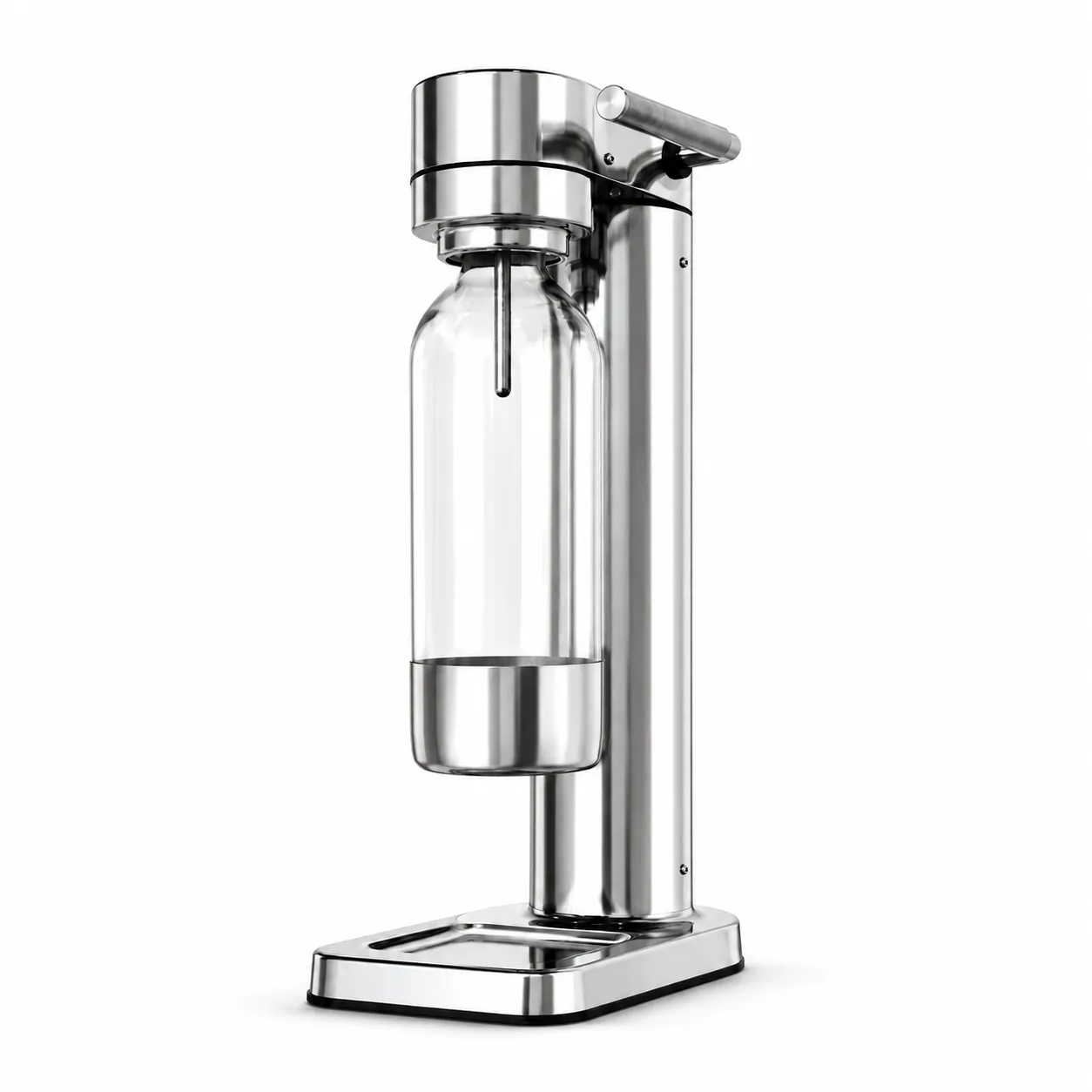
G15 — full 304 stainless steel body, CNC brass valve, double safety valve. MOQ 300 units.
See the G15 →Select the Right Soda Maker Platform
The product platform should match the buyer’s market and pricing position. A basic manual soda maker may be suitable for entry-level private label programs, while a stainless steel soda maker may fit buyers who want a stronger metal appearance and a more premium retail presentation. A beverage-capable carbonator should only be selected when the product structure is suitable for the intended liquid use.
For a broad category overview, buyers can review the sparkling water maker OEM page. If the project is focused on American market naming, the seltzer maker page may help with positioning.
Confirm OEM Branding Requirements
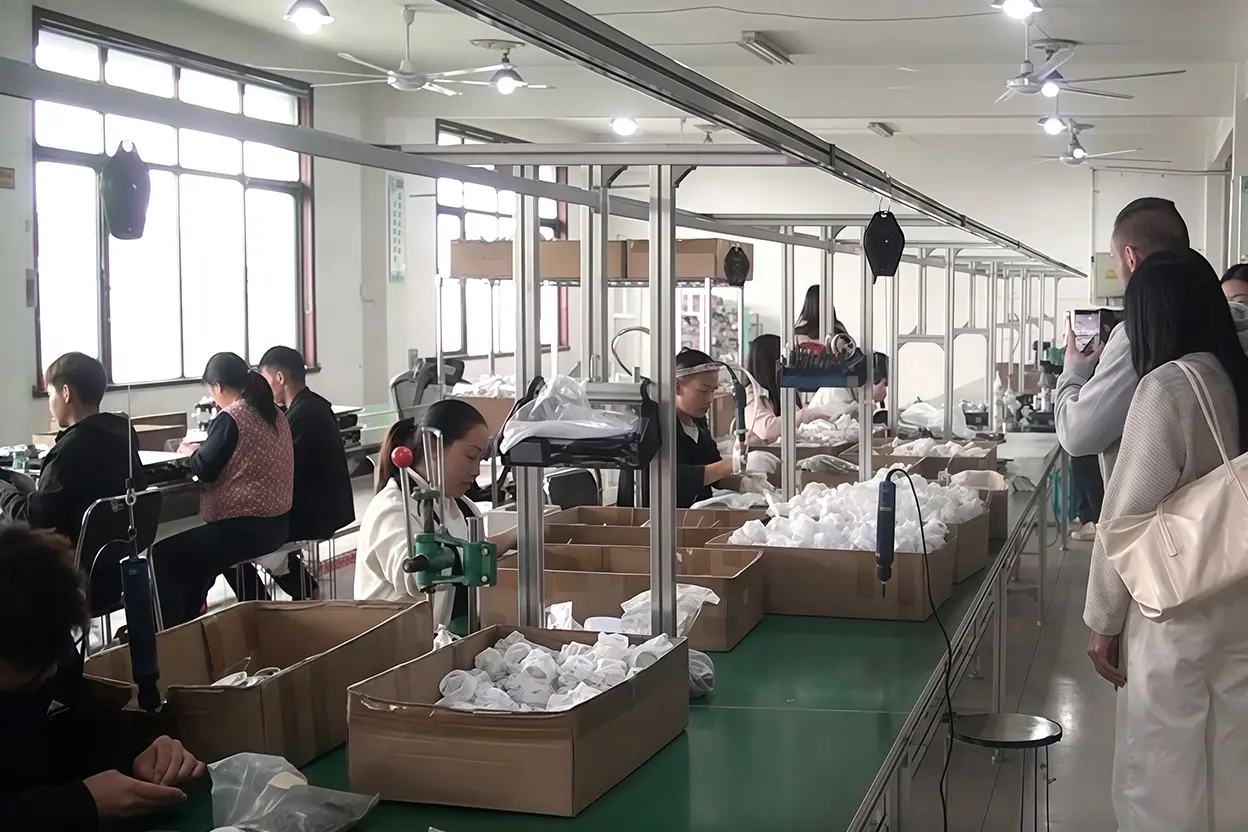
Private label soda maker projects usually involve more than placing a logo on the product. Buyers should confirm where branding will appear, how it will be applied, and whether the same artwork needs to be used across the product, bottle, manual, color box, carton, and online material.
- Logo on machine body
- Logo on bottle
- Logo on color box
- Logo on instruction manual
- Logo on carton label
- Product name on packaging
- Barcode and SKU label
- Country-specific importer information
Review Bottle and Accessory Matching
A soda maker order often includes more than the main machine. Bottle sets and accessories can affect user experience, retail value, replacement sales, and compliance review. The bottle capacity, material, cap fit, packaging method, and accessory arrangement should be confirmed before mass production.
Cheersoda’s current bottle planning should stay consistent with the available bottle specifications. If bottles are included in the retail box, confirm whether the project uses 500 ml or 1000 ml bottles, and whether the bottle is PET or stainless steel according to the final product set.
- 500 ml bottle option
- 1000 ml bottle option
- PET bottle or stainless steel bottle
- Spare bottle set
- Bottle cap fit
- Bottle packaging method
- CO2 cylinder accessory compatibility
- Instruction insert
For accessory planning, review soda maker bottles and CO2 cylinder and carbonator accessories.
Discuss Private Tooling Only When Necessary
Private tooling should be discussed with a clear project reason. It may involve housing redesign, mold development, structural feasibility review, sample adjustment, surface finish confirmation, and assembly fit testing. It also usually means higher initial project cost and a longer development schedule.
Private tooling is not always necessary. If the buyer’s main goal is to enter the market quickly with a reliable private label soda maker, using an existing model may be more practical. If the buyer needs a long-term exclusive product line, ODM development may make more sense.
Request Samples Before Mass Production
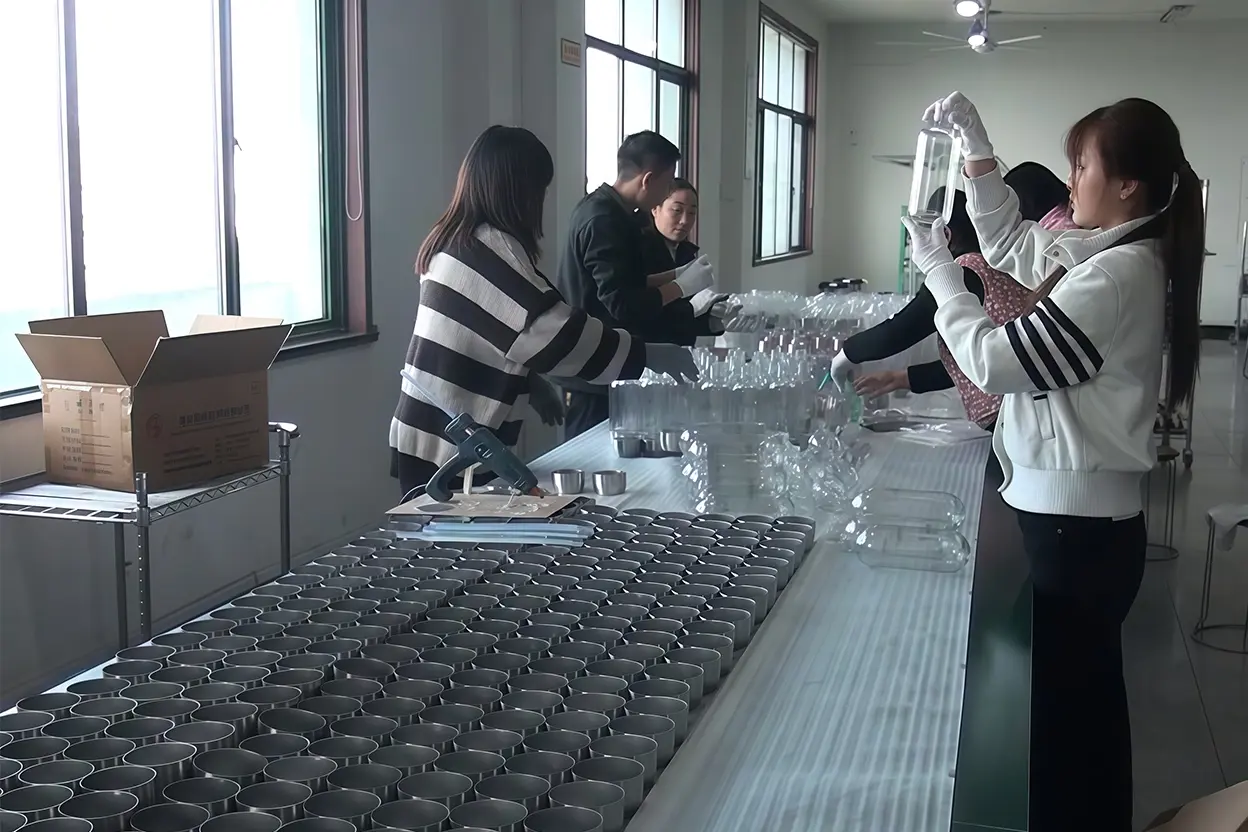
Sample review is one of the most important steps in soda maker OEM manufacturing. Buyers should not rely only on catalog photos. A sample helps confirm appearance, operation, bottle fit, packaging logic, logo position, and accessory set before money is committed to a production order.
- Product appearance
- Bottle locking feel
- Carbonation operation
- Surface finish
- Logo position
- Color matching
- Color box layout
- Manual language
- Accessory set
- Barcode label
- Carton mark
- Visible assembly issues
Confirm Quality Control Before Production
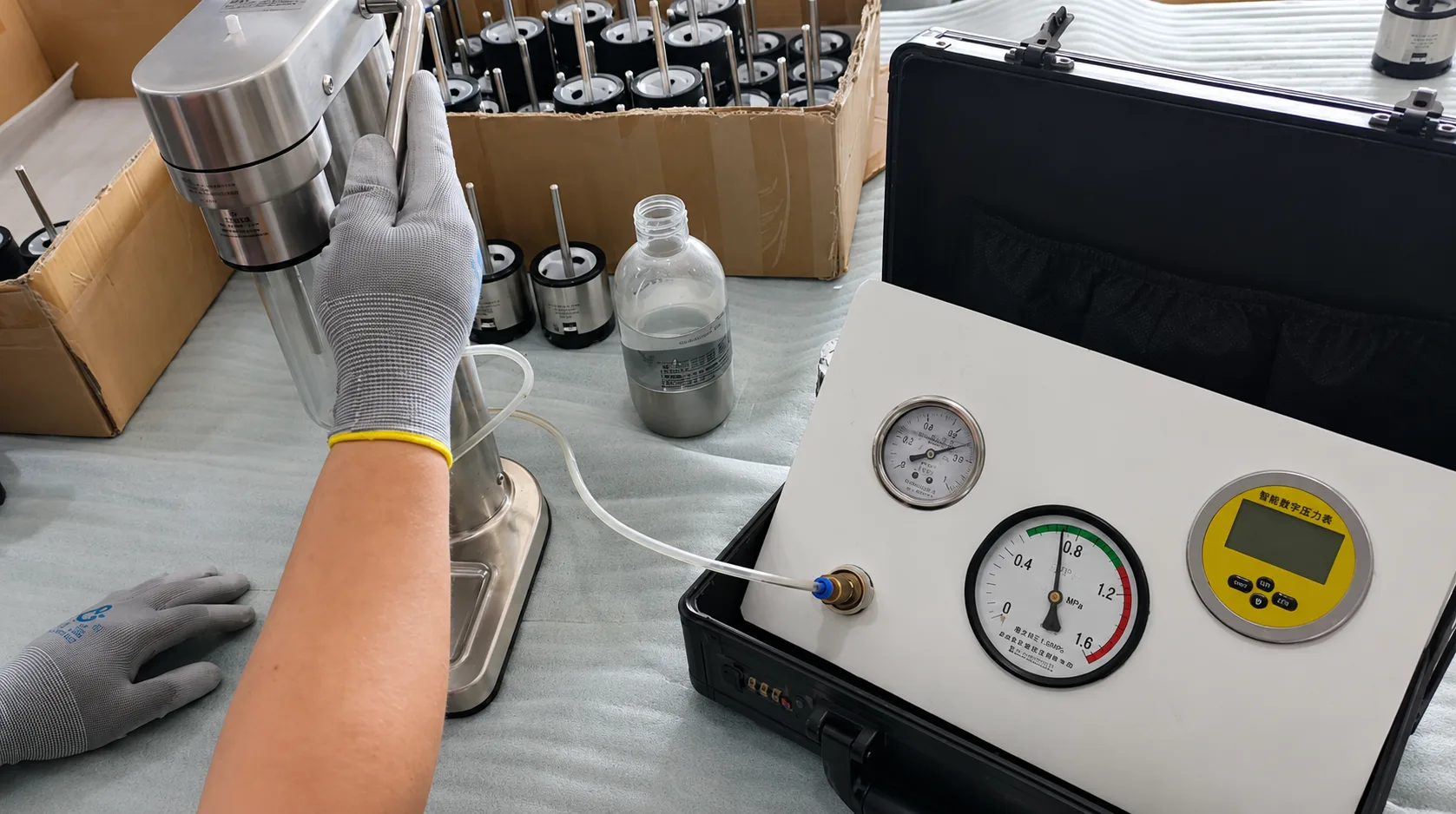
Quality control should be discussed before the order begins, not after production is finished. A serious soda maker factory should explain which checks are done during incoming material review, assembly, bottle matching, leak testing, final inspection, and packing.
- Incoming parts inspection
- Plastic housing inspection
- Bottle fit check
- Valve-related component review
- Assembly inspection
- Wet leak testing
- Pressure-related functional checks
- Final appearance inspection
- Packaging inspection
- Pre-shipment photo or video confirmation
Buyers should ask how each step is handled and which checks are suitable for the selected model. For more detail, review the Quality & Compliance page.
Review Compliance Documents by Market
Compliance requirements depend on the destination market, product structure, materials, and buyer requirements. There is no single document package that automatically fits every country. A responsible supplier should explain what documents are available, what can be reviewed, and what may require additional third-party testing.
- ISO 9001 factory quality reference
- FDA food-contact material references
- LFGB
- EU FCM
- RoHS
- Material declarations
- Product specification sheets
- Test reports based on project scope
- Packaging files
- Instruction manual review
Buyers should be careful with suppliers who promise guaranteed customs clearance for every market. Real compliance work depends on product material, document scope, testing standard, importer responsibility, and destination-country requirements.
Prepare Packaging for Retail or Wholesale Channels
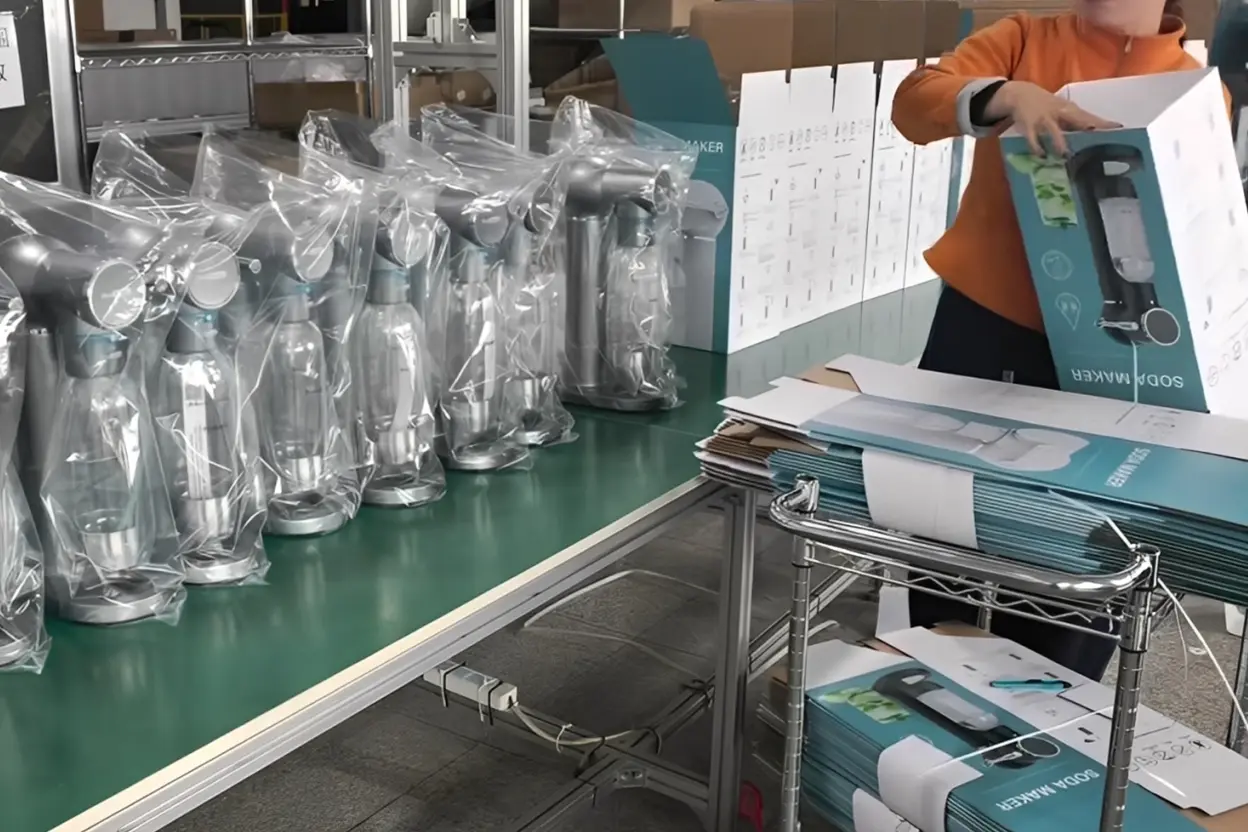
Packaging is part of manufacturing, not an afterthought. For private label soda maker projects, packaging must match both product protection and retail presentation. Packaging approval should be completed before mass production, especially when the project involves barcode labels, importer details, warning text, and carton marks.
- Color box size
- Box material
- Product image
- Manual placement
- Bottle and accessory placement
- Inner protection
- Barcode label
- Warning label where required
- Carton mark
- Pallet or container loading requirement
Confirm Pre-Shipment Review
Before shipment, buyers should request a final review package. This does not replace a third-party inspection when required, but it helps reduce basic communication errors before the order leaves the factory.
- Finished product photos
- Packaging photos
- Carton mark photos
- Accessory set photos
- Random product checks
- Quantity confirmation
- Document list
- Loading preparation photos where applicable
Common Mistakes in Soda Maker OEM Projects
Planning Mistakes
- Choosing a model only by price
- Starting packaging design too late
- Not confirming bottle compatibility
- Requesting documents after production is finished
Production Mistakes
- Changing logo or packaging after sample approval
- Ignoring MOQ and production schedule
- Not checking instruction manual language
- Treating OEM and ODM as the same project type
What to Prepare Before Contacting a Soda Maker Factory
A clear project brief helps the factory respond with better model suggestions, more accurate quotation details, and fewer repeated questions. Buyers do not need a perfect specification sheet at the first message, but the following information is useful.
- Company name
- Country or target market
- Buyer type
- Expected order quantity
- Target launch date
- Preferred soda maker model
- Private label requirements
- Packaging requirements
- Bottle and accessory needs
- Compliance documents requested
Why Work With a Factory Instead of a Trading Company
A factory-side soda maker supplier can usually support deeper project communication than a trading company. This matters when the order involves private label packaging, product testing, sample adjustment, repeated production, and document review.
- Faster technical review
- Direct sample feedback
- Better packaging coordination
- More accurate production planning
- Clearer quality control process
- Better document preparation
- Long-term model improvement
FAQ
What is soda maker OEM manufacturing?
Soda maker OEM manufacturing means producing soda makers under a buyer’s brand using an agreed model, logo, packaging, manual, accessory set, and quality control process.
Is OEM the same as ODM?
No. OEM usually uses an existing factory model with brand and packaging customization. ODM may involve new housing design, private tooling, structural changes, and longer development work.
Can I request private label packaging?
Yes. Private label packaging can include color box design, manual, barcode label, carton mark, product name, importer information, and retail display requirements.
What documents should I ask for?
Document needs depend on your market. Common requests include ISO 9001, FDA food-contact material references, LFGB, EU FCM, RoHS, product specifications, material declarations, and project-specific test reports where applicable.
Should I order samples first?
Yes. Sample review is important for checking product appearance, operation, bottle fit, packaging, logo placement, and accessory set before mass production.
Planning a Soda Maker OEM Project?
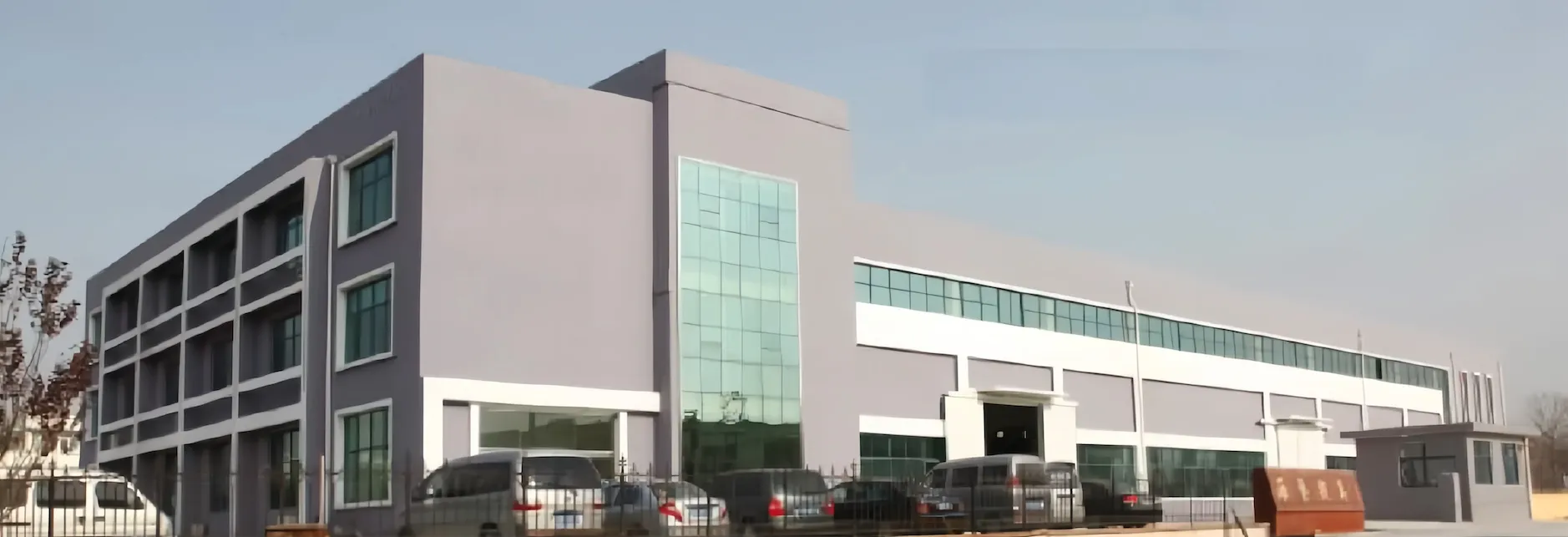
Cheersoda supports OEM and private label soda maker projects from its Qingdao factory, including model selection, manufacturing coordination, bottle and accessory matching, quality checks, packaging preparation, and document review based on the agreed project scope.
Related guides: private label soda maker and sample order guide.