
Quick Answer
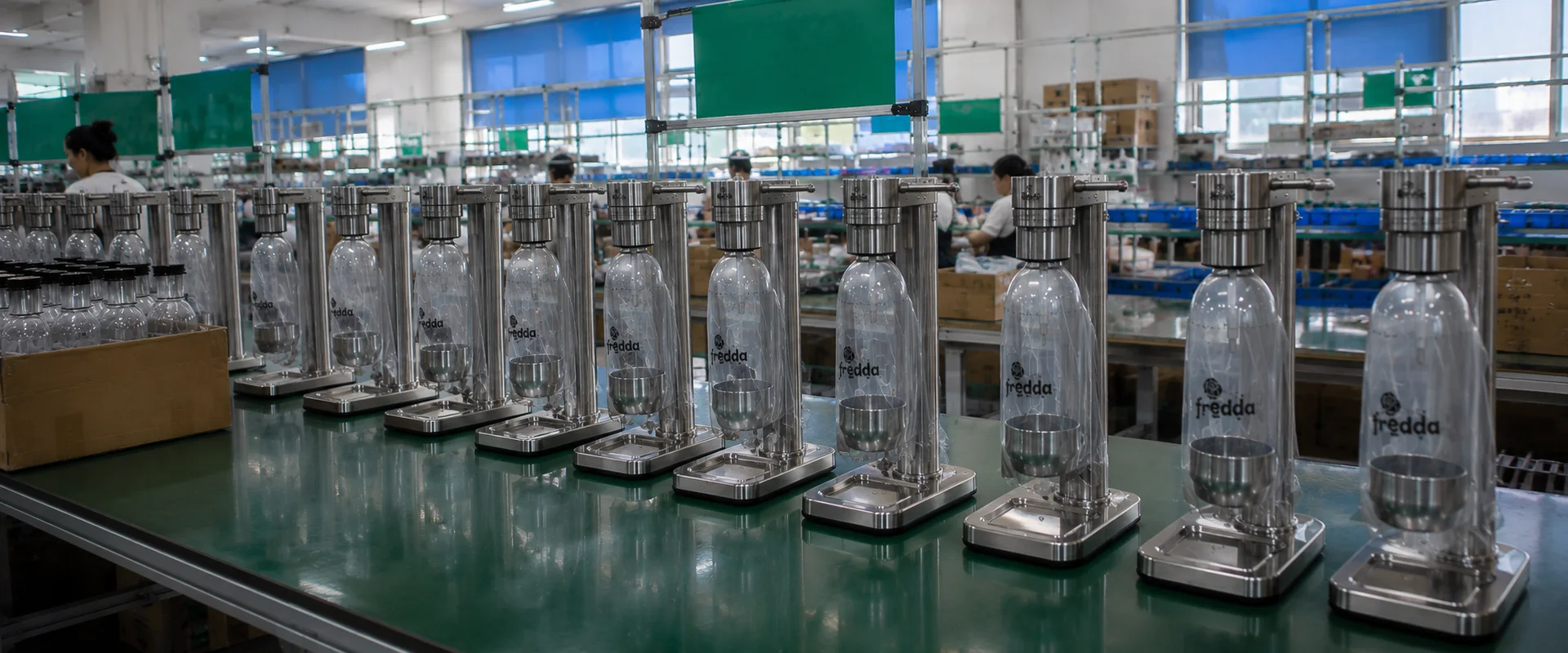
When initiating a new project, material selection is a foundational step. Stainless steel soda makers are generally more suitable when a project prioritizes a premium appearance, long-term surface durability, and stronger brand positioning. Plastic soda makers may be more suitable when weight, color flexibility, production cost, or entry-level retail positioning are more important. The correct choice depends on the confirmed product structure, bottle and CO₂ compatibility, target market, packaging requirements, and sample evaluation.
Material choice directly impacts tooling investments, cleaning protocols, visual aesthetics, and shipping logistics. While both stainless steel and plastic can be engineered for distinct market segments, OEM buyers must review all structural requirements holistically. Final decisions should always be based on comprehensive sample testing and detailed technical alignment. Please confirm the final specification with the Cheersoda engineering team before ordering.
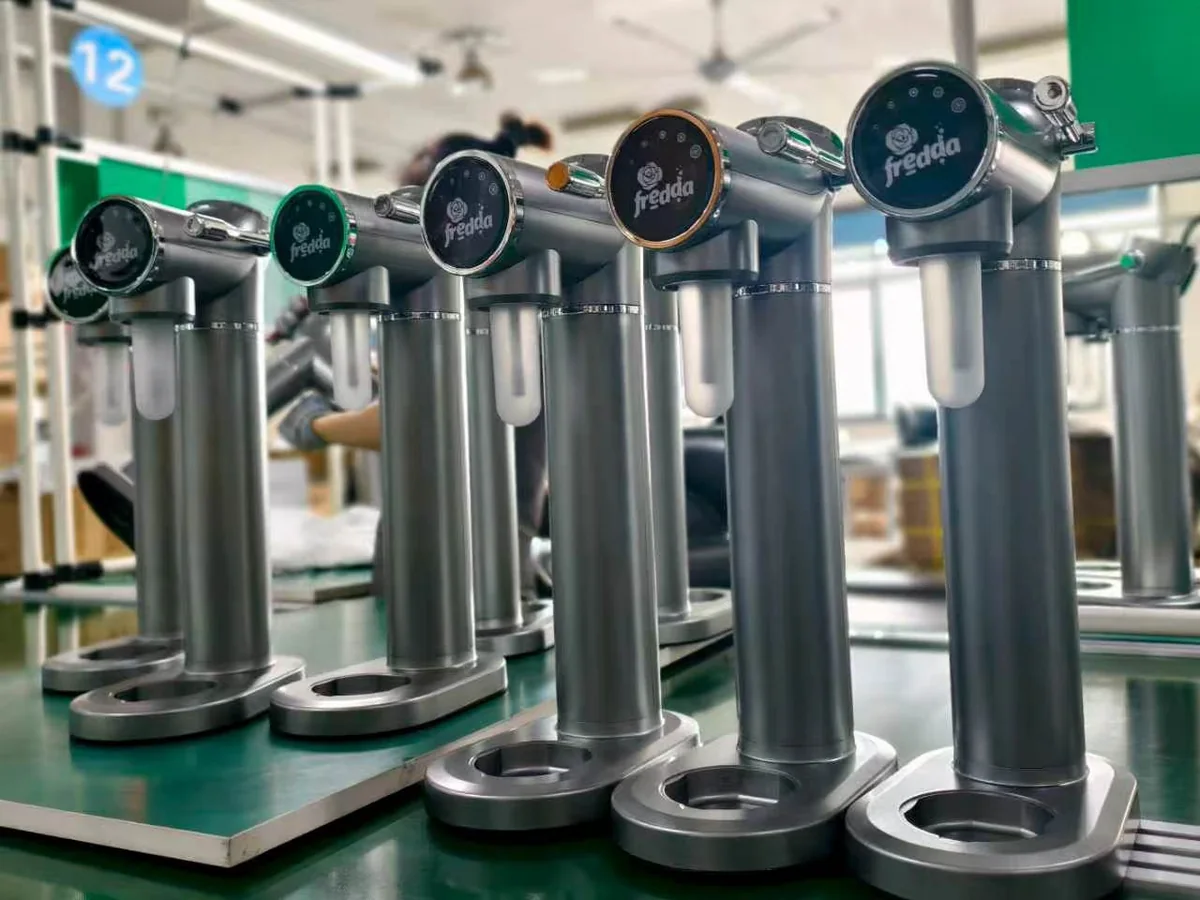
Choose stainless steel when:
- Premium product appearance is important.
- The product will be positioned as a durable or design-led appliance.
- Surface feel and visual quality matter at retail.
- The brand wants a stronger metal product identity.
- The project requires detailed review of surface finishing and cleaning access.
Consider plastic when:
- Lower weight is important for handling or shipping.
- Color variation is a core part of the product concept.
- The project targets entry-level or mass retail positioning.
- The brand wants more flexibility in exterior styling.
- Packaging weight and logistics efficiency are major considerations.
Material alone does not determine product quality. Buyers should review the confirmed structure, internal components, bottle interface, safety requirements, packaging, and sample performance together.
Material Evaluation Matrix
| Evaluation Point | Stainless Steel Soda Maker | Plastic Soda Maker | What OEM Buyers Should Confirm |
|---|---|---|---|
| Product positioning | Premium, durable, design-led appliance | Entry-level, mass retail, versatile | Target market acceptance |
| Surface appearance | Sleek metallic, polished or brushed finish | Matte or glossy, wide color range | Retail presentation requirements |
| Perceived durability | High tactile weight and solid feel | Lightweight and flexible | To be confirmed with engineering |
| Weight and handling | Heavier, stable on countertops | Lighter, easier to move | Gross weight for logistics |
| Color and exterior styling | Limited to metallic tones and coatings | Highly flexible Pantone matching | Brand color consistency |
| Cleaning and maintenance access | Wipes easily, requires drying to prevent spots | Standard wiping, resists water spots well | User manual cleaning instructions |
| Scratch and surface care | Shows fingerprints on polished versions | Scratch visibility depends on finish | To be confirmed with engineering |
| Bottle compatibility | Compatible with standard designs | Compatible with standard designs | Check soda maker bottle compatibility |
| CO₂ connection compatibility | Standard internal fit | Standard internal fit | To be confirmed with engineering |
| Packaging and shipping | Requires robust carton due to weight | Highly efficient, lower freight costs | Carton drop-test standards |
| Private-label branding | Laser engraving or silk printing | Silk printing or custom molding | Logo placement and sizing |
| Retail shelf positioning | Boutique, high-end department stores | Supermarkets, mass online retail | Competitor benchmarking |
| Sample evaluation focus | Surface finish, weight, branding clarity | Color accuracy, mold seams, rigidity | Review sample order guide |
| Long-term service considerations | Highly resilient housing | Reliable for standard domestic use | To be confirmed with engineering |
| Engineering confirmation required | Tooling, surface coating specs | Injection mold details, Pantone codes | Final blueprint sign-off |
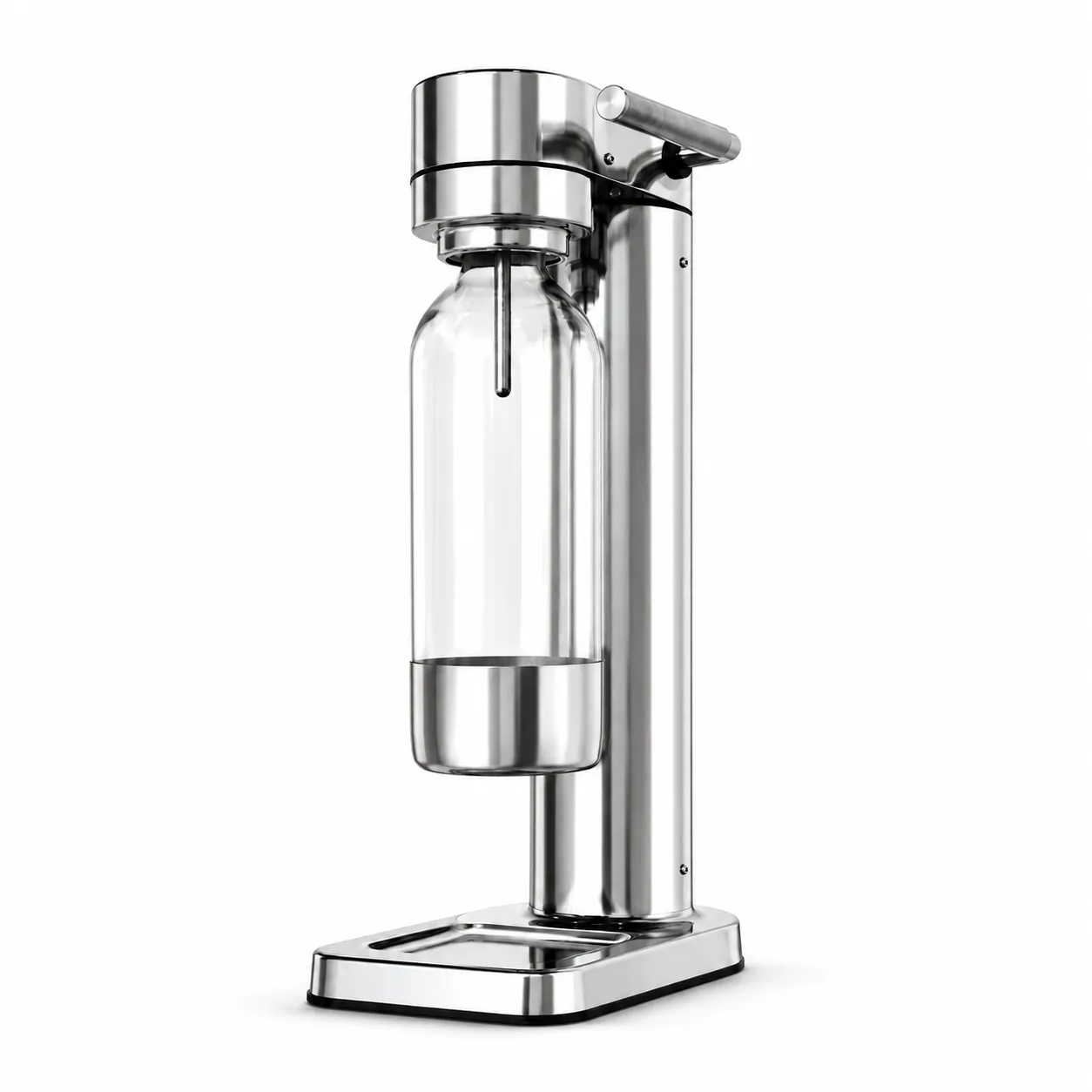
G15 — full 304 stainless steel body, CNC brass valve, double safety valve. MOQ 300 units.
See the G15 →When Stainless Steel May Be the Better OEM Choice
1. Product appearance and brand positioning
A stainless steel exterior instantly communicates a premium, professional-grade aesthetic. If your target market expects high-end kitchen appliances that blend with modern decor, this material elevates the perceived value. Buyers must evaluate whether this premium look aligns with their target retail price point.
2. Surface durability and daily handling
Stainless steel offers robust resistance to physical impacts and structural wear over time. However, buyers should check if the surface is prone to fingerprints or minor scratches during daily handling. Confirm surface treatment options like brushed or matte finishes with the factory.
3. Cleaning and maintenance expectations
While inherently sanitary and easy to wipe down, stainless steel requires thorough drying to prevent water spots. Buyers must confirm that the cleaning areas around the nozzle and drip tray are easily accessible without sharp edges.
4. Retail presentation and customer perception
The tactile weight of a stainless steel machine provides a convincing “solid” feel when customers interact with display models. For a G720 soda maker or similar high-end units, this physical presence is a strong selling point.
5. Packaging, weight and shipping considerations
The added weight of metal significantly impacts logistics. Buyers must calculate the increased freight costs and ensure the packaging is engineered to support the heavier product during transit. Ask the factory to confirm the gross carton weight.
6. Logo placement and surface finishing
Branding on metal requires specific techniques. Determine whether your logo will use silk printing, laser etching, or applied badging. Each method affects the visual outcome and unit cost for a private-label soda maker options project.
7. What the buyer should confirm before sampling
Before authorizing samples, OEM buyers must confirm the exact material grade, the specific surface finish code, logo application methods, and require engineering drawings. Please confirm the final specification with the Cheersoda engineering team before ordering.
When Plastic May Be the Better OEM Choice
1. Weight and logistics
Plastic housings dramatically reduce the net weight of the appliance. This leads to highly efficient pallet loading and lower shipping costs per unit, which is crucial for high-volume import programs and e-commerce fulfillment.
2. Color and exterior design flexibility
Injection-molded plastics offer unparalleled freedom to match seasonal color trends or exact brand Pantone codes. This flexibility is perfect for brands wanting to offer multiple SKUs or limited-edition colorways.
3. Retail price positioning
For projects targeting mass-market adoption, entry-level pricing is essential. High-quality plastic manufacturing allows brands to offer reliable carbonation performance—like the G720 soda maker—at a highly competitive retail price point.
4. Packaging efficiency
Lighter products exert less stress on retail packaging. This allows for more streamlined, eco-friendly, and cost-effective carton designs while still passing standard drop tests for safe transit.
5. Cleaning and surface care
Modern textured or matte plastic finishes are highly forgiving regarding fingerprints and daily smudges. They are simple to wipe down, though abrasive cleaners must be avoided to maintain the finish.
6. Private-label visual customization
Plastic surfaces accept high-contrast silk screening exceptionally well, ensuring logos stand out clearly. The material also allows for intricate molding details, adding subtle brand textures directly into the housing.
7. What the buyer should confirm before sampling
Buyers should request details on color consistency, UV resistance of the plastic, mold seam locations, and logo durability. Please confirm the final specification with the Cheersoda engineering team before ordering to ensure the plastic grade meets your market standards.
How Material Choice Affects an OEM Soda Maker Project
Define the target market
Establish whether the audience values luxury weight or practical affordability.
Confirm retail positioning
Align material costs with your intended shelf price and competitor benchmarking.
Review product appearance
Decide between metallic finishes or vibrant, custom-injected colors.
Check bottle and CO₂
Ensure the chosen housing design securely accommodates standard cylinders.
Review maintenance
Evaluate how easily the end-user can clean the specific surface finish.
Confirm packaging
Adjust carton strength and logistics planning based on the material’s weight.
Compare samples
Physically test both materials to gauge tactile feel and branding clarity.
Approve specification
Lock in the engineering blueprint, material grades, and performance metrics.
Confirm branding
Finalize logo placement, printing methods, and master carton details.
Approve pilot production
Run a small batch to verify mass-production consistency before full rollout.
Which Material Fits Your Buying Situation?
For importers and distributors
Focus heavily on product positioning and retail channels. Your material choice dictates packaging resilience and shipping costs per container. Prioritize sample testing and verify aftermarket maintenance protocols before committing to a OEM soda maker manufacturing contract.
For private-label brands
Visual differentiation is your primary concern. Assess how the material highlights your logo and brand colors. Ensure the final packaging presentation and target market acceptance align with your broader brand style.
For online retailers
Image presentation and logistics are critical. Consider how the material photographs. Lighter materials reduce freight costs, but heavier materials may lower perceived return rates if customers expect a solid appliance. Evaluate the risk of packaging damage during single-unit courier transit.
For hospitality or commercial projects
High usage frequency demands robust surface durability and easy cleaning operations. Engineering confirmation regarding long-term wear and operational convenience is vital to minimize downtime and maintenance overhead.
What to Review at the Factory Before Choosing a Material
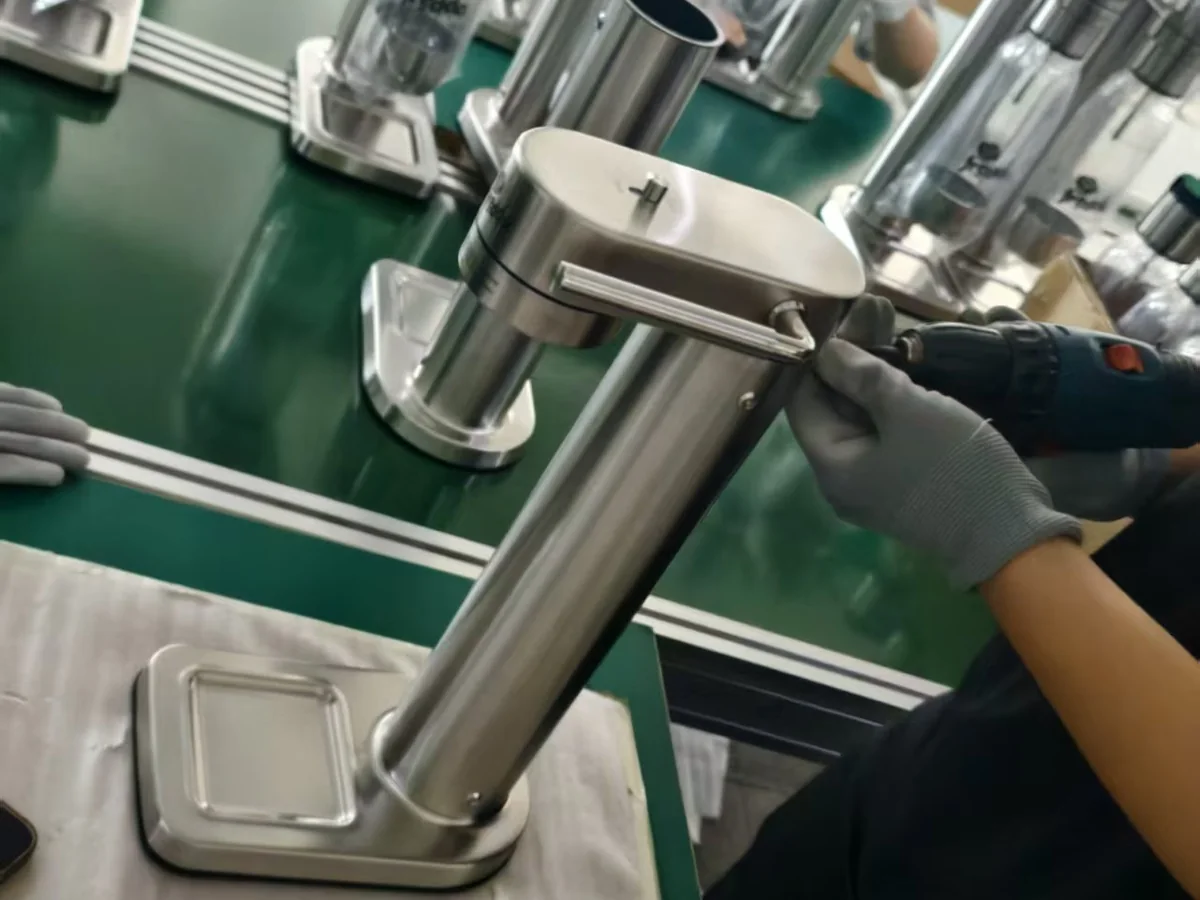
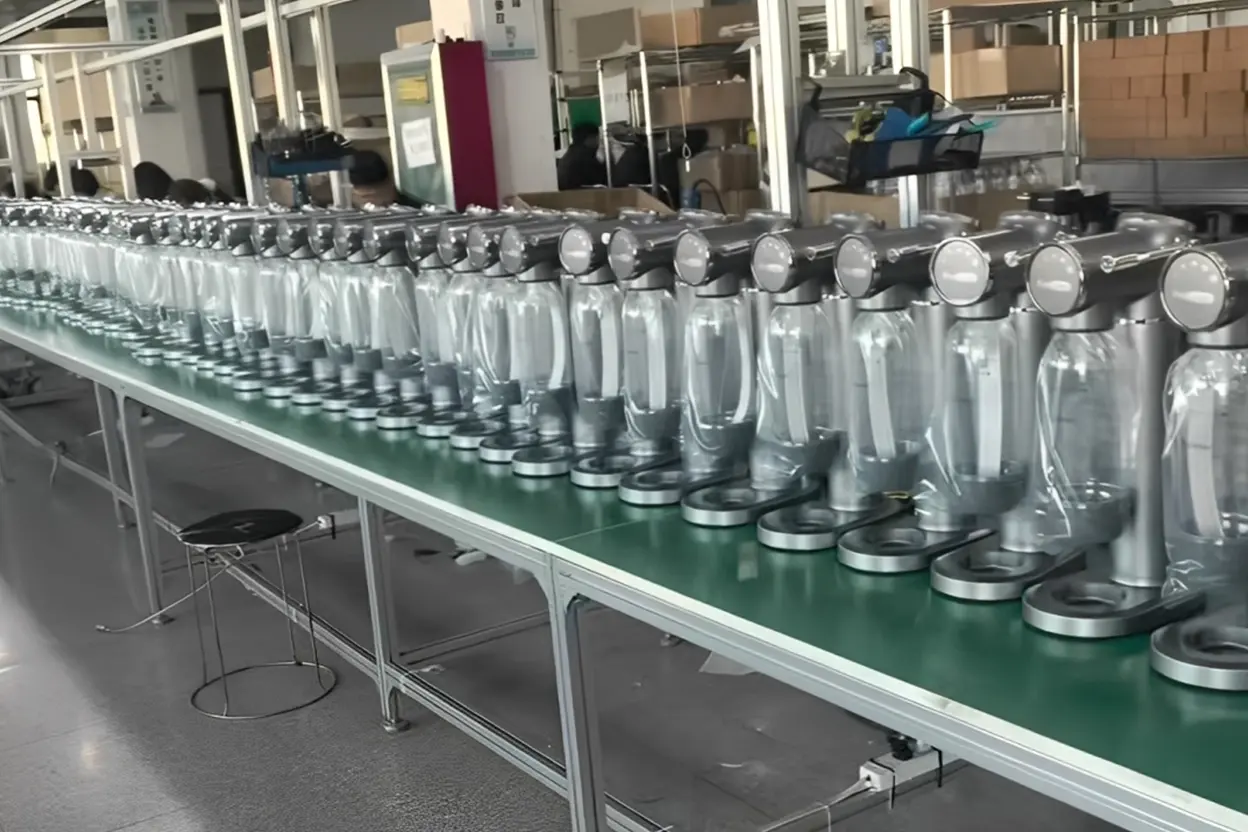
Stainless Steel Assembly
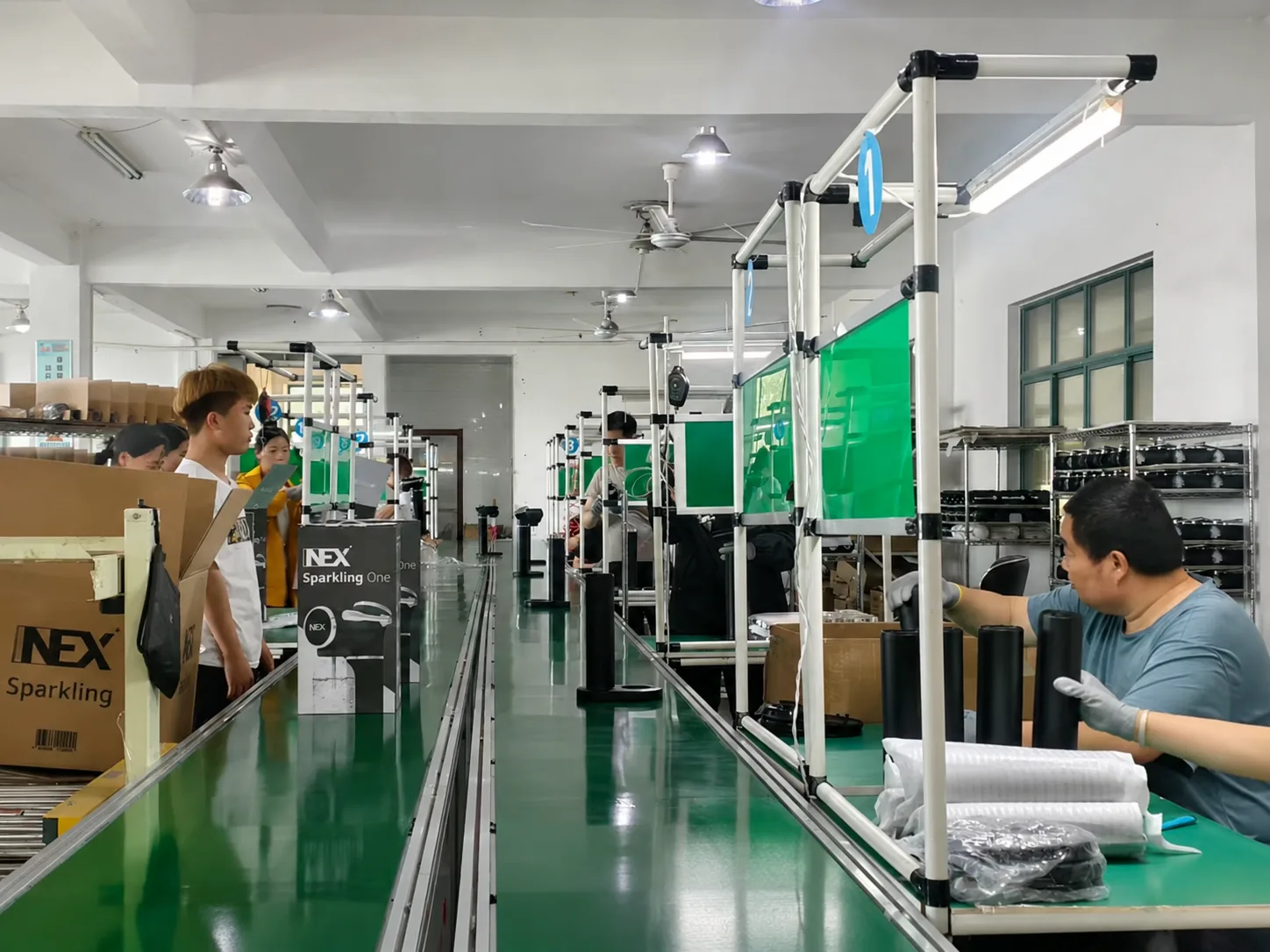
Plastic Housing Preparation
Quality Inspection
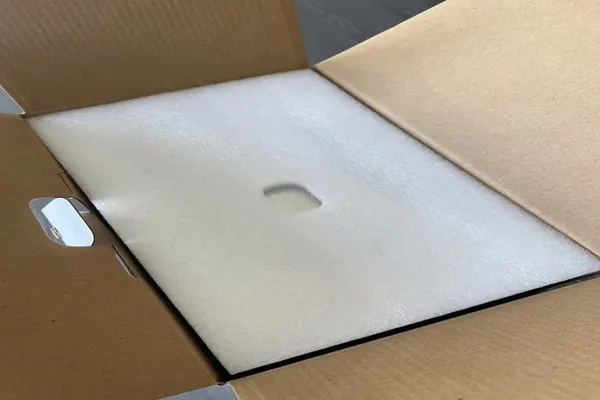
Packaging Preparation
See the Soda Maker Production and Testing Process
A factory video can help buyers review the actual production, inspection, and packaging environment before requesting samples.
Material Selection Checklist for OEM Soda Maker Buyers
-
Target market and retail positioning
Confirm the final requirement with the Cheersoda engineering or export team before production.
-
Preferred product appearance
Confirm the final requirement with the Cheersoda engineering or export team before production.
-
Expected order quantity
Confirm the final requirement with the Cheersoda engineering or export team before production.
-
Bottle material and size
Confirm the final requirement with the Cheersoda engineering or export team before production.
-
CO₂ cylinder or cartridge compatibility
Confirm the final requirement with the Cheersoda engineering or export team before production.
-
Cleaning requirements
Confirm the final requirement with the Cheersoda engineering or export team before production.
-
Surface finish and color
Confirm the final requirement with the Cheersoda engineering or export team before production.
-
Logo placement
Confirm the final requirement with the Cheersoda engineering or export team before production.
-
Packaging dimensions
Confirm the final requirement with the Cheersoda engineering or export team before production.
-
Carton marking
Confirm the final requirement with the Cheersoda engineering or export team before production.
-
Required certifications
Confirm the final requirement with the Cheersoda engineering or export team before production.
-
Sample approval method
Confirm the final requirement with the Cheersoda engineering or export team before production.
-
Spare parts requirements
Confirm the final requirement with the Cheersoda engineering or export team before production.
-
Warranty and after-sales expectations
Confirm the final requirement with the Cheersoda engineering or export team before production.
-
Pilot order requirements
Confirm the final requirement with the Cheersoda engineering or export team before production.
A Practical Decision Path
Choose stainless steel first if premium appearance and surface perception are central to the project.
Choose plastic first if shipping weight, color flexibility, and entry-level positioning are more important.
Request samples of both materials if the project is still evaluating market fit.
Ask the factory to confirm the current configuration before approving tooling, packaging, or mass production.
Material choice changes the compliance file as well as the price; our quality and compliance page shows which food-contact reports cover each material.
Material choice also affects how a range is positioned against established brands – see our guide to SodaStream alternatives for OEM projects.
Frequently Asked Questions
Is stainless steel better than plastic for a soda maker?
Which material is easier to clean?
Which material is lighter for shipping?
Which material is better for private-label branding?
Does the material affect bottle or CO₂ compatibility?
Which material is more suitable for retail products?
Should I request samples of both materials?
What should I confirm before placing an OEM order?
Can Cheersoda customize the color and logo?
How can I compare the final samples?
Need Help Choosing the Right Soda Maker Material?
Tell us your target market, expected order quantity, preferred appearance, bottle requirements, packaging plan, and whether you are considering stainless steel, plastic, or both. The Cheersoda team can help you review the current configuration and prepare the next step for sampling. Contact the factory team for personalized guidance.
Request Material ComparisonRelated guides: stainless steel soda makers and G15 stainless steel soda maker.