B2B BUYING GUIDE
A soda maker OEM quotation is built from more than the machine body. Model structure, order quantity, colors, logo method, bottle set, retail packaging, testing, tooling and shipment terms can all change the final number.
This guide explains the main cost drivers in a private-label soda maker project. It is written for importers, distributors and brand owners who need to compare quotations on the same basis before ordering samples or planning a market launch.
What a soda maker OEM cost actually includes
When a buyer asks for a soda maker price, the supplier needs to know what is being priced. Is the quotation for one manual machine, a machine with a 1-liter PET bottle, a retail-ready set, or a private-label package with a branded box and manual? Are samples included? Is the price EXW, FOB, or based on another delivery term?
The cost structure also depends on the production route: our OEM vs ODM soda maker comparison explains where the two models differ on tooling, customization and unit cost.
A low number can look attractive when important items are excluded. A higher number can be reasonable when it includes a stainless steel body, protective foam, a bottle set, printed packaging, inspection and export preparation. The right comparison is not “which supplier has the lowest unit price?” It is “which quotation describes the same finished product and project responsibility?”
The seven main cost drivers
| Cost driver | What may change | What the buyer should confirm |
|---|---|---|
| Base model | Body material, valve structure, operating method and included parts | Exact model code, specification sheet and set contents |
| Order quantity | Production efficiency, material purchasing and packaging economics | MOQ per model, color and packaging version |
| Tooling or mold work | New mold, mold modification, engineering time and sample iterations | What is being changed, who owns the tooling and what is included |
| Color and finish | Standard color, custom color, painting, coating or metal surface treatment | Color reference, finish standard and approval sample |
| Branding and packaging | Logo method, bottle marking, color box, manual and carton labels | Artwork scope, printing quantity, proofing and packaging structure |
| Testing and documents | Model-specific tests, material documents and buyer inspection requirements | Which documents and inspections apply to the chosen configuration |
| Shipment term | Pickup, export handling, loading, freight and destination responsibility | EXW, FOB or another term, plus carton data and loading plan |
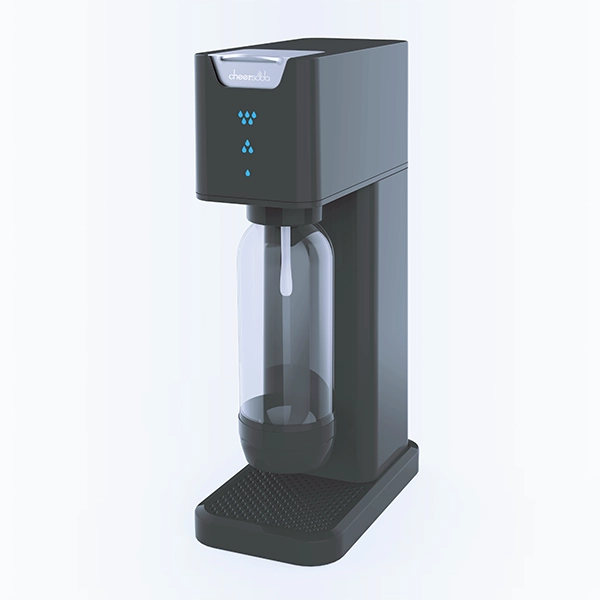
G3 — fully mechanical with a button-battery LED. No plug-in power, no electrical certification burden. MOQ 300 units.
See the G3 →Model selection sets the starting point
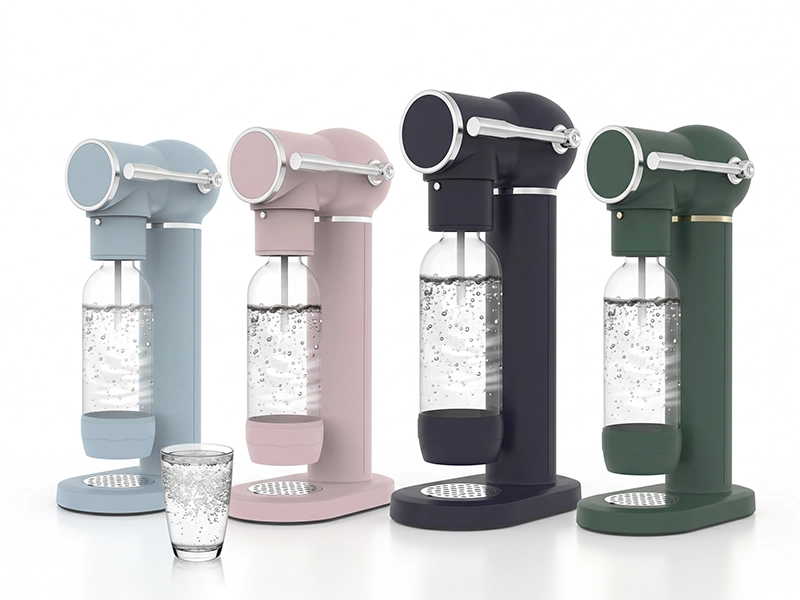
A standard manual sparkling water maker is usually the simplest starting point for a market test. A stainless steel soda maker may carry different material, surface-finish and packaging requirements. An any-beverage carbonator may require a different explanation of permitted liquids, cleaning and operating use. These are not just different names for the same quotation.
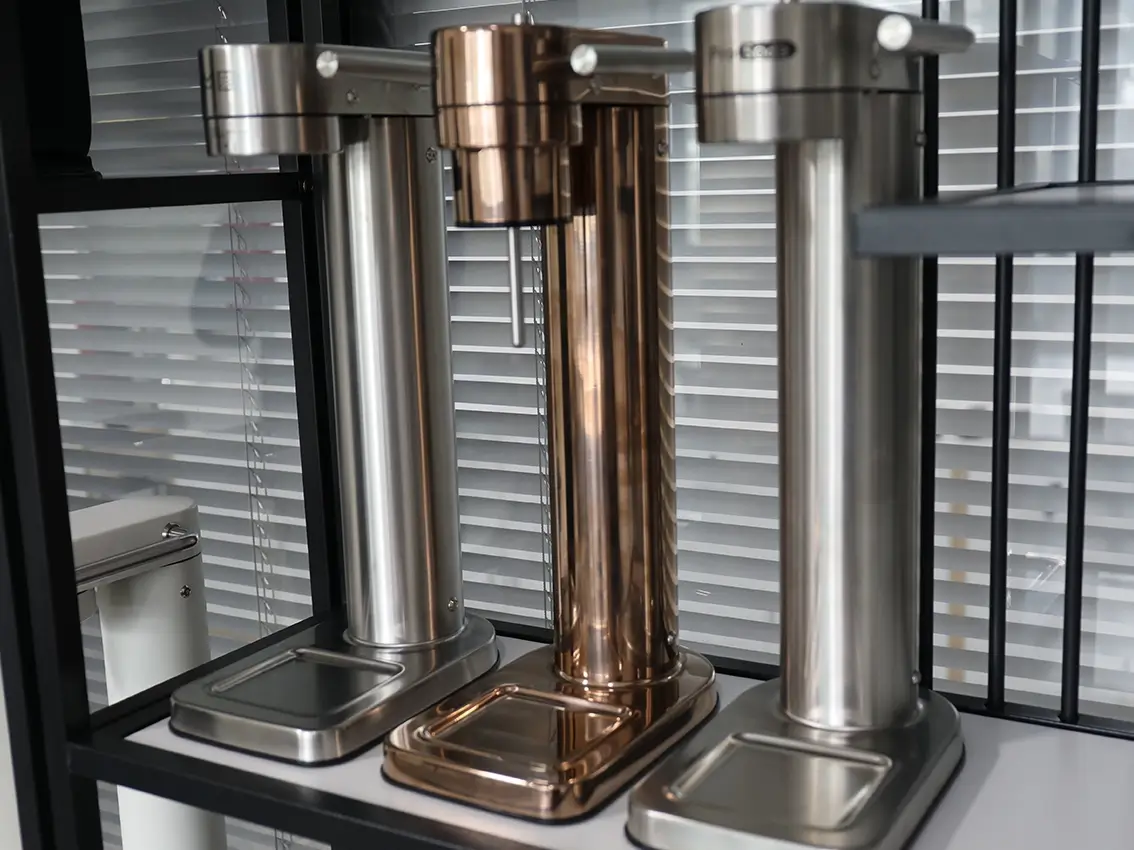
Compare model specifications before comparing prices. The G15 stainless steel series, for example, is suited to a brand that wants a metal exterior and a more substantial retail presentation. A plastic model such as G830 may be more suitable for a distributor testing a broader price range. The correct choice depends on the market channel, target retail position, expected volume and packaging plan.
Quantity affects the quotation, but MOQ is not the whole story
Quantity affects how the factory purchases materials, schedules assembly, prepares cartons and spreads setup work across the order. A 40-unit market test, a 500-unit private-label order and a larger distributor program may require different commercial discussions.
Ask whether the MOQ is calculated per model, per body color, per logo version or per retail box. A buyer may be able to combine models or colors under a project total, but that depends on production planning and packaging requirements. Do not assume that a quantity shown on a general product page automatically applies to every customization option.
For a trial order, the buyer should ask for a clear sample price, the production price at the planned quantity, the price at the next volume tier and the conditions for repeat orders. This makes it easier to evaluate both the first market test and the possible scale-up.
Tooling and mold modification need a separate line
Logo printing and packaging artwork are not the same as mold modification. A logo may be applied through printing, laser marking or another agreed method. A change to the body structure, button location, surface detail or brand-specific geometry may require engineering review and tooling work.
Ask the supplier to separate one-time tooling charges from recurring unit costs. Confirm the scope of the modification, expected sample rounds, approval method, ownership or usage rights, and the quantity or agreement required before the factory begins the work. A written tooling description protects both sides from different expectations later.
For a brand building a high-value line, tooling can be worthwhile when it creates a recognizable product and supports a longer sales program. For a short market test, using a confirmed standard structure with controlled branding may reduce the initial financial commitment.
Color and surface finish change more than the appearance
A standard black, white or existing color may be easier to schedule than a custom color. A special color can involve a sample approval, color matching, separate production planning, paint or coating work and additional appearance inspection. Metal surfaces also need protection during assembly and shipment because scratches and fingerprints are more visible.
Send a reference color, target finish and acceptable tolerance. Confirm whether the supplier will approve a physical sample before mass production. The quotation should state whether the color applies to the machine body, button, bottle cap, base or retail packaging.
Branding and retail packaging are separate budget items
A private-label soda maker project may include a machine logo, bottle logo, color box, instruction manual, barcode label, warning label, carton mark and master-carton information. Each item has its own artwork, approval and production step.
Ask whether the price includes standard logo application or only the unbranded machine. Confirm the print method, logo colors, location, minimum quantity, artwork format and proofing process. For packaging, request the die line or artwork template, box material, internal protection and carton dimensions.
Bottle and accessory choices affect the finished set
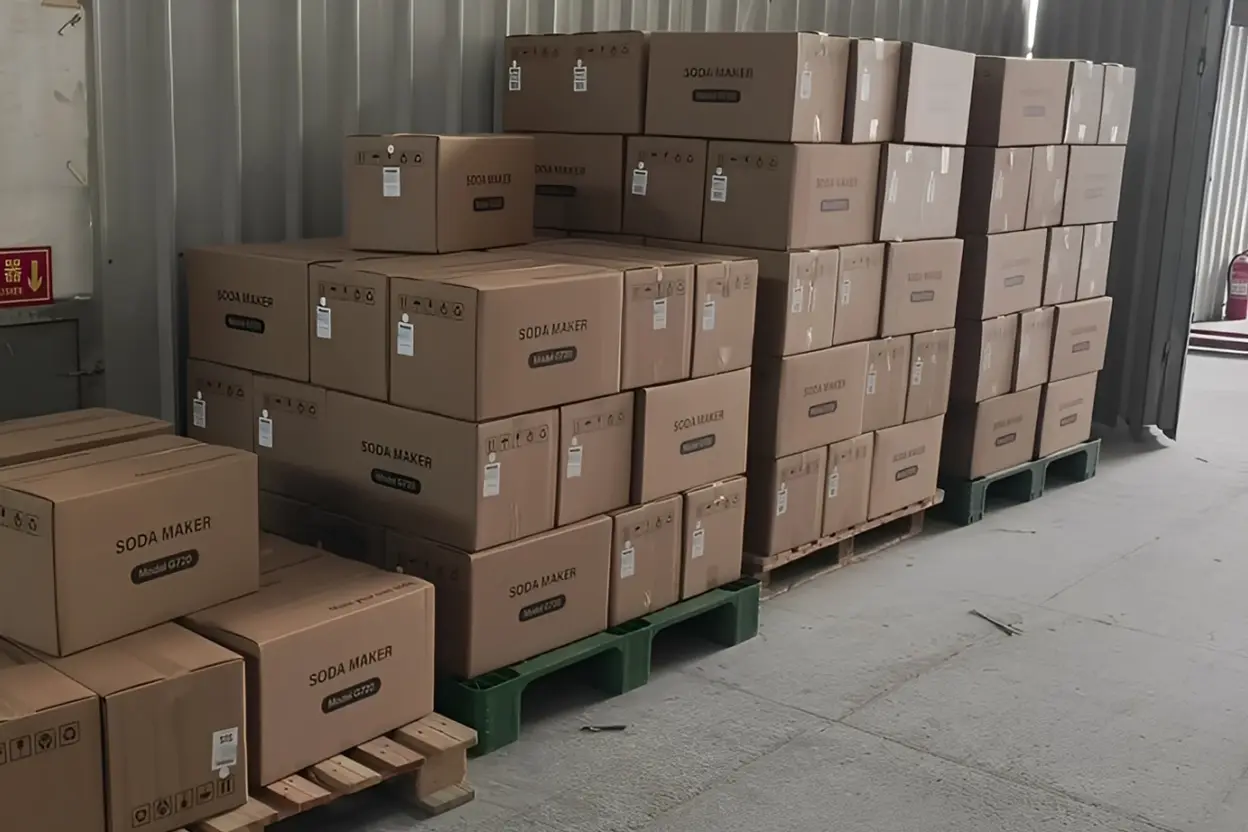
Some quotations cover the machine only. Others include one PET bottle, a stainless steel bottle, replacement caps or a complete accessory pack. Confirm the exact bottle material, capacity, mouth connection, cap, base and packaging arrangement.
Cheersoda currently discusses 500 ml and 1000 ml bottle options for relevant projects. The correct bottle must still be matched to the selected machine. A bottle should not be described as universally compatible without a model and fit review.
If a distributor wants after-sales stock, spare bottle sets may be planned as a separate line. This can make the first order more useful for local replacement sales, but it also changes carton count, packaging and shipment calculations.
Testing and documents should match the selected configuration
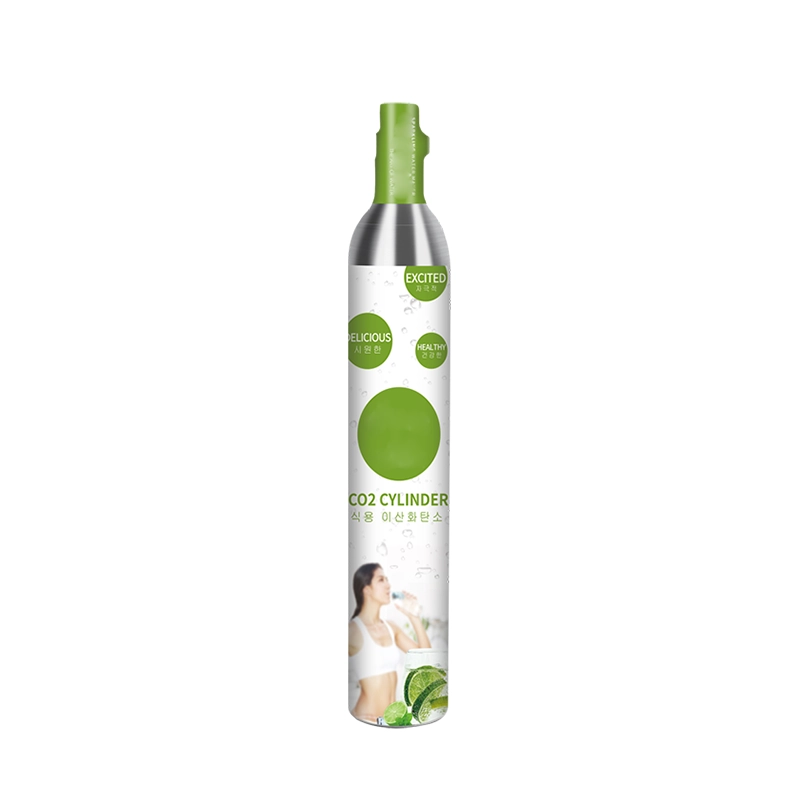
Testing and compliance documents are not a generic add-on that can be copied from one model to another. The selected machine, bottle, water-contact materials, destination market and packaging scope all matter. Ask which documents are available for the chosen configuration and whether buyer-specific inspection records can be prepared.
For a B2B project, the quotation discussion should cover wet leak testing, pressure-related checks, bottle fit, appearance inspection and packing inspection. If the buyer requires CE, RoHS, LFGB, FDA or other documents, the factory should confirm the applicable scope before the buyer prints a claim on the retail box.
Shipment terms change the meaning of the price
EXW and FOB prices are not interchangeable. With EXW, the buyer normally arranges pickup and export logistics through a forwarder. As a reference, plastic-body soda makers typically run $19-25 FOB, while stainless steel models run $35-44 FOB — final pricing depends on model, order quantity, packaging, surface finish and customization scope. Request a quote for your exact specs. With FOB, the supplier’s responsibility usually extends to the agreed port handover, but the exact scope should be written into the quotation. Freight, insurance, duties and destination charges may remain outside both prices.
Request carton dimensions, gross weight, net weight, units per carton and estimated loading quantity. These figures help your freight forwarder calculate the landed cost. A slightly higher unit price can be preferable if the packing structure reduces damage or the supplier provides more complete shipment preparation.
PRODUCTION EVIDENCE
Why the approved configuration matters
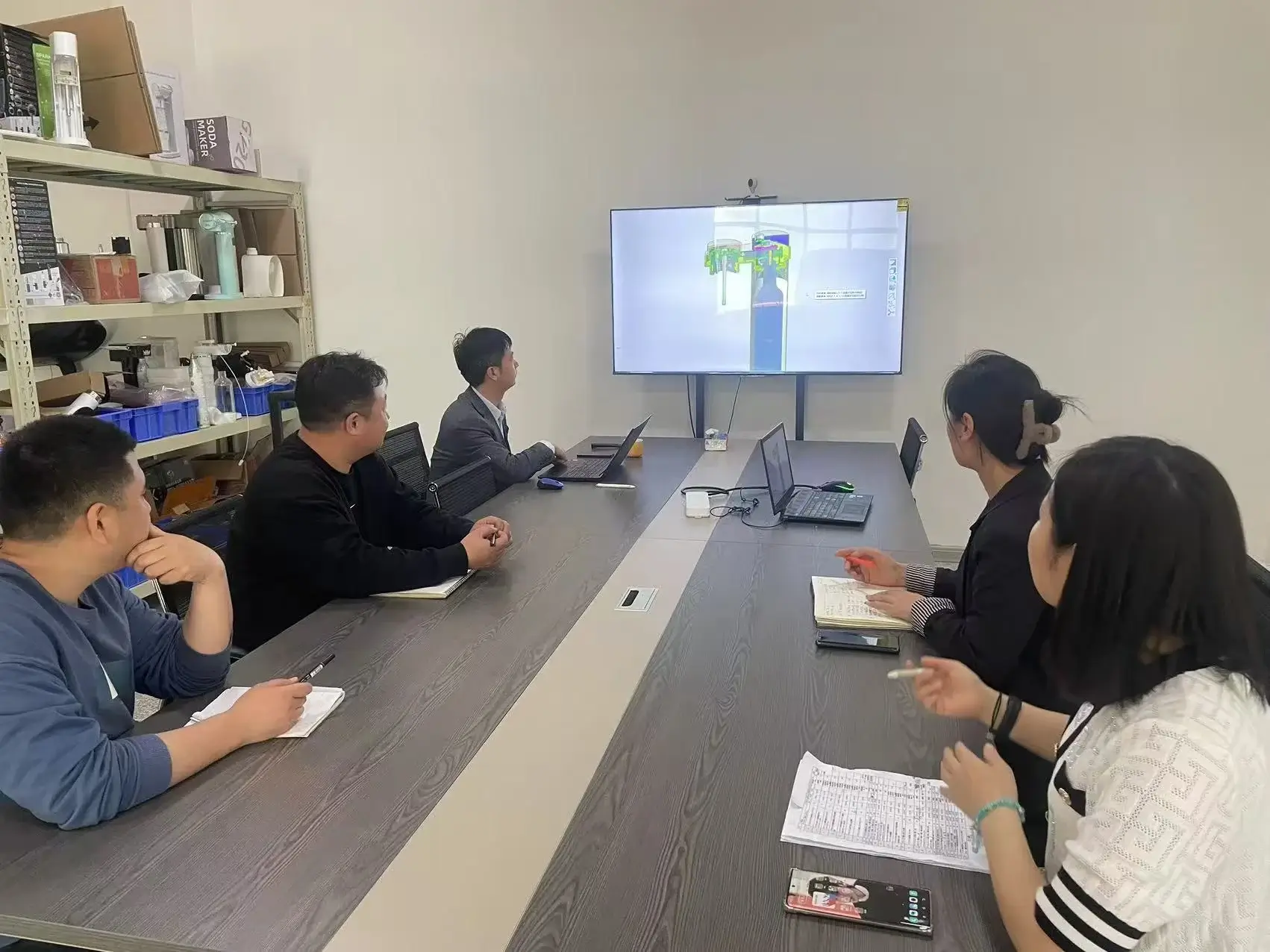
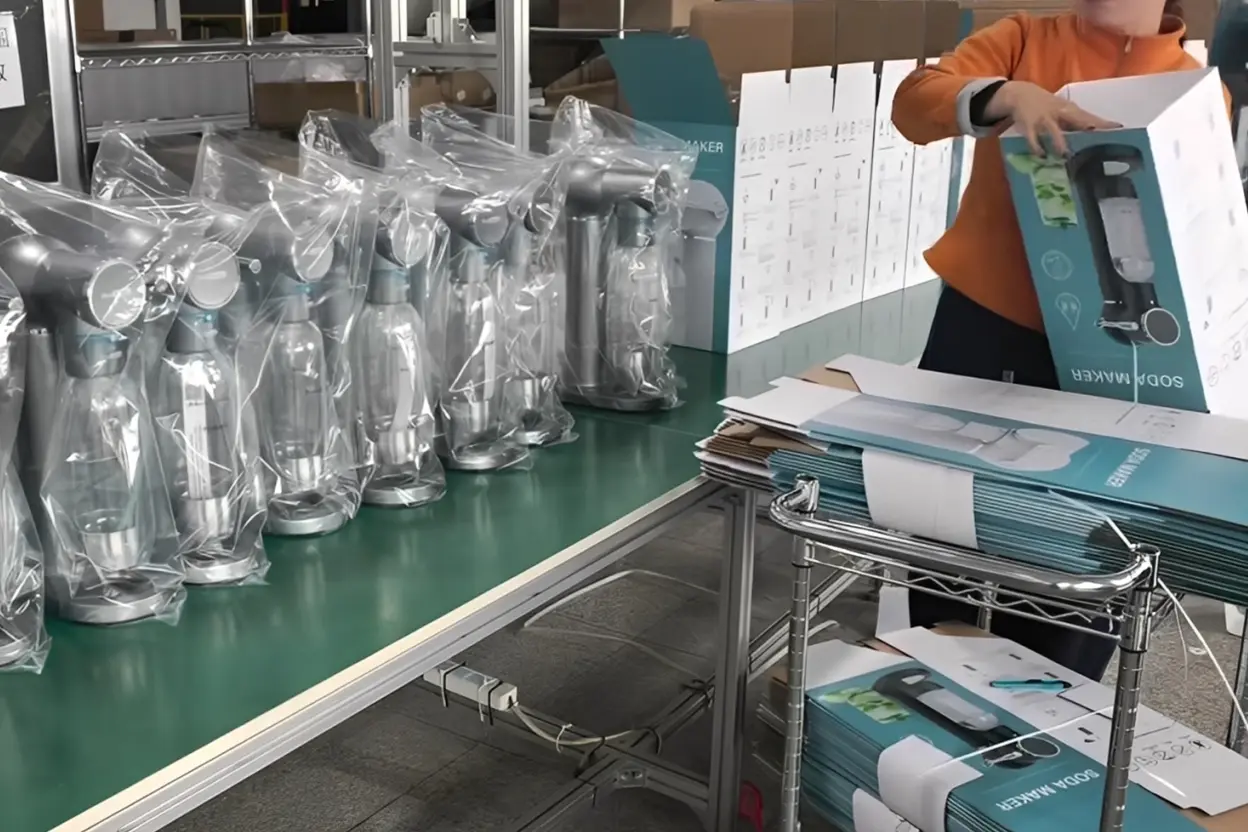
A production video helps buyers compare the quoted model with the actual assembly and finish being prepared for an OEM order. It also gives the cost discussion a clear product reference.
Watch the G15 production videoSample cost and bulk cost should be shown separately
The sample is a decision tool, not simply a smaller bulk order. It may use standard packaging, courier shipping, an unbranded body or a simplified accessory set. The buyer should know what the sample proves and what still needs to be confirmed for mass production.
A practical quotation can list sample price, sample shipping responsibility, sample lead time, bulk unit price, MOQ, packaging cost, tooling cost and production lead time as separate lines. This keeps the first purchase clear and prevents a buyer from assuming that the sample configuration is identical to the final retail pack.
A quotation worksheet for importers
| Item to write down | Buyer entry | Why it belongs in the comparison |
|---|---|---|
| Model and body material | Example: G15 stainless steel or G830 plastic | Sets the product structure and market position. |
| Included bottle set | Machine only, 500 ml, 1000 ml or another approved set | Prevents two different package contents being compared. |
| Branding scope | Machine logo, bottle logo, color, manual and labels | Separates standard product cost from private-label work. |
| Packaging scope | Color box, inserts, master carton and carton mark | Shows the retail and export preparation level. |
| Tooling | None, mold modification or new tooling | Identifies one-time development cost. |
| Quantity and MOQ | Trial quantity and planned repeat volume | Allows a realistic production price discussion. |
| Trade term | EXW, FOB or another agreed term | Prevents a misleading comparison of delivery responsibility. |
| Documents and inspection | Required market documents and inspection points | Connects the quotation with import and retail requirements. |
Questions to ask before accepting a soda maker OEM quote
- Does the price include the bottle, cap and accessory pack?
- Is the MOQ calculated per model, per color or per complete project?
- Are logo printing and packaging included or quoted separately?
- Is the color a standard production color or a new color approval?
- Does the quotation include mold work or only an existing structure?
- Which testing and compliance documents apply to this model?
- What are the carton dimensions, weight and units per carton?
- When does the lead time begin: deposit, artwork approval or sample approval?
- What is the payment schedule for samples and mass production?
- Who is responsible for pickup, export handling and freight under the stated trade term?
What information helps a factory prepare an accurate quote
Send the target country, sales channel, estimated quantity, preferred model, required color, logo scope, bottle capacity, packaging plan, certification needs and launch schedule. A reference product or retail package image is useful, but the final quotation should be based on an approved model and written project scope.
For more detail, review the private-label soda maker service, soda maker bottle options, quality and compliance process and real OEM case studies. Buyers planning a first order can also use the Soda Maker MOQ Guide and OEM Soda Maker Lead Time Guide.
OEM COST FAQ
Soda Maker OEM Cost Questions
What is normally included in a soda maker OEM price?
The quotation should state whether it covers the machine, bottle, cap, accessories, logo application, retail packaging, instruction manual, carton marks, inspection and shipment preparation. Ask the supplier to list every included item rather than assuming that a product photograph shows the complete set.
Why can two quotations for the same soda maker model be different?
The quotations may use different quantities, body materials, colors, bottle sets, packaging structures, inspection scopes or trade terms. Compare the written specifications and delivery responsibility before deciding which price is lower.
Is tooling included in the unit price?
Usually, tooling or mold modification should be shown as a separate one-time item when it is required. Confirm the modification scope, sample rounds, ownership or usage rights, and whether the unit price assumes an existing structure or a new development.
Does a higher MOQ always mean a lower unit price?
Higher volume can improve material purchasing and assembly efficiency, but the result depends on the model, color, packaging and customization scope. Ask for the price at your trial quantity and at the next realistic volume level instead of assuming a fixed discount.
Will the sample have the same cost and packaging as the bulk order?
Not always. A sample may use standard packaging, an unbranded body or a simplified accessory set. Confirm what the sample proves and which parts of the final retail configuration still need approval before mass production.
How should I compare EXW and FOB soda maker prices?
EXW generally means the buyer arranges pickup and export logistics through a forwarder. FOB usually includes an agreed port handover, but the exact scope must be written in the quotation. Compare carton data, loading responsibility, freight and destination charges together.
How can I reduce the initial cost of a private-label soda maker project?
Start with an existing model, standard color, controlled logo scope and a practical packaging structure. Confirm the bottle set and documents early, avoid unnecessary mold changes for the first market test, and compare the cost at the trial quantity with the planned repeat volume.
What information does a factory need to prepare a reliable quote?
Send the target market, sales channel, model preference, quantity, color, logo method, bottle capacity, packaging requirements, document needs, launch date and preferred trade term. The more specific the scope, the less likely the quotation is to change later.
REQUEST A PROJECT QUOTE
Send the model, quantity and market before comparing prices.
We can separate the machine, bottle, branding, packaging, tooling, testing and shipment items so your quotation is easier to review.
Related guides: OEM soda maker manufacturer, sample order guide, packaging guide and FOB, CIF and DDP guide.