A good soda maker project is usually won before mass production starts. The buyer chooses the right model, confirms bottle and cylinder compatibility, checks the factory’s testing process, locks packaging details, and agrees on inspection standards. When these points are skipped, the order may still ship, but the brand receives the risk later: weak carbonation, leaking bottles, unstable valve fitting, wrong carton marks, delayed spare parts, or poor after-sales support.
This guide is written for importers, private label brands, distributors, and online sellers who are comparing soda maker OEM suppliers in China. It focuses on home sparkling water makers and B2B manufacturing projects, not retail reviews or recipe content.
Confirm whether you are talking to a real manufacturer or a trading desk
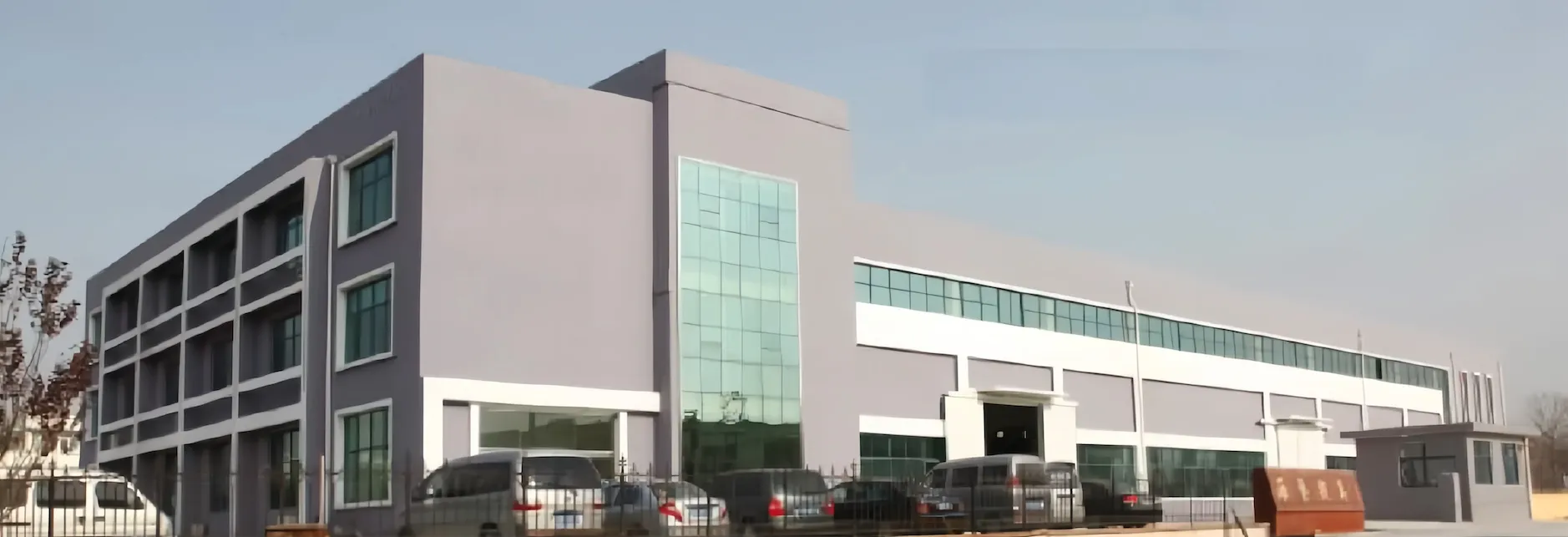
The first question is not price. The first question is who controls the production. A real soda maker manufacturer should be able to show where the product is assembled, how incoming parts are checked, how bottles are tested, how finished units are packed, and who signs off before shipment.
A trading desk can still be useful for small sourcing projects, but it may not control technical decisions. If you are building a private label soda maker line, direct factory communication matters because small changes in product color, bottle set, logo placement, carton marks, and instruction manuals must be tracked during production.
| Check point | Better manufacturer answer | Weak answer | Why it matters |
|---|---|---|---|
| Production evidence | Factory photos, production videos, inspection records, packing photos | Only catalog images or product renders | Shows whether the supplier controls the actual process |
| Model knowledge | Explains model differences by market, cost structure, material, and user scenario | Sends one price list without context | Wrong model selection can kill a market test |
| OEM handling | Can discuss color, logo, packaging, manual, barcode, carton mark, and sample approval | Only says custom logo is available | Private label work is more than printing a logo |
| Quality control | Can show leak testing, pressure testing, bottle checks, and pre-shipment review | Uses broad words such as good quality | Soda makers involve pressure, bottles, seals, and repeated use |
Ask for evidence before discussing a large order
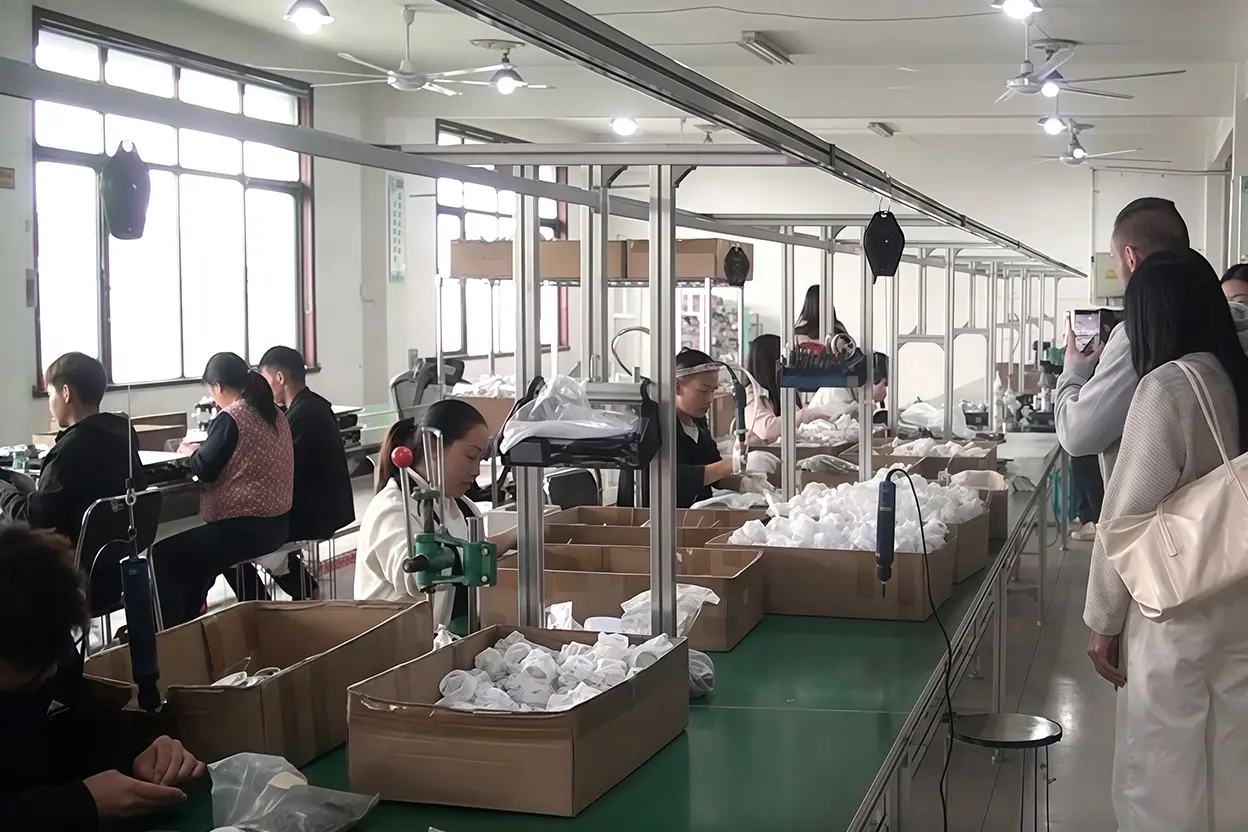
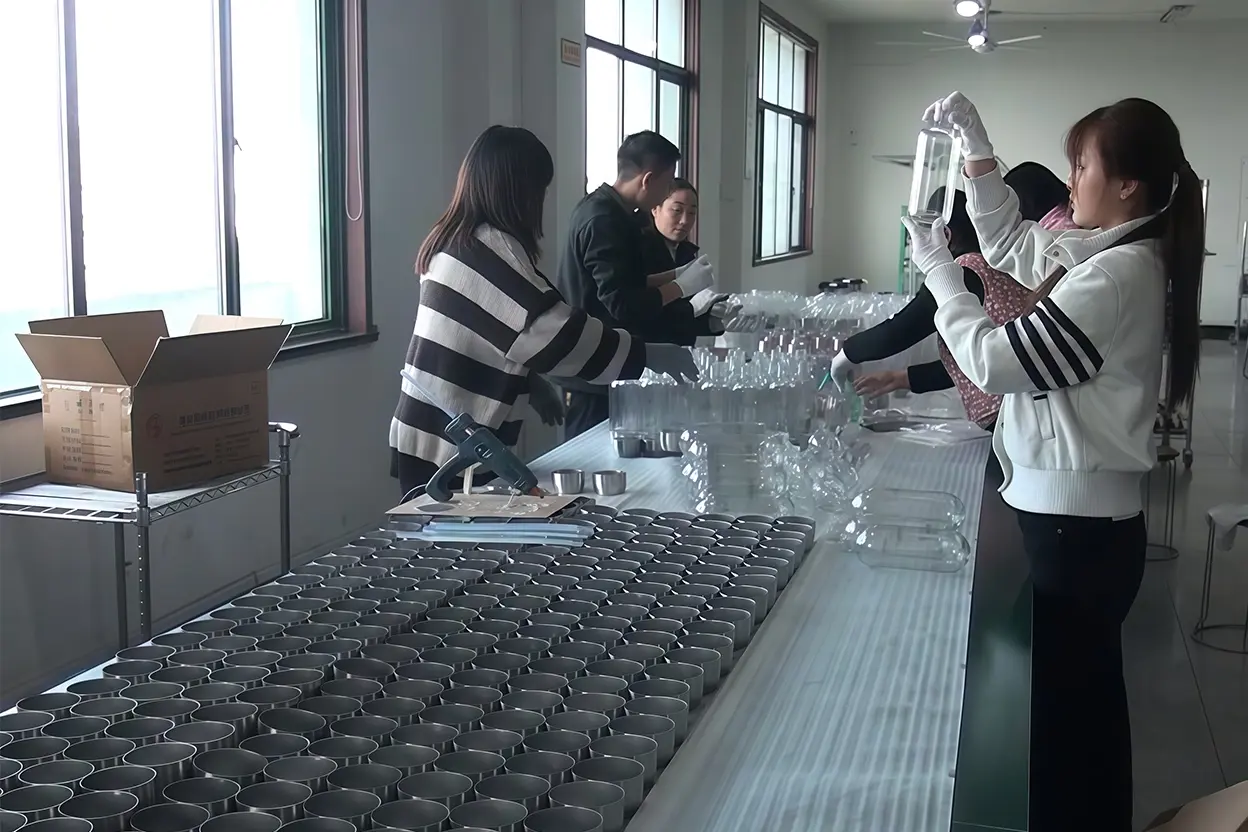
For a soda maker OEM order, the best supplier is not the one that answers fastest with the lowest unit price. The better supplier can show evidence. Evidence does not need to be polished. In many cases, a simple factory phone video is more useful than a beautiful brochure because it shows what is happening on the line.
Evidence to request from a soda maker manufacturer
- Factory exterior and workshop photos
- Assembly line photos or short videos
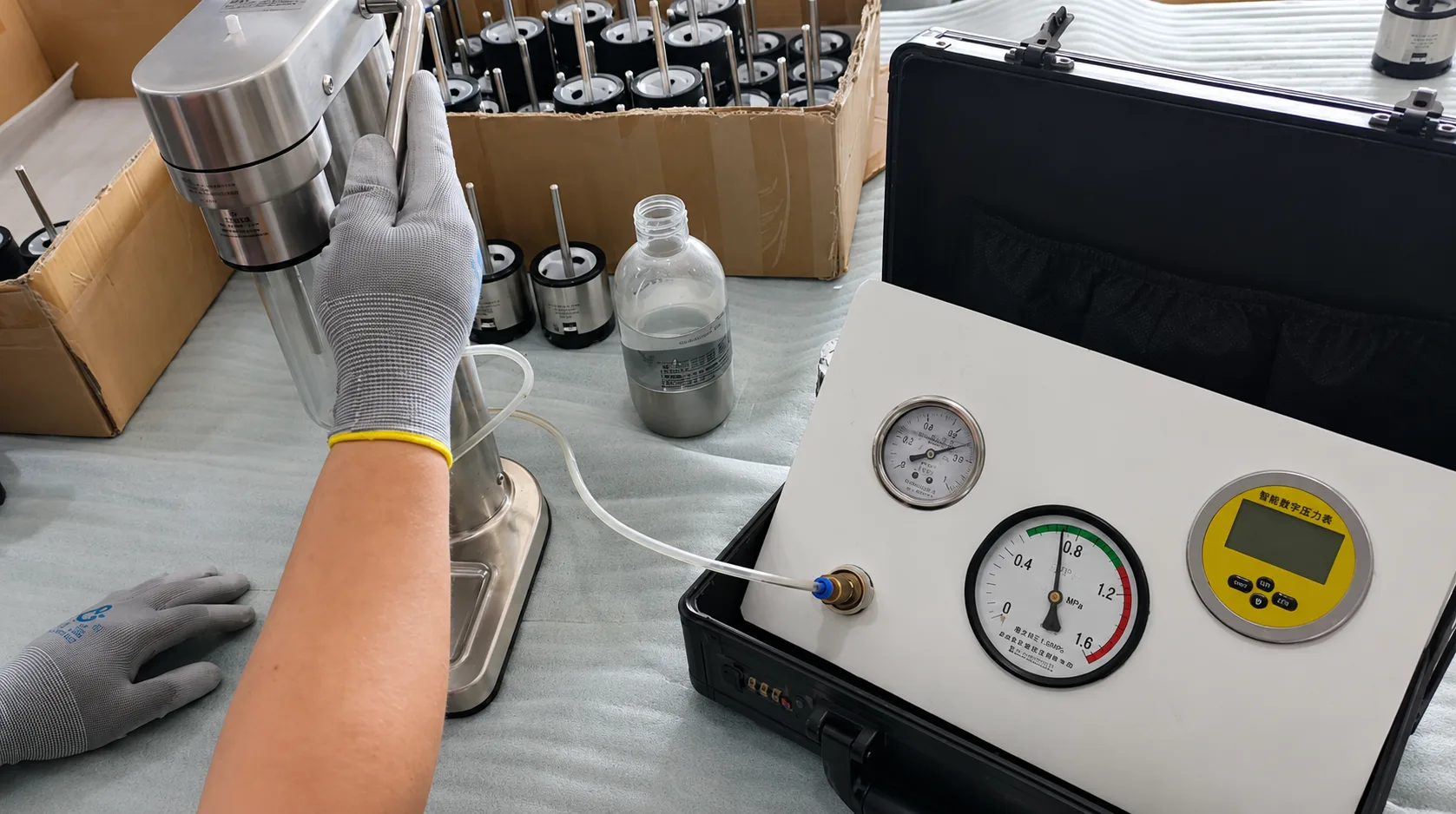
- Pressure test or leak test footage
- Sample review photos before approval
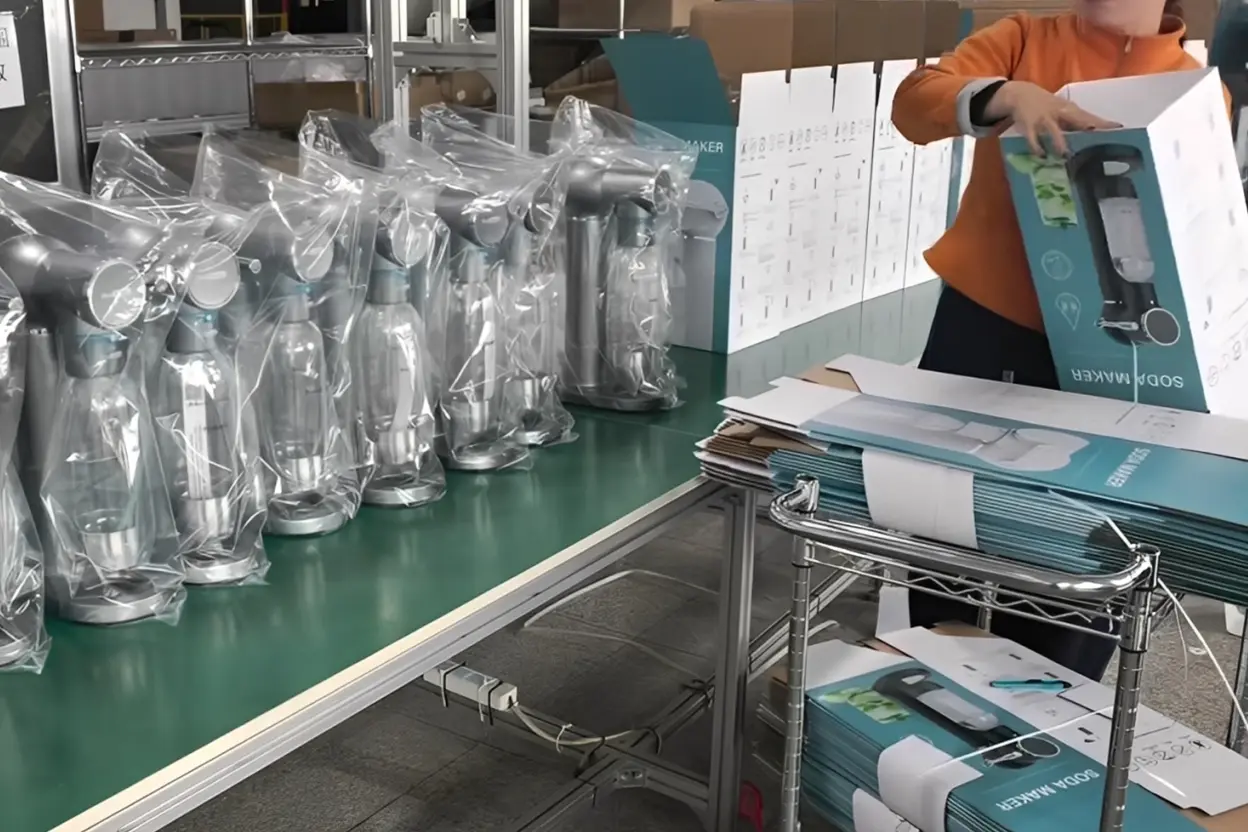
- Packaging, carton mark, and loading photos
- Certificate copies related to your market
- Previous OEM project examples without exposing protected client data
- Clear contact person for production follow-up
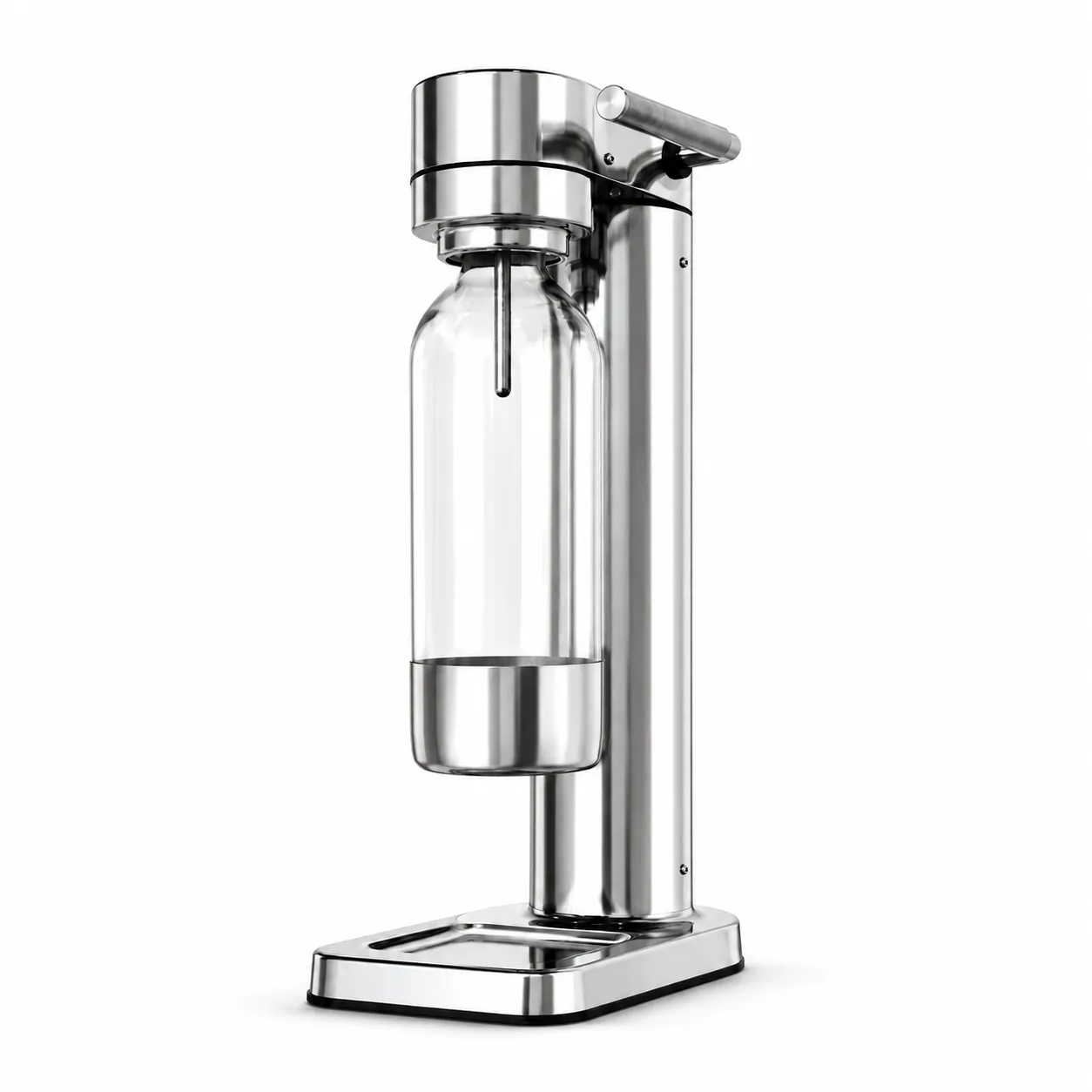
G15 — full 304 stainless steel body, CNC brass valve, double safety valve. MOQ 300 units.
See the G15 →Use videos to check the supplier’s process, not just its marketing
Video is useful when it answers a sourcing question. A pressure test video supports safety discussion. An assembly video supports production control. A molding or injection process video supports tooling and component review. When a supplier only sends showroom clips, it may look clean, but it does not prove much about repeat production.
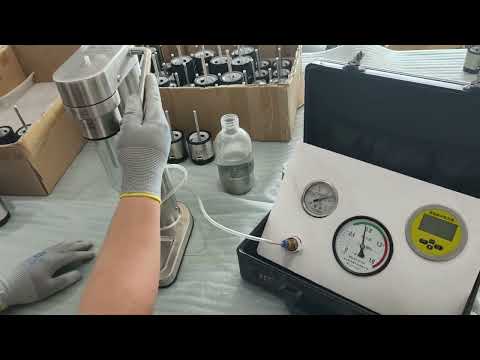
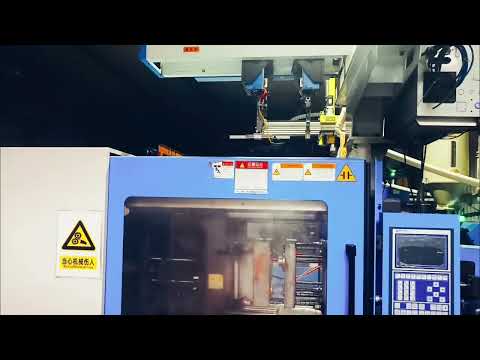
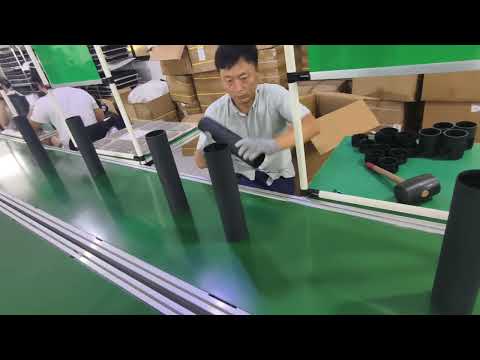
Choose the model by market position, not by one photo
Many soda maker projects start with a simple request: send catalog and price. That is understandable, but a good supplier should help narrow the model range. A supermarket distributor, an online premium brand, a South American market tester, and a private label startup do not always need the same model.
For example, an entry model may be suitable for a small trial order or value channel. A stainless steel soda maker may work better for a brand that wants a heavier countertop feel and a higher retail price. An any-beverage carbonator should be discussed separately because it is not the same product positioning as a standard water carbonator.
| Buyer type | Model direction | Important discussion | Related page |
|---|---|---|---|
| Market tester | Simple soda maker models with controlled cost | MOQ, neutral packing, spare bottle set, black or white color | Models Hub |
| Private label brand | Balanced appearance and stable retail packaging | Logo, color box, instruction manual, barcode, carton mark | Private Label Soda Maker |
| Premium kitchen channel | Metal body or stainless steel soda maker | Material, finish, weight, packaging protection, certificate documents | Stainless Steel Soda Maker |
| Beverage concept project | Carbonated drink maker with suitable structure | Liquid type, cleaning, removable head, user instructions | Any-Beverage Carbonator OEM |
Review quality control around pressure, sealing, bottles, and packing
A soda maker is a simple-looking product, but the risk points are specific. The buyer should pay attention to valve fitting, sealing, bottle thread compatibility, pressure behavior, water leakage, carton protection, and user manual accuracy. A good manufacturer should be able to explain what is checked and when.
Do not treat certificates as decoration. Certificates should match the product, material, bottle, and target market. For Europe, buyers often care about food contact documents and compliance language. For the United States or South America, importers may focus more on packaging, cylinder interface, spare bottles, and after-sales spare parts.
Questions for the supplier
Which parts are checked before assembly? Is there a finished unit test? Are bottles reviewed separately? Can the supplier send inspection photos before shipment? Who confirms packaging and carton marks before mass packing?
Documents to prepare
Product specification sheet, packaging layout, instruction manual, barcode file, color reference, logo file, carton mark, certificate copies, and pre-shipment photo checklist should be prepared before the order enters mass production.
Compare MOQ, sample cost, lead time, and packaging scope together
A low unit price may hide extra cost. Some suppliers quote the machine only, then add cost for bottle sets, color box, manual, label, carton, spare accessories, or sample shipping. A clearer comparison should include the full project scope.
| Commercial item | What to confirm | Typical risk | Better practice |
|---|---|---|---|
| MOQ | Trial order quantity, color MOQ, packaging MOQ | Buyer thinks 50 units can include full private label packaging | Separate market test order from full OEM packaging order |
| Sample | Model, color, bottle set, logo sample, sample lead time | Sample does not match final order configuration | Approve sample with a written checklist |
| Lead time | Sample lead time, mass production lead time, packaging proof time | Packaging file approval delays shipment | Finish packaging artwork before deposit or early after deposit |
| Payment term | Deposit, balance, EXW/FOB, inspection before shipment | Buyer and supplier discuss price but not pickup and export details | Clarify trade term and forwarder contact early |
Check whether the manufacturer protects serious distributors
For some markets, especially smaller countries or distributor-led regions, channel protection can matter as much as price. A buyer may invest in gas refill infrastructure, local promotion, exhibitions, retail listings, or online advertising. If the factory sells the same model to every inquiry in the same territory without discussion, the distributor’s investment becomes harder to protect.
This is why real case studies are useful. A factory that can explain how it handles local agents, repeat orders, packaging files, and confidential client information is usually more prepared for long-term cooperation than a supplier that only chases one order at a time.
“A reliable soda maker manufacturer should help the buyer reduce uncertainty: product fit, test evidence, packaging details, lead time, documents, and repeat order stability. The factory’s job is not only to ship machines. It is to make the buyer’s market test easier to control.”
Red flags when choosing a soda maker supplier
Some warning signs are visible early. They do not always mean the supplier is bad, but they mean the buyer should slow down and ask for proof.
- The supplier cannot show real production or inspection evidence
- The same answer is used for every model and every market
- Certificates are mentioned but not connected to the product scope
- The supplier avoids bottle, cylinder, or pressure-related questions
- Packaging details are discussed after production has already started
- The quotation does not state bottle set, carton, trade term, or lead time
- Product photos look good but no factory-side evidence is available
- The supplier pushes a large order before sample review
A practical manufacturer selection checklist
Before placing a soda maker OEM order, buyers can use a simple scoring method. It is not perfect, but it forces the conversation to move from price to execution.
| Area | Score weight | What strong suppliers can provide |
|---|---|---|
| Product fit | 25% | Model recommendation by market position, price band, material, bottle set, and channel |
| Factory evidence | 20% | Workshop photos, assembly line clips, inspection videos, packing photos |
| Quality control | 20% | Pressure test, leak test, bottle check, fitting inspection, pre-shipment review |
| OEM support | 15% | Logo, color, packaging, manual, barcode, carton mark, private label files |
| Commercial clarity | 10% | Clear MOQ, sample lead time, mass production lead time, trade term, payment term |
| Long-term cooperation | 10% | Repeat order support, spare parts, market protection discussion, case study evidence |
When you are ready to compare a real factory program in detail, review this soda maker manufacturer profile — capacity, quality checks and OEM scope in one place.
Where to continue your review
If you are comparing soda maker manufacturers, do not stop at this article. Review the factory capability, model range, private label support, and case studies together. A strong buying decision usually comes from several pages of evidence, not one sales paragraph.
A 30-day review plan before placing the first order
Most sourcing mistakes happen when the buyer moves from inquiry to deposit too quickly. A 30-day review does not need to slow the project down. It gives both sides a cleaner working path. The buyer can compare models, check evidence, confirm packaging files, and decide whether the supplier can support repeat business after the first shipment.
| Period | Buyer action | Manufacturer response to expect | Decision output |
|---|---|---|---|
| Day 1-3 | Send target market, quantity range, preferred models, color, and bottle set | Recommend suitable models and explain differences without pushing every model | Shortlist 2-4 models |
| Day 4-7 | Request factory evidence, testing evidence, packaging examples, and certificate files | Provide real photos or videos from production, inspection, packing, or sample review | Remove suppliers that cannot prove factory-side control |
| Day 8-14 | Order samples or confirm sample configuration | Confirm model, color, bottle, packaging scope, sample lead time, and courier details | Approve sample plan |
| Day 15-21 | Review sample, packaging direction, manual content, and market documents | Answer technical questions and adjust project scope before mass order | Lock the first order specification |
| Day 22-30 | Confirm PI, payment term, trade term, production timeline, and inspection checklist | Prepare a written production plan and pre-shipment photo checklist | Place a controlled first order |
For small market tests, the first order should be treated as a learning order. The buyer should check carton condition, user feedback, bottle use, carbonation performance, and spare part demand. If the first shipment performs well, the next order can move toward branded packaging, improved accessory sets, stronger channel protection, or a larger annual supply plan.
Need to compare soda maker models for an OEM project?
Share your target market, estimated quantity, preferred color, bottle set, packaging plan, and required documents. Our team can help match suitable soda maker models and prepare a practical project discussion.
Send Project DetailsRelated guides: supplier audit checklist and our Qingdao factory.
Two decisions shape everything that follows: how the factory handles private label production day to day, and whether your project runs as OEM or ODM. Our OEM manufacturing guide for private label buyers walks through the production process step by step, and our OEM vs ODM comparison explains which route fits which project. If your range has to sit alongside SodaStream in the market, the SodaStream alternative guide for OEM projects covers that positioning.
Frequently Asked Questions
How can I tell whether a soda maker supplier is a real manufacturer or a trading company?
Ask who owns the production lines and the molds, and request factory evidence you can verify: production-line and workshop videos, the business licence, and the factory address. A manufacturer answers with specifics about its own lines, capacity and QC steps; a trading desk usually stays vague about where and how the product is made.
What evidence should I ask for before placing a large order?
Working samples of the exact model, packing data (carton size, units per carton, gross weight), test reports for food-contact materials, and a written quotation that separates machine, bottle set, branding, packaging and tooling. Confirm the CO2 cylinder standard the machine uses — threaded or quick-connect — before anything is produced.
Why do factory videos matter when choosing a supplier?
A line video shows the real assembly, testing and packing process behind the marketing claims: how valves are fitted, whether every unit is leak-tested, and how cartons are packed. Marketing photos can be borrowed; a continuous process video is much harder to fake.
Which quality checks matter most for a home soda maker?
Pressure safety and sealing. Look for a double safety valve and automatic pressure release, 100% wet leak testing and high-pressure gas checks on every unit (not sampling), and batch burst testing in a pressure laboratory. Bottle quality matters too: food-contact test reports for the PET or stainless bottle should be available for review.
How should I compare MOQ, samples and lead times between suppliers?
Compare them as one package, not as single numbers: MOQ (300 units is our standard for OEM projects), sample timing (about 7 days), first-order lead time (35–45 days) and repeat-order lead time (about 30 days), plus what the packaging scope includes at each quantity. A very low MOQ that strips out branding, packaging or inspection can cost more in the end.
What are the red flags when choosing a soda maker supplier?
Prices far below every other quotation with no specification behind them, refusal to send samples or factory videos, vague answers on cylinder compatibility, no written packing data, and pressure to pay the full amount before any detail is confirmed. Any one of these is a reason to slow down and verify before paying a deposit.