Retail brands
Plan a bottle that fits the machine bundle, carries the right artwork and can be explained clearly in the product listing and manual.
Source PET bottles for home carbonation brands, importers, distributors and private-label bundles. We review the bottle format, neck and cap interface, machine fit, pressure-use plan and packing requirements before a production specification is approved.
A 1L label alone does not prove fit. Confirm the physical interface with an original sample, drawing or machine test.
Plan a bottle that fits the machine bundle, carries the right artwork and can be explained clearly in the product listing and manual.
Confirm carton quantity, receiving checks, destination documents and the replacement route before the first shipment.
Decide whether bottles are sold singly, in pairs or with a machine, and keep spare stock aligned with the installed base.
Review logo placement, transparency, label language, barcode space and sample approval before artwork is released.
The final configuration depends on the buyer’s machine, market, packaging and test plan. These are sourcing routes to discuss, not blanket availability claims.
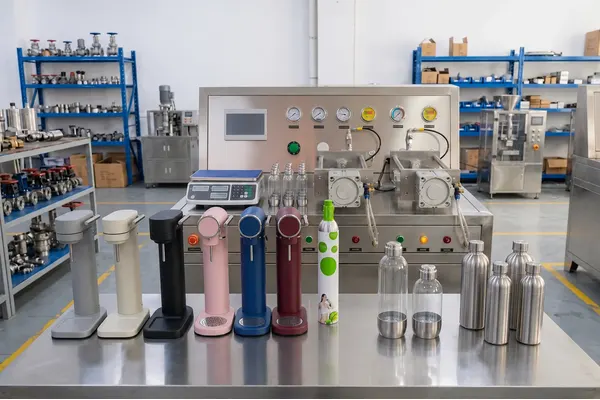
A bottle matched to an agreed machine platform, with the neck, cap and fill line checked before the production reference is set.
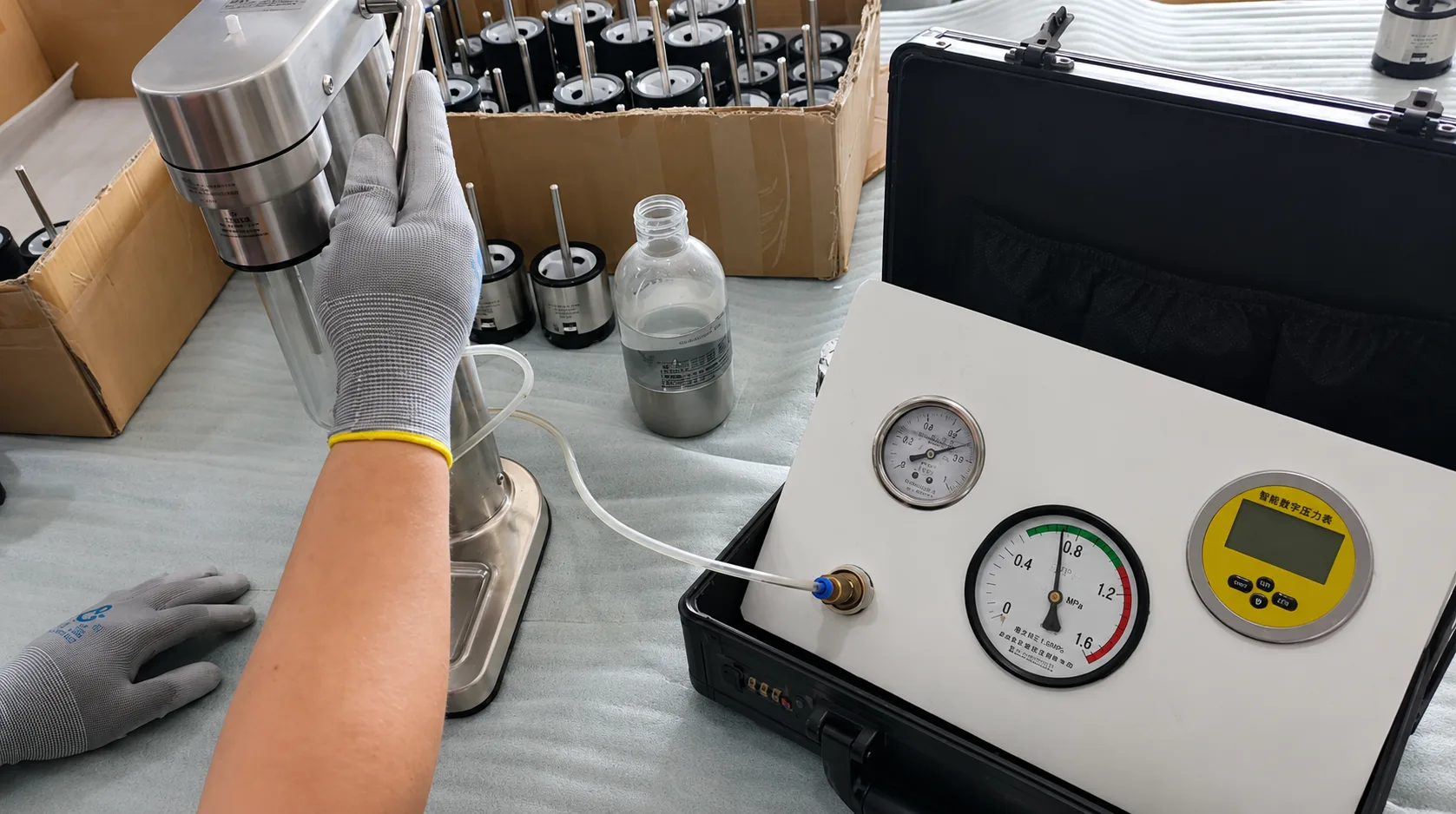
For buyers who need a defined pressure-use or fit test plan and a record of how samples are accepted.
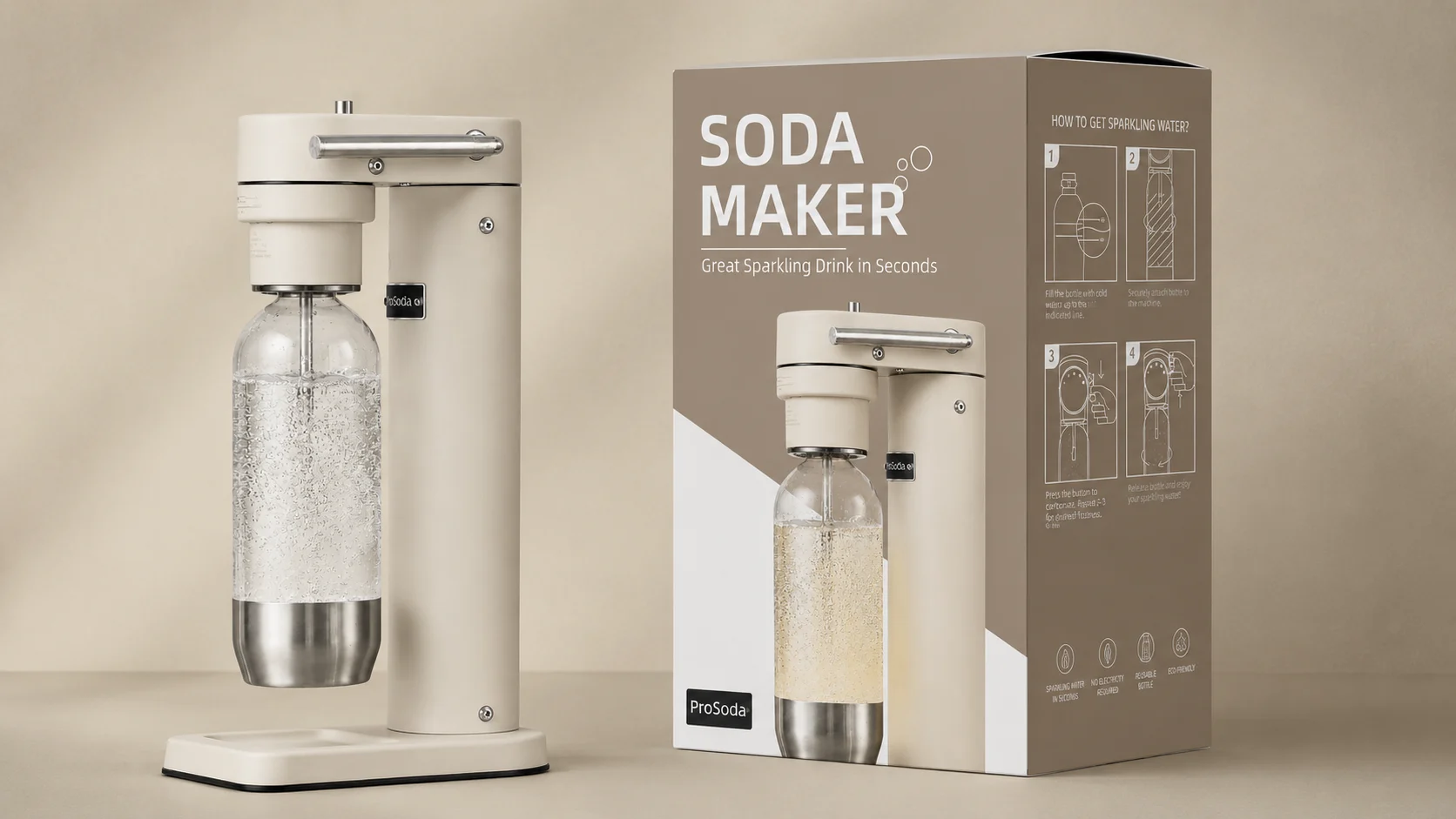
A single bottle, multi-bottle set or bundled accessory pack with artwork and carton scope confirmed for the channel.
Use this table to prepare a quote. Values that depend on the machine, market or test method remain open until a sample or drawing is reviewed.
| Specification | What the buyer should provide | Why it affects the order |
|---|---|---|
| Nominal size and fill line | 1L reference, usable fill line or original bottle | Controls the machine’s working clearance and the user’s expected serving size. |
| Overall dimensions | Height, maximum diameter and base profile | Determines whether the bottle enters, locks and clears the soda maker body. |
| Neck and cap interface | Neck finish, thread, cap and seal reference | Influences sealing, user handling and the connection to the carbonation head. |
| PET appearance | Clear, tinted, translucent or approved color sample | Changes the visual presentation, label contrast and packaging review. |
| Marking area | Logo, label, barcode or batch space | Ensures artwork fits the bottle without covering required care information. |
| Empty-bottle weight | Target weight or approved sample | Affects material discussion, freight planning and sample comparison. |
| Cap and seal | Material, color, spare route and fit requirement | A bottle body can be correct while a cap or seal still causes leakage or poor handling. |
| Packaging | Single box, sleeve, two-bottle set or bulk carton | Changes carton volume, protection, retail presentation and receiving checks. |
PET is often considered when a project needs a light bottle, clear product presentation and efficient export packing. The final resin, wall design and food-contact documents still need to be confirmed for the target market and use conditions.
“1L PET bottle” describes a market format, but it does not confirm the neck, thread, height, base clearance or locking method. Send an original bottle, a drawing or clear machine photos so the interface can be checked before artwork and quantity are finalized.
The image cards show bottle inspection, machine-to-bottle matching and pressure-testing context. The video is related factory quality-control evidence; final PET bottle acceptance remains specific to the buyer’s sample and test plan.
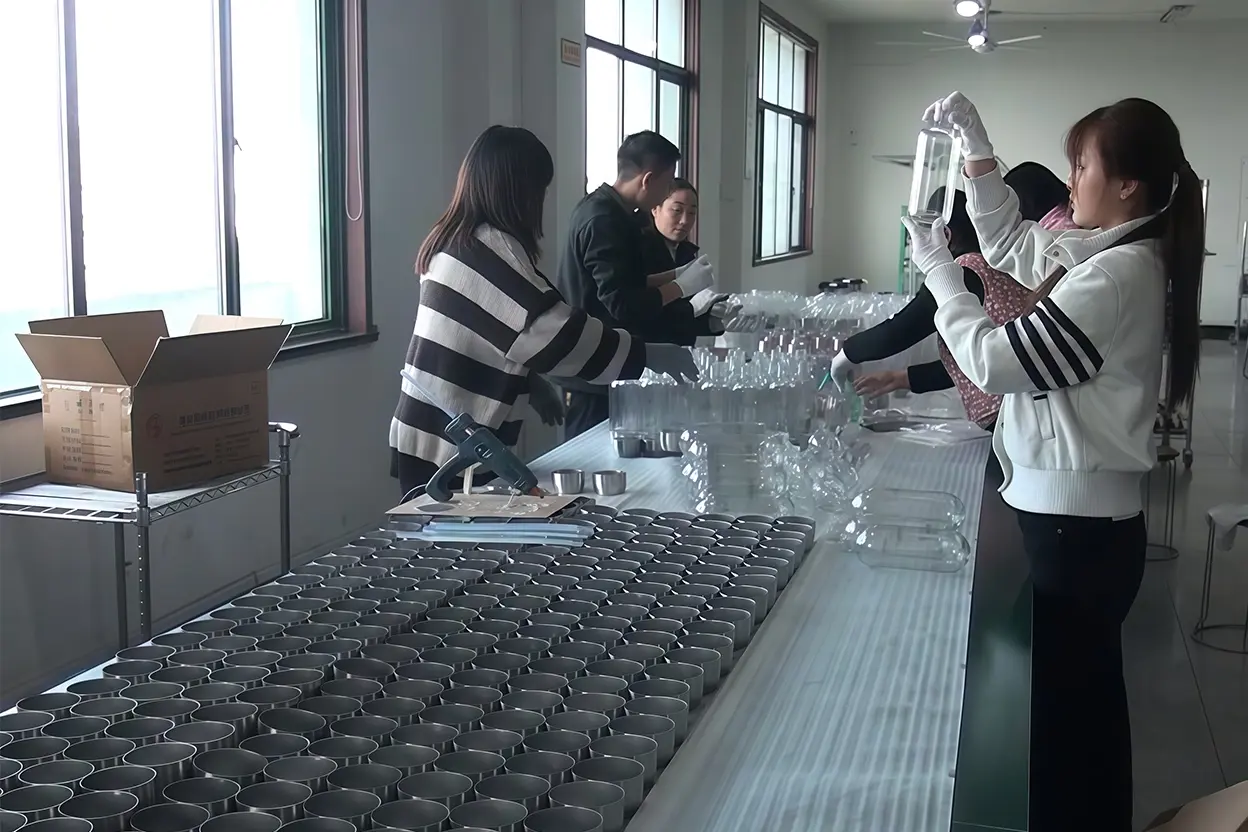
Bottle testing should match the agreed design, intended machine and destination market. Before quoting, ask whether the test covers the bottle body, the cap and seal, or the complete use configuration.
For the broader testing, inspection-record and document framework, see Quality & Compliance. Confirm the PET bottle-specific method and acceptance criteria against the intended machine and approved sample. Do not publish a universal pressure rating or unlimited-reuse promise without project evidence.
Brands and distributors often need replacement bottles after launch. Decide early how the bottle will be identified, packed and reordered so the customer does not receive a visually similar but incompatible part.
A short approval path gives the buyer and the manufacturer the same physical reference.
Share market, machine, bottle reference, dimensions, artwork status, quantity and packing preference.
Check neck, thread, cap, seal, height, diameter, fill line and insertion or locking method.
Use the intended machine and the agreed pressure-use or fit test plan to record acceptance points.
Release artwork, care instructions, carton marks and the production reference after sample approval.
The bottle is part of the product presentation. A buyer should review the physical sample before releasing the logo, label or color-box artwork.
Market-specific marking and food-contact requirements should be confirmed by the buyer and local advisers. This page does not grant a blanket compliance claim.
For the broader quality system, see Quality & Compliance.
Use these existing site media references to discuss bottle inspection, the bottle-to-machine connection and packaging decisions. The final approval still follows the buyer’s own sample and test plan.
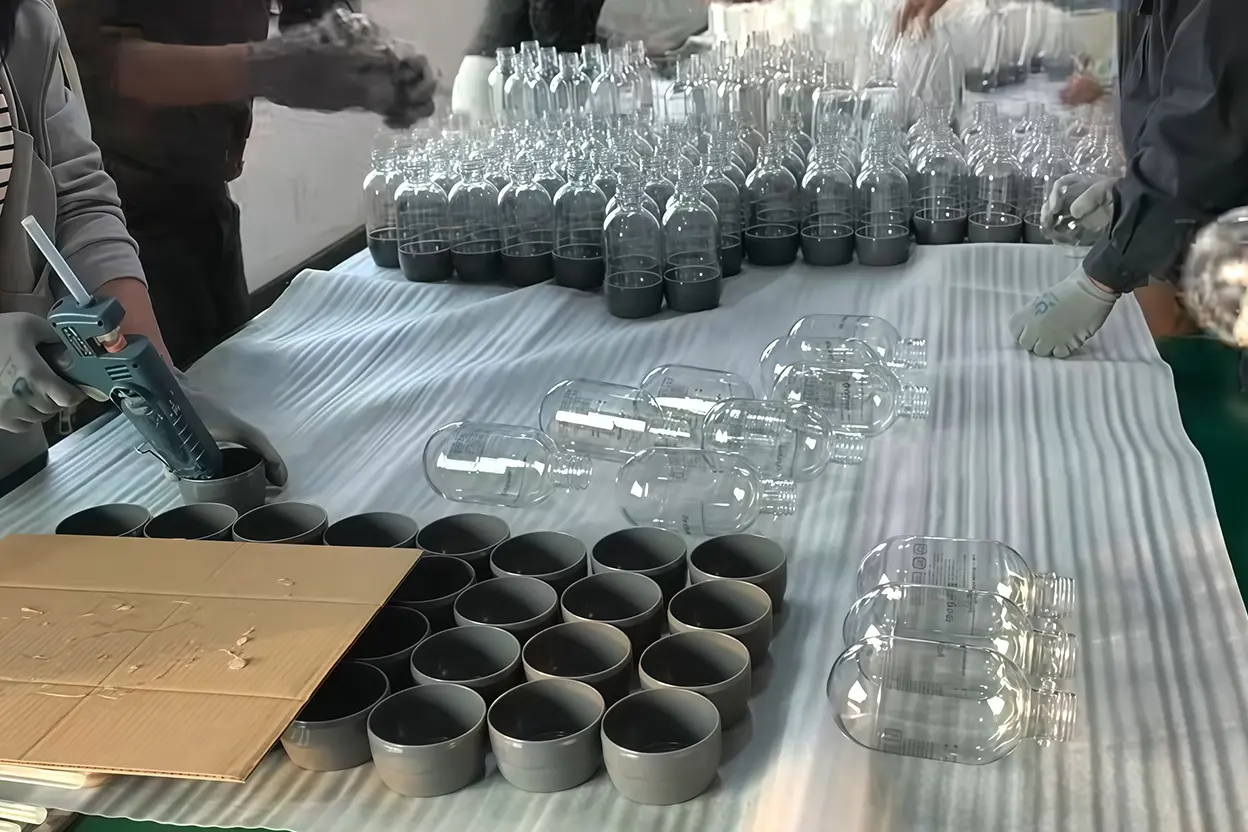
Review visible finish, bottle shape and the areas that need comparison against the approved sample.
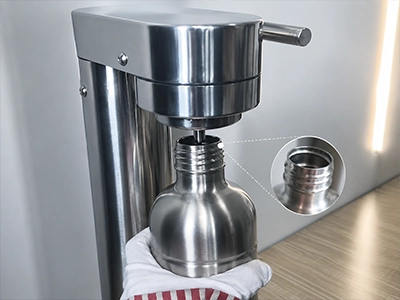
Use the connection area to discuss height, neck, locking method and clearance inside the machine.
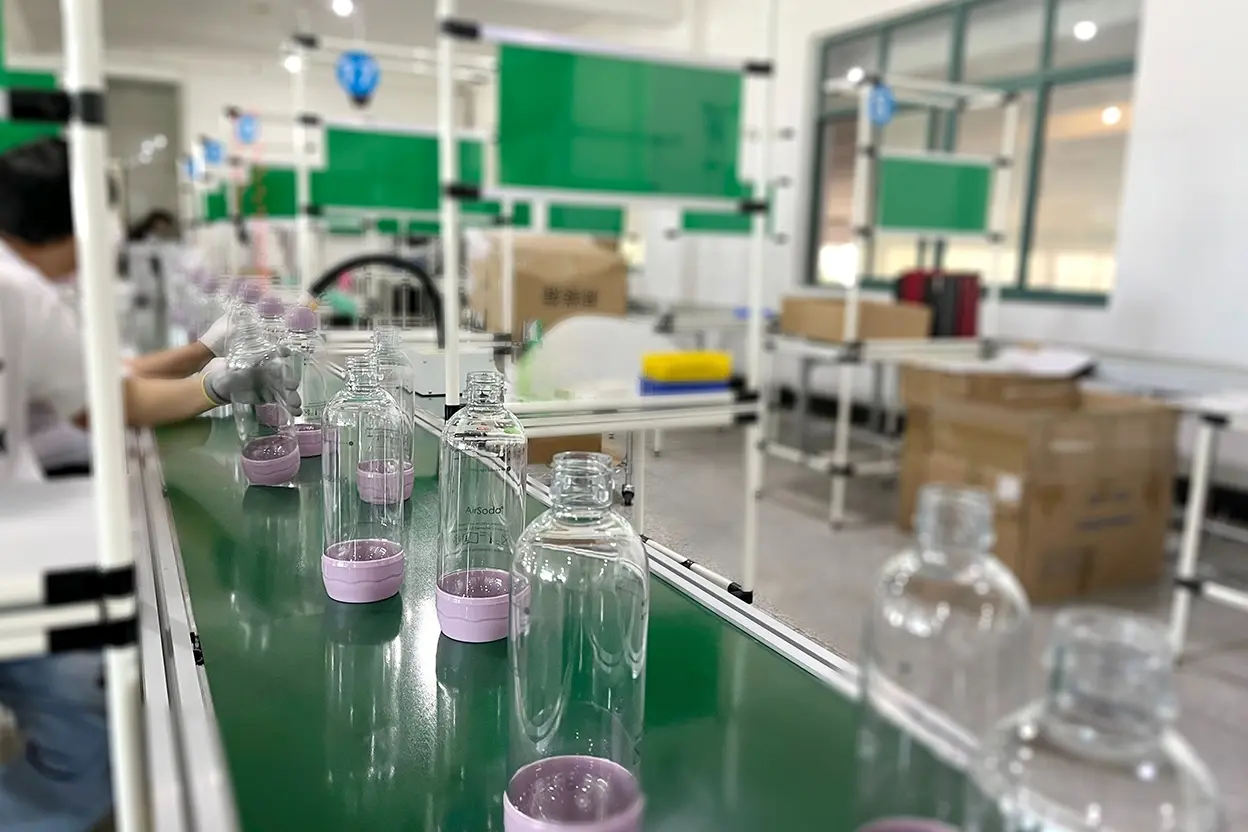
Ask which appearance, forming and packing checks are recorded for the production reference.
Bottle sourcing works best when the product, packaging and replenishment decisions are reviewed together. The right carton for a sample shipment may be different from the carton used for a retail launch or distributor stock.
A buyer should be able to answer these five questions before production starts:
Related guides: sample order guide.
A manufacturer supplies the PET bottle body and the agreed neck, cap, seal, marking and packing configuration. Final supply depends on a review of machine fit, pressure-use planning and the buyer’s market.
1L is a common reference format, but the actual fill line, height, diameter and usable volume must be confirmed against a drawing or original sample.
PET is generally BPA-free by nature. The exact resin, food-contact documents and market requirements should still be confirmed during specification and sample approval.
Provide the machine model, original bottle or dimensional drawing. Review the neck, thread, height, diameter, fill line and insertion method, then test a physical sample with the intended machine.
Yes. A sample should be checked for physical fit, cap and seal engagement, appearance, packing and the agreed pressure-use test plan before production approval.
Ask which method applies, whether it covers the bottle or complete assembly, how many samples are tested and how defects are recorded. Do not rely on an unsupported universal pressure rating.
Logo placement, label area, color, transparency, barcode and carton artwork can be discussed against the buyer’s market and sample approval requirements.
Plan a clear bottle identifier, compatible cap and seal route, protective packing, spare stock and whether the replacement is sold singly or in a multi-bottle set.
Send the machine model, bottle reference, target market, quantity and any drawing or photo you have. We can identify the open points before the quotation is prepared.
Email: sales@customsodamaker.com
WhatsApp: +86 15005520056