The short answer
Agree the payment milestones before production starts
For a first sample or small trial order, payment in advance is required because the factory must arrange a small build, testing, packing, and export handling before dispatch. For bulk OEM production, our normal payment structure is 30% deposit and 70% balance by T/T before shipment.
For approved sea shipments only, the maximum flexibility we can review is 70% balance against the B/L copy. Air freight, express, railway, truck, and other shipment methods require the balance to be paid before dispatch. We accept only T/T: 30% T/T deposit, balance before shipment.
01 / Compare the structures
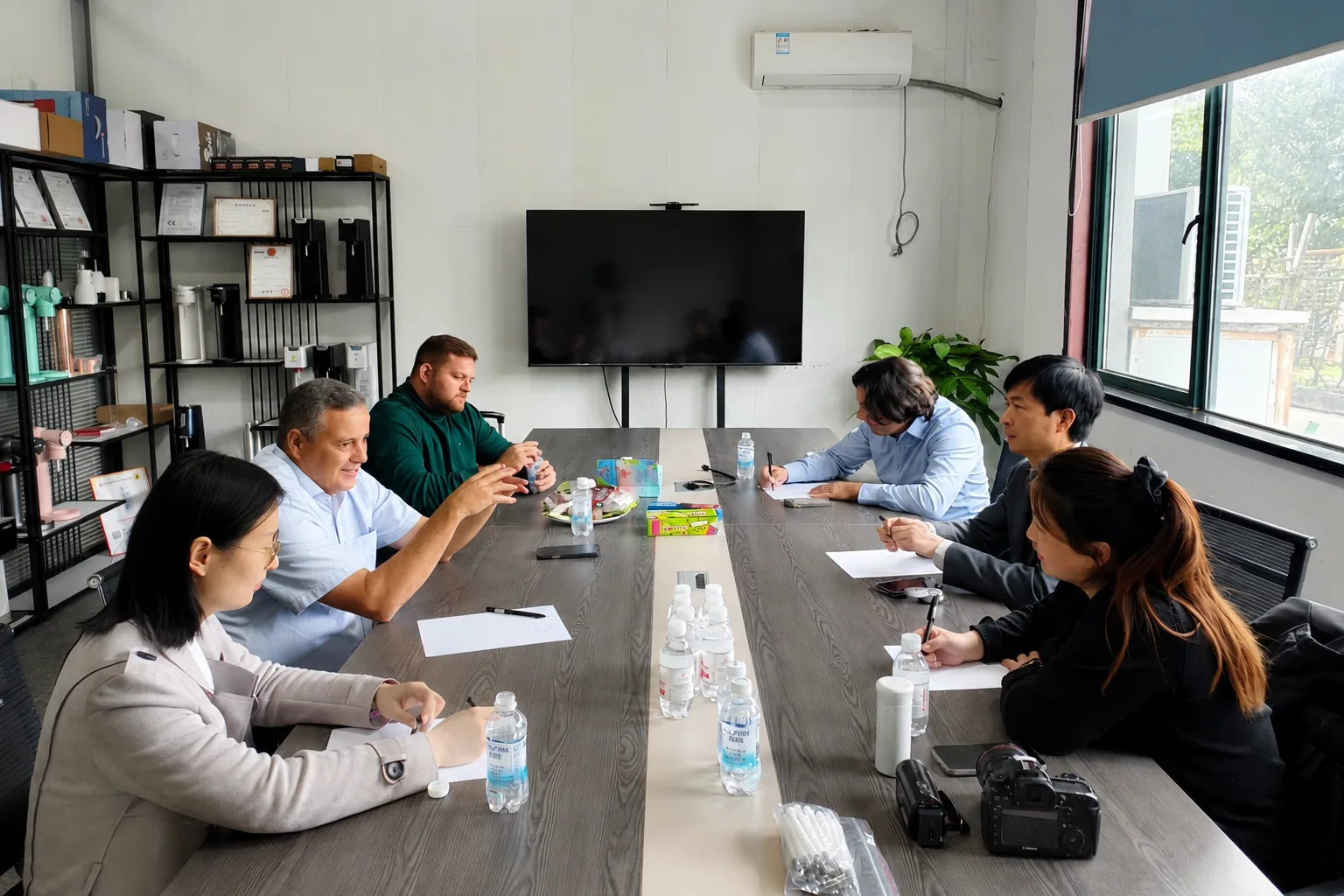
Payment terms we can actually support
The table below explains the practical payment boundaries we use for soda maker OEM orders. Your confirmed terms should always appear on the PI with the exact model, quantity, currency, Incoterm, and shipment documents.
| Structure | Usually suits | Buyer cash-flow flexibility | Main control point |
|---|---|---|---|
| 100% before dispatch | Samples, very small trials, custom prototypes | Low | Sample approval and courier / freight arrangement |
| 30% deposit + 70% T/T before shipment | Standard bulk OEM order | Medium | Pre-shipment inspection, packing confirmation, and goods release |
| 30% deposit + 70% against B/L copy | Approved sea shipment orders only | Higher | Sea freight documents, B/L copy, and final document release |
| Non-T/T payment terms | Not accepted | Not available | These terms are outside our normal factory risk policy |
Practical rule: we can discuss order planning, shipment timing, and document preparation, while payment remains 30% T/T deposit, balance before shipment.
02 / Remove ambiguity early
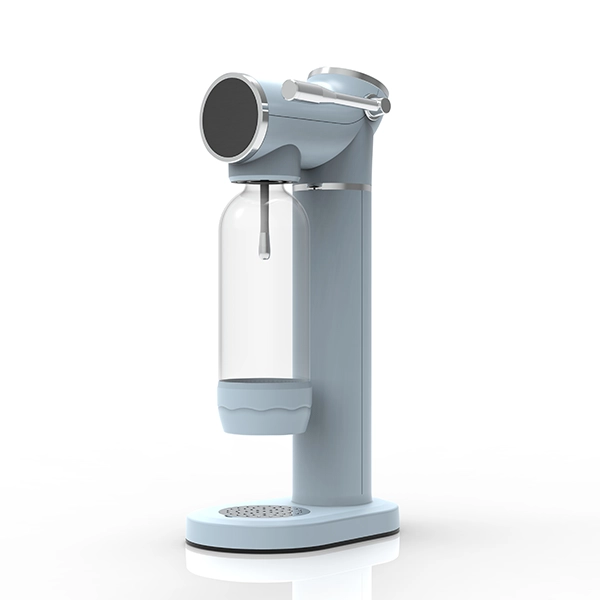
G720 — our proven plastic model for volume private-label programmes. MOQ 300 units.
See the G720 →What must be clear before discussing payment
Payment discussions become difficult when the order itself is not fixed. Before asking for a special deposit or balance arrangement, confirm the commercial scope:
- Exact model and version, including color, finish, handle, valve, and bottle configuration.
- Quantity by SKU, especially when black, silver, or premium models are mixed in one order.
- Logo method, packaging level, manual language, barcode, carton mark, and artwork approval.
- Whether the order is a sample, pilot run, repeat order, or scheduled rolling program.
- Inspection timing, acceptable quality standard, spare parts, warranty scope, and test records.
- Incoterm, pickup point, freight responsibility, and the documents needed for customs clearance.
03 / Samples and pilot orders
How to handle payment for a first sample
A sample is not only a product purchase. It is the buyer’s chance to approve carbonation performance, bottle fit, operating feel, logo placement, packaging details, and the documents needed for the market. The factory is also using the sample to confirm what can be repeated in mass production.
Confirm the configuration
List the model, color, bottle, cylinder compatibility, logo, and packaging level before payment.
Confirm freight separately
Sample freight, duties, and courier charges may be outside the product price. Put them on a separate line.
Record approval comments
Keep the approved photos, test notes, and artwork so the bulk order is built against the same reference.
Use the PI as the record
The PI should show payment, lead time, trade term, and what is included or excluded from the sample.
04 / Bulk production
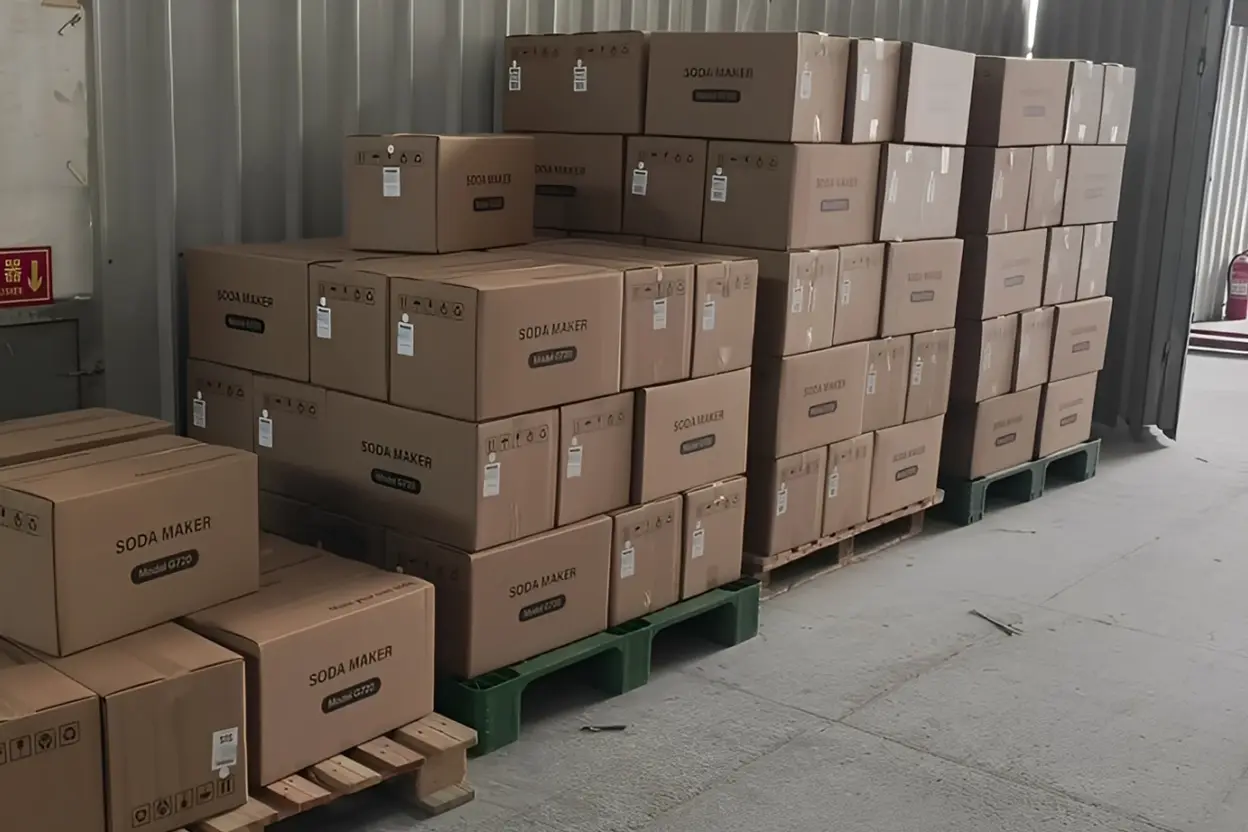
A workable milestone plan for a first OEM order
For a first bulk order, the most important thing is not to copy another buyer’s terms. It is to link each payment milestone to a verifiable production event. A common planning pattern is:
When a production run is split into several shipments, ask for a line-by-line schedule. Splitting can help a growing distributor avoid stock gaps, but it may also create additional handling, storage, inspection, and document costs. Those costs should be discussed before the order is divided.
05 / Do not mix two different concepts
EXW or FOB is not a payment term
EXW and FOB describe delivery responsibility, not when the buyer pays. Under EXW, the buyer normally arranges pickup and export logistics from the agreed factory location. Under FOB, the seller normally completes the export process and places the goods on board at the named port, subject to the contract.
A buyer can ask for EXW with payment in advance, or FOB with a deposit and balance before shipment. The Incoterm and payment milestones should be written as separate lines in the quotation and PI.
Use the sample to approve the product before the bulk milestone
Function, bottle fit, and operating feel should be confirmed before a buyer commits to a larger production quantity.
Watch the G720 function demo06 / Build a case for flexibility
When can a repeat buyer discuss different terms?
A manufacturer is more likely to review a special arrangement when the buyer can show a reliable operating plan. Useful evidence includes completed payments, a realistic twelve-month forecast, stable model selection, planned shipment windows, and a clear contact person for logistics and documents.
Order history
Show the quantity purchased, payment record, quality feedback, and any open issues from previous orders.
Forecast quality
Give a range by month instead of one optimistic annual number. Separate confirmed orders from market projections.
Production reservation
Discuss whether common parts or semi-finished units can be prepared in advance under a written plan.
Shipment structure
For sea shipments, B/L copy balance can be reviewed for approved orders. Other transport methods still require payment before dispatch.
Inspection is part of the payment conversation
Buyers can define the inspection point, evidence required, and release process before production begins.
Watch the assembly and appearance inspection07 / Put it in writing
What to check on the proforma invoice
- Buyer legal name, seller legal name, address, and contact details.
- Model, color, quantity, unit price, currency, and total amount.
- Bottle, CO2 cylinder, accessories, spare parts, and packaging scope.
- Payment milestones, deposit amount, balance trigger, and bank details.
- Incoterm, named place, pickup responsibility, and shipment window.
- Inspection method, quality reference, warranty, and claim process.
- Required commercial invoice, packing list, certificate, and shipping documents.
A practical next step
Payment milestones are usually tied to inspection points, so it helps to know what is checked and documented at each stage — see our quality and compliance page.
Ask for a payment plan that matches your shipment method
Tell us your target quantity, model direction, packaging level, destination, shipment method, and preferred shipment window. We can then separate the product quotation, sample plan, production schedule, and payment milestones so your team can review the complete project before placing an order.
Related guides: FOB vs CIF vs DDP for soda maker imports, container loading guide and our guide for soda maker importers.
Buyer questions
FAQ about soda maker OEM payment terms
What payment term is common for a first bulk order?
Our standard bulk OEM term is 30% deposit and 70% balance by T/T before shipment. The exact model, quantity, packaging scope, Incoterm, and shipment method should be written clearly on the PI.
Can I pay the balance after the goods arrive?
No. We do not accept payment after arrival or open account credit terms. For approved sea shipments only, the maximum flexibility we can review is 70% balance against the B/L copy.
Is EXW the same as a payment term?
No. EXW describes delivery responsibility and the pickup point. Payment terms describe when money is transferred. Both must be agreed separately.
Can split shipments reduce cash-flow pressure?
They can spread inventory purchases, but they do not change the basic payment rule. Each shipment needs its own payment milestone, release condition, inspection point, and document schedule.
What payment methods do you accept?
We accept only T/T for soda maker OEM orders. Our accepted payment method is T/T, with 30% deposit and 70% balance before shipment as the standard bulk order structure.
Related guides: OEM soda maker manufacturer and sample order guide.